Reducing labor dependency in Franchise & multi-location retailers with AI-powered stores


AI-powered stores help reduce labor dependency by relying less on workers. They achieve this by automating simple jobs and speeding up processes. Robots can scan shelves, assist customers, and manage inventory. Many stores, such as Walmart and Kroger, utilize robots to enhance operations. AI tools also aid in predicting customer purchases and planning worker shifts, ultimately providing better service. The use of service robots in stores has seen a 37% increase from 2021 to 2022. Experts project that the AI market in retail will reach a value of $1.81 trillion by 2030.
Year | Projected AI Market Size (in Trillions) |
|---|---|
2024 | 0.63823 |
2030 | 1.81 |
Key Takeaways
AI-powered stores do simple jobs by themselves. This means stores need fewer workers and can save 60-70% on labor costs. Smart scheduling tools look at real-time data to make better work schedules. This stops having too many or too few workers. AI helps customer service by using chatbots that work all day and night. This makes sure every shopper gets help. Using AI can save a lot of money and make stores work better. This is good for both stores and customers. Teaching staff how to use AI tools makes them feel more sure of themselves. It also helps them get used to new technology and makes their jobs better.
Labor Dependency Challenges in Retail
High Labor Costs and Turnover
Labor costs keep going up each year. These costs are a big part of what stores spend. When minimum wage goes up, it gets even harder. In the U.S., about half of retail workers leave their jobs each year. When someone quits, stores must spend money to hire and train new people. It can cost up to twice what a worker makes in a year to replace them. When many people leave, teams have less experience. This makes service slower and can mean fewer sales. New workers might not know enough about the products. Customers may wait longer and get different service each time. When workers leave often, safety problems and mistakes with rules can happen more. These problems hurt the store’s reputation and make it harder to earn money.
💡 It can cost 1.5 to 2 times a worker’s yearly pay to replace them. This makes labor dependency a big worry for franchise owners.
Evidence Type | Description |
|---|---|
Turnover Rate | The average retail turnover is around 60%. |
Cost of Turnover | Costs range from 1.5 to 2 times annual salary. |
Replacement Cost | Replacing a retail employee can cost 16%-213% of salary. |
Scheduling and Workforce Management
Making work schedules for many stores is hard. Stores need good systems to plan for workers. If data is missing or wrong, it is tough to guess how many workers are needed. Some workers do not like new scheduling tools. They worry they will get fewer hours or bad shifts. Managers who use their own ways may not trust new systems. Linking scheduling tools with HR, payroll, and sales needs tech skills. Different places have different labor laws, which makes things harder. All these problems make it tough to manage workers and depend less on labor.
Workers may not want to use new systems.
Connecting systems needs tech knowledge.
Different rules in each place can cause legal trouble.
Inconsistent Service Across Locations
Stores want every customer to have the same good experience. But it is hard to keep things the same in every store. Small changes, like old menu boards or different displays, can make customers trust the store less. If service is not the same, customers may not be happy and the store’s reputation can get worse. When stores depend on workers, it is harder to give the same service, especially if many workers leave or training is not the same.
🛑 When service is not the same in every store, customers may have bad experiences and stores can lose sales.
When you know about these problems, you can see why franchise and multi-location stores want ways to depend less on labor and work better.
AI Solutions for Reducing Labor Dependency
Automation of Routine Store Tasks
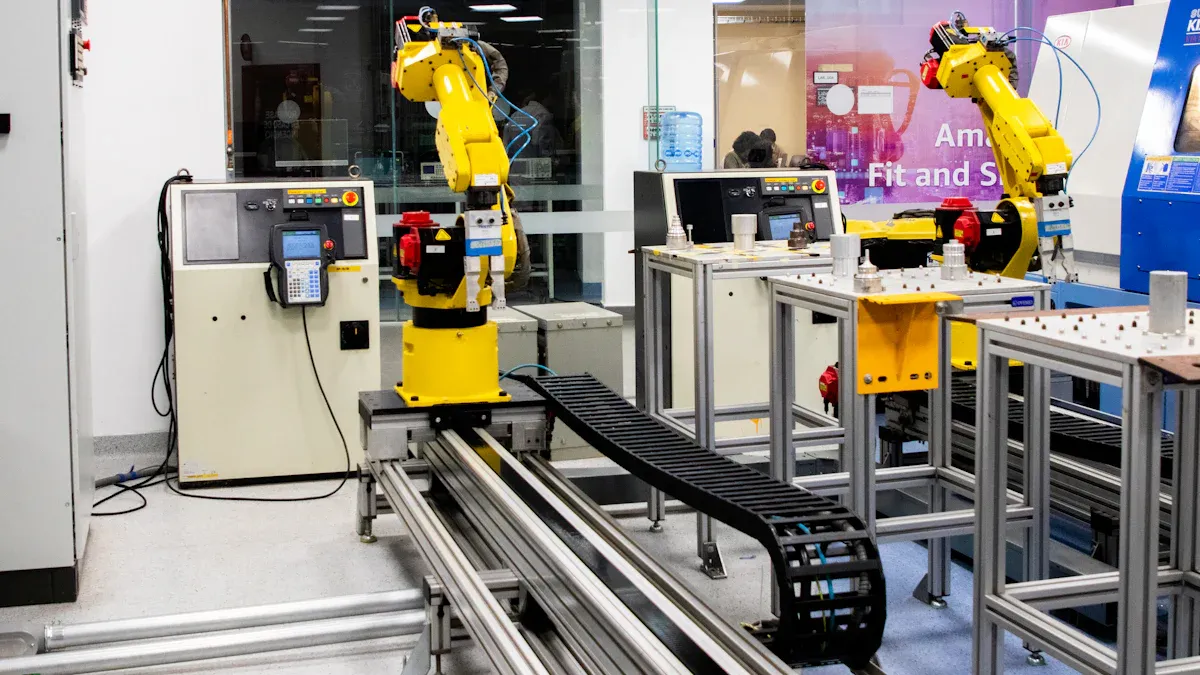
AI can do many jobs that workers used to do. Robots and smart systems clean, scan shelves, and help at checkout. These tools work fast and never get tired. For example, automated checkout lets more people pay each hour than regular lanes. This means customers do not have to wait as long. AI also helps workers finish jobs faster and make fewer mistakes. Smart inventory management checks stock all the time. This stops empty shelves and keeps shoppers happy.
Automated checkout makes paying faster and has fewer mistakes.
Shelf-scanning robots find missing items and help restock fast.
Cleaning robots keep the store clean without more workers.
Some stores use AI in micro-stores that run by themselves. These stores need little or no staff. They are open all day and night. Customers can shop any time. Using these tools can cut labor costs by 60-70%. This means you need fewer workers and can let your team do more important jobs.
Predictive Scheduling and Digital Workers
AI helps you make better work schedules. Smart scheduling tools use real-time data to know how many workers you need. This stops having too many or too few workers. You can use foot traffic data to make sure you have enough staff when it is busy. Queue management systems send shoppers to the right checkout, so service is faster.
Improvement Type | Percentage/Amount |
|---|---|
Overtime Reduction | |
Labor Cost Precision | Exact staffing levels |
Administrative Efficiency | 80% time reduction |
Turnover Reduction | 15-25% |
Cost Savings for Retailer | $250,000-500,000 annually |
Digital workers use things like augmented reality and mixed reality. These tools help staff learn new jobs and get help from experts far away. Digital twins let you see problems early and fix them fast. This makes your store stronger and less dependent on workers.
AI-driven Customer Service and Agent Assist
AI customer service tools help you meet shoppers’ needs. Many shoppers want service just for them. About 71% expect this, and 76% feel upset if they do not get it. AI chatbots and agent assist tools answer questions, suggest products, and fix problems quickly. Staff can use real-time tips to help shoppers better. This makes their job easier and gives shoppers a better visit.
A shopper looks for a product, cannot find a worker, walks around for a while, and leaves with nothing. If this happens in many stores, it can hurt sales and loyalty a lot.
When you use AI for customer service, every shopper gets help, even if the store is busy or has fewer workers. This means you need fewer workers and shoppers want to come back.
Benefits of AI-powered Stores
Cost Savings and Efficiency
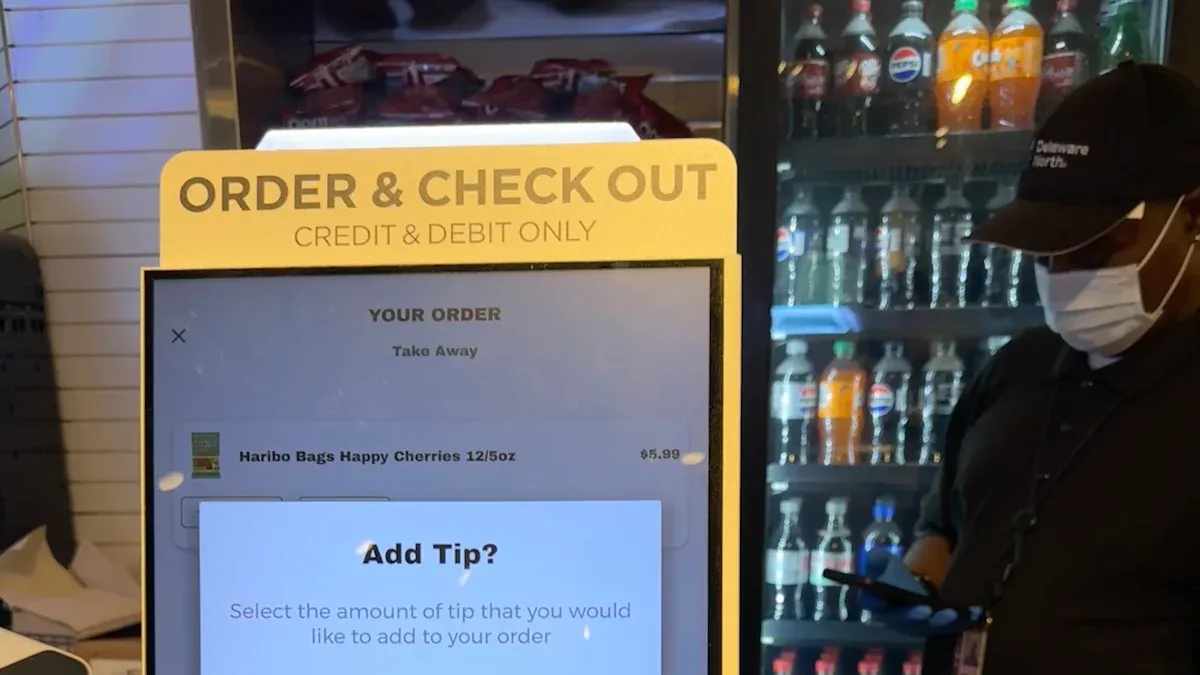
AI-powered stores help you spend less money. Smart systems do simple jobs like checkout and inventory checks. You need fewer workers for these tasks. This saves money and cuts down on mistakes. AI checkout systems stop long lines. More customers can pay each hour. Inventory planning gets better with AI. You waste less and always have the right products.
Metric | Improvement Description |
|---|---|
Inventory Turnover | Better stock and fewer empty shelves |
Checkout Speed | Faster payments and shorter wait times |
AI checkout systems stop lines and make customers happier. Stores can serve more people.
AI helps plan inventory and orders. This means less waste and more money saved.
Enhanced Productivity and Employee Satisfaction
AI tools help your team work faster and feel good about their jobs. Staff can talk in real time and fix problems quickly. Digital tools let workers swap shifts or get help fast. This makes everyone feel less stressed and more connected. New workers learn faster because they get feedback right away.
Benefit | Description |
|---|---|
Accelerated Problem Resolution | Problems get fixed in minutes, not hours. |
Reduced Scheduling Conflicts | Workers can swap shifts easily. |
Improved Operational Agility | Teams change plans fast when things get busy. |
Enhanced Employee Engagement | Staff feel part of the team and store. |
Streamlined Training and Onboarding | New hires get help fast and learn quickly. |
Tip: When your team feels supported, they stay longer and do better work. This helps you depend less on labor and keeps your store running well.
Consistency and 24/7 Operations
AI-powered stores give every customer the same good service. Automated systems help shoppers even when stores are busy or open late. AI chatbots answer questions all day and night. You never miss a sale. AI keeps service steady in every store.
Feature | Description |
|---|---|
AI gives each shopper special help and builds trust. | |
24/7 availability | Chatbots help shoppers any time, day or night. |
Streamlined customer service | Every shopper gets quick, reliable help in all stores. |
You can trust AI to give a steady experience and keep stores open all the time.
Implementation Considerations
Human Oversight and Customer Experience
It is important to use both automation and human help. AI can do many jobs, but people still want friendly staff. Set clear goals for your AI systems. Use good data management so AI makes smart choices. Keep humans in charge of important tasks.
Train your AI models often with real-world data.
Check and fix your systems to keep them working well.
Tell customers how you use technology and their data.
Mix technology with friendly staff for a great shopping trip.
Smart machines and caring people together build trust. This keeps service quality high.
Training and Change Management
Your team must feel ready to use AI. Some workers may worry about new technology. Teach them about AI and show how it helps their jobs. Give training that fits each person’s role and skill level. Encourage your staff to keep learning new things.
Make a plan to teach AI basics and new skills.
Let your team test and share feedback on AI tools.
Support teamwork between tech experts and store workers.
A strong training plan helps everyone feel confident and ready for change.
Measuring ROI and Scaling Solutions
You need to check if your AI investment works. Look at money saved and how much better your store runs. Track early signs of success, like faster service or happier customers. Use a framework that checks results in all departments.
Purpose | Example Indicator | |
|---|---|---|
Model Drift Rate | Checks AI accuracy over time | % drop in correct answers |
Cost Efficiency | Measures value from scaling | Cost per 1,000 AI predictions |
Energy Use | Supports green goals | kWh per AI task |
Watch customer satisfaction scores and how fast AI solves problems. When you measure both clear and hidden benefits, you see the full value of using AI to reduce labor dependency.
You can change your stores by using AI-powered robots. These robots help when there are not enough workers. They also do simple jobs by themselves. This means you do not need as many workers. Workers feel happier and work gets done faster. Begin with clear plans and try projects that matter most. You can use things like automatic pricing or restocking each day. Look at the data to see if these ideas work well. Make sure people still check the robots’ work. Doing these things helps your store run better and gives shoppers the same good service every time.
FAQ
How does AI reduce labor costs in retail stores?
AI takes over routine tasks like checkout, cleaning, and inventory checks. You need fewer workers for these jobs. This helps you save money and use your team for more important work.
Can AI-powered stores still provide good customer service?
Yes. AI chatbots and digital assistants answer questions any time. You can help shoppers faster and give them personal support. Your staff can focus on complex needs.
Is it hard to train staff to use AI tools?
No. Most AI tools have simple interfaces. You can give your team step-by-step training. Many workers learn quickly and feel more confident using digital tools.
What are the risks of using too much automation?
If you rely only on machines, you may lose the human touch. You should balance AI with friendly staff. This keeps your customers happy and builds trust.
See Also
The Future of Retail: Embracing AI-Driven Stores
Understanding AI-Enhanced Corner Stores for Retail Success
Revolutionizing Online Retail Management with AI Tools
Launching a Low-Cost AI-Enabled Corner Store Successfully
Modern Retail Advantages of AI-Integrated Combo Vending Machines
