Are Your Airport Store Queues Hurting Revenue in 2026

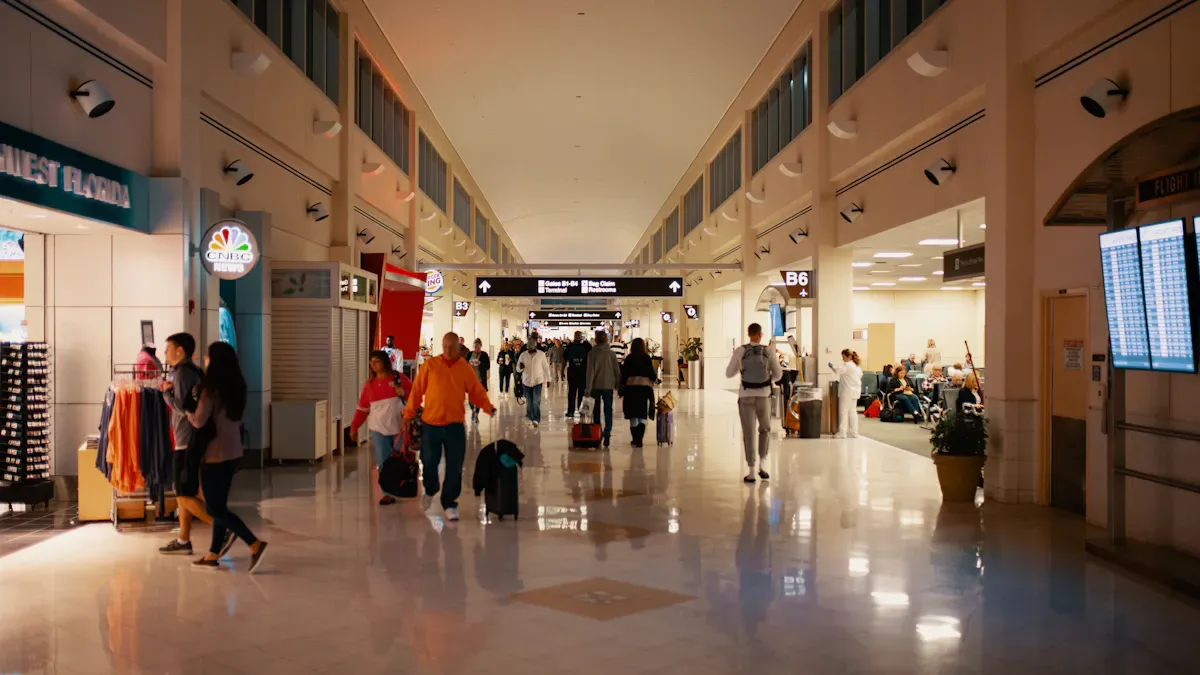
Yes, long lines are hurting airport store money in 2026. New industry data shows a clear link between line length and how happy customers are.
Shorter lines, achieved by reducing queues, make people happier and they complain less.
Passengers spend more time shopping and eating when they wait less, thanks to effective strategies for reducing queues.
Good line management lowers stress and makes the experience better, ultimately focusing on reducing queues.
Operators need to act fast. Cutting down lines by reducing queues is important for making money and staying ahead in airports today.
Key Takeaways
Long lines in airport stores cause lost sales. They also make customers unhappy. Shorter lines can help stores earn more money.
Good ways to manage lines, like using technology and better store layouts, make customers happier. These ways also help customers come back again.
Buying Queue Management Systems helps lines move faster. It also makes fewer people leave the line. This means stores can sell more.
Self-checkout lets people pay faster. This keeps lines short and makes customers happier.
Watching and changing staff numbers often, using real-time data, helps stores work better. It also makes shopping nicer for everyone.
Revenue Impact of Queues

Lost Sales and Abandonment
Long lines in airport stores hurt sales. When travelers see more than ten people in line, many walk away. If the line grows from ten to fifteen people, sales can drop by 10%. Passengers often leave their items behind when they must wait too long. This means stores lose money and chances to sell more. Bad line management makes people not want to come back. This lowers customer loyalty over time. Cutting down lines helps stores catch quick buys and make more money during busy hours.
Customer Satisfaction Decline
People feel less happy when they wait a long time. Surveys show 79% of travelers want shorter waits in airport stores. Long lines make customers less happy and hurt their shopping experience. Smart ways to manage lines, like using technology and better store layouts, help improve satisfaction. Fast lanes make trips feel easier and more fun. Shorter lines help stores get better reviews and more repeat customers.
Long or badly managed lines can make customers leave their purchases, causing stores to lose money.
Waiting too long hurts a store’s reputation and makes people not want to come back, which lowers loyalty and satisfaction.
Operational Inefficiencies
Bad line management makes stores spend more money. Stores may have too many workers when it is not busy and not enough when it is crowded. This wastes money and causes lost sales. Passengers who are late can make gate holds longer, which messes up airport schedules. Security costs go up because demand is hard to predict. The table below shows these problems:
Type of Cost | Description |
|---|---|
Stores pay more for extra workers when they are not needed. | |
Understaffing during peak times | Stores lose sales and customers are not happy. |
Extended gate hold times from delayed passengers | Airport delays and flights may be disrupted. |
Higher security personnel costs | Security costs rise because demand is hard to guess. |
Good line management is important for cutting down lines, making stores work better, and keeping profits up.
Causes of Long Queues
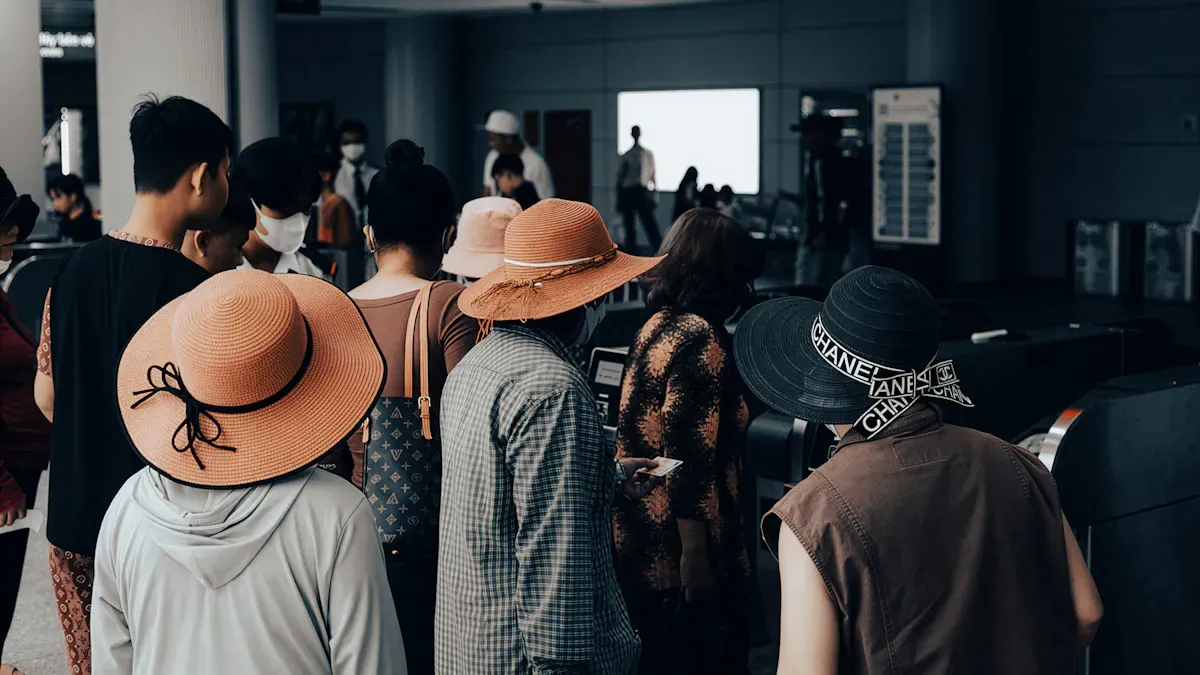
Passenger Volume Surges
Airports get very busy during certain times. These busy times happen on holidays, school breaks, and special events. When more people travel, airport stores get crowded fast. This can make lines form in places you do not expect. For example, Dallas Fort Worth International Airport had 4.7 million travelers in March. Stores have to help more families, first-time flyers, and groups. These travelers need more help and take longer at checkout. The longest waits are in the early morning and late afternoon. Big airports have the longest lines during these busy times. Heavy bags and big groups slow down the lines and make them longer.
Busy events change what people need, causing bottlenecks.
More families and new flyers make checkout slower.
Big airports have the longest lines when it is busy.
Staffing and Scheduling Issues
Not enough workers make lines move slowly. When there are too few staff, people wait longer. In the past, government shutdowns made TSA lines longer. Some staff did not get paid and missed work, which made things worse. These problems are not just in security lines. Airport stores also have trouble if they cannot get enough workers. Bad schedules mean too many workers when it is slow and not enough when it is busy. This wastes money and makes customers upset.
Not enough staff means longer lines and slow service.
Bad schedules waste money and make travelers unhappy.
Outdated Processes and Tech
Many airport stores still use old tools and systems. These old ways make checkout slow and hard during busy times. Old point-of-sale systems do not work well with new payments. Small aisles and crowded checkouts make things worse. Staff who do not talk well with each other cause more delays. If stores do not get better tech or fix their layouts, lines get longer and customers get upset.
Note: Fixing these main problems is important for shorter lines and better sales and happier customers.
Reducing Queues: Solutions
Queue Management Systems (QMS)
Queue Management Systems help airport stores watch lines as they happen. These systems use sensors and software to see how long lines are. Staff can act fast when there are problems and move workers where they are needed most. QMS connects with flight data APIs, so stores know when it will be busy. Operators can keep track of how long people wait and check if they meet service goals. This helps people be on time and miss fewer flights.
Benefit | Impact |
|---|---|
Makes passengers happier and follows rules | |
Respond to disruptions | Shows what crowds are doing right now |
Integrate with flight data APIs | Changes staff plans when more people come |
Support SLA compliance | Keeps records of wait times and checks service goals |
Improves punctuality | Helps people catch their flights |
Supports data-driven staffing | Makes line management better |
A single line system can make lines move 30% faster. Stores using QMS have fewer people leaving the line, up to 96% less. Customers can hold their spot in line on their phone and walk around the airport. This means they spend more money and enjoy their trip more.
Using a Queue Management System made wait times 40% shorter at some airports.
Dynamic queue analytics cut wait times by 28% at big places, showing airports can do the same.
Self-Checkout and Automation
Self-checkout and automation make paying faster and easier. Shoppers want things to be quick and simple. Stores with self-service kiosks keep lines moving well. Self-checkout makes lines shorter and stops them from getting too long. This helps more people buy things and raises sales.
Impact on Queue Lengths | Impact on Sales Conversion Rates |
|---|---|
Makes waits shorter | More people buy things |
Stops long lines | Stores sell more |
Makes checkout faster | Customers are happier |
Seattle-Tacoma International Airport uses Virtual Queuing for security. Passengers pick a time to go through, so busy times are 25% less crowded. Ninety-four percent of people say they are happy or very happy with this. Sixty-three percent spend more time shopping and eating because they do not wait as long. Automation helps stores sell more during busy times.
Tip: Staff should watch self-checkout stations to stop problems and keep things running well.
Real-Time Monitoring and Analytics
Real-time monitoring and analytics give stores live updates on lines and wait times. Alerts tell staff when lines get crowded, so they can help right away. Looking at live and old data helps plan how many workers are needed. This makes lines shorter and stores run better.
Watching lines in real time helps stores do better.
Alerts help staff fix crowded lines fast.
Good planning means shorter waits and happier shoppers.
Space Optimization and Signage
Changing store layouts and using signs helps control crowds and stops jams. Magnetic stanchion grids make strong and flexible lines. Electronic queuing and digital signs send people to less busy spots. Nice-looking signs make the store look better and help move people.
Evidence Type | Description |
|---|---|
Magnetic Stanchion Grid Layout | Makes strong, flexible lines that move people and stop crowding. |
Electronic Queuing / Digital Signage | Sends people to less busy areas and balances service, making waits shorter. |
Visual Appeal | Makes the store look nice and helps control crowds, stopping jams. |
Seattle-Tacoma International Airport uses digital signs to give real-time info. Dallas/Fort Worth International Airport marks clear ways in and out to help people move. Orlando International Airport uses signs to show wait times, so people feel less worried and confused.
Use signs to show people where to go.
Mark entry and exit points to help people move.
Use signs to tell people how long they will wait.
Staff Training and Dynamic Deployment
Staff training teaches workers to talk clearly, be kind, and work better. Well-trained staff tell people how long they will wait and what to do. Being kind helps staff understand and help travelers in line. Better ways of working make things faster for everyone.
Dynamic staff deployment means stores move workers to busy spots when needed. Staff can go where lines are long, so waits get shorter. Stores watch lines and send more workers if needed. This stops long waits and makes shopping better.
Training staff to talk and be kind makes customers happier.
Moving staff to busy spots keeps waits short and shopping fun.
Note: Using all these ideas together is important for shorter lines, more sales, and happy customers in airport stores.
Action Plan for Operators
Assess Current Queues
Airport operators need to learn how lines start and move. They should collect data from sensors, flight schedules, check-in records, and gate logs. This helps them see when and where lines get busy. They can use old data to teach computers to guess when lines will be long. Real-time alerts tell staff when lines are too long so they can help fast. Operators should check if their guesses are right and change their plans if needed. This way, they can find problems early and make smart choices.
Prioritize Quick Wins
Operators can make things better fast by doing simple things. They should plan space for lines so shopping areas stay clear. Retractable stanchions help change line length when more people come. Clear signs show travelers where to stand in line. Digital queue systems and self-service kiosks make service faster. Digital signs tell customers how long they will wait and where to go. Operators should ask for feedback to see what works and what needs fixing.
Invest in Long-Term Upgrades
Spending money on new tech helps for a long time. Queue management systems and self-service kiosks with AI make lines shorter and sales higher. Digital twins let staff watch lines live and guess what will happen next. IoT and AR/VR tools help stores work better and make travelers happier. RFID baggage handling means fewer mistakes and more trust. For example, airports with AI kiosks have faster check-ins and happier customers.
Technology Investment | Impact on Queues and Revenue |
|---|---|
Queue Management Systems | Faster passenger flow, higher spending |
Self-Service Kiosks with AI | More self-service use, happier customers |
Digital Twins | Better monitoring, higher revenue |
IoT and AR/VR | Smoother operations, improved experience |
RFID Baggage Handling | Fewer errors, more trust, increased spending |
Monitor and Improve Continuously
Always checking and making things better keeps lines short and sales strong. Staff should watch line length and wait times as they happen. Predictive analytics help plan how many workers are needed before lines get long. Staff can move to busy spots quickly when needed. Real-time updates and clear signs help travelers feel less stressed and keep lines moving. Operators should track wait times, customer happiness, and feedback to see how they are doing. They should change their plans when the airport or travelers need something new.
Tip: Checking and updating plans often helps operators handle new problems and keep travelers happy.
Good queue management helps airport stores make more money. If operators wait to fix lines, they can lose money and hurt their brand. They also waste money on ads that do not work. New research shows some ways work best. These include virtual queuing, moving passengers to other lines, and using reservation systems. Tools like CCTV analytics and virtual queue systems help lines move faster and make customers happier.
Strategy | Benefit |
|---|---|
Virtual Queuing | Shorter lines, happier guests |
Passenger Reassignment | Faster flow, less waiting |
Reservation Systems | Better planning, smoother ops |
Airport and transit operators need to act soon. Making lines shorter will help them earn more and keep customers happy.
FAQ
What is a Queue Management System (QMS)?
A Queue Management System uses sensors and software to track line lengths. Staff can see real-time data and adjust resources. Stores improve customer flow and reduce wait times.
How does self-checkout help reduce queues?
Self-checkout lets customers scan and pay for items themselves. This speeds up the process and keeps lines shorter. Stores can serve more people during busy hours.
Why do airport stores have long lines during peak times?
Passenger surges happen during holidays and events. More travelers need help at checkout. Staff may not be ready for sudden crowds. Lines grow quickly when stores cannot adjust.
What are quick ways to make lines shorter?
Use clear signs to guide customers.
Add self-service kiosks.
Move staff to busy spots.
Tip: Small changes can make a big difference in wait times.
See Also
Upcoming Changes To Walmart Self-Checkout In The Year 2025
The Future Of Retail Lies In AI-Driven Stores
Cloudpick’s Role In Delivering Cashier-Free Shopping Experiences
Tracing The Development And Growth Of Self-Checkout Systems
Identifying And Fixing Cash Mistakes For Seamless Self-Checkout
