Reducing queues in airport stores

You know how annoying long lines can be. Reducing queues in airport stores is very important. If you wait too long, you feel less happy. Stores make less money, and airport workers have a hard time. Studies say 79% of travelers want shorter waits. If you want a better customer experience, you need smart plans focused on reducing queues. These plans use new technology, better store layouts, and good staff help. Science-based ideas help you make passengers happier and improve their experience at every step.
Statistic | Percentage |
|---|---|
Travelers wanting less queues | 79% |
Key Takeaways
Most travelers want to wait less. Smart queue management can make customers happier.
Self-service kiosks help people check in and out faster. This makes lines shorter and shopping better.
Virtual queuing lets passengers wait while shopping. It can make wait times feel shorter by almost half.
Real-time monitoring tools help staff manage lines well. They warn workers about long lines so they can fix them fast.
Good layouts and clear signs help passengers move easily. This stops confusion and keeps customers moving smoothly.
Causes of Long Queues
Peak Times and Passenger Surges
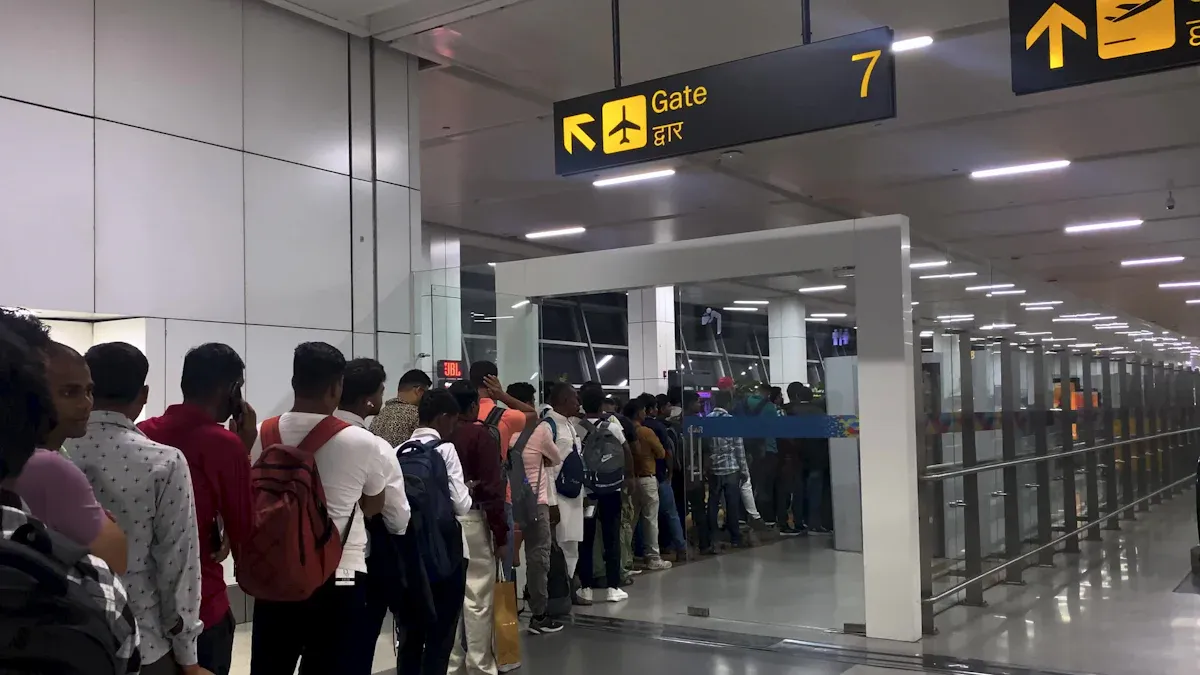
Airports get very busy during holidays or before big flights. Many people show up at the same time. This makes lines longer and people get upset. To fix this, you need to know how passengers move. You can find where lines get stuck and use airport queue management to help. Security checks and immigration slow things down even more. Lines get longer fast when it is busy. Good queue management helps control these crowds and keeps people happy.
More people at once means more crowding.
Security and immigration make lines slower.
Finding stuck spots helps with queue management.
Inefficient Checkout Processes
Waiting in a slow line at check-in or the register is not fun. If checkout takes too long, the line grows. Sometimes, old systems or confusing payments make it worse. This makes people wait even longer. Using smart queue management can make check-in and checkout faster. Digital tools also help with queue management. This keeps lines short and customers happy. Fast check-in and checkout means less stress for everyone.
Staffing and Resource Gaps
If there are not enough workers at check-in or the register, lines get longer. Sometimes only one person works while the line grows. Not enough staff makes queue management hard. Sometimes, systems do not share information, so things get mixed up. This makes airport queue management harder. Self-service and smart queue management can help fill these gaps. Long lines can make passengers tired and stressed. When people wait longer, they shop less. Good queue management and airport queue management stop these problems and keep customers happy.
Tip: Use smart queue management and self-service to make lines shorter and improve queue management.
Technology for Reducing Queues
You want to move fast in airport stores. Long queues are not fun. Smart technology helps you skip the wait and shop easily. Let’s see how new tools make queue management better for you and airport stores.
Autonomous and Self-Checkout
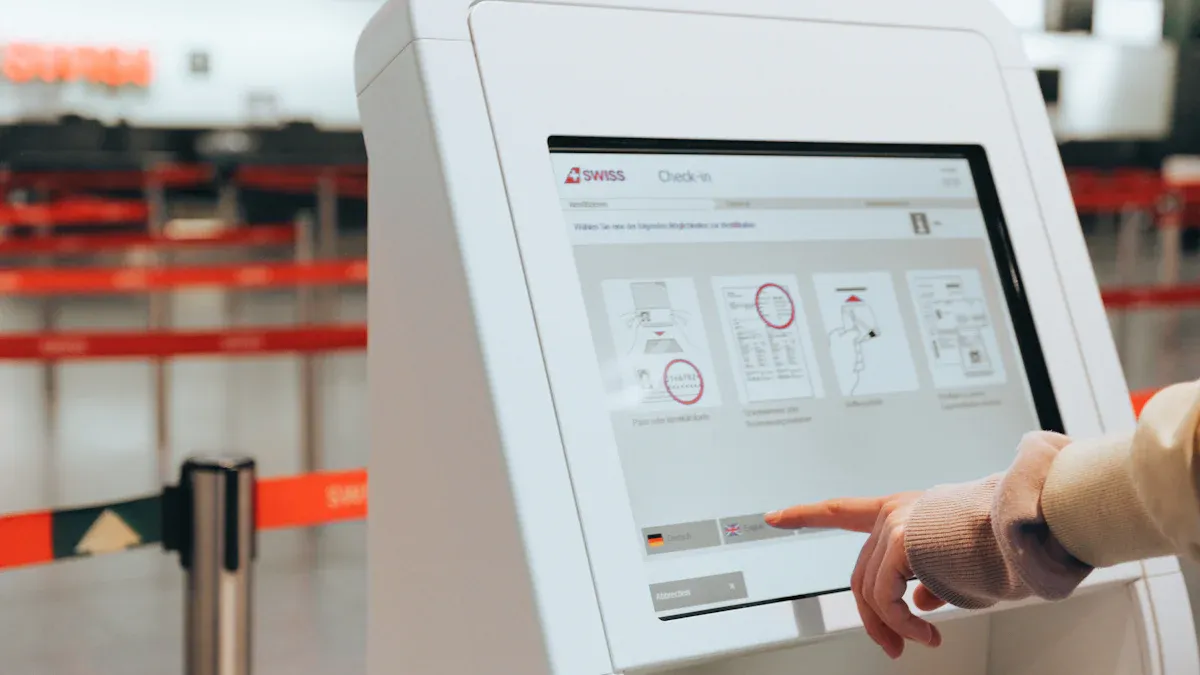
Self-service kiosks are in many airports now. These machines let you check in and print your boarding pass. You can also tag your luggage without waiting for help. Just tap the screen and follow the steps. This makes the queue much shorter. Staff can help people who need extra support. You get through the line faster and feel less stressed.
Self-service kiosks make check-in and checkout faster.
You can do things yourself, so you do not need a cashier.
Staff can help more customers with special needs.
In the United States, airlines say 90% of passengers use self-service for check-in. People like these options because they save time. You get to your gate faster and have more time to shop or relax.
Here’s how self-checkout helps you and the store:
Aspect | Description |
|---|---|
Operational Efficiency | Cuts wait times and means stores need fewer staff, so workers can focus on service. |
Enhanced Customer Experience | Makes shopping easy and quick, so you feel happy and want to come back. |
Faster Transactions | Lets you finish shopping fast, so you do not wait long. |
Reducing Human Dependency | Stores do not need as many cashiers, so lines do not get stuck during busy times. |
You have a better time shopping. The store works better. Queue management is easier with self-service kiosks.
Virtual Queuing Systems
You do not have to stand in a line anymore. Virtual queuing systems let you join a line with your phone or a kiosk. You get a message when it is your turn. You can shop, eat, or relax while you wait. Airports use these systems to make queue management smarter and more flexible.
Airports are using virtual queuing systems more and more. Big airports use them to keep things moving. Smaller airports are starting to use them too. They want to be modern and give you a better experience.
Virtual queuing systems help a lot:
They can cut average wait times by 35-40% with better resource management.
During busy times, they manage customer flow 60% better.
You feel like you wait less—perceived wait times drop by up to 41%.
Less crowding means a 67% improvement in health and safety.
You have more freedom. You do not have to stand in a long queue. Queue management is easier for everyone.
Digital Tools and Real-Time Monitoring
You want to know how long you will wait. Digital tools show you real-time information about queues. Stores use sensors and AI cloud software to count people in line. Managers get alerts if a queue gets too long. They can send more staff or open another self-service kiosk right away.
Here are some tools that help with real-time queue management:
Feature | Description |
|---|---|
AI Cloud Software | Helps managers see what is happening and act fast for queue management. |
People Movement Sensors | Finds where lines are forming and how people move in busy places. |
Real-time Insight | Gives alerts about wait time, how full the store is, and how many kiosks are used. |
Open API Platform | Lets stores share live wait time data on websites and apps. |
Feature | Description |
|---|---|
Sensor Technology | Watches how passengers move and shows real-time data like wait time and service speed. |
Real-time Alerts | Sends messages to managers so they can fix problems fast. |
Custom Reports and Dashboards | Gives useful data to make service and customer flow better. |
Feature | Description |
|---|---|
Makes service faster and gives passengers a better experience. | |
Real-time Wait Times | Shows current wait times to passengers. |
Historical Reports | Gives ideas for making service and customer flow better. |
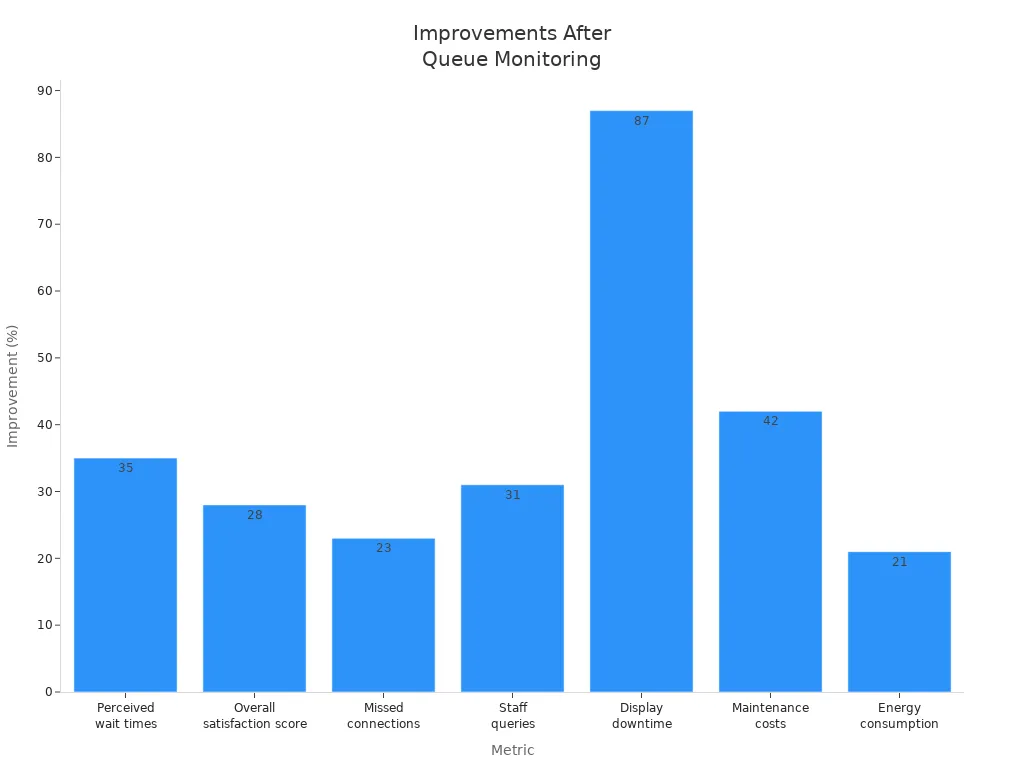
When airport stores use real-time queue management, things get much better:
Metric | Improvement | Impact |
|---|---|---|
Perceived wait times | 35% reduction | Passengers feel happier |
Overall satisfaction score | 28% increase | The airport gets a better reputation |
Missed connections | 23% reduction | Passengers move through the airport better |
Staff queries | 31% decrease | Stores save money on staff costs |
Display downtime | 87% reduction | Passengers always see up-to-date information |
Maintenance costs | 42% decrease | Stores save money on repairs |
Energy consumption | 21% reduction | The airport uses less energy |
You get real-time updates about queues. You know when to go to the counter. Staff can fix problems before they get big. Queue management is smarter and faster.
Tip: Look for stores with self-service kiosks and real-time screens. You will spend less time in a queue and have more time to enjoy your trip.
Queue Management Strategies
You want to move through the airport quickly. Good queue management helps you do that. When you walk into a store, you notice how the line moves. Smart queue management makes the flow smooth and keeps you happy. Let’s look at some strategies that really work.
Structured Queues and Stanchion Layouts
You see ropes and barriers in many airport stores. These help organize the queue and keep the flow steady. Stores use structured layouts to guide you where to stand. This makes queue management easier for everyone. You feel less confused, and the line moves faster. Here’s how different strategies help with queue management and flow:
Strategy | Description |
|---|---|
Spatial Segmentation | Barriers create lanes for different passengers, improving flow. |
Perceived Fairness | Clear signs and splits make the queue feel fair for every customer. |
Behavioral Cues | The layout guides you, so you know where to go and the flow stays smooth. |
When you see clear signs and lanes, you know where to stand. This reduces stress and keeps passenger flow steady.
Automated Call Forward Systems
You might hear a voice or see a screen telling you which counter to go to. That’s an automated call forward system. This tool helps with queue management by sending you to the right spot fast. You don’t have to guess or wait for someone to call you. The system gives real-time updates and keeps the flow moving. Here’s what these systems do for queue management:
They direct you to the next open desk, so you don’t waste time.
You see or hear updates, which keeps you engaged and ready.
Sometimes, screens show ads or deals, which can make you want to shop more.
Automated call forward systems can reduce queue times by 30%. Stores see almost double the profit because the flow is better. Staff can help more customers, especially during busy hours.
Benefit | Impact |
|---|---|
Reduce Wait Times | By 30% |
Increase Profitability | By 96% |
Improve Staff Use | Staff can help more people at busy times |
Smart Queue Design Principles
You want the queue to move, not stand still. Smart queue management uses science to keep the flow going. Stores use computer models to spot where crowds might form. They study how you act when you wait. They add mirrors, videos, or fun displays to make the wait feel shorter. Here are some smart ideas for queue management:
Space syntax modeling finds slow spots and helps fix them.
Behavioral mapping shows how you move and feel in the queue.
Fun displays or screens make the wait seem shorter.
With these smart queue management tools, you feel less bored. The flow stays strong, and you get better service. Stores use data to improve queue management and make sure every customer has a good experience. When queue management works, agents help more people, and you leave the airport store happy.
Tip: Look for stores with clear lanes, call forward systems, and fun displays. You’ll notice the queue moves faster, and the flow feels easy.
Enhancing Passenger Experience
Store Layout and Signage
When you walk into an airport store, clear signs help you. A smart layout makes it easy to know where to go. LED signs and digital displays show you the right place to stand. These tools tell you how long you might wait. You can pick the fastest lane by looking at the screens. The screens also show news and updates. This makes waiting feel shorter. Good queue management can make your wait feel 35% less. You feel calm and know what is happening.
Strategy | Impact on Perceived Wait Times |
|---|---|
Use of LED signs | Reduces perceived wait times by up to 35% |
Digital displays for entertainment | Engages passengers during wait times |
Queue management screens | Provides live wait times and directs passengers |
Digital signs do more than just give information. They keep you busy and tell you what is going on. You feel better because you know what to expect. Queue management works better, and everyone gets good service.
Fast Lanes and Express Options
You want to move quickly if you have a short time. Fast lanes and express options help you skip long lines. Stores use express checkout lanes to cut down busy crowds by half. Your wait time drops from eight minutes to less than four. Real-time queue management and pickup lanes keep things moving. You get through the line faster and feel better about your trip.
Express checkout lanes make lines shorter.
Pickup lanes help you find your spot.
Real-time queue management keeps lines moving.
When you see a fast lane, you know you will not wait long. Your trip feels smooth, and you have more time to enjoy the airport.
Staff Training for Speed and Service
You can tell when staff are well trained. Good training means better queue management and faster help. Stores use digital training so workers can learn anywhere. All staff get the same training, so service is always good. Training teaches staff to sell quickly and talk to every passenger. This helps you get answers fast and friendly service.
Training Method | Benefits |
|---|---|
Digital Training Platform | Accessible on mobile devices, allows for seamless training across multiple locations. |
Standardized and Consistent Training | Ensures all employees receive the same training, improving service quality and passenger satisfaction. |
Training on a Vast Range of Topics | Covers essential skills like time-efficient selling and customer interaction, enhancing overall service. |
You get better service when staff know how to manage the line. Your trip is better, and you leave the store happy. Good queue management, smart layouts, and trained staff all work together to give you great service.
Success Stories and Best Practices
Case Study: Major Airport Retailer
You might wonder how a big airport store handles long lines. Let’s look at a real example. One major retailer at a busy international airport faced huge crowds every day. Passengers rushed in before flights. The store wanted to make the queue shorter and improve the shopping experience.
First, the store added self-service kiosks. You could scan your items and pay without waiting for a cashier. This made the queue move much faster. The store also used digital queue management tools. These tools showed you how long you might wait and let you join the queue with your phone. Staff watched real-time data and opened new registers when lines got long. Passengers felt less stressed and spent more time shopping. The store saw sales go up and got better reviews from travelers.
You can see how smart queue management and technology can change your airport experience. You spend less time waiting and more time enjoying your trip.
Lessons from Retail and Hospitality
Airport stores learn a lot from other industries. Retail and hospitality have used smart queue management for years. You see these best practices in many airports now. They help you move through the queue quickly and make your experience better.
Here are some top practices you might notice:
Practice | Description |
|---|---|
Digital Queue Management | Lets you manage your spot in line with your phone or a kiosk. |
Self-Service Kiosks | You can check out by yourself, which makes the queue shorter. |
Proactive Communication | Staff and screens keep you updated about your wait and the queue status. |
Accurate Wait Time Management | You see real-time updates on how long you will wait. |
Digital Signage | Screens show queue info and instructions to help you move faster. |
Virtual Queuing | You can join a queue from anywhere and get a message when it’s your turn. |
Online Appointment Scheduling | You book a time to shop or get service, so you skip the line. |
You notice these tools make queue management smoother. They help staff and passengers work together. Your airport experience feels easy and stress-free. When stores use these best practices, you get better service and spend less time in a queue.
You can make your airport visit smoother by looking for stores that use smart queue solutions. When you see clear signs, self-checkout, and real-time updates, you know the airport cares about your time. Stores that check passenger flow, train staff, and use new technology keep the queue short and your mood high. Here’s how success looks:
Metric | What It Means for You |
|---|---|
Less time in the queue | |
Friendly, fast help | |
More Shopping Time | Enjoy the airport experience |
Keep an eye out for new ideas. When airports keep improving, you get a better trip every time.
FAQ
How can I avoid long lines at the airport store?
You can use self-checkout kiosks or join a virtual queue. Many airport stores now let you scan items yourself. Look for signs that show wait times. Ask staff for the fastest option.
Do all airport stores have self-service options?
Not every airport store has self-service yet. Big airports usually offer kiosks and digital tools. Smaller airports may still use regular checkout. You can check the store’s signs or ask a worker.
What should I do if I am in a hurry at the airport?
Pick the express lane if you see one. Many airport stores have fast lanes for travelers in a rush. You can also use mobile payment to save time. Ask staff for help if you need it.
How do airport stores keep lines moving during busy times?
Airport stores use digital queue management, real-time monitoring, and trained staff. These tools help move people quickly. You will see clear signs and sometimes get updates on your phone.
Can I check wait times before I visit an airport store?
Some airport stores show live wait times on screens or apps. You can look for digital displays near the entrance. Ask staff if you do not see any information.
See Also
Enhancing Office Efficiency Through Innovative Vending Machines
Discovering Cashier-Free Shopping Experiences with Cloudpick
A Journey Through the Development of Self-Checkout Systems
Common Self-Checkout Mistakes Encountered at Walmart Stores
Addressing Cash Issues in Self-Checkout for Seamless Payments
