Regulatory and compliance considerations for autonomous retail in convenience store chains & small-format grocery

You face unique regulatory considerations when you run autonomous retail in convenience stores or small-format grocery shops. Smaller businesses often struggle with limited space and financial resources, while larger chains have more support to manage compliance. You might find it hard to interpret location restrictions or keep up with delayed guidance from regulatory agencies. Non-compliance can bring heavy fines, legal trouble, and harm your reputation. A single data breach can make customers lose trust and shop elsewhere.
Many small businesses find regulations unfair compared to larger franchises.
Delays in official guidance can slow down your implementation process.
Weak enforcement may shift your compliance priorities.
Fines, like the $6.85 million penalty from Premera Blue Cross, show the high cost of ignoring data rules.
Customers trust you when you protect their data and follow regulations.
Key Takeaways
Understand the specific licenses and permits required for each product category in your store to avoid fines and legal issues.
Stay informed about local and state regulations, as they can vary significantly and impact your business operations.
Implement strong data privacy measures to protect customer information and comply with laws, reducing the risk of costly breaches.
Train your staff regularly on compliance policies and customer service to build a culture of trust and safety in your store.
Conduct regular audits to ensure compliance with safety, labor, and data protection regulations, helping you avoid penalties and maintain a good reputation.
Regulatory considerations for autonomous retail
Licensing and permits
You must secure the right licenses and permits before you launch autonomous retail in your convenience store or small-format grocery. These requirements help you follow the law and protect your business from fines. You need to understand that each product category in your store, such as tobacco, food service, packaged beverages, beer, and candy, comes with its own set of rules. You cannot ignore these rules because they affect your ability to sell these items.
Tip: Start by making a checklist of all products you plan to sell. This helps you identify which licenses and permits you need.
Here are some common licensing and permit requirements you may face:
Food service permits for selling prepared foods.
Tobacco licenses for selling cigarettes or other tobacco products.
Alcohol permits for beer, wine, or spirits.
Health department approvals for safe food handling.
General business licenses from your city or county.
You must work with several agencies to get these permits. Sometimes, you need to apply at the federal, state, and local levels. Each agency may have different forms and fees. You should keep copies of all your permits and check their expiration dates often. If you miss a renewal, you risk losing your ability to sell certain products.
Regulatory considerations also include making sure your store meets safety codes. Inspectors may visit your store to check if you follow health and safety rules. You should prepare for these visits by keeping your store clean and organized.
Local and state variations
Regulatory considerations change depending on where your store is located. Each state has its own laws for retail food businesses. Some cities have extra rules that you must follow. You cannot assume that rules in one place will be the same in another.
For example, you may need different permits for selling alcohol in one state compared to another. Some states require special training for staff who sell tobacco or alcohol. You may also need to follow local zoning laws that control where you can open your store.
In some states, you must get approval from both the state and the city before you sell certain products.
Local health departments may have stricter rules for food safety.
Some areas limit the hours when you can sell alcohol or tobacco.
You should contact your local and state agencies to learn about these rules. Ask questions and keep notes about what you learn. If you plan to open stores in more than one location, you must research the rules for each area. This helps you avoid mistakes and keeps your business safe from fines.
Note: Laws can change quickly. You should review your permits and local rules every year to stay up to date.
Regulatory considerations for autonomous retail require careful planning and regular checks. You build trust with your customers when you follow the rules. You also protect your business from costly penalties.
Consumer protection and data compliance
Transparent pricing and checkout
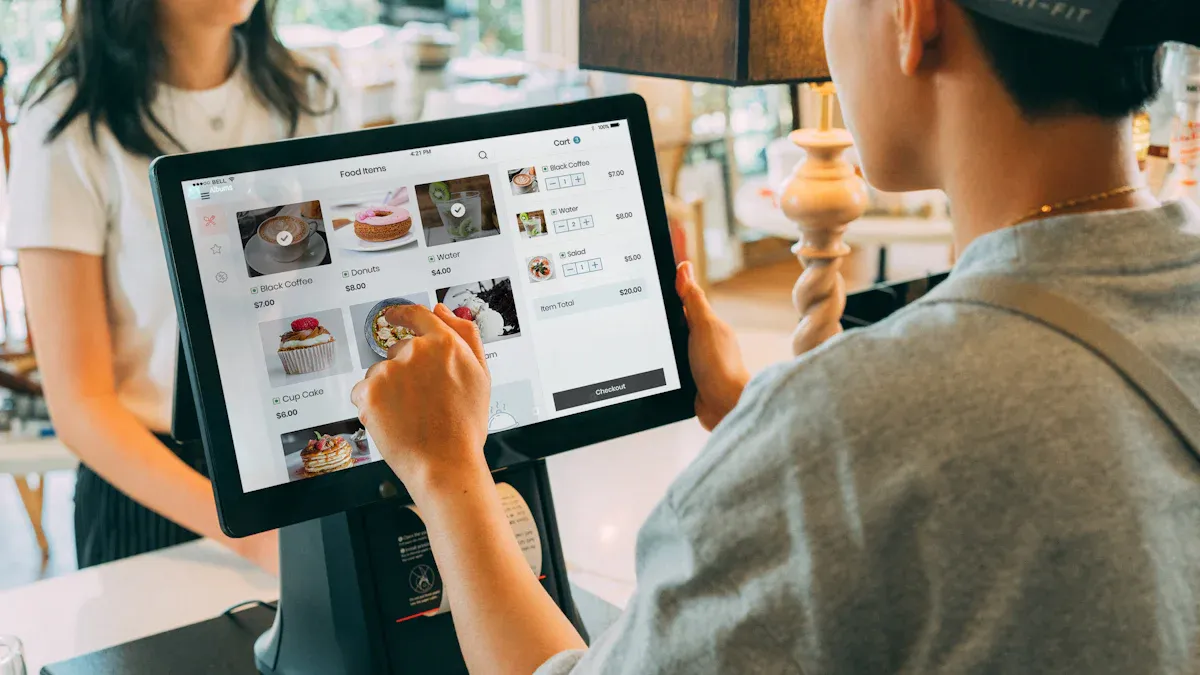
You need to make sure your store shows clear prices and charges customers the correct amount. Many states have strict rules about pricing. For example, New Jersey requires you to mark the total selling price on every item. Connecticut says you must charge the lowest price shown, whether it is advertised, posted, or labeled. Michigan gives customers a bonus if you overcharge them. Canada lets shoppers get a free item up to $10 if you make a mistake. North Carolina can fine you up to $5,000 for each pricing error.
State | Requirement | Consequence |
|---|---|---|
New Jersey | Clearly mark total selling price on items | Fines of $50-$100 per violation |
Connecticut | Charge the lowest advertised, posted, or labeled price | Refund or $20, whichever is greater |
Michigan | 10x bonus for overcharges | Bonus owed beyond the overcharge |
Canada | “Free item rule” for overcharges up to $10 | Shoppers get a free item |
North Carolina | Fines up to $5,000 per violation | Significant penalties for pricing missteps |
Regulatory considerations for pricing help you avoid fines and build trust with your customers.
Handling complaints and disputes
You must handle customer complaints quickly and fairly. Train your staff to listen and show empathy. Create clear policies so customers know how you solve problems. Use a system to track complaints and make sure you follow up. Good complaint handling includes:
Listening to the customer’s issue
Showing understanding and compassion
Solving the problem fast
Keeping records of complaints and resolutions
Following up to check satisfaction
Tip: Give customers choices for how you resolve their complaint. Take action right away and keep them updated.
Regular audits help you find and fix problems before they grow. Work with experts and regulatory bodies if you operate in different countries.
Data privacy and cybersecurity
Protecting customer data is very important in autonomous retail. You must follow privacy laws and limit how much data you collect. Use clear policies and train your team to spot suspicious activity. Hold monthly sessions to teach staff about new threats. Create playbooks for handling customer data. If you break privacy rules, you can face big fines. Amazon paid $888 million for tracking users without consent. Easylife and REWE International also faced large penalties for privacy violations.
Data breaches in retail cost an average of $4.88 million per incident.
Companies with poor compliance lose much more money from breaches.
Conduct privacy impact assessments to find and fix gaps in your data protection.
Regulatory considerations for data privacy keep your business safe and protect your customers.
Labor laws and workplace safety

Workforce automation and employee rights
You must understand how automation changes the workplace. Robots and AI systems can take over tasks that people used to do. This shift affects employee rights and job security. Unions have worked to protect workers from losing jobs to machines. For example, agreements like the Modernization and Mechanization Agreement for longshoremen helped workers keep their rights during big changes.
Evidence Type | Description |
|---|---|
Collective Bargaining | Unions use agreements to protect workers from automation. |
Legal Ambiguity | Laws do not always say if you can replace striking workers with machines. |
Union Protections | Unions now fight for rules against AI replacing jobs without fair reasons. |
You should take steps to protect your team.
Conduct AI impact assessments to see how new technology affects jobs.
Give workers clear notice before using algorithmic management systems.
Avoid tools that break labor laws or profile workers unfairly.
Tip: Talk with your staff about changes. Listen to their concerns and explain how automation will work in your store.
Wage, hour, and OSHA compliance
You must follow wage and hour laws, even when you use automation. Workers need fair pay and safe schedules. Some cities require you to post salary ranges in job ads. You also need to keep records of work schedules and changes.
Legal Consideration | Description |
|---|---|
OSHA Inspection Policies | Update your policies so managers know what to do during safety inspections. |
Fair Workweek Laws | Give workers advance notice of schedules and track any changes. |
Salary Disclosure Mandates | Share salary ranges in job postings and keep them updated. |
You must keep your store safe for everyone. OSHA rules help you prevent accidents and injuries.
Train your team on safety procedures.
Check your store for hazards often.
Respond quickly to safety concerns.
Note: Regular audits help you find problems early. Fix issues before they lead to fines or injuries.
Industry-specific compliance
Age-restricted sales (alcohol, tobacco, lottery)
You must follow strict rules when you sell alcohol, tobacco, or lottery tickets. These products require you to check the age of every customer. You need to train your staff and use technology to help with age checks. The table below shows the main compliance steps:
Compliance Requirement | Description |
|---|---|
Age Verification Process | Set up a clear process for checking IDs and confirming age. |
Staff Training | Teach employees how to handle age-restricted items and verify age. |
Refusal Log | Keep a record of denied sales to show you follow the rules. |
Automated Systems | Use self-checkout prompts and age-gate popups to help with age checks. |
Tip: Review your refusal log often. This helps you spot problems and improve your process.
Payment systems and financial rules
You must protect customer payments and follow financial laws. Autonomous retail stores must meet rules like the Gramm-Leach-Bliley Act (GLBA) and the Bank Secrecy Act (BSA). These laws require you to keep customer data safe and report large cash transactions. You also need to prevent fraud and money laundering.
KYC (Know Your Customer): Link accounts to real identities.
AML (Anti-Money Laundering): Watch for suspicious money transfers.
PCI DSS: Protect cardholder data with strong security.
GLBA: Secure customer data and explain how you share it.
BSA: Report big cash transactions and any suspicious activity.
Protect cardholder data to meet PCI DSS rules.
Test your systems often to stay compliant.
Note: Regular system checks help you find risks before they become problems.
Food safety standards
You must keep food safe for your customers. Follow health codes and store food at the right temperature. Train your staff to wash hands and clean surfaces. Label food with expiration dates and check them often.
Store food at safe temperatures.
Clean equipment and surfaces every day.
Train staff on food safety rules.
Label and check expiration dates.
Tip: Post food safety reminders in your store. This helps everyone remember the rules.
Waste and supply chain compliance
Waste management (food, hazardous, recycling)
You must manage waste in your store to follow the law and protect the environment. Waste comes in many forms, such as food scraps, packaging, and hazardous materials. You need to sort and dispose of each type correctly. Food waste can turn into energy if you use special digesters. Hazardous waste, like chemicals or batteries, needs careful handling. Recycling helps you cut costs and reduce pollution.
The table below shows key waste management regulations you should know:
Regulation Type | Description |
|---|---|
Landfill Methane Emissions | You must follow EPA rules to lower methane from landfills. These rules make waste disposal safer and cleaner. |
PFAS | You need to watch for PFAS chemicals in your waste. Landfills must control these substances to protect water and soil. |
Food Waste | You can get grants or loans to install digesters. These machines turn food waste into energy and help you save money. |
Recycled Materials | EPA’s recycling strategy asks you to sort waste and keep recycling clean. This makes recycling more efficient. |
Tip: Set up clear bins for food, recycling, and hazardous waste. Teach your staff how to use them.
Supply chain regulations (DSCSA, FSMA, ESG)
You must track products from suppliers to your shelves. This helps you meet rules and keep customers safe. The DSCSA asks you to trace drugs and medical items. FSMA sets standards for food safety. ESG rules push you to care about the environment and social issues.
Many stores use special standards to follow these rules. Wegmans Food Markets uses GS1 and GDST standards for seafood. These standards help you share data and trace products. You can use a common language for data exchange. This makes your supply chain stronger and more transparent.
GS1 Standards help you track products and meet FSMA rules.
GDST standards improve seafood traceability.
Data sharing helps you follow DSCSA and ESG rules.
Traceability builds trust with your customers.
Note: Review your supply chain often. Make sure your partners follow the same rules.
Waste and supply chain compliance keeps your store safe and efficient. You protect your business and the planet when you follow these rules.
Operational challenges and risk management
Inventory and cost control
You face many challenges when you manage inventory and costs in autonomous retail. You must keep shelves stocked and respond quickly when demand changes. Technology helps you track products, but you need to build trust with customers and follow strict rules. Privacy laws require you to protect customer data at every step. The table below shows common challenges you may encounter:
Challenge Type | Description |
|---|---|
Requires quick responses to demand changes and maintaining stock levels. | |
Scalability and Complexity | Involves integrating technology and gaining consumer trust while adhering to regulations. |
Data Privacy Compliance | Necessitates strict adherence to privacy laws and regulations, including data protection measures. |
Tip: Use smart inventory systems to track products and spot problems early. This helps you avoid shortages and control costs.
Managing compliance risks (workplace, employee, illegal sales, data)
You must manage many risks in your store. You need to protect customer data and follow privacy rules like GDPR and PCI. You must check products for safety and keep quality high to prevent injuries. Accurate payroll records help you follow labor laws and avoid fines. Regular inspections keep your store safe and prevent accidents. You must also make sure your vendors use ethical practices. Here are some strategies you can use:
Follow data privacy rules to avoid breaches and penalties.
Check product safety and quality to prevent lawsuits.
Keep payroll records and follow labor laws.
Inspect your store often to keep it safe.
Make sure vendors follow ethical standards.
Note: Set up a checklist for these risks. Review it often to keep your store safe and compliant.
Role of industry associations (e.g., NACS)
Industry associations help you understand new rules and best practices. The National Association of Convenience Stores (NACS) reviews regulations for products like CBD and tobacco. NACS also focuses on rules for motor fuels and changes in healthcare laws that affect your employees. The table below shows how NACS supports you:
Compliance Area | Description |
|---|---|
CBD Retailing | NACS reviews regulations affecting CBD products, highlighting the lack of legal protection for retailers. |
Fuels Retailing | Focuses on regulations impacting the production and distribution of motor fuels, crucial for convenience stores. |
Health Care | Addresses changes in healthcare laws that affect employee benefits offered by retailers. |
Labor | Emphasizes the importance of labor regulations for convenience retailers. |
Tobacco | Discusses the stringent regulations surrounding tobacco products sold in convenience stores. |
Tip: Join industry groups like NACS to stay updated on rules and get support for your business.
Ongoing compliance best practices
Staff training and policy updates
You build a strong compliance culture when you invest in staff training. New employees learn your store’s policies during onboarding. You help your team improve customer service skills and sales techniques. You teach them about product features and benefits. Technology training prepares staff to use modern retail tools. Health and safety training keeps everyone safe at work. You offer ongoing learning opportunities through workshops and online courses.
Onboard new employees with clear policy introductions.
Focus on customer service and sales skills.
Build product knowledge for better service.
Train staff on new technology and safety protocols.
Encourage ongoing learning with workshops.
You should also measure training effectiveness. Set key performance indicators (KPIs) to track progress. Adapt your programs based on feedback from your team. Training on company policies and legal requirements helps employees understand rules about sales and customer privacy.
Tip: Update your policies often. Share changes with your team right away.
Regular audits and monitoring
You keep your store compliant by running regular audits. High-traffic stores need more frequent checks. Low-volume stores can audit quarterly or semiannually. A risk-based schedule helps you reduce loss incidents.
Audit Frequency | Purpose | Notes |
|---|---|---|
Monthly | Track merchandising, hygiene, POS accuracy | Essential for operational agility |
Quarterly | Assess financial controls, supplier performance | Balances short- and long-term needs |
Annual | Review strategic, financial, and compliance risks | Required for full oversight |
Audit frequency must match local and national rules. Some places require annual audits for labor safety or data protection. Missing these checks can lead to penalties and damage your reputation.
Consulting legal and compliance experts
You stay ahead of new regulations when you consult legal and compliance experts. These professionals help you interpret complex laws and update your policies. You can ask them to review your audit results and training programs. Experts guide you through changes in labor, privacy, and safety rules.
Note: Build a relationship with trusted advisors. They help you avoid costly mistakes and keep your store compliant.
You face many regulatory and compliance challenges in autonomous retail. You should build a compliance checklist and train your staff often. Regular reviews help you stay ahead of changing rules. Many companies see better results when they use automated training and custom reports to track progress. A strong compliance culture builds trust with your team and customers. You must protect consumer data and follow global laws like GDPR and CCPA. Advanced data governance keeps your business safe as you use AI in your store.
FAQ
What licenses do you need for autonomous retail stores?
You need business, food service, tobacco, and alcohol licenses. Check with your city and state for extra permits. Review your product list and contact local agencies to confirm requirements.
How do you protect customer data in autonomous retail?
You use strong passwords, limit data collection, and train staff on privacy rules. Regularly update your security systems. Run privacy impact assessments to find and fix risks.
What steps help you stay compliant with labor laws?
You keep accurate payroll records, train staff on safety, and follow wage rules. Post salary ranges in job ads. Audit your workplace often to prevent problems.
How do you handle age-restricted sales in autonomous stores?
You set up ID checks at checkout. Train staff to verify age. Use technology like self-checkout prompts and keep a refusal log for denied sales.
Why should you join industry associations like NACS?
You get updates on new laws, best practices, and support from other retailers. Associations help you understand complex rules and offer training resources.
See Also
AI-Driven Convenience Stores: Essential Insights for Retailers
Walgreens Self-Checkout: Balancing Convenience With Retail Challenges
Comparing Micromarkets and Smart Stores in Global Retail
