Regulatory considerations for autonomous retail in convenience store chains & small-format grocery.

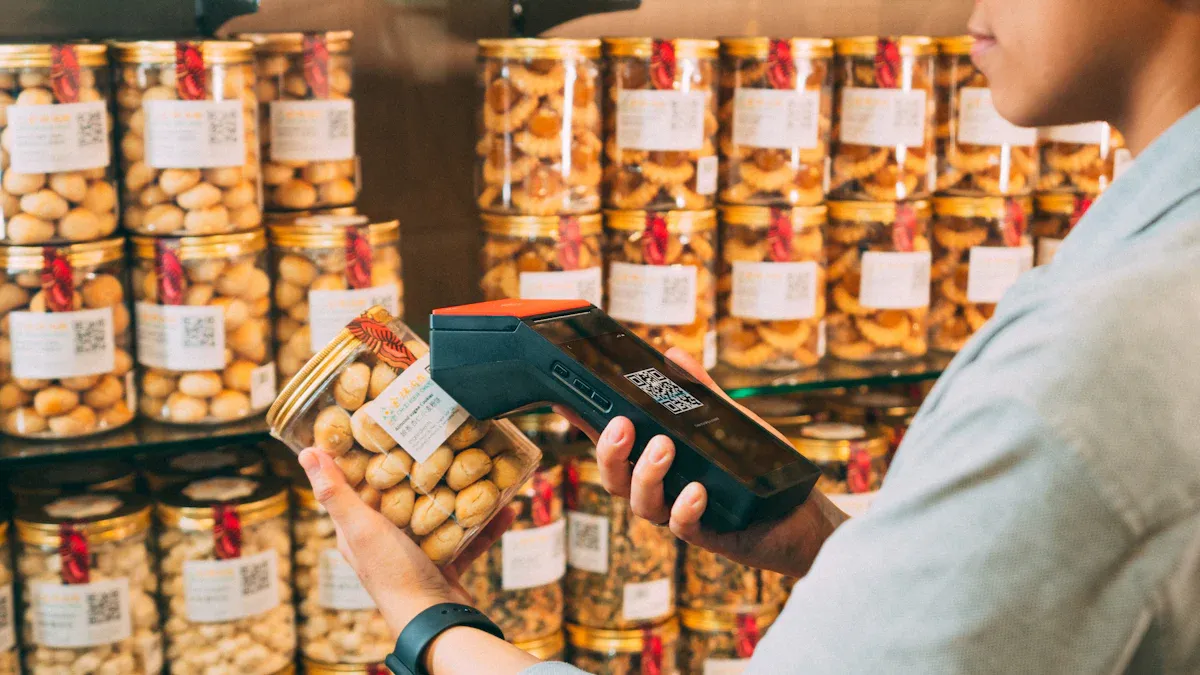
You must understand regulatory considerations before starting autonomous retail in convenience store chains or a small-format grocery. These operations face several regulatory challenges, such as:
Managing supply chain rules
Ensuring food safety
Following labor laws
Getting proper licenses and permits
Conducting audits and staff training
If you miss any step, you risk fines or business interruptions. Take time now to check your compliance status and make sure you meet every requirement.
Key Takeaways
Understand and secure all necessary licenses and permits before launching your autonomous retail store to avoid fines and business interruptions.
Stay compliant with data privacy laws by implementing strict measures to protect customer information and regularly updating your privacy policies.
Train your staff on labor laws and workplace safety regulations to ensure fair treatment of employees and a safe shopping environment.
Regularly conduct audits and reviews of your compliance practices to adapt to changing regulations and maintain operational integrity.
Implement transparent pricing and clear dispute resolution processes to build customer trust and ensure compliance with consumer protection laws.
Licensing & Permits

Before you launch autonomous retail in a convenience store or small-format grocery, you must secure the right licenses and permits. These documents show that your business meets regulatory standards and follows local and state regulations. Missing a license or permit can lead to fines or even closure. Many businesses do not realize they lack proper compliance until it is too late.
Local and State Requirements
You need to check local and state regulations before opening your autonomous store. Each city and state has its own rules for licenses and permits. Some common requirements include:
License Type | Description |
|---|---|
Department of revenue registration, sales tax permits, workers’ compensation filings. | |
Regulatory permits | Needed for industries like food, construction, and transportation. |
Local licenses and filings | DBA registration, business privilege licenses, local health and fire permits. |
Professional licenses | Issued for specific jobs, showing you have the needed skills or training. |
Tip: Noncompliance with local and state regulations can result in penalties. Always double-check your licenses and permits.
Zoning and Land Use
You must confirm that your store location fits zoning and land use rules. Zoning laws decide where you can run a retail business. Some areas do not allow retail or have limits on store size and hours. Check with your city planning office to make sure your autonomous retail store meets all zoning requirements.
Technology-Specific Licensing
Autonomous retail uses new technology, so you may need extra licenses and permits. For example, if you sell food, tobacco, or alcohol, you need special permits. The table below shows some common permits for small-format grocery and convenience stores:
Permit Type | Description |
|---|---|
Needed for selling prepared foods. | |
Tobacco licenses | Required for selling cigarettes or tobacco. |
Alcohol permits | Needed for selling beer, wine, or spirits. |
Health department approvals | Ensures safe food handling. |
General business licenses | Required from local city or county authorities. |
You must review all technology-specific licenses and permits before you open. This step helps you avoid regulatory problems and supports compliance for your autonomous store.
Regulatory Considerations for Data & Consumer Protection

You must pay close attention to regulatory considerations for data and consumer protection when you operate an autonomous retail store. These rules protect your customers and help you avoid legal trouble. You need to follow local, state, and federal regulations. If you ignore these requirements, you risk fines and damage to your reputation.
Data Privacy Compliance
You collect a lot of customer data in autonomous retail. This includes payment information, shopping habits, and sometimes even video or audio recordings. You must follow strict data privacy measures to keep this information safe. Many laws affect how you handle customer data. The table below shows some of the most important data privacy regulations in the United States:
Regulation | Description |
|---|---|
Federal Trade Commission (FTC) | Governs data privacy at the federal level. |
California Consumer Privacy Act (CCPA) | A leading state-level regulation that enhances privacy rights and consumer protection. |
Virginia and Colorado Laws | New privacy laws coming into effect in 2023. |
California Privacy Rights Act | Additional privacy rights coming into effect in 2023. |
Privacy Act of 1974 | Established fair information practices for PII. |
Health Insurance Portability and Accountability Act (HIPAA) | Protects health information privacy. |
Gramm-Leach-Bliley Act (GLBA) | Addresses consumer financial privacy. |
Children's Online Privacy Protection Act (COPPA) | Protects children's online privacy. |
Driver's Privacy Protection Act (DPPA) | Governs privacy of motor vehicle records. |
Video Privacy Protection Act (VPPA) | Restricts disclosure of video rental records. |
Fair Credit Reporting Act (FCRA) | Regulates credit information usage. |
Telephone Consumer Protection Act (TCPA) | Regulates marketing communications. |
CAN-SPAM Act | Guidelines for commercial emails. |
Family Educational Rights and Privacy Act (FERPA) | Protects student education records. |
You must also meet several compliance requirements. Here are some key steps you should take:
Give customers access to their personal information and let them correct or delete it if they ask.
Write clear privacy policies that explain how you collect and use data.
Appoint a Data Protection Officer if you must follow GDPR rules.
Notify both the data protection authority and your customers quickly if you have a data breach.
You should review your data privacy measures often. This helps you keep up with changing laws and maintain trust with your customers.
Transparent Pricing & Automated Checkout
You need to make sure your pricing is clear and fair. Automated checkout systems must show prices before customers pay. This helps prevent confusion and builds trust. You should post prices on shelves and screens. If you use dynamic pricing, you must explain how it works.
Tip: Always give receipts that show itemized prices. This helps customers check their purchases and makes it easier to resolve any problems.
You must also follow payment system regulations. For example, PCI DSS rules require you to protect credit card data. You should train your staff to spot errors and help customers with checkout issues. These steps support compliance and protect your business.
Dispute Resolution Processes
You must have a clear process for handling customer complaints and disputes. Consumer protection laws require you to resolve problems quickly and fairly. The table below shows the main principles you should follow:
Principle | Description |
|---|---|
Independence | Ensures impartiality of the decision-making body, guaranteeing autonomy and competence. |
Transparency | Requires clear communication about dispute types, procedural rules, costs, and legal force of decisions. |
Effectiveness | Facilitates consumer access to justice, making procedures accessible, timely, and low-cost. |
Legality | Ensures decisions do not deprive consumers of mandatory legal protections, especially in cross-border disputes. |
You should explain your dispute process on your website and in your store. Make it easy for customers to contact you. Respond to complaints quickly and keep records of all cases. These actions show that you take regulatory considerations seriously and value your customers.
Labor & Safety Regulatory Issues
Automation and Employment Status
You need to understand how automation changes employment status in your store. When you use autonomous systems, you may shift some roles from traditional cashier work to technology management or customer support. This shift can affect how you classify workers. If you misclassify employees, you risk breaking labor laws. Many stores now use workforce management software to track hours and ensure fair scheduling. For example, a major U.S. grocery chain reduced compliance complaints by 30% after using software that flagged overtime issues. Another supermarket group in the Midwest used automated tools to follow state rest period laws. This led to predictable schedules and a 15% drop in employee turnover. Stores that use automation often see a 20% reduction in scheduling time and fewer payroll errors. These changes help you build a stable workforce and meet regulatory requirements.
Wage, Hour, and Labor Law Compliance
You must follow all wage and hour laws in an autonomous retail environment. These laws protect your workers and keep your business in line with regulatory standards. The table below highlights key aspects you should monitor:
Key Aspect | Description |
|---|---|
Fair Wages | Employees must receive proper pay, including overtime. |
Compensation for All Time Worked | All hours worked must be counted and paid. |
Proper Scheduling and Breaks | You must provide required breaks and follow scheduling rules. |
Anti-Discrimination Protections | Employees have the right to a workplace free from discrimination and harassment. |
Common Violations | Watch for overtime errors, missed breaks, and minimum wage issues. |
Importance of Worker Classification | Correctly classify employees as exempt or non-exempt. |
Federal Guidelines | The Department of Labor sets rules for retail under the FLSA. |
Tip: Automated scheduling tools can help you avoid payroll mistakes and ensure compliance with labor laws.
Workplace Safety Regulations
You must keep your store safe for both employees and customers. Safety is a top priority in autonomous retail. OSHA has not set specific rules for robots in stores, so you need to take extra steps. Start with a job hazard analysis to find and fix risks from robotic equipment. Pay close attention to machine guarding and lockout/tagout procedures. These steps protect workers from injuries. Safety hazards can include moving parts, electrical risks, and emergency situations. You should train your staff on all safety procedures and update your safety plan often. Regular checks help you stay ahead of new risks and meet regulatory considerations for safety.
Industry-Specific Regulatory Compliance
Age-Restricted Sales (Alcohol, Tobacco, Lottery)
You must follow strict rules when selling age-restricted products in autonomous retail and small-format grocery stores. Each product has a minimum age requirement. The table below shows the main categories:
Product/Service | Minimum Age Restriction | Key Product Terms |
|---|---|---|
Alcohol | 21 and over | Beer, Wine, Liquor, ABC Laws, Beverage Sales |
Tobacco | 18 and over | Cigarettes, Cigars, Smokeless Tobacco |
Lottery Tickets/Instant Win Cards | 16 and over | Lottery, Scratch Cards, Gambling, Retail Sales |
You need to use age verification checks. Acceptable IDs include driver’s licenses and passports. Many states require you to challenge anyone who looks under 21 or 25. Staff training is important. You must teach your team how to check IDs and refuse sales when needed. These steps help you meet regulatory requirements and avoid penalties.
Payment Systems Compliance
Payment systems in autonomous stores must meet financial regulations. You need to make sure your systems do not allow discrimination. AI agents must follow governance frameworks. New laws, such as the EU AI Act, set rules for AI in retail. Your payment system should screen transactions in real time and fill any KYC gaps. It must also generate and file Suspicious Activity Reports when needed. Data privacy laws like GDPR and CCPA require you to get user consent and be clear about data collection. These actions support compliance and protect your customers.
Tip: Regularly review your payment systems to keep up with changing laws and maintain trust.
Food Safety Standards
You must follow food safety standards to keep your store safe and legal. The table below lists key requirements:
Requirement | Description |
|---|---|
Accredited third-party certification | Certifies third parties that audit food safety. |
Preventive controls for human food | Requires a food safety plan and controls. |
Preventive controls for animal food | Similar rules for animal feed. |
Foreign supplier verification programs | Importers must assess risks and controls. |
Produce safety | Sets minimum safety standards for fresh produce. |
Sanitary transportation | Sets rules for food refrigeration and storage. |
Traceability | Requires tracking food from farm to table. |
You should keep records and update your food safety plan often. Meeting these standards helps you avoid recalls and supports compliance in autonomous retail.
Waste & Supply Chain Compliance Considerations
Waste Management Regulations
You must manage waste carefully in autonomous retail. Local and state laws set rules for how you handle trash, recycling, and hazardous materials. You need to sort waste into the right bins. Food waste, packaging, and electronics each have their own disposal rules. If you ignore these rules, you could face fines or lose your business license.
You should train your staff to follow waste management procedures. Post clear signs near waste stations. Use color-coded bins to help everyone sort items correctly. Many cities require you to keep records of your waste disposal. These records show that you follow regulatory standards and support compliance.
Tip: Work with certified waste haulers. They know the latest rules and can help you avoid mistakes.
Supply Chain Transparency
You must know where your products come from and share this information when asked. Supply chain transparency is important for compliance in autonomous retail. Laws in some countries, like the UK and Australia, require you to show that your suppliers do not use forced labor.
Here is how supply chain transparency helps your store:
Benefit | Description |
|---|---|
Improved legal compliance | Sharing supply chain information helps companies comply with regulations like the UK and Australia’s modern antislavery acts. |
Reduced business risk | Transparency minimizes risks associated with unethical sourcing and potential legal issues. |
Enhanced operational efficiency | Streamlined processes through standardized supplier data improve overall efficiency in operations. |
You should ask your suppliers for details about their practices. Keep records of all supplier checks. Use digital tools to track products from the source to your store. This process helps you meet compliance goals and builds trust with your customers.
Note: Customers want to know that you sell safe and ethical products. Supply chain transparency supports your reputation and keeps you ahead of new regulatory changes.
Operational Risk & Ongoing Compliance Considerations
Inventory Control & Loss Prevention
You face unique risks in autonomous retail. These risks can affect your inventory and store operations. Common risks include unauthorized access, goal manipulation, and knowledge base poisoning. The table below shows the main risks and how you can reduce them:
Risk Type | Description | Mitigation Strategies |
|---|---|---|
Inadequate Agent Authorization | Poor permission controls for AI agents | Limit permissions, use secure credentials, monitor actions, and use modern authentication protocols. |
Uncontrolled Access | Direct access to critical systems | Isolate agents, require human checks, detect anomalies, and keep detailed logs. |
Goal Manipulation | Attackers change agent objectives | Validate inputs, use trusted data, and flag low-confidence actions for review. |
Knowledge Base Poisoning | Corrupted data sources | Track data origins, check for changes, and control access to data. |
Unintended Consequence Chains | Unexpected negative events | Test outcomes, set clear boundaries, and use circuit breakers to stop risky actions. |
You should review these risks often. This helps you keep your store safe and supports regulatory considerations.
Managing Compliance Risks
You need to manage compliance risks every day. Start with employee training on compliance topics. Use online courses, on-the-job training, and refresher sessions. Ongoing mentoring helps your team handle new challenges. You should also consult with experts when you update your policies. This approach keeps you ready for changes in regulatory requirements and industry best practices.
Tip: Transparency in AI recommendations builds trust with your customers and supports compliance.
Staff Training & Regular Audits
You must train your staff and run regular audits to meet regulatory standards. The table below shows how often you should focus on different areas:
Frequency | Focus Areas | Purpose |
|---|---|---|
Monthly | Merchandising, hygiene, POS accuracy | Track fast-moving areas for compliance and efficiency. |
Quarterly | Financial controls, supplier checks, inventory | Maintain compliance and operational integrity. |
Annual | Strategic and compliance risks | Ensure long-term control and regulatory compliance. |
High-Traffic | Cash handling, stock loss | Increase audits to reduce risk in busy stores. |
Regulatory | Align with local and national rules | Avoid penalties and protect your reputation. |
You should adjust audit frequency based on your store’s needs. Regular training and audits help you adapt to new regulatory considerations and keep your autonomous store running smoothly.
You face many regulatory steps in autonomous retail. Stay alert to new rules and update your practices often. Work with legal experts and industry groups to keep your store safe and compliant. Proactive strategies help you avoid costly mistakes and build trust. Automated systems can boost compliance and profits.
Challenge | Benefit |
|---|---|
On-shelf availability | Prevents out-of-stocks and lost sales |
Planogram compliance | Increases profits and meets display rules |
Price label accuracy | Reduces pricing errors and legal risks |
Review your compliance plan today to support innovation and customer trust.
FAQ
What licenses do you need for an autonomous convenience store?
You need a general business license, health permits, and any special permits for selling food, alcohol, or tobacco. Check with your city and state for exact requirements.
How do you protect customer data in autonomous retail?
You must use secure systems to store and process data. Always follow privacy laws like CCPA or GDPR. Update your privacy policy and train your staff on data safety.
What happens if you do not follow labor laws?
You may face fines, lawsuits, or forced business closure. Always pay fair wages, track work hours, and provide breaks to stay compliant.
How can you make sure your store meets food safety standards?
Train your staff on safe food handling.
Keep your store clean.
Store food at the right temperature.
Use checklists for daily tasks.
Step | Why It Matters |
|---|---|
Staff training | Prevents contamination |
Clean environment | Reduces health risks |
Temperature checks | Keeps food fresh |
See Also
Automated Convenience Retail: A Global Comparison of Micromarkets and Smart Stores
AI-Driven Corner Stores: Essential Insights for Retailers Today
Walgreens Self-Checkout: Balancing Convenience With Retail Challenges
Upcoming Changes in Walmart Self-Checkout Access by 2025
Time Out Corner Stores: Transforming Urban Local Convenience Retail
