Regulatory and compliance considerations for autonomous retail in Universities & campus retail.

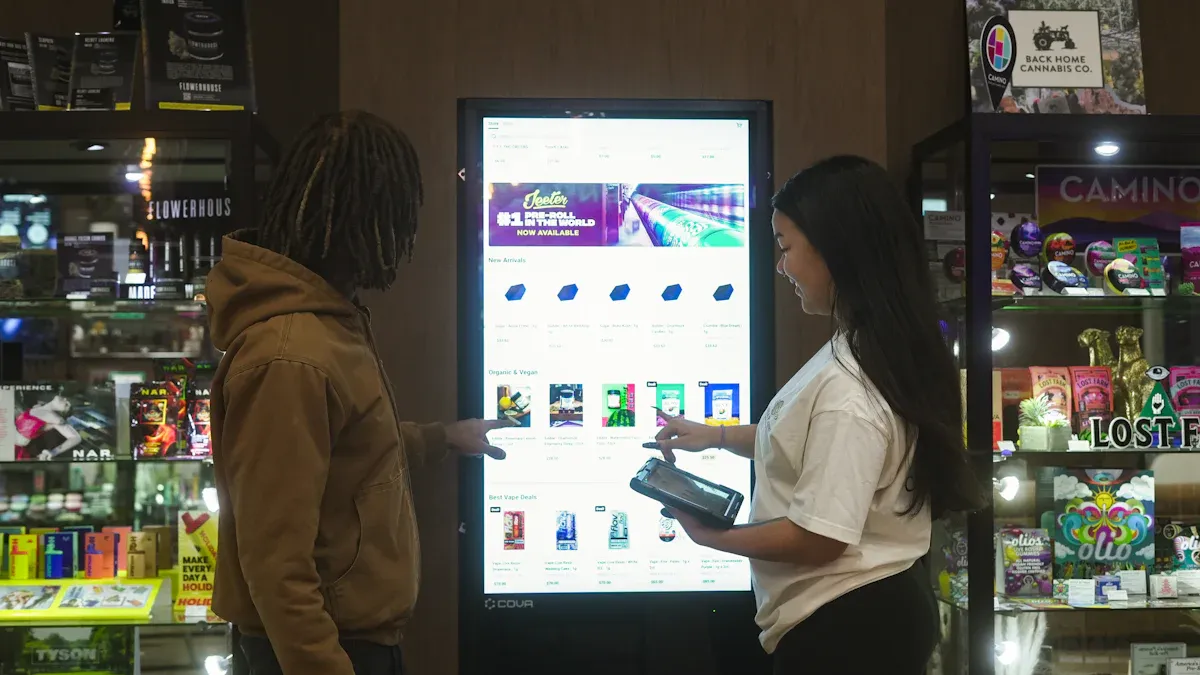
You face new challenges when you bring autonomous retail to your campus. Regulatory considerations shape how you set up your systems and serve your students. You must understand your legal obligations and follow campus policies to avoid compliance risks. If you miss these steps, you may put your university at risk for fines or loss of trust. When you focus on compliance, you protect your students and help your operations run smoothly.
Key Takeaways
Understand federal and state regulations to avoid fines and ensure smooth campus retail operations.
Implement strong data privacy measures by following laws like FERPA, GDPR, and CCPA to protect student information.
Train staff regularly on compliance and safety practices to build awareness and reduce risks in autonomous retail.
Conduct ongoing audits to monitor compliance and adapt to changing regulations, ensuring your campus retail remains safe.
Design inclusive retail spaces that meet ADA requirements, making shopping accessible for all students.
Regulatory considerations for campus retail

Federal and state rules
You must follow many rules when you set up autonomous retail on your campus. These rules come from both federal and state governments. Federal and state rules cover areas like consumer protection, sales tax, and product safety. You need to know which rules apply to your campus location. Some states have extra rules for retail operations, while others follow only federal guidelines. You must check these rules often because they can change. If you do not follow the right rules, your campus retail could face fines or even be forced to close. Regulatory considerations help you avoid these problems and keep your campus store running.
Multi-location legal risks
If your university has more than one campus, you face extra regulatory challenges. Each campus may sit in a different state, so you must follow the rules for each location. These rules can be very different. You need to watch for changes in state laws and make sure your campus retail operations stay compliant everywhere. The table below shows some legal risks you may face when you run autonomous retail across many campuses:
Legal Risk | Implication |
|---|---|
Compliance with state and federal laws | Non-compliance can lead to significant financial penalties and operational challenges. |
Data privacy regulations | Violating privacy laws can result in large fines and loss of customer trust. |
Accessibility requirements | Failure to adhere to ADA and state laws can lead to lawsuits and damage to brand reputation. |
Franchise agreement stipulations | Ignoring these can result in legal actions or loss of business licenses. |
Variability in state laws | Different states have different regulations, complicating compliance across multiple locations. |
Continuous monitoring of regulations | Not keeping up with new laws can lead to severe penalties or operational disruptions. |
You must pay attention to these regulatory considerations. If you do not, your campus retail could face lawsuits, fines, or even lose the right to operate. You should set up a system to track rules for each campus and update your compliance plans often.
Retail compliance essentials
You need to focus on key compliance steps to keep your campus retail safe and legal. First, choose a vendor who understands university rules and legal standards. This vendor should know how to protect student data and follow privacy laws. You must make sure your vendor uses secure technology to guard against cyber threats. Ask about their data encryption and how they handle data breaches. Your vendor should also train staff on data protection. These steps help you meet regulatory compliance requirements and keep your campus retail operations safe.
Regulatory considerations do not stop at the law. You must also follow campus policies and make sure your retail systems fit with university rules. When you focus on compliance, you protect your students, your staff, and your campus reputation. You also make sure your autonomous retail can grow and adapt as rules change.
Data privacy and security compliance
You must protect student and customer information when you use autonomous retail on campus. Data privacy and security help you build trust and keep your systems safe. You need to follow strict privacy laws and payment rules. You also must defend your systems against cyber threats. If you do not focus on compliance, you risk losing student trust and facing legal trouble.
Student privacy laws (FERPA, GDPR, CCPA)
You handle a lot of student data in autonomous retail. You must follow privacy laws that protect this information. These laws tell you how to collect, use, and share student data. The main laws you need to know are FERPA, GDPR, and CCPA. Each law has its own rules for privacy and compliance.
Law | Key Provisions |
|---|---|
FERPA | Protects student privacy by limiting access to student records and requiring specified purposes for access. |
CCPA | Impacts how for-profit organizations handle private information, with potential exemptions for non-profits. |
GDPR | Emphasizes personal data protection, requiring explicit consent for data usage and rights for data subjects. |
You must check if your campus retail system collects student records or personal data. FERPA protects student education records and limits who can see them. GDPR gives students in the EU more control over their data and asks for clear consent. CCPA affects how you handle private information in California. You must train your staff to understand these privacy laws and follow them every day. If you break these rules, you could face fines or lose student trust.
Tip: Always ask for student consent before collecting or using their data. Keep records of this consent for compliance.
Payment security standards (PCI DSS)
You must keep payment information safe in autonomous retail. PCI DSS sets the rules for payment card compliance. You need to follow these rules if you process credit cards or store cardholder data. PCI DSS helps you protect payment privacy and avoid data breaches.
Requirement | Description |
|---|---|
Who must comply? | Any organization processing credit cards, employees handling payment card data, and those using systems that process or store cardholder data. |
PCI Compliance Training | All employees must complete the PCI Security and Confidentiality Agreement training before handling credit card data. |
Departmental Responsibilities | Merchant departments must work with the PCI Compliance Specialist to determine specific compliance responsibilities and submit required forms annually. |
You must train your staff on PCI compliance before they handle payment data. You also need to work with your campus PCI specialist to review your responsibilities. Many universities use PCI DSS, GDPR, and FERPA together to protect payment and student privacy.
Regulation/Standard | Description |
|---|---|
PCI DSS | Ensures secure handling of credit card information. |
GDPR | Protects personal data and privacy in the EU. |
HIPAA | Governs health information privacy. |
FERPA | Protects student education records. |
NIST 800-171 | Provides guidelines for protecting controlled unclassified information. |
You must review your payment systems often to make sure you meet all compliance rules. If you do not, you could face fines or lose the right to process payments.
Cybersecurity for autonomous retail
You face many cyber threats in autonomous retail. You must protect your systems from attacks that target privacy and security. The most common threats include:
Social engineering
Denial of service attacks
Malware
Attacks on personal data
Most cyber-attacks happen because of human mistakes. Weak or stolen passwords cause many privacy breaches. You must train your staff to spot threats and use strong passwords. You also need to use the best practices for compliance and privacy.
Best Practice | Description |
|---|---|
Adopt a Zero Trust Approach | Operates on the principle of 'never trust, always verify' with continuous identity checks and MFA. |
Implement Advanced Endpoint Protection | Uses AI-driven detection to stop malware before it spreads, protecting all endpoints. |
Train Employees & Seasonal Staff | Regular training helps recognize phishing and handle sensitive information properly. |
Strengthen Access Controls & MFA | Enforces least privilege access, unique user accounts, and strong password policies. |
Network Segmentation & IoT Security | Limits attacker movement by separating networks and ensuring IoT devices are secure. |
Continuous Monitoring & Incident Response | Detects unusual activity and supports rapid recovery with a well-tested incident response plan. |
You should use a zero trust approach and advanced endpoint protection. You must train all staff and seasonal workers on privacy and compliance. You need to use strong access controls and multi-factor authentication. You should also separate your networks and secure all IoT devices. Always monitor your systems and have a plan for quick response if something goes wrong.
Note: 83% of U.S. retailers are at risk for cyber-attacks. Most attacks happen because of weak privacy practices or human error. You can lower your risk by following compliance rules and training your staff.
You must make privacy and compliance a top priority in autonomous retail. When you do, you protect your students, your campus, and your reputation.
Accessibility and campus policies
ADA compliance for retail tech
You must make sure your autonomous retail technology meets ADA requirements. ADA stands for the Americans with Disabilities Act. This law helps people with disabilities use public spaces and services. You need to check that your kiosks, payment systems, and store layouts support accessibility. For example, screens should have voice options for students who cannot see well. Payment devices should be easy to reach from a wheelchair. You must test your technology often to keep up with accessibility compliance. If you do not follow these rules, you may face legal problems and lose student trust.
Tip: Ask students with disabilities to test your systems. Their feedback helps you improve accessibility.
Inclusive design for all students
You should design your autonomous retail spaces for everyone. Inclusive design means you think about all students, not just those with disabilities. You can use large print, clear signs, and simple instructions. You should also offer help in different languages. When you focus on accessibility, you make shopping easier for everyone. You show that your campus cares about all students. This approach supports your university’s values and meets your policies for fairness.
Here are some ways to improve accessibility in your retail spaces:
Use adjustable counters and shelves.
Provide clear audio and visual instructions.
Offer support staff for students who need extra help.
Integration with campus systems
You must connect your autonomous retail with your university’s IT systems and policies. Each campus has its own rules for technology and data. You need to follow these policies to keep your systems safe and legal. Work with your IT team to make sure your retail tech fits with campus security and privacy rules. You should also update your systems when campus policies change. This helps you avoid problems and keeps your retail operations running smoothly.
Campus Policy Area | Why It Matters for Retail |
|---|---|
Data Security | Protects student and payment data |
Accessibility | Ensures all students can shop |
Technology Integration | Keeps systems working together |
You must review your policies often. This helps you stay ahead of new rules and support accessibility for all students.
Compliance management strategies
Ongoing audits and documentation
You need ongoing audits to keep your autonomous retail operations safe and compliant. Audits help you check if you meet all compliance requirements and regulatory standards. You should use automation to speed up audit preparation. A unified platform lets you map controls across frameworks, making audits easier. Engage your compliance officers, IT staff, and legal team early in the process. Monitor your systems continuously, not just once a year. Train your teams regularly on new requirements and tools. These ongoing compliance strategies help you spot risks before they become problems. Regular audits and updates support risk management and keep your campus retail ready for any regulation changes.
Tip: Keep detailed records of every audit. Good documentation helps you prove compliance during regulatory reviews.
Staff training and awareness
Staff training builds awareness and supports compliance in autonomous retail. You must teach your employees about safety, compliance requirements, and regulatory rules. Use hands-on training so staff learn best practices for compliance management through real work. Role-playing helps them solve problems and understand safety risks. E-learning gives your team access to materials anytime. Safety and compliance lessons show employees how to follow legal requirements and keep the workplace safe.
Description | |
|---|---|
Hands-on Training | Experienced staff show best practices through real work. |
Role Playing | Staff act out situations to build problem-solving skills. |
E-learning | Online materials help with learning all the time. |
Safety and Compliance | Employees learn legal and safety rules for a safe workplace. |
You must update training often. This keeps your team ready for new regulation and compliance requirements.
Technology solutions for compliance
Technology helps you manage compliance and safety in autonomous retail. AI-driven inventory management reduces stockouts and manual restock work. Autonomous mobile robots with RFID technology improve inventory accuracy and cut manual labor. These robots give you real-time visibility into stock positions, which supports compliance and risk management. The InventoryAI Suite checks inventory and price analytics, ensuring compliance with pricing integrity. Robots can audit prices and keep shelves stocked, which prevents compliance issues. Built-in monitoring systems achieve high uptime and reliability, meeting regulatory requirements. Autonomous tools create accurate records for audits and support ongoing compliance strategies.
Note: Use technology to simplify compliance management and reduce risk. This helps you adapt to new regulation and requirements.
You face many rules in autonomous retail. You must focus on higher education compliance to protect your campus and students. Regular audits and staff training help you stay ready for new laws. Leadership should give strong oversight to every step. When you act early and update your plans, you lower risks. You can adapt to changes and keep your campus retail safe.
FAQ
What is autonomous retail in higher education?
You use autonomous retail when you shop without a cashier. In higher education, this means you can buy items on campus using smart technology. The system uses sensors and cameras to track what you take. Your university uses this to make shopping faster.
Why does my university need to follow data privacy laws?
Your university collects data when you shop. Laws protect your privacy and keep your information safe. Higher education rules require your university to follow these laws. You trust your university to keep your data private. Following these laws helps your university avoid problems.
How does my university keep data safe in autonomous retail?
Your university uses strong security tools to protect your data. Higher education leaders train staff to handle data safely. Your university checks systems often for risks. You see your university use passwords and secure networks. These steps keep your data safe every day.
What happens if my university does not follow compliance rules?
If your university ignores rules, you may lose trust in higher education. Your data could be at risk. Your university may pay fines or face legal trouble. Higher education leaders want to protect you and your data. Following rules keeps your university safe.
How can I learn more about data and privacy in higher education retail?
You can ask your university for information about data use. Higher education offices share privacy policies. You can read your university’s website for updates. Staff can answer your questions about data. You stay informed by learning about higher education rules.
See Also
Understanding AI-Driven Convenience Stores: Insights for Retailers
Discovering Sensi Retail: A Community-Focused Cannabis Shop in LA
Analyzing Walgreens Self-Checkout: Benefits and Hurdles in Retail
The Future of Retail: Embracing AI-Driven Stores
Comparing Micromarkets and Smart Stores: Global Automation in Retail
