Key Regulatory Shifts Impacting Automated Retail Checkout

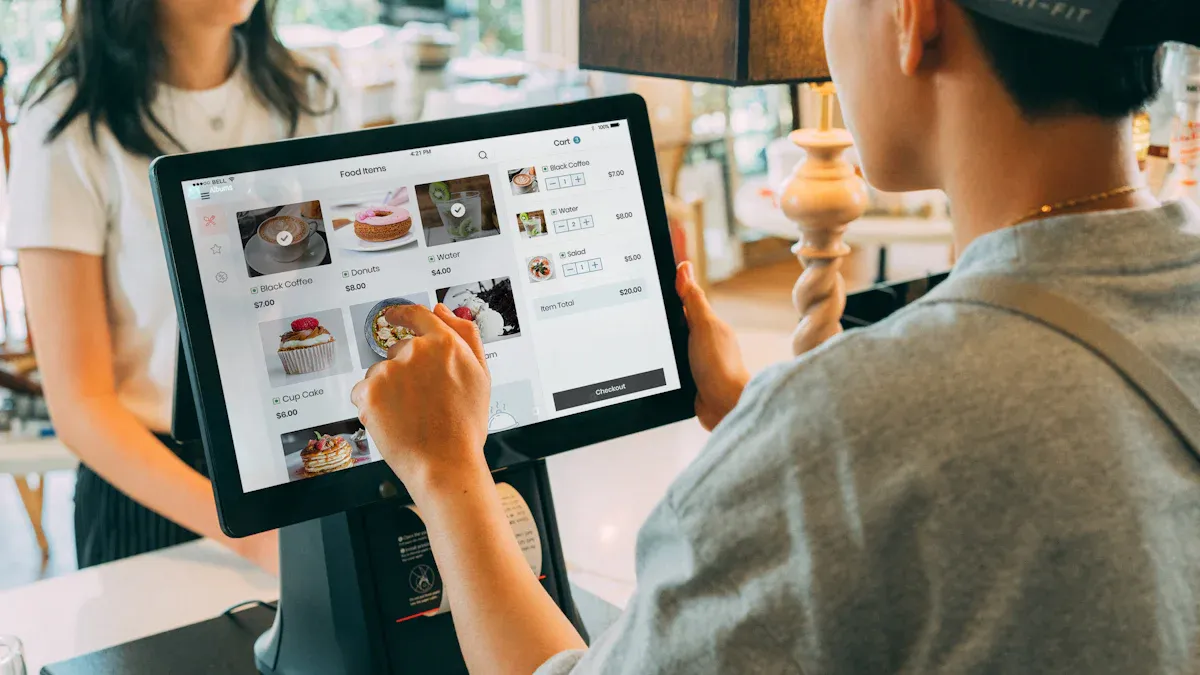
New rules about retail AI regulation change how stores use smart checkout. Now, AI regulation asks more from tech leaders. They have to check each AI system for bias and privacy risks. Customers trust stores that explain how AI keeps their data safe. Fast changes in AI laws make stores update software, train workers, and rethink payment safety.
AI tools now need more tests for fairness.
AI must follow strong privacy rules.
AI systems must give clear reasons to shoppers.
Key Takeaways
Retailers need to make sure AI systems are fair and open. This helps customers trust them.
Following data privacy laws is very important. It keeps customer information safe and helps stores avoid fines.
Stores should give shoppers clear choices about their data. Shoppers should be able to control their data during checkout.
Staff need regular training and updates. This helps them follow new rules the right way.
Technology partners can help retailers with hard rules. They also make checkout safer.
Retail AI Regulation Trends

Data Privacy and AI Bias
Retail ai regulation is changing quickly. Stores use autonomous checkout and self-checkout to help shoppers. These smart retail tools collect lots of personal data. Shoppers worry about how stores use their information. Data privacy rules protect customers. Retailers must follow strict laws in each country. The European Union has strong rules. The United States checks each sector. India and China are making new plans.
The European Union has the AI Act. It sets tough standards for ai-powered retail innovations.
The United States investigates ai platforms but does not have one big law yet.
India may start regulating ai platforms like ChatGPT.
China is building its own rules for automation and smart retail.
Retailers face big challenges with data privacy. They must keep customer data safe in autonomous checkout and self-checkout systems. Cameras watch shoppers and track faces. Stores save huge amounts of data. Sometimes, ai predicts what shoppers want to buy or how they feel. Many customers do not know this happens. Retailers must explain how checkout systems use data and get consent.
Note: Retailers must meet privacy rules in every country they operate. This is important for retail transformation and growing into new markets.
Algorithm Transparency in Checkout
Algorithm transparency is a big topic in retail ai regulation. Shoppers want to know how autonomous checkout and self-checkout systems make choices. Some places, like New York, have laws that make stores tell customers when algorithms set prices. If stores break these rules, they pay fines.
Requirement | Description |
|---|---|
Law Name | |
Disclosure Requirement | Companies must say when algorithms change prices using consumer data at checkout. |
Penalty for Non-compliance | Up to $1,000 for each violation. |
Retailers use checkout systems powered by ai to set prices and approve purchases. They must tell customers how ai works in autonomous checkout and self-checkout. Stores should explain how shoppers can challenge ai decisions. Consent tools let customers control their data. Cookie banners and clear messages help shoppers understand what happens during checkout.
Retailers tell customers about data use in checkout systems.
They say when ai makes choices in autonomous checkout and self-checkout.
Stores give clear ways for shoppers to challenge ai choices.
Consent tools let customers manage data sharing in smart retail.
Retailers update customers about data policies in autonomous stores.
Retail ai regulation pushes stores to build trust. Shoppers feel safer when they know how checkout systems work. Stores that follow data privacy and transparency rules stand out in the world of ai-powered retail innovations.
Regulatory Compliance in Automated Checkout
Stores now have new rules for automated checkout. These rules are about payment security, accessibility, and treating everyone fairly. Following these rules is more than just obeying the law. It helps stores earn trust and avoid big problems.
Payment Security and A2A Oversight
Keeping payments safe is very important in self-checkout. Shoppers want to know their money and data are safe. New rules tell stores how to handle payments, especially with account-to-account transfers. These rules talk about getting permission and stopping fraud.
Regulation Type | Key Points |
|---|---|
ACH Rules | Stores must get permission from shoppers and keep bank data safe. |
RTP and FedNow Regulations | Stores need strong fraud checks and must know their customers. |
PSD2 and Open Banking (Europe) | Stores must use Strong Customer Authentication and have the right license. |
Consumer Protection (Regulation E) | Shoppers have rights if someone uses their money without asking, and stores must help them. |
Stores using ai-powered checkout must follow these rules. They need to ask shoppers before moving money. They must keep all payment data safe. In many places, shoppers must prove who they are before paying.
Self-checkout and autonomous checkout have new fraud risks. Some people try to scan cheaper things or skip scanning. About 13% of adults say they picked a cheaper item at self-checkout. Around 26% say they forgot to pay for something. Nearly 37% did not scan an item. These numbers show why payment security is so important.
Stores must keep up with new rules for ai powered self-checkout. They need to teach workers, update software, and check for problems. If they do not, they could lose money, get fined, or lose shoppers’ trust.
Tip: Stores should check their systems often and use clear consent tools to stay safe with payments and rules.
Accessibility and Anti-Discrimination
Making checkout easy for everyone is very important. Laws now say stores must help people with disabilities use checkout. Self-checkout and autonomous checkout should work for people who cannot see well or move easily.
Stores can do this by:
Making screens work with screen readers for people with low vision.
Adding keyboard controls for shoppers who cannot use a mouse.
Checking systems often to find and fix problems.
Asking people with disabilities for ideas and feedback.
Learning about new rules for smart retail and automation.
If stores do not follow these rules, they can get in trouble. Lawsuits under the Americans with Disabilities Act can cost $5,000 to $25,000 each time. Legal bills and fines can get very high. Bad news from lawsuits can make shoppers not trust the store.
Consequence Type | Description |
|---|---|
Legal Risks | Stores may get sued under the ADA and pay a lot of money. |
Financial Costs | Stores may pay $5,000 to $25,000 for each case, plus legal bills. |
Reputational Damage | Bad news from lawsuits can hurt the store’s name and trust. |
Stores using ai powered self-checkout and autonomous checkout must care about these rules. They need to test checkout for everyone and fix problems fast. This helps all shoppers and keeps stores out of trouble.
Note: Following accessibility and anti-discrimination rules is not just about avoiding fines. It shows shoppers the store cares about everyone.
Smart retail is always changing with new automation and ai. Stores that follow payment and accessibility rules will do better with ai-powered checkout. They keep shoppers safe, build trust, and lead the way for the future.
Self-Checkout Security and Fraud Prevention

Real-Time Inventory and Fraud Detection
Stores worry a lot about self-checkout security. AI helps them catch theft and fraud right away. New self-checkouts use deep learning to watch for theft. These systems watch shoppers’ hands and check if items get scanned right. Barcode validation helps find mistakes or tricks at checkout.
AI watches checkout in real time to spot problems fast.
Sensors, cameras, and barcode scanners work together in checkout.
AI checks the weight of scanned items to stop theft.
Stores also track inventory in real time. This helps them find missing items quickly. AI and machine learning watch inventory and send alerts if something is wrong. When stores find shrink early, they can stop theft and loss. Good loss prevention means fewer mistakes and more items for shoppers.
Tip: AI can help stores reach up to 99% accuracy in fraud detection. This means fewer false alarms and better security at self-checkout.
Cybersecurity for Automated Systems
Self-checkout security is not just about stopping theft. It also means keeping customer data safe. Automated checkout systems must follow rules like GDPR and CCPA. These rules protect shopper information and help stores avoid big fines.
Standard | Description |
|---|---|
Keeps credit card data safe in checkout systems. | |
GDPR | Sets rules for protecting customer data in checkout. |
CCPA | Lets California shoppers control their data in self-checkout. |
NIST CSF | Helps stores manage cybersecurity risks in self-checkout. |
Stores use the NIST Cybersecurity Framework to handle risks. They also follow NIST 800-53 and NIST 800-171 for extra safety. These steps keep checkout systems safe from hackers and protect against loss.
Self-checkout security helps stores build trust. Shoppers feel safe using autonomous checkout when their data is protected. Automation and AI make checkout faster and safer for everyone.
Compliance Impact on Retail Operations
Technology Integration and Staff Training
Retailers must change how they work to follow new rules. They add compliance steps to daily tasks in the store. Workers need to learn how to use checkout systems. They also need to spot theft or mistakes. Many stores use technology to help train workers. Training management software and digital learning tools help staff learn about ai, automation, and checkout rules.
Stores use digital platforms to teach staff about self-checkout and ai.
Managers give workers clear, written rules for checkout systems.
Each job gets special training so everyone knows what to do.
Teams practice how to spot theft and keep checkout safe.
When stores use these tools, workers feel ready to help shoppers. They keep checkout running smoothly and help stop theft. These tools also make sure ai works the right way in self-checkout.
Cost and Resource Management
New compliance rules mean stores spend more money and face new problems. Retailers must buy better checkout systems and pay for more training. They also need new security tools to stop theft. Some stores, especially small ones, have trouble keeping up with all the changes. The table below shows some common challenges:
Challenge Type | Description |
|---|---|
Integration Complexity | Stores must connect many payment and checkout systems, which makes compliance harder. |
Ongoing Investment | Stores need to keep spending on security to meet new rules for self-checkout and ai. |
Staff Training | Training workers on checkout and compliance is tough, especially with new people joining. |
Resource Constraints | Small stores may not have enough money or staff for all the changes in smart retail. |
Evolving Standards | Rules for checkout and self-checkout change often, so stores must keep updating systems. |
Stores that plan ahead and use the right tools can handle these costs better. They keep checkout safe and protect against theft. This helps ai and automation work well for both staff and shoppers.
Customer Experience and Data Protection
Building Trust Through Compliance
Shoppers want to feel safe when using checkout systems. Stores that follow data protection rules show they care about privacy. When stores use ai in self-checkout, they must handle data correctly. This helps shoppers trust the store and come back again.
Stores that follow data protection rules keep customer data safe. They use it in a fair way. This helps shoppers feel safe at checkout.
If stores break the rules, they can lose a lot of money. IBM says not following rules costs stores about $4.88 million. Following rules only costs $2.22 million.
Hard consent steps can make checkout harder for shoppers. This can lower sales and make people skip self-checkout.
Stores use different ways to build trust. They tell shoppers how they use data. They use strong encryption to keep information safe. Checkout should feel the same every time, so shoppers do not get confused. Good customer support answers questions quickly. Automation helps keep records safe and run digital audits. Centralized tracking helps stop theft and fraud. Automated compliance tools help stores keep up with new rules.
Consent and Data Management
Getting consent from shoppers is a big part of data protection. Stores must make it easy for people to control their data at self-checkout. They should use simple words and easy choices.
Stores give shoppers easy ways to say no to data collection.
They delete or hide data if someone asks.
They keep good records of who gave or took back consent.
Privacy-by-Design means stores build ai with data protection from the start.
Stores only collect the data they really need. This is called data minimisation.
They use anonymisation to hide who the customer is.
Stores explain how they use data in checkout and self-checkout.
Consent tools let shoppers control how stores use their data.
Stores check their systems often to follow new privacy laws.
They use clear words in consent forms and tell shoppers what data they collect.
Shoppers can choose to say yes or no at any time.
When stores use ai-driven personalization, they must still protect customer data. Good data management and easy consent steps make checkout better for everyone. Automation and ai help stores follow new rules and keep shoppers happy.
Case Studies in Regulatory Compliance
Success Stories in Automated Checkout
Some stores are very good at following new checkout rules. Walgreens is a good example. They use both technology and people in self-checkout. This helps them follow rules and stop theft. Shoppers feel safe because workers can help if ai finds a problem. Walgreens shows that ai and people can work together to meet hard rules.
Decathlon is another store doing well. They put RFID tags on every item. This makes checkout faster and helps count products. Shoppers can finish paying in under a minute. RFID also helps Decathlon follow EU rules about where things come from. By tagging everything, Decathlon keeps track of items and follows new laws. Their use of ai and automation makes checkout quick and safe for all.
Lessons from Compliance Challenges
Not all stores get things right at first. Some supermarkets learn that checking rules often keeps checkout safe. They see that knowing what local shoppers want is important. Self-checkout works best where people use cards and workers cost more. Stores with good technology can change fast if shoppers want new things.
Checking rules often helps stores find problems early.
Knowing what shoppers want makes checkout better.
Self-checkout works best where cards are used and workers cost more.
Fast updates help stores follow new rules.
Stores that learn these lessons avoid big fines and less theft. They use ai to watch for trouble and keep checkout safe. When stores listen to shoppers and update systems, they build trust and keep up with retail changes.
Strategies for Retailers
Proactive Compliance Planning
Retailers get new rules for ai and checkout each year. They need a plan that keeps up with changes. A good plan starts with a team that checks checkout systems for risks. This team looks for problems with data, privacy, and fairness. They test ai tools before using them in stores. They also check if checkout works for everyone, including people with disabilities.
Retailers set up regular reviews for checkout systems. These reviews help them find issues early. They update software and train workers when rules change. They keep clear records of every update. This helps them show proof if someone asks about compliance.
Tip: Teams can use a simple checklist to track updates and find gaps in checkout compliance.
Retailers also talk to shoppers about how ai works in checkout. They use signs and screens to explain what happens during checkout. This helps shoppers feel safe and builds trust.
Partnering for Regulatory Success
Retailers do not have to handle compliance by themselves. They work with technology providers and legal experts to make checkout safer. These partners help retailers use IT solutions that follow new rules. They also help connect checkout systems so everything works together.
Technology partners help retailers set up checkout systems that follow the law.
Legal experts check contracts and rules for each checkout tool.
Vendors update checkout software to match new ai and automation standards.
Teams watch checkout systems and fix problems quickly.
Partners help retailers avoid fines and keep shoppers happy.
Retailers pick partners who know about ai and automation. They choose vendors who update checkout tools often. Working together keeps checkout safe and helps stores grow. When everyone helps, stores can lead with smart, trusted checkout.
Retailers are seeing many changes in automated checkout. The table below lists the biggest changes:
Description | |
|---|---|
Data Privacy | Stores must follow laws to keep info safe. |
Cybersecurity | Rules help stop hackers from stealing data. |
Consumer Protection Laws | Stores have to be fair to all shoppers. |
Automated Compliance Checks | AI checks rules and finds mistakes. |
Enhanced Data Security | AI looks for threats and acts quickly. |
Retailers must keep learning about new rules all the time. They should use automation and ai to check systems and keep shoppers safe. Here are some ways to stay ready:
Watch for new laws and update systems when needed.
Teach workers to find problems and use ai tools.
Use alerts to fix issues right away.
Being ready helps shoppers trust stores and keeps businesses strong.
FAQ
What is the biggest regulatory challenge for automated checkout?
Many stores find it hard to keep up with changing rules. They need to update systems often. New laws about data and payments can come fast. Teams must stay alert and ready to act.
How do stores make self-checkout safe for everyone?
Stores test checkout tools with people who have different needs. They add features like screen readers and easy-to-use buttons. They ask for feedback and fix problems quickly.
Why do shoppers care about data privacy in automated checkout?
Shoppers want to know who uses their information. They trust stores that explain how data gets used. Good privacy steps help shoppers feel safe when they use ai in retail.
What happens if a store does not follow compliance rules?
Stores can get big fines or lose customer trust. They may also face lawsuits. Following rules helps stores avoid these problems and keeps shoppers happy.
How can stores keep up with new regulations?
Stores can set up a team to watch for new rules. They can use checklists and work with experts. Regular training helps staff stay ready for changes.
See Also
Upcoming Changes to Walmart's Self-Checkout System in 2025
Walgreens Self-Checkout: Benefits and Issues in Retail Settings
The Progression of Self-Checkout Technology Over Time
Addressing Cash Mistakes at Self-Checkout: Tips for Success
Smart Technology in Vending Machines Transforming Retail Experience
