How Quickly Can Retailers See ROI from Cashierless Store Technology

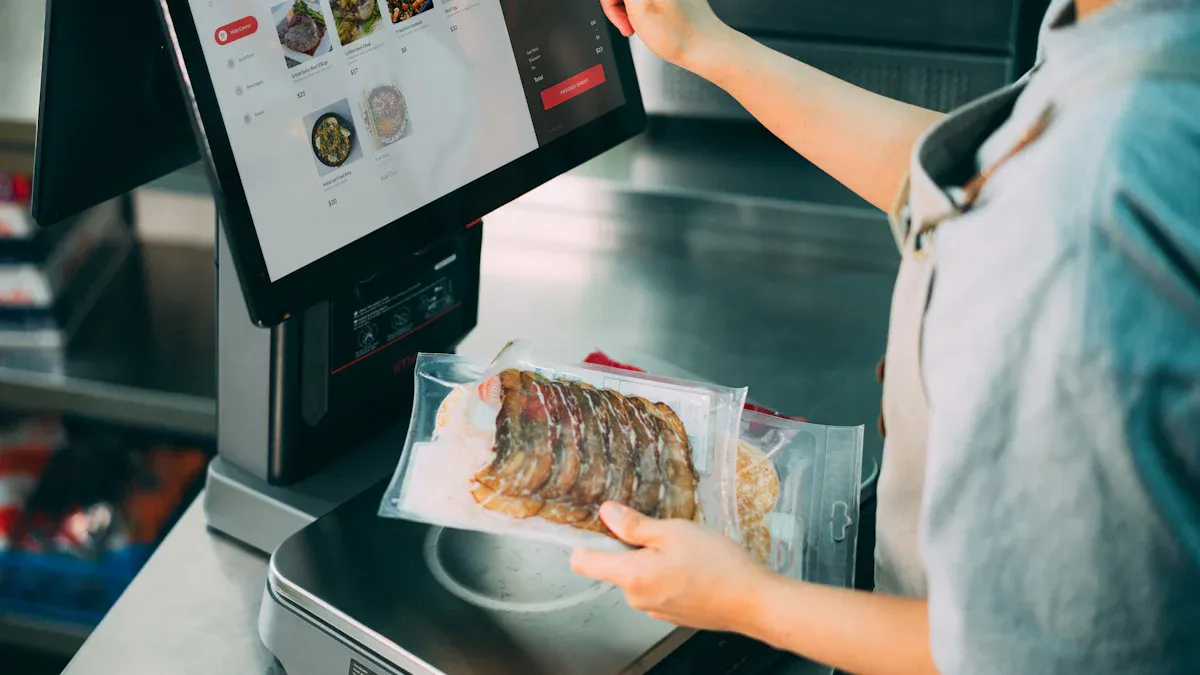
You might get your money back from cashierless store technology in 12 to 30 months. Many stores do this because automated systems lower labor costs. They also make sales more accurate and help customers check out faster. Real-time inventory updates help you run your store better. They also help you make smarter choices. In five years, ROI can go up to 400%.
Key Takeaways
Cashierless technology can give ROI in 12 to 30 months. It does this by lowering labor costs. It also makes stores work better.
Smaller stores get their money back faster than big supermarkets. This happens because they spend less to set up. They also help customers quicker.
Cashierless systems make shopping better for customers. They cut down wait times. Shoppers can check out by themselves.
Before using cashierless technology, look at the costs first. You need to pay for hardware and upgrades. This helps stores change smoothly.
Always check important numbers like labor savings. Also check how happy customers are. This shows if cashierless technology works well.
ROI Drivers for Cashierless Store Technology
Labor Cost Reduction
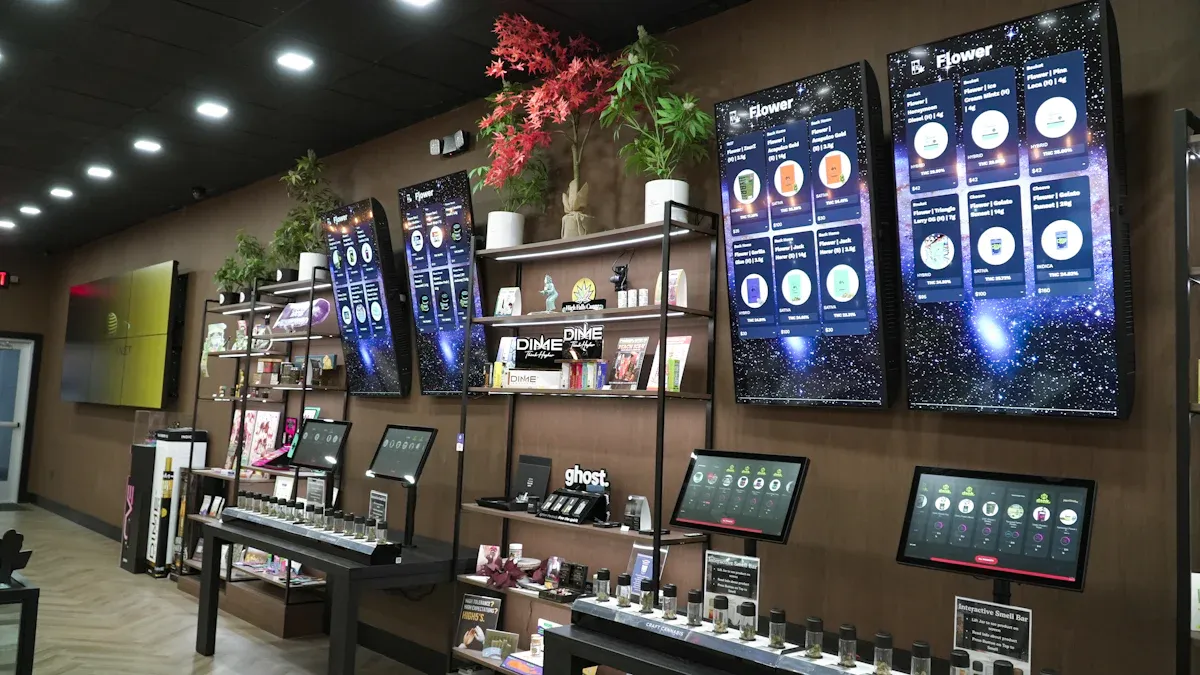
Cashierless store technology helps you save money on workers. You do not need as many cashiers. Your team can do other jobs, like helping shoppers or stocking shelves. Research shows labor costs can drop by 60-70%. This means you pay less for wages and get more from your staff.
Fewer cashiers are needed at checkout.
Staff can help customers in other parts of the store.
Workers can keep the store neat and tidy.
Operational Efficiency
Cashierless store technology makes your store run smoother. You can use your space better and learn about your shoppers. The table below shows how this technology helps your store:
Benefit | Description |
|---|---|
Improve store layout | You can take out checkout counters and use the space for more products or better shopping paths. |
Capture in-store customer data | You can see how people shop and use this to make better choices about products. |
Reduce labor costs | You need fewer workers, so you save money and can use staff for other jobs. |
Enhance customer experience | You give shoppers a modern experience, which makes them want to come back. |
Your store works better with cashierless systems. The table below shows important things that get better:
Operational Metric | Impact |
|---|---|
Shorter wait times | Customers spend less time in line. |
Smoother in-store flow | Shoppers move easily through the store. |
Fewer scanning mistakes | You have fewer billing errors. |
Better visibility into product movement | You know where products are at all times. |
Consistent operations | Your store runs well, even during busy times. |
Customer Experience Impact
Shopping is easier and faster for your customers. People like to check out quickly and control their shopping. Many shoppers say they are happier with self-checkout. They like shopping at their own speed. The table below shows how cashierless store technology helps customers:
Factor | Impact on Customer Satisfaction |
|---|---|
Performance Expectancy | Positive |
Effort Expectancy | Positive |
Customer Empowerment | Positive |
Overall Experience | Positive |
Data Privacy Concerns | Negative |
Tip: You can make customers come back by making shopping easy and fast, but you should also talk about privacy to build trust.
Upfront and Ongoing Costs
You need to think about costs before you start. Cashierless store technology costs more at first than regular checkouts. You must buy cameras, sensors, and new wiring. You may need to upgrade your store’s electricity and network. The table below shows the main costs:
Cost Component | Description |
|---|---|
Installation of cameras/sensors | High upfront cost and may disrupt your business for weeks or months. |
Infrastructure upgrades | You need strong electricity and network systems, which can be hard for older stores. |
Maintenance of planograms | You must keep products in the right place to avoid system errors. |
You also pay for software updates and fixing hardware. These costs are higher than regular checkouts, but you save money on workers and your store works better.
Store Size and Type
The size and type of your store changes how fast you see results. Large stores may have more problems and higher costs. It can take longer to get your money back. Small stores, like convenience stores, see results faster. The table below shows which stores benefit most:
Evidence Type | Description |
|---|---|
Fastest ROI | Convenience stores see the quickest return on investment. |
Consumer Trends | More people shop at convenience stores because they are busy and want quick service. |
Growth During COVID | Convenience stores grew during the pandemic, bringing in new customers. |
Technology Adoption | More convenience stores are using cashierless technology. |
Operational Efficiency | Cashierless systems help these stores run better and serve customers faster. |
Analytics and Insights | Stores learn more about what customers want, so they can stock the right products. |
Employee Efficiency | Workers can focus on important tasks, not just checkout. |
New Location Opportunities | You can open stores in new places, like offices or campuses, more easily. |
Higher Profitability | Lower labor costs and longer hours mean more profit. |
Seamless Integrations | It is easy to connect cashierless systems with payment options customers already use. |
Note: If you have a small or medium store, you will see ROI faster than a big supermarket.
ROI Case Studies and Industry Data
Leading Retailer Examples
You can learn from stores that use cashierless store technology. Many big retailers have shared what happened to them. The table below shows how these stores check their return on investment (ROI):
Year | ROI Timeline | Key Benefits | Challenges |
|---|---|---|---|
2026 | Easier to see | Varying results based on implementation |
Lower labor costs are a big benefit for these stores. Some stores say they spend about 10% less on workers. Results can change based on how you set up the technology. Each store has its own problems and wins.
Industry Benchmarks
Industry data says most stores get ROI in one or two years. Small and medium stores usually see results faster. Big supermarkets may wait longer because they are larger and have more products. Stores with lots of shoppers often get their money back sooner. These numbers help you set good goals for your store.
Note: You should check your progress against industry averages to see if your store is doing well.
Lessons from Early Adopters
Early adopters had many problems when they started using cashierless store technology. You can learn from what they went through:
Need for accuracy
More chances for fraud
Getting customers to accept it
Systems must be easy to use for all products
You should plan for these problems before you start. You can lower risks by testing the system and training your team. If you know what to expect, you can make better choices and get ROI faster.
Accelerating ROI
Pilot Programs
You can try a pilot program first. This means you test cashierless store technology in one store. You see what works well and what needs fixing. You check how much money you save on workers. You watch how customers react and look for technical problems. This helps you avoid big mistakes and keep costs low. You learn quickly and make smarter choices for more stores.
Store Operations Optimization
Match your automation plan to your store’s size and sales. Automated systems work best in stores with lots of sales. If you use too much automation in a small store, you may not get good results. Focus on fixing your biggest problems instead of changing everything. Use item-level inventory tracking to keep shelves full and cut down errors. This makes your store run better and helps you serve customers.
Track inventory all the time for better results.
Fix main problems instead of changing everything.
Staff and Customer Training
You need to teach your staff and customers how to use new systems. Staff should know how to help shoppers and fix small issues. Customers need clear instructions so they feel safe. Good training lowers mistakes and builds trust. When everyone knows what to do, your store works better and you get results faster.
Tip: Use easy signs and quick demos to help customers learn the new checkout process.
Using Data and Analytics
You can use data and analytics to make smarter choices. AI helps you track inventory, schedule workers, and spot theft. You can also use AI to give shoppers special offers and improve prices. One global retail chain used AI-driven cashierless solutions and cut labor costs by 45%. Shoppers finished their trips 60% faster. Stores saw more loyal customers because shopping was easier. Data helps you see what works and what needs to change.
AI-driven tips help sales and customer happiness.
Analytics help you set prices and lower shrink.
Data shows you how to make your store better every day.
Overcoming Barriers
System Integration
It can be hard to add cashierless technology to your store. You need special hardware, like sensors and good cameras. You also need strong software to track items and shoppers. If your store has old equipment, you may need to upgrade it. This can cost a lot and take time. You should plan for these changes early. Work with your tech partners to connect everything well. Good planning helps you avoid problems and keeps your store open.
Managing Costs
Cashierless store technology is expensive at first. You might pay $500,000 to $1 million for each store. This is tough for small stores. Even big stores like Walmart and Target must think about the money they spend. To save money, you can test the system in one store first. Learn from other stores that tried it before. Focus on better inventory and stopping losses. Watch important numbers, like how many people buy things and if customers are happy. Use AI analytics to find ways to save money and sell more.
Tip: Start with one store and grow as you learn what works best.
Security and Privacy
You must keep your store safe from theft and protect customer data. Some stores, like Target, had theft problems with self-checkout. They set limits on items and trained staff to watch for trouble. Walmart uses cameras to stop losses. You should use both machines and people to watch the store. Make sure your staff knows how to spot problems and help shoppers. Always follow privacy rules and tell customers how you use their data.
Customer Acceptance
Some customers worry about using new technology. Some do not trust cashierless systems or are afraid of mistakes. You can help by giving clear instructions and having staff ready to help. Show shoppers how the system works and answer their questions. When people feel safe and understand, they will try the new system. Building trust takes time, but it makes customers happier and helps your store.
Measuring ROI for Cashierless Store Technology
Key Metrics
You need to track the right numbers to measure your return on investment. Start with labor cost savings. Check how much you spend on staff before and after you use cashierless store technology. Look at transaction speed. See how long it takes for customers to check out now compared to before. Watch customer satisfaction scores. Ask shoppers if they like the new system. Track shrink, which means losses from theft or mistakes. Count how many sales you make each day. Use these numbers to see if your store is doing better.
Here is a table of important metrics:
Metric | What to Measure |
|---|---|
Labor Cost Savings | Staff costs before and after change |
Transaction Speed | Average checkout time per customer |
Customer Satisfaction | Survey scores and repeat visits |
Shrink Rate | Losses from theft or errors |
Sales Volume | Number of transactions per day |
Tip: Review these metrics every month to spot trends and make quick changes.
Best Practices
You can follow some best practices to measure ROI more accurately:
Understand your business goals. Decide if you want to speed up checkout, save money, or improve the shopping experience.
Watch for shrink. Check for theft and see how customers behave with the new system.
Compare transaction counts with labor hours. This helps you see if you need to adjust staff during busy times.
Talk openly with your staff. Explain how cashierless store technology helps the store and their jobs.
Motivate your team. Offer rewards when they reach goals, like a certain number of self-checkout transactions.
When you use these steps, you get a clear picture of how well your investment works. You also help your team feel good about the changes.
You will likely get your money back in one or two years. This happens when you use cashierless store technology. The main reasons are saving money on workers, making your store work better, and helping customers have a good time.
Spend less on workers
Make your store work well
Let shoppers pay faster
Tip: Try using cashierless store technology in one store first or ask a technology expert for help. This can help your store do better.
FAQ
How fast can you see ROI from cashierless store technology?
Most stores get ROI in 12 to 24 months. Small stores usually see results even faster. You can check how much you save on workers and if sales go up.
What is the biggest cost when starting cashierless technology?
The biggest cost is buying cameras, sensors, and fixing your store’s network. You also pay for software and teaching your staff.
Cost Area | Typical Expense |
|---|---|
Hardware | High |
Software | Medium |
Training | Low |
Will customers like cashierless shopping?
Many people like checking out faster and having more control. Some worry about privacy or making mistakes. You can help by giving clear steps and having friendly staff.
Tip: Show shoppers how the system works so they trust it.
How do you keep cashierless stores secure?
You use cameras, sensors, and AI to stop theft. Staff should watch the store and help shoppers. Always keep customer data safe and follow privacy rules.
See Also
Transforming Retail: Cashierless Shopping With Cloudpick Solutions
Comparing Micromarkets And Smart Stores In Global Retail
Walgreens Self-Checkout: Balancing Convenience With Retail Challenges
