Is Investing in Cashierless Store Technology Worth It for Retailers?

You can get a good return on investment with cashierless store technology if you pay attention to the main reasons. The biggest benefits are a better customer experience, lower labor costs, and better inventory management. High setup costs and changes in how things work can be hard, but the long-term rewards are usually bigger. Look at the table below for a quick view of the most important ROI factors:
Factor | Description |
|---|---|
Better customer experience | Gets rid of long checkout lines and makes customers come back. |
Efficiency | Makes shopping and paying faster. |
Reduced labor costs | Lets you use workers for helping customers instead. |
Better inventory management | Watches stock all the time and lowers waste. |
Setup cost | Needs a lot of money at the start. |
Operational changes | Needs new ways of working and training workers. |
Adoption | Customers have to learn how to use the new system. |
Key Takeaways
Cashierless store technology makes shopping faster and more fun. It gets rid of long checkout lines. This helps customers have a better experience.
Using this technology can lower labor costs a lot. Staff can spend more time helping customers. They do not have to do checkout jobs as much.
Real-time inventory management helps stores keep enough stock. This cuts down on waste. It also gives stores more chances to make sales.
The setup costs are high at first. But, stores can save money and work better over time. This can give a good return on investment.
Trying cashierless technology in one store is smart. It lets retailers see how it works before using it everywhere.
What Is Cashierless Store Technology?
How It Works
You can think of cashierless store technology as a smart system that lets you shop without waiting in line to pay. When you walk into a store, you might scan a QR code or use a mobile app. The store uses a mix of tools to track what you pick up and put back. These tools include:
Sensors that notice when you take an item from a shelf.
Cameras that watch what you do and help the system know which items you choose.
Artificial intelligence (AI) and machine learning that study the data and make sure your virtual cart is correct.
Mobile applications that connect your shopping to your account.
Radio-frequency identification (RFID) tags and electronic shelf labels (ESL) that help track products and show prices.
As you shop, the system builds a virtual cart for you. When you finish, you can leave the store, and the technology will charge you automatically. You do not need to stop at a checkout counter.
Tip: You can save time and avoid lines by using cashierless store technology.
Types of Solutions
You will find different types of cashierless store technology in stores today. Some stores use cameras and sensors together to watch what you pick up. Others use weight sensors on shelves to know when you remove or return an item. Machine learning and AI work in the background to keep your cart up to date. You might enter the store by scanning a smartphone app or a credit card. The system links your identity to your shopping trip. As you shop, computer vision and sensors track your choices. When you leave, the system charges you for what you took, making checkout fast and easy.
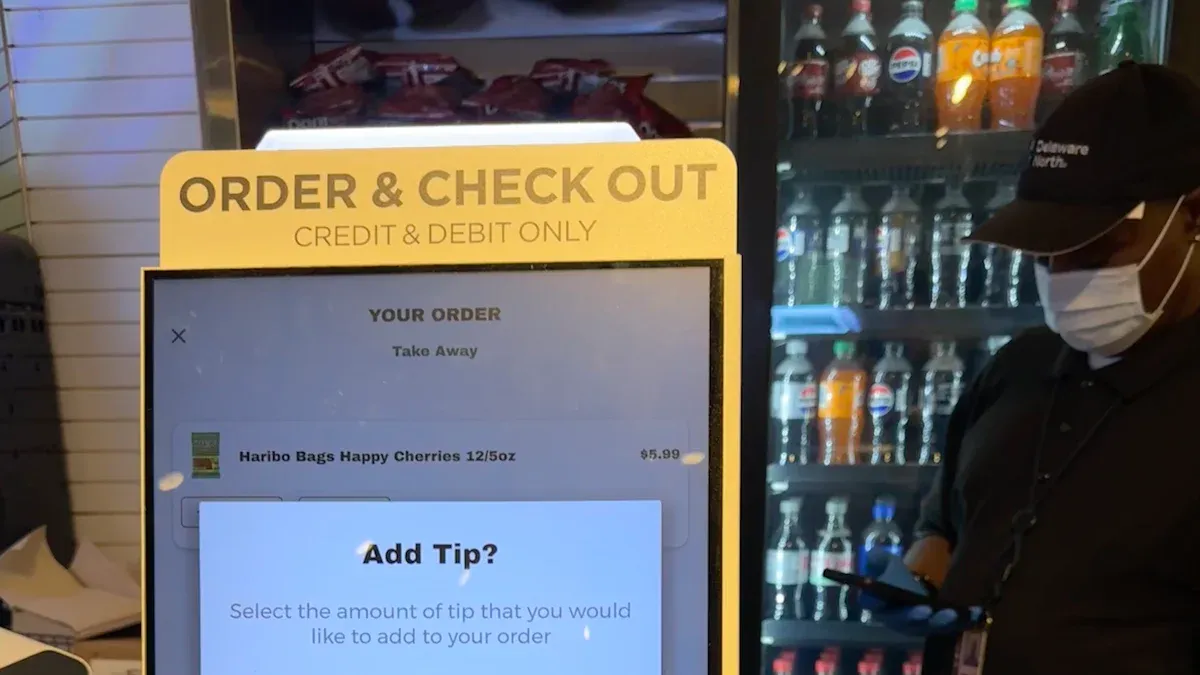
Some stores also offer self-checkout kiosks as an option. These kiosks let you scan and pay for items yourself. Digital labels on shelves show you the latest prices and product details. Each solution helps make shopping smoother and faster for you.
Cost Breakdown and ROI Drivers
Upfront and Deployment Costs
It is important to know the costs before using cashierless store technology. The money you need depends on your store’s size and how hard the setup is. Most medium stores spend between $150,000 and $500,000 or even more to start. This price covers things like cameras, sensors, shelf labels, software, and putting everything in.
Here is a short list of what you pay for first:
Cameras and sensors to watch items
Computer systems to handle data
Mobile app connection
RFID tags and electronic shelf labels
Fees for setting up and installing
If you look at these costs and compare them to old checkout systems, you will see cashierless store technology costs more at the beginning. Old systems are cheaper to set up, but you pay more for workers later. Cashierless stores do the checkout work, so you do not need as many cashiers. This can help you get your money back sooner.
Note: Cashierless store technology can help you earn back your money faster because you spend less on hardware and setup over time.
Ongoing and Maintenance Costs
After you set up cashierless store technology, you must keep it working well. You pay every month for cloud storage and data work. You also pay for software updates, fixing hardware, and watching for security problems. These costs change based on how much data you use and your deals with vendors.
Monthly costs for keeping things running are usually $5,000 to $15,000 for each store. Here is what you pay for each month:
Cloud storage and data work
Software licenses and updates
Fixing hardware
Watching for security and fraud
You save money on workers because you do not need as many cashiers. In old stores, labor is more than 60% of costs that are not for products. By having fewer cashiers, you can save about 15% of your total running costs.
Scalability and Expansion
Cashierless store technology helps your business grow. You can use the same system in many stores, which makes things easier. You get better at running your stores because the technology helps in every location. You also pay less for workers, which helps your ROI.
When you open more stores, you get good data about how people shop. This helps you make better choices and run your stores smarter. You can use this information to make more money and stay ahead of others.
Here is a table that shows how growing your business helps ROI:
Factor | Impact on ROI |
|---|---|
Operational Efficiency | Makes things easier in all stores |
Labor Cost Reduction | Lowers worker costs in every store |
Customer Insights | Helps you make smarter business choices |
Tip: If you want to open more stores, cashierless store technology can make growing your business easier and help you earn more.
Benefits of Cashierless Store Technology
Labor Cost Reduction
Cashierless store technology helps stores spend less on workers. Automated checkout systems mean fewer cashiers are needed. US supermarkets want to lower labor costs by 10% by 2025. Automation lets workers do other jobs, like helping customers or checking stock. McKinsey says stores can need up to 75% fewer cashiers with automation. This saves a lot of money and helps stores keep more profit.
Automated checkout means fewer cashiers are needed.
US supermarkets want to cut labor costs by 10% by 2025.
Automation lets workers help customers instead.
Stores can need up to 75% fewer cashiers.
Tip: You can use the money you save to help other parts of your business.
Operational Efficiency with AI and IoT
AI and IoT help stores work better. Cameras, sensors, and machine learning track what people buy right away. Customers can leave, and the system charges them. This makes shopping faster and easier. Algorithms help stop mistakes, like charging for things not taken, to less than 1%. AI helps stores give shoppers special deals, guess what will sell, and make things run smoother. IoT makes paying quick and simple.
AI-powered systems use computer vision and deep learning to watch products. These systems charge people as they leave, so lines are shorter. Stores can work better, save money, and stay ahead of others.
AI looks at customer data for special deals.
IoT makes paying fast and cuts down waiting.
Predictive analytics help set prices and manage stock.
AI chatbots give help all day and night.
Frictionless Shopping Experience
Cashierless store technology gives shoppers a smooth experience. Most people want shopping to be quick and easy. 80% of shoppers want shopping without problems, so stores use more automation. This technology removes lines and makes shopping faster. Shoppers can enjoy their visit and wait less.
Metric | Percentage |
|---|---|
Fans more likely to engage with their team | 60% |
Fans more likely to purchase a ticket in the future | 55% |
“With checkout-free stores, a huge repository of data will be available for retailers to create excellent customer experiences. This will help them promote brand loyalty and improve footfalls in the long-term.” – Vipul Aggarwal, Chief Revenue Officer of Better Commerce
Frictionless checkout makes shopping faster by removing slow steps. People like contactless shopping, especially after the pandemic. Stores can meet these new needs and make customers happier.
Real-Time Inventory Accuracy
Cashierless store technology helps stores know what is on the shelves. Smart shelves and AI cameras watch stock all the time. This means fewer empty shelves and better store work. A big supermarket in South Korea had 30% fewer empty shelves after using this technology. Stores can also stop more theft and loss.
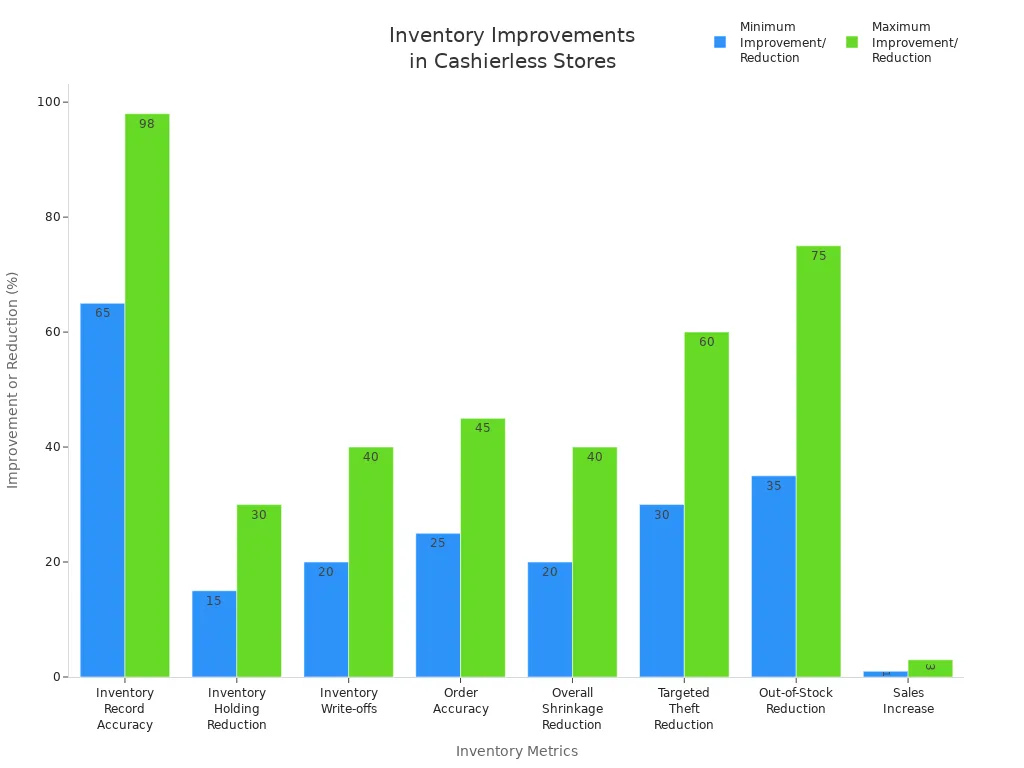
Metric | Improvement/Reduction |
|---|---|
Inventory Record Accuracy | Improved from 65-75% to 92-98% |
Inventory Holding Reduction | 15-30% reduction in safety stock requirements |
Inventory Write-offs | 20-40% reduction in inventory write-offs |
Order Accuracy | 25-45% reduction in excess ordering |
Overall Shrinkage Reduction | 20-40% decrease in total inventory shrinkage |
Targeted Theft Reduction | 30-60% decrease in targeted theft |
Out-of-Stock Reduction | 35-75% decrease in out-of-stock incidents |
Sales Increase | 1-3% increase in affected categories |
Real-time inventory checks make sure audits happen by themselves and shelves stay full. Stores can have what customers want, so sales go up.
Customer Loyalty and Revenue Growth
Cashierless store technology helps stores keep customers and make more money. Shoppers do not have to wait in line, so shopping is more fun. This technology helps stores sell more because people can buy things quickly. Stores save money on workers and keep more profit.
Cashierless stores remove lines at checkout.
Customers can buy things faster.
Fewer workers means more profit.
Better shopping makes people come back.
Real-time inventory tracking keeps products in stock. Customers are happy and return to shop again. AI can help stores give special offers and make shopping better. These changes help stores build loyalty and earn more money.
Challenges and Risks
Technical Complexity
There are many hard things about using cashierless store technology. It costs a lot to get started, especially for big stores. You need to connect cameras, sensors, and software so they work together. Small stores like Amazon Go can use this technology more easily. Big stores need more planning and careful setup. You also have to tell customers how you use their data. Talking clearly helps people trust your store and keeps it safe.
Big stores need more planning.
You must tell customers about data use.
Tip: Try the system in one store first before using it everywhere.
Financial and Privacy Concerns
You need to think about money and privacy with cashierless store technology. You spend a lot to put in cameras, sensors, and new software. These changes can make business harder at first. You also pay every month for data storage and fixing the system. Selling things like alcohol or fruit can cause mistakes and lost sales. It is hard to know who is shopping when the store is busy, which can cause errors and lost money. You must follow rules about data and keep your system safe from hackers. If you do not follow the rules, you could get in trouble with the law and lose money.
You pay a lot at the start.
Monthly costs add up.
Selling special items can cause mistakes.
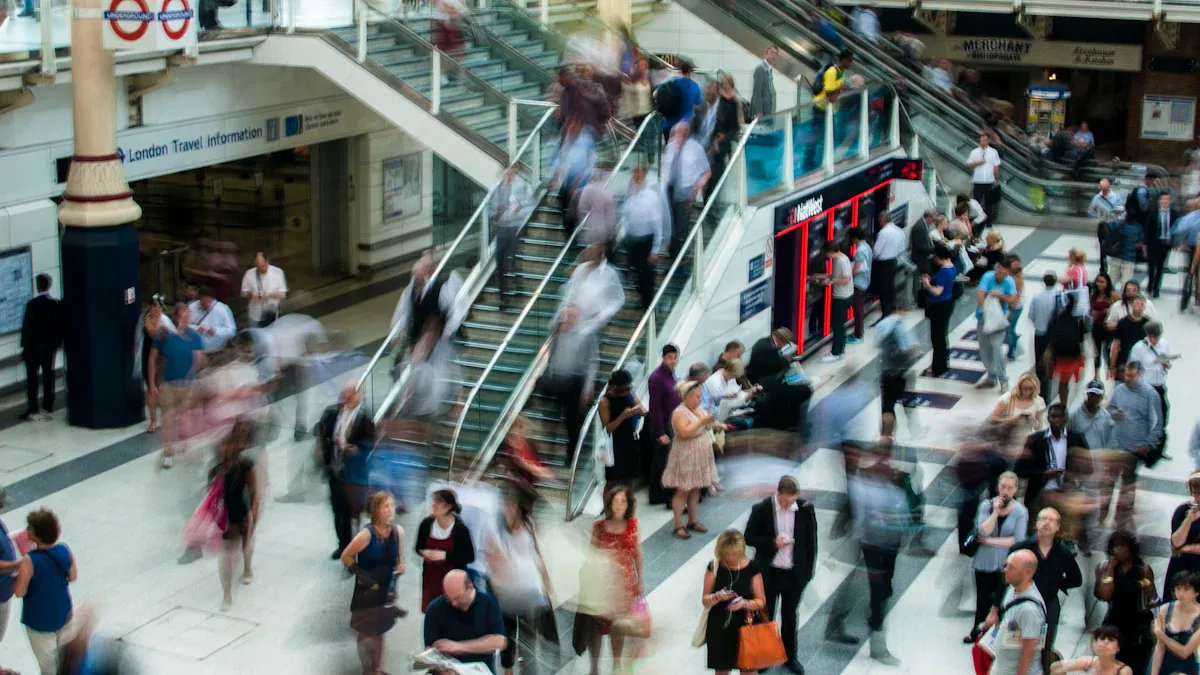
It is hard to know who is shopping in crowds.
You must follow data rules and keep systems safe.
Risk Type | Impact |
|---|---|
Financial | High costs, lost sales |
Privacy | Legal issues, data breaches |
Note: Keep customer data safe and follow all rules to stay out of trouble.
Customer Acceptance
Most customers like cashierless store technology because it is fast and easy. Young people, like millennials, learn to use it quickly. Some people worry about how they pay and if their data is safe. People may try the new system because it is different, but you need to test it more for everyone to like it. Older and younger people may feel differently about it. You should listen to what customers say and make changes so everyone feels good about shopping.
Shoppers like that it is fast and easy.
Millennials learn it quickly.
Some worry about privacy and paying.
More testing is needed for everyone to like it.
“Cashierless stores are changing shopping. You need to fix privacy and payment worries so all customers trust you.”
ROI Comparison: Cashierless vs. Traditional Checkout
Financial Metrics
When you look at cashierless and traditional checkout, you should check the money numbers. Cashierless store technology can help you spend 20-30% less on labor for each sale. You still need some workers, but they can help customers instead of working at the register. You can also finish more sales every hour, especially when the store is busy. More sales mean you make more money. You also need to think about all the costs, like fixing things and updating software. These costs matter when you want to know how much money you really make.
Labor costs can go down by up to 30%.
You can help more shoppers every hour.
You still pay for software and hardware fixes.
Note: Spending less on workers and making more sales can help you get your money back faster.
Operational Impact
Your store will change a lot. Long lines make 33% of shoppers leave without buying anything. Half of shoppers stay away from stores with long lines. Most people want to pay faster. Cashierless systems get rid of lines and make shopping easier. You can keep more shoppers and lose fewer sales. Your workers can help answer questions and put items on shelves.
Fewer lines make shoppers happier.
More people finish shopping.
Staff can help customers and restock shelves.
Competitive Advantage
You can get ahead of stores that use old checkout ways. The table below shows how cashierless store technology helps you do better:
Advantage | Description |
|---|---|
Better customer experience | No lines, happier shoppers, and more visits |
Efficiency | Faster shopping and more sales each hour |
Reduced labor costs | Fewer cashiers needed, more staff to help shoppers |
Better inventory management | Tracks stock in real time, less waste, and fewer empty shelves |
Shrink reduction | Less stealing and cheating with smart technology |
Optimized retail space | More room for products, less space for registers |
You also learn more about how people shop. This helps you give special deals and make your store better. People see your store uses new technology, so more shoppers want to visit. You can grow and change your store more easily.
Tip: Using cashierless store technology can help your store be a leader and stand out from others.
Case Studies
Success Stories
You can see cashierless store technology in real stores. Some retailers use it to work better and make more money. The table below gives two examples:
Retailer | Technology Used | Results |
|---|---|---|
Ahold Delhaize | Interactive Kiosks | Customers liked it and almost 700 stores use it now. Stores work better. Deli lines got shorter. |
Convenience Stores | Autonomous Store Technology | More people came during COVID-19. New shoppers visited. ROI went up with easy shopping. |
Ahold Delhaize used interactive kiosks so people could order food fast. Lines got shorter and shoppers were happier. Convenience stores that changed to autonomous technology got more customers, especially during the pandemic. Shopping was easier and profits went up.
Tip: Cashierless technology can help your store work better and bring in new shoppers.
Lessons Learned
Cashierless store technology has some problems too. Amazon tried cashierless stores and learned that running a store needs more than just machines. You must know what your customers want. Amazon spent a lot of money on technology, but still needed 1,000 workers to check sales. Sometimes sensors and AI made mistakes, so workers had to fix them.
Technology cannot do everything. You need trained workers to help shoppers and fix problems. Cashierless systems need people to watch and fix things all the time. You should give your team good tools and clear rules. When your team works well, technology helps them do their jobs.
Note: Good workers and strong plans are more important than just having new technology.
You can learn from these stories. If you plan well and train your team, cashierless store technology can help your business grow.
You can get strong long-term value from cashierless store technology if you plan well. Start by looking at your business needs and test small projects first. Choose the right tools, train your staff, and keep checking your results. The upfront cost is high, but you can see big gains in sales and lower costs over time. Here are key steps to help you succeed:
Assess your store’s pain points.
Pick the best technology for your goals.
Run a pilot before full rollout.
Build strong data systems.
Train your team.
Track and improve your results.
Metric | Value |
|---|---|
$2,700 | |
Average inventory turns/year | 50 |
Cashierless stores remove checkout lines, boost productivity, and give shoppers a better experience. Think about both short-term costs and long-term rewards as you decide.
FAQ
What is cashierless store technology?
Cashierless store technology lets you shop and pay without waiting in line. Sensors, cameras, and apps watch what you pick up. When you leave, the system charges you for your items.
How much does it cost to set up a cashierless store?
It costs between $150,000 and $500,000 for a medium store. This price pays for cameras, sensors, software, and setup. You save money later because you do not need as many cashiers.
Will cashierless stores reduce jobs?
You will need fewer cashiers, but workers can do other jobs. Staff can help customers or put items on shelves. Automation changes what people do, but does not take away all jobs.
Tip: Teach your team new skills so everyone can help.
Is cashierless technology safe for customer data?
Most systems use strong security and follow privacy rules. You should check how your store keeps data safe and tell shoppers about these steps.
Do customers like cashierless stores?
Many shoppers like faster checkout and less waiting. Some worry about privacy or how to pay. You can help by showing customers how the system works.
See Also
Discover How Cloudpick Enhances Store Convenience Without Cashiers
Upcoming Changes to Walmart Self-Checkout Access in 2025
Analyzing Walgreens Self-Checkout: Benefits and Retail Hurdles
The Future of Retail: Embracing AI-Powered Store Innovations
Comparing Micromarkets and Smart Stores in Global Retail Automation
