How Cashierless Store Technology Delivers ROI in 2026

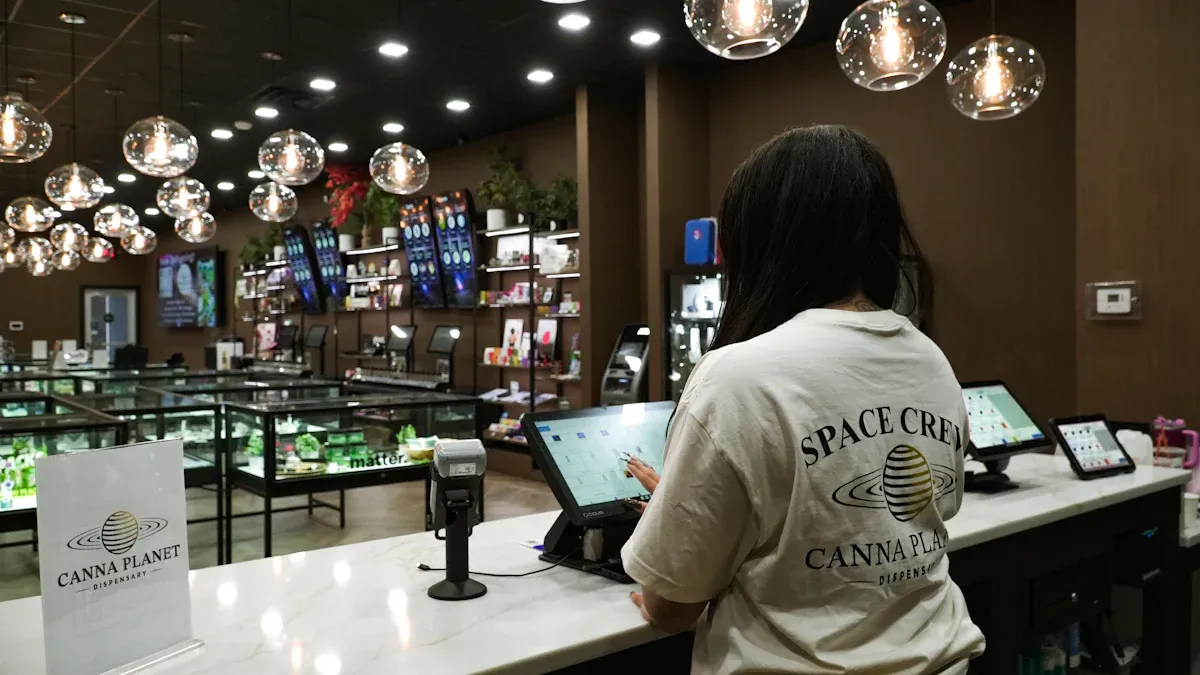
You can now see clear results from cashierless store technology in 2026. Most store owners say they save money, work better, and sell more. The table below shows that more stores use this software and spend more money on it as time goes on.
Evidence Type | Description |
|---|---|
Software Adoption | More convenience stores are starting to use this software. |
Market Growth | Stores are spending more money on this software every year. |
Measurable ROI | Most store owners see real savings and more sales with this technology. |
You want to lower labor costs, make work easier, and help customers more. Some stores get different results, so hybrid models and simple choices are getting more popular. The ROI of cashierless store technology depends on how you handle the good and bad parts.
Key Takeaways
Cashierless technology helps stores spend less money. It does this by needing fewer workers and making things run better. Retailers notice happier customers because checkout is quicker. Shopping is easier for people. Stores use numbers like sales per square foot to check how well cashierless systems work. They also look at inventory turnover to see the return on investment. Hybrid models mix self-checkout and cashierless choices. This gives stores more ways to help different customers. Putting money into good cybersecurity and clear data rules makes customers feel safe. It helps them trust the store and want to use cashierless technology.
ROI of Cashierless Store Technology in 2026

Industry Trends and Evidence
The roi of cashierless store technology is easier to see in 2026. More stores use these systems to meet new customer needs. Retailers want to keep up with fast changes in technology. The market for cashierless stores grows because shoppers want quick service and convenience. Automation and AI-driven tools help stores work better and save money. These changes make new rules for how stores work and serve customers.
Here is a table showing important trends that affect the roi of cashierless store technology:
Evidence Description | Implication |
|---|---|
Convenience stores change fast because customers want new things, digital technology gets better, and rules change. | This means more stores use cashierless systems as the market changes. |
Automation, AI-driven inventory, and cashierless checkout set new standards for stores. | This shows cashierless systems help stores work better and make more money. |
Customers change how they shop, so stores need many ways to help them. | This means cashierless systems are needed to meet customer needs in 2026. |
Stores use cashierless technology to keep up with these changes. Many owners say they get good roi, especially when they save money on labor and make shopping better for customers. Hybrid models and simple solutions are more popular as stores look for the best ways to get good roi.
Key ROI Metrics
You want to know how to check the roi of cashierless store technology. Retailers use different metrics to see how well they do. These metrics show where stores save money, work faster, and keep customers coming back.
Sales Per Square Foot: You check how much money you make for each square foot. Automation helps you sell more by making checkout quick and easy.
Inventory Turnover Ratio: You see how fast you sell and replace products. AI helps you keep the right items in stock and waste less.
Operating Costs: You spend less because automation means you need fewer cashiers and less manual work.
Customer Retention Rates: You get more repeat customers because shopping is fast and simple.
Profit Margins: You make more profit by cutting costs and selling more with automation.
You can also look at main things that affect the roi of cashierless store technology:
You expect about 10% lower labor costs with automated checkout.
This helps your store run better and gives customers a nicer experience.
You get more loyal customers who come back because they like fast service.
Automation lets your staff help customers and do more important jobs.
The roi of cashierless store technology depends on how well you use these tools and keep up with new trends. Many retailers see more sales and better customer loyalty. The return on investment grows as you improve your store and meet customer needs. In 2026, cashierless systems are a big part of retail technology’s future.
Cashierless Technology Overview
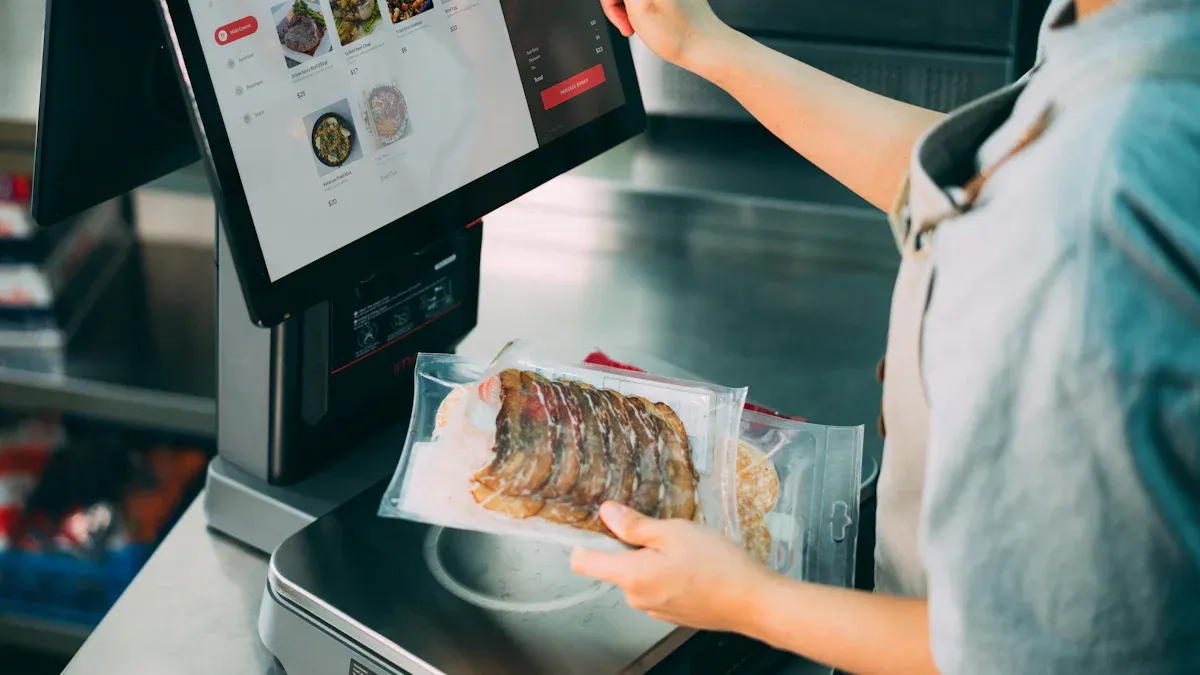
How Cashierless Stores Work
You walk into a store and see no cashiers. This happens because of cashierless technology and autonomous store technology. These stores use smart tools to watch what you pick up and buy. Some main tools you will see are:
Sensors
Cameras
Artificial Intelligence (AI)
Machine Learning Algorithms
Mobile Applications
Radio-Frequency Identification (RFID)
Electronic Shelf Labels (ESL)
When you come in, you might scan a QR code or swipe your card. The store’s system follows where you go and what you take. Cameras and sensors work with AI and machine learning to add things to your virtual cart. You finish shopping and just walk out. The store charges your account right away. You do not need to wait in line or talk to a cashier. Autonomous store technology makes shopping quick and simple.
You can find cashierless technology at places like 7-Eleven Shop & Go in Singapore, Amazon Go in the United States, Aisle 24 in Canada, and Moby Mart in Shanghai. Each store uses autonomous store technology to give you a fast and easy experience.
Evolution and Adoption
Cashierless technology has changed a lot over time. At first, stores had self-checkout machines. You scanned your own items and paid at a kiosk. Now, autonomous store technology lets you skip scanning and checkout lines. Amazon’s Just Walk Out system is a big change. It uses advanced tools so you can grab what you want and leave.
By 2026, you see autonomous store technology in many places like airports and stadiums. These places use cashierless technology because they need quick service. Some stores use hybrid models, mixing self-checkout with cashierless options. This helps stores save money and serve more people. Autonomous store technology keeps growing as stores try to make shopping easier for you.
ROI Drivers for Cashierless Stores
Labor Cost Savings
Cashierless retail helps stores save a lot of money. Self-checkout and automated checkout need fewer cashiers. One worker can watch many self-checkout stations at the same time. This saves money, which is important for grocery stores with small profits. Staff can do other jobs, like helping shoppers or stocking shelves. Cashierless stores handle busy times without hiring more people. This makes it easier for your business to grow.
Operational Efficiency
Cashierless retail makes stores work better. Automated checkout lets customers pay faster, so they wait less. The table below shows how cashierless stores help:
Metric/Outcome | Description |
|---|---|
Customers finish shopping quicker, which improves their experience. | |
Improved Employee Productivity | Staff can focus on important tasks instead of just running registers. |
Fewer Stockouts | Automation helps you keep shelves full and avoid running out of products. |
Smart retail uses artificial intelligence and data analytics to match staff schedules with busy times. This means you always have enough workers. Self-checkout and cashierless systems help during rush hours and cut down mistakes.
Customer Experience
Cashierless stores make shopping easy and quick. Customers like fast checkout and simple shopping. Many stores see higher customer satisfaction after adding self-checkout. Shoppers feel good because they control their own shopping. People come back more often because they enjoy cashierless stores. Some customers worry about data privacy, so stores must protect their information.
Factor | Impact on Customer Satisfaction |
|---|---|
Performance Expectancy | Positive |
Effort Expectancy | Positive |
Customer Empowerment | Positive |
Overall Customer Experience | Positive |
Data Privacy Concerns | Negative |
Data and Inventory Accuracy
Cashierless retail helps stores track inventory better. Computer vision and smart sensors check stock much faster. Stores can spot empty shelves quickly and restock before shoppers notice. Companies like AiFi and Trigo show cashierless systems are over 99% accurate. This means fewer out-of-stock problems and happier customers. Frictionless shopping and automated checkout help customers buy more. Smart retail keeps shelves full and lines short.
Barriers to ROI
High Costs and Integration
Cashierless store technology costs a lot of money. Setting up these systems needs a big investment. Many retailers have trouble with cash flow because of this. Large stores face more problems than small stores like Amazon Go. It is harder to use cashierless technology in big spaces. You must connect new systems to your old ones. Sometimes, your point-of-sale or inventory software does not match new automation tools. This can cause data silos and break your workflow. If your systems do not work together, you lose some automation benefits. These issues can slow your return on investment and make results take longer.
Tip: Check if your current systems can work with cashierless technology before you invest. This can help you avoid delays that cost money.
Security and Privacy
Security and privacy worries can keep customers away from cashierless stores. Many people worry about how much data stores collect and how they track shoppers. In a survey, 19% of people felt uncomfortable with stores tracking their movements and information. If you want customers to trust your store, you must explain what data you collect and how you keep it safe.
Worries about data collection and tracking can make customers avoid cashierless systems.
Almost one in five shoppers feel uneasy about being tracked.
You must explain your data policies and protect customer information.
Customer Adoption
Not everyone likes cashierless shopping. Adoption rates are lower than many hoped. Some shoppers feel nervous about new technology. Others worry about privacy or think the systems are too hard to use.
Many people are not ready to switch to cashierless stores.
Comfort with technology and wanting control affect adoption.
Some customers avoid stores like Amazon Go because they do not trust the technology.
Self-checkout kiosks at places like Walmart and Tesco saw low use because shoppers found them confusing.
To boost adoption, make your systems easy to use and address privacy worries. This will help more customers feel comfortable and increase your ROI.
Real-World Case Studies
Amazon and Just Walk Out Stores
Amazon is a leader with just walk out stores. In these stores, you grab items and leave without waiting in line. Cameras, sensors, and AI track what you buy. You pay as soon as you exit the store. Many people like how fast this is. Amazon proves stores can save money on workers and sell more. But some stores have trouble with high setup costs and keeping the tech working. Early users need to spend money on good systems and train workers for new tools. Amazon’s story shows you need to balance tech and what customers want.
Target, Walmart, and Hybrid Models
Target and Walmart use hybrid cashierless models. These stores mix self-checkout and scan-and-go systems. You get more ways to pay and shop faster. Target has express self-checkout lanes for quick shopping. Walmart uses scan-and-go and AI inventory to make shopping easier and manage stock.
Retailer | Implementation | ROI Results |
|---|---|---|
Target | Express Self-Checkout lanes | Transaction times down 8%, NPS up 5 points |
Walmart | Mobile scan-and-go, AI inventory systems | Logistics costs down 30%, EPS up 26.18% year-over-year |
These changes help stores save money and make customers happier. Target makes checkout faster and gets better Net Promoter Scores. Walmart spends less on moving goods and earns more per share. Hybrid models help stores get good ROI and make shopping easier.
Retailers can get better ROI by using cashierless tech for inventory and stopping losses. They should also plan for the future and spend on new tech to keep up with changes.
Big stores improve ROI by managing inventory and stopping losses. Spending on tech helps stores get ready for new changes. Learning from early users helps you do better in the future.
Alternatives to Cashierless Stores
Self-Checkout Solutions
You can find self-checkout in many stores now. These systems let you scan and pay by yourself. You do not need a cashier to help. Self-checkout can cut store staffing costs by half. It also lowers front-line labor costs by one-fifth. Stores like self-checkout because it is easy to set up. It works well for small shops and big stores.
Self-checkout is used in more stores than other systems.
Checkout-free systems are growing, but self-checkout is still most common.
Self-checkout has more transaction losses (3.97%) than regular checkouts (1.47%), but labor savings often make up for it.
Letting shoppers check out themselves makes them happier. But you must watch for losses and train workers to help when needed.
Hybrid and Simpler Models
Some stores use hybrid models that mix self-checkout with cashierless stores technology. These models give more choices and fit different store sizes and needs. You might see scan-and-go, smart carts, or computer vision for shelf checks. These tools save time and money and keep shopping simple.
Limitations | |
|---|---|
Customers wait less | Need lots of labeled data |
Stores spend less on labor | Worries about data security |
Hybrid models help stores lower wait times and labor costs. You must also think about keeping data safe and having good data to train your systems.
When to Choose Cashierless Technology
Think about your store’s needs before picking cashierless stores technology. Some alternatives may work better for your business. Here is a table to help you compare:
Key Features/Benefits | ROI Considerations | |
|---|---|---|
Scan-and-go checkout options | Makes checkout faster, better for shoppers | High ROI in busy stores |
Smart carts for small baskets | Easy shopping for small purchases | Moderate ROI, depends on how much customers use it |
Computer vision for shelf auditing | Helps keep inventory accurate, fewer stockouts | High ROI from less waste and more sales |
Back-of-house automation | Makes operations smoother, cuts labor costs | High ROI from better efficiency |
Micro-fulfillment | Faster delivery, happier customers | ROI changes based on store size and demand |
You may want cashierless stores if your store is busy, you want to sell more, or you need to cut labor costs. If your store is small or shoppers like simple checkout, self-checkout or hybrid models may be better. Always check your goals, customer habits, and budget before you decide.
Recommendations for Retailers
Assessing Readiness
You need to check if your store is ready for cashierless technology. Look at how your store works now and set clear goals for automation. Make sure your store’s systems can handle new technology. Try a pilot program before using it everywhere. This helps you see what works and what does not. Experts say you should change how shopping happens in your store. Old ways may not work with new technology. You also need strong cybersecurity to keep customer data safe.
Recommendation | Source |
|---|---|
Gandhi, Retail TouchPoints | |
Rethink traditional shopping paradigms | Gandhi, Retail TouchPoints |
Ensure strong cybersecurity measures | Troc Global Blog |
Best Practices for ROI
You can get better ROI by following some best practices. Train your staff on new systems. Keep technology simple so customers can use it easily. Always listen to what customers say. If shoppers find the system hard, fix problems quickly. Use clear signs and instructions in your store. This helps shoppers feel sure about shopping. Keep your data policies open and honest. Customers trust you more when you protect their information.
Run pilot programs to test new ideas.
Change old shopping habits to fit new technology.
Use strong cybersecurity and share your data policies.
Tip: Start small and grow as you learn what works best for your store.
Monitoring and Optimization
You must watch how well your cashierless system works. Track important numbers like conversion rates and customer satisfaction. Use AI analytics to find ways to make things better. Stay updated on new trends in AI and automation. This helps your store stay ahead of others.
Step | Action |
|---|---|
Step 1 | Check current operations, set automation goals, and pick KPIs you can measure. |
Step 2 | Make sure your store is ready and try cashierless flows to see if they work. |
Step 3 | Use AI systems, connect them to your store, and watch for ways to improve. |
You can keep your ROI strong by checking your results often and making changes when needed.
Future Outlook for ROI
Emerging Trends
New trends are changing cashierless store technology. These trends help you get more from your investment. Retailers use advanced AI to make stores smarter. AI helps with computer vision. The system can see items and know how customers shop. This makes stores work better and gives shoppers a smoother visit.
RFID technology costs less now. You can use RFID tags to scan items fast and stop theft. RFID also helps with returns. It makes returns easier for you and your customers. Many stores sell products online and through digital channels. Over 23% of retailer money comes from digital sales. You can link your store with your online shop. This gives customers more ways to buy things.
Stores try new ways to handle returns. AI can make product descriptions better. This helps customers know what they are buying. You can offer special return choices for your best customers. These changes help keep shoppers happy and loyal.
Key trends to watch:
AI for better item recognition and customer insights
RFID for fast scanning and loss prevention
More sales through digital channels
Smarter returns management with AI
Long-Term Value
Cashierless store technology will bring strong value over time. The market for autonomous checkout is growing fast. Experts say it will go from $5.55 billion in 2024 to $12.16 billion by 2032. This means more stores will use these systems. You will see better tools every year.
AI, machine learning, and sensors help this growth. When you invest in these technologies, your store works better. You also give customers a nicer shopping experience. As more stores use cashierless systems, you can keep up with new trends. You will stay ahead of your competition.
Tip: Keep learning about new technology. This helps you get the most value from your investment. It keeps your store ready for the future.
Cashierless store technology has good parts and tough parts. Some stores are not sure if they get ROI. Simpler systems help stores see results fast. You need to check your goals and try what works for you. The table below shows how cashierless and simpler systems are different:
Aspect | Cashierless Stores | Simpler Systems |
|---|---|---|
Cost Efficiency | ROI is not always clear | Quick, cheap improvements |
Customer Familiarity | Not as well known | Simple for customers |
Flexibility | Harder to grow | Grows as your store grows |
Proven ROI | Sometimes hard to see | Easy to see benefits right away |
Keep an open mind and keep learning as technology changes.
FAQ
What is cashierless store technology?
Cashierless store technology lets you shop without lines. Sensors and cameras watch what you pick up. AI helps track your items as you shop. You pay when you leave the store. Shopping is quicker and easier with this technology.
How does cashierless technology save money?
Stores need fewer cashiers with cashierless technology. Automation helps checkout go faster and makes fewer mistakes. Staff can do other jobs instead of running registers.
Is cashierless shopping safe for my data?
Most stores keep your data safe with strong security. They use encryption and clear privacy rules to protect you. Always check the store’s privacy policy before you shop.
Can small stores use cashierless systems?
Small stores can use cashierless systems too. Many companies make simple solutions for small shops. You can start with basic tools and add more as your store grows.
See Also
Discover How Cloudpick Enhances Your Store's Cashierless Experience
Upcoming Changes to Walmart Self-Checkout Systems in 2025
The Future of Retail: Embracing AI-Powered Store Innovations
Comparing Micromarkets and Smart Stores in Global Retail Automation
The Revolution of Retail: Smart Technology in Electronics Vending Machines
