How to scale autonomous retail from one site to many in franchise and multi-location retailers

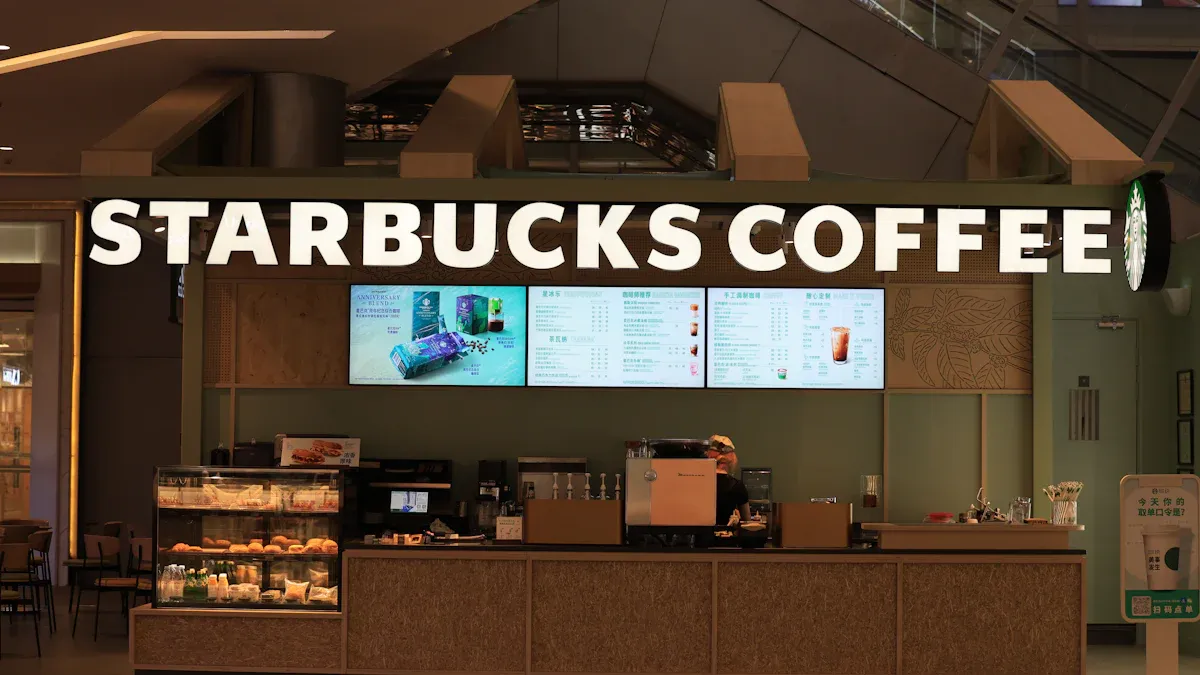
You can scale autonomous retail from one location to many locations. You need a clear plan and smart thinking. Franchise and multi-site retailers face unique challenges. They must ensure brand consistency across all locations. Additionally, they need to manage local inventory effectively. Strong relationships between franchisors and franchisees facilitate growth in this area. These relationships also encourage further investment. The table below outlines common challenges you might encounter:
Challenge | Description |
|---|---|
Brand Consistency | Every location must feel the same for people to recognize the brand. |
Local Inventory Management | Each location manages its own stock, making inventory control more difficult. |
Efficient Updates | Implementing changes takes longer without a unified system for all sites. |
Key Takeaways
Check if your business is ready and make clear goals first. Use data to find the best places for new stores.
Buy technology that can grow with your business and link all stores. This means using cloud computing and AI to make work easier.
Make sure all stores do things the same way. Clear rules and the same data help stop mistakes and make work better.
Give local teams the right tools and watch over them. AI can help people make better choices and keep track of inventory.
Make sure customers have the same good experience in every store. Use smart technology to keep shelves full and give great service.
Scale Autonomous Retail: Key Steps
To grow autonomous retail in many stores, you need a good plan. You should check if your business is ready. You also need to build strong technology and make sure all stores work the same way. These steps help you run many stores well and find new chances in retail.
Assess Readiness & Goals
First, look at your current systems and set your goals. Check important numbers to see if you can add more stores. Use dashboards and scorecards to watch how each store is doing. When you use the same KPIs and connect your data, you can see all your inventory and manage stores better.
Metric | Description |
|---|---|
10-15 core KPIs across all locations for consistent benchmarking | |
Location-level dashboards | Dashboards accessible to franchisees for independent performance tracking |
Unified data integration | Integration of POS, labor, and inventory data for a comprehensive view |
Automated reporting | Daily P&L and performance summaries to minimize manual reporting |
Real-time visibility | Near-real-time data for timely operational decisions |
Benchmarking | Comparison of performance across locations and regions |
Operational scorecards | Concise views for GMs and regional directors to assess health |
Drill-down capability | Different views for corporate, regional, and location-level data |
Timeliness | Daily data reporting for proactive management |
You also need to set clear goals for growing your franchise. Learn what your customers like and who lives near your stores. This helps you pick the best places for new stores. Decide if you want to change old stores or open new ones. Figure out what you want your autonomous retail project to do and guess how many people will visit.
Tip: Pick what products you want to sell and choose busy places for your stores.
Decide how big your autonomous retail project will be.
Choose if you will change an old store or build a new one.
Pick what you will sell and how many customers you expect.
A good plan makes your stores work better. Studies show that a clear plan means fewer help desk calls and faster fixes. You get answers faster and fix prices quickly. This helps you run many stores and own more than one shop.
Build a Scalable Tech Foundation
You need to buy technology that can grow with your business. Autonomous retail uses smart technology to connect everything and work fast. Cloud computing, computer vision, sensor fusion, and artificial intelligence are very important. Mobile apps link shopping in the store to digital payments. Robots help with stocking shelves and cleaning, making stores run better.
Technology Type | Description |
|---|---|
Computer Vision Systems | High-resolution cameras monitor customer movements and product interactions, providing real-time visual information. |
Sensor Fusion | Combines data from various sensors to create an accurate understanding of store activities. |
Artificial Intelligence (AI) | Processes data from cameras and sensors, continuously learning to improve accuracy in identifying products and actions. |
Cloud Computing | Provides the necessary infrastructure for processing and storing the vast amounts of data generated. |
Mobile Application Integration | Connects the physical shopping experience to the customer's digital identity and payment information. |
Robotics | Assists in back-end operations like inventory management and cleaning, enhancing store efficiency. |
Look at stores like Amazon Go, Alibaba's Hema, and Tesco. They use AI and computer vision to grow their stores. Trigo-powered stores change to fit local shoppers, so shopping is easy everywhere.
Note: Pick cloud-native, API-first systems with Retail IoT to help your stores grow and stay flexible.
Standardize Operations
You need to make sure all stores follow the same rules. Clear rules and the same data fields stop mistakes. Set the order for each step and make rules for special cases. Write down what to do and say who is in charge.
Make clear rules for what information goes into the system.
Use the same data fields, like customer numbers.
Set the order for each step in automation.
Write rules for special cases and say who handles them.
Work on the most important things first for quick results. Pick tools that are safe, work together, and can grow. Make teams from different jobs to work on things like inventory and staff schedules. When you use the same rules, you see big benefits. Automatic restocking helps with inventory. Changing prices helps customers. Using demand to stock shelves saves time. GenAI uses customer data to guess what will sell, so you can stock up fast. Suggesting products can make more people buy, up to 20% more. Computer vision helps fix self-checkout problems by over 70%.
Callout: Using the same rules helps you grow your franchise and handle many stores.
You give shoppers the same experience in every store. You make it easier to run many stores. You help your teams with clear rules and training. You can open new stores faster and pick the best places.
Multi-Site Location Strategy & Challenges

Franchise & Ownership Structures
You need to pick the best location plan for growing your autonomous retail stores. Multi-unit franchise growth means you must know what customers like and who lives nearby. You can add more stores by choosing places like offices, events, and busy spots. Owning many stores can be tricky. Bad choices about connecting systems can cost more money in franchise groups. You need tools that help all your stores work the same and let you check how they are doing. Using one main system helps you run many stores and keeps data moving smoothly. The best systems let you change things, but you have to connect them carefully.
Grow your stores by using new places.
Open more stores in busy areas.
Autonomous stores need fewer workers.
Set up stores fast when you need to.
Empower Local Teams with Oversight
You help franchise teams by giving them good tools and watching over them. AI works like a smart manager for a group of stores. It looks at data right away and finds patterns. You can plan how many workers you need by guessing how busy the store will be. AI helps people make better choices, but people still check and use their own ideas. Local teams can react faster when things change. AI makes guesses better, sometimes by half, compared to old ways. Managing stock gets easier, so you waste less and don’t run out. Workers can do more important jobs instead of simple tasks.
Strategy | Benefit |
|---|---|
Increased responsiveness | AI predicts local demand shifts, improving accuracy by 20-50%. |
Waste reduction | AI optimizes inventory, reducing overstock and stockouts. |
Enhanced customer perception | AI enables tailored product displays, improving satisfaction. |
Operational relief | AI allows staff to focus on strategic roles, enhancing efficiency. |
Tip: Use AI to help with running many stores and online shops. This makes it easier to watch over all your stores.
Consistent Customer Experience
You need to give shoppers the same experience in every store. Smart technology helps you see what is in stock and keeps shelves full. Omnichannel means shoppers can use different ways to shop. AI helpers give the same good service every time. They follow the brand rules and remember store policies. Workers can spend more time helping customers because tech does the boring jobs. You can check how happy customers are with scores like Customer Effort Score and Resolution Quality Index. Channel Transition Efficiency makes sure shoppers get the same help everywhere.
Use smart tech to see what is in every store.
Make sure all stores feel the same to shoppers.
Teach teams to give great service.
Use online and in-store plans for one brand look.
Callout: A good location plan helps you open more stores and solve problems. You find new chances in retail and grow with smart tools.
Autonomous Retail Technology & Support
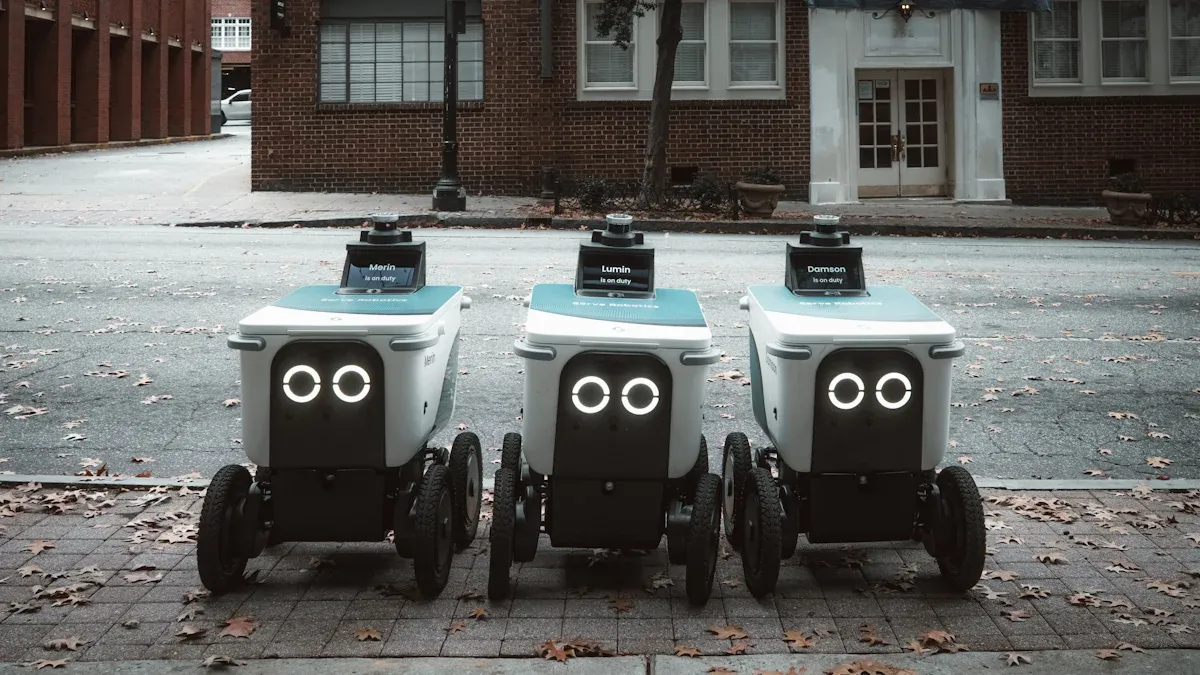
Centralized Inventory & Data
You need one main system to control inventory for all stores. This system lets you see what you have in every store. You can check stock levels right away and make better choices. When you want to open more stores, you use smart tools to guess what you will need. You use rules to help order products so you do not have to do it by hand. Suppliers connect to your system, so buying is faster and you can move products between stores. Teams use phones to check and update stock anywhere. Barcode and RFID tools help you count items quickly and correctly. You keep watching your system to make it better. Each store can pick products that local shoppers like, so customers are happier. Stores talk to each other right away, so you do not run out of things and can open new stores fast.
You can see all your stores in one place.
Stock updates happen right away in every store.
Smart tools help you know what to order.
Rules help you order products without extra work.
Suppliers connect to your system for easy buying.
The system works with many types of products.
You get reports to see how your stores are doing.
The system grows with you as you add more stores.
People get different access based on their jobs.
Seamless Payment Systems
Autonomous retail needs easy payment systems for happy shoppers. Smart machines can buy groceries for you when you need them. Cars can pay for parking and tolls without you doing anything. All your stores use the same payment steps, so things are always the same. Security keeps your information safe with special codes. You follow rules to protect customer data. Keeping payments safe is very important for these stores. You must stop people from getting into your system and stealing payment info. Security covers payment machines and loyalty apps. You check your system often, use codes to hide data, and make sure people are who they say they are to stop problems.
Key Considerations | Description |
|---|---|
Consistency | All stores use the same payment steps and safety rules. |
Security Measures | You use codes to hide data and follow safety rules. |
Scalable Support & Training
You need support and training that can grow with your stores. Big retailers use coaches, guides, and online tools to help many stores. When you open more stores, you need strong support and good ways to work. Training helps workers learn new AI tools. Good training makes workers want to use new systems. Change management helps everyone keep learning and not be afraid of new tech. You give teams tools to help themselves and teach them well when they start. It is easier to run many stores when you have support that grows with you.
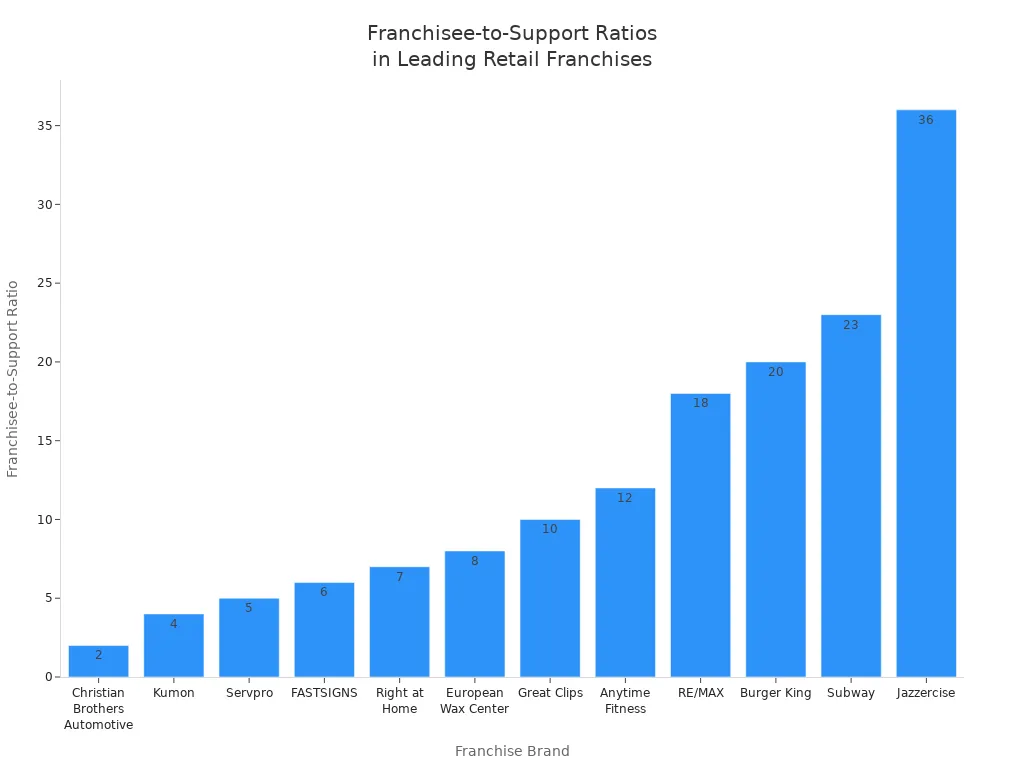
Tip: Keep helping and training your teams so you can run more stores and grow your business.
You can grow autonomous retail if you follow a clear plan. Start by making changes in steps and use the same technology everywhere. Train your workers so they know what to do. Use AI and edge computing to make shopping better for customers. Check if you are ready by looking at industry standards. Keep your stores flexible so you can change fast.
Start now. Look at your systems, teach your teams, and get help so you can open more stores with confidence.
FAQ
What is the first step to scale autonomous retail across multiple locations?
First, check if you are ready and set clear goals. This helps you pick the right systems and make a strong plan. A good start lets you open more stores faster and choose the best places.
How do you manage multiple stores in a multi-unit franchise expansion?
You use one main system to see all your stores at once. These tools help you run many stores and connect them together. You can watch how each store is doing and fix problems quickly.
What are the main challenges of multi-site ecommerce for retailers?
Retailers have trouble making all stores work together. They need to give shoppers the same experience everywhere. It is important to train teams and keep brand rules the same. New stores also need extra help and support.
How can automation improve high footfall locations?
Automation makes checkout and restocking much faster. You can use smart tools to help more customers and make fewer mistakes. This helps you grow and open more busy stores.
Why is training important for multi-store retail and deployment?
Training helps teams learn new systems and automation. It lets workers get used to changes quickly and run more stores well. Training all the time keeps your stores working better than others.
See Also
Exploring Global Trends in Automated Convenience Retail Solutions
Launching a Low-Cost AI-Driven Corner Store Successfully
Understanding the Growth of AI-Enhanced Corner Stores Today
Revolutionizing Online Store Management with AI E-Commerce Tools
