How Micromarkets Are Tackling Inventory Loss with Scanner-Free Checkout

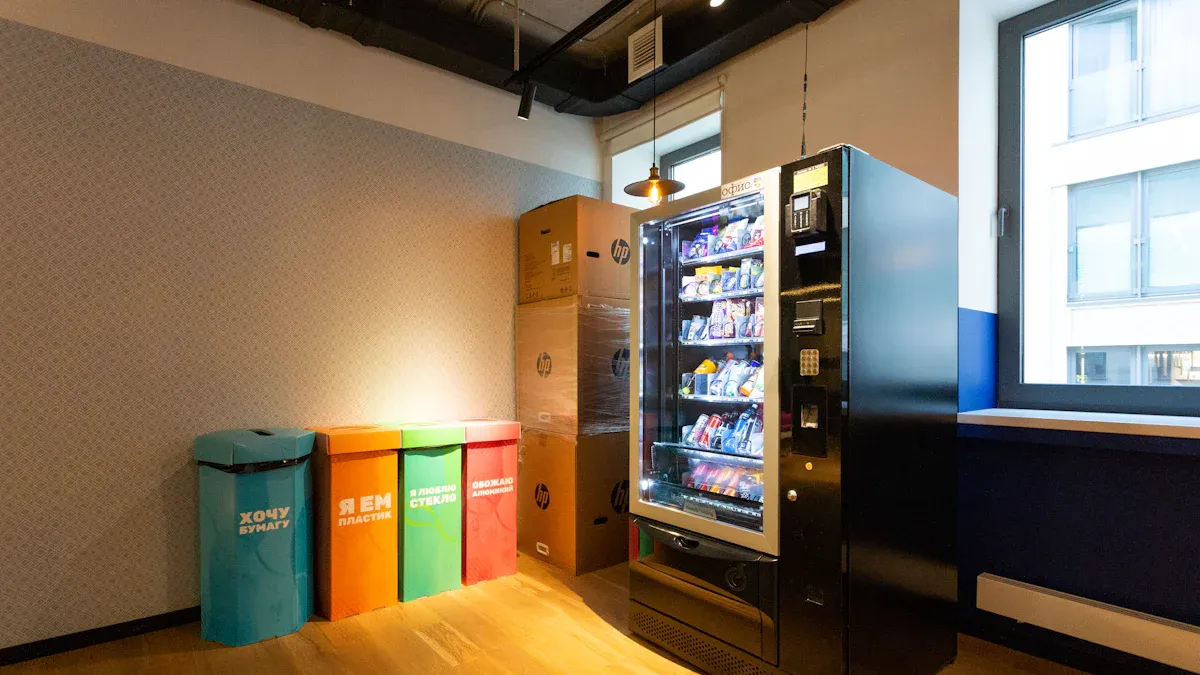
Micromarkets have a special tool to stop inventory loss: scanner-free checkout technology. Operators get excited when they see numbers like these:
Checkout Type | Shrink Rate (%) |
|---|---|
Self-Checkout | |
Traditional Cashier | 0.21 |
That is a huge difference! This technology is fast and easy to use, but it can also bring some tricky problems. Look at this:
Risks | |
|---|---|
Efficiency | Theft |
Cost Reduction | System Errors |
Consumer Convenience | Customer Frustration |
Accessibility | Shrinkage Rates |
Smart operators know they must learn about every problem and every fix. This helps their micromarkets do well.
Key Takeaways
Scanner-free checkout uses AI and sensors to watch items all the time. This helps lower inventory loss. Operators see less theft. Some say shrinkage goes down from 8% to 3%. Watching inventory in real time keeps shelves full. It also cuts empty shelves by up to 60%. Customers get faster checkouts. They wait less and feel happier. Operators need to think about costs. They also need to consider privacy concerns with new technology.
Scanner-Free Checkout Technology in Micromarkets
What Is Scanner-Free Checkout Technology
Scanner-free checkout technology seems like something from the future. Shoppers walk into a micromarket and pick up snacks. They do not need to scan anything. The system uses computer vision, artificial intelligence, and RFID to see what people take. No one has to mess with barcodes or wave items under a red light. The technology watches what shoppers do and remembers their choices. It charges the customer by itself. Old self-checkout systems make shoppers scan each thing one at a time. That takes longer and can cause mistakes. Scanner-free checkout technology skips these problems and makes shopping easy.
Think about a student who is hungry and late for class. She grabs a sandwich and a drink and leaves fast. The scanner-free checkout system knows what she took and updates the inventory right away. There are no lines, no beeps, and no mix-ups.
Why It Matters for Micromarkets
Micromarket operators like scanner-free checkout technology for many reasons. The system helps them keep track of every item and find problems quickly. Operators see fewer mistakes and less stealing. They also notice that customers are happier and wait less.
Operators who use smart kiosks and cashless payments saw less theft. One operator saw shrinkage go down from 8% to 3%.
Another store made 12% more money after doing regular inventory checks and training workers.
AI tools like MarketSight and Panoptyc watch the store all the time. These tools help find theft and keep track of inventory.
Scanner-free checkout technology gives operators more control. It helps them run their micromarkets better. The difference between old and new systems is easy to see. The new way saves time, stops mistakes, and keeps customers coming back.
Shrinkage Risks and Challenges

Theft and Unknown Loss
Micromarkets look fun for snack lovers, but they can be tough for operators when shrinkage happens. Shrinkage means some items just disappear. Sometimes, a customer takes something without paying. Sometimes, an employee takes things when no one is looking. Other times, it is just a mistake and no one knows what happened.
Self-checkout makes it easier for people to forget to pay or take things. Studies show theft goes up by 65% with self-checkout compared to regular checkout.
Employees can also cause problems. They might make mistakes, break things, or take items for themselves.
Micromarkets are open, so anyone can walk in and grab a snack. This easy access means there is more risk for theft and missing items.
Note: Theft in micromarkets can quickly take away profits. Operators need smart ways to protect their products and keep their business strong.
Operators use security cameras, teach workers, and sometimes work with police. They also tell customers to be honest, hoping everyone helps keep the market safe.
Scanning Errors and Inventory Impact
Scanner-free checkout technology tries to stop mistakes, but it is not perfect. Sometimes, the system misses an item or counts something twice. Sometimes, customers make mistakes, like taking two sodas but only paying for one.
Let’s look at the numbers:
Checkout System | Transactions with Shrink (%) | |
|---|---|---|
Self-Checkout | 3.5 | 6.7 |
Traditional Cashiers | 0.21 | 0.32 |
Self-checkout shrink rates can go up to 4%. Traditional cashiers keep it under 1%. That is a big difference! Even big stores like Wegmans stopped using self-checkout after losing too much to theft.
Customer mistakes, like using the wrong barcode, add up over time.
Inventory counts get mixed up when mistakes happen.
Operators must check stock often and fix problems fast.
Shrinkage may seem small, but it can take away profits and make inventory checks feel like a hard game.
Reducing Shrinkage with Advanced Solutions
AI and IoT Integration
Micromarkets use smart technology to stop inventory loss. AI and IoT work together like a strong team. AI watches shoppers and learns what they do. IoT connects shelves, cameras, and sensors to the internet. These tools help operators find problems before they get worse.
ProWatch Solutions made a system called ARMS. ARMS uses AI and video to catch sneaky actions. Operators get reports that show what happened and when. The founder of ProWatch worked in vending for years. He listened to operators and made sure ARMS fixes real problems.
Let’s look at how these tools help:
Contribution Type | Description |
|---|---|
Cameras and monitors watch customers and help stop theft. | |
Real-time Inventory Monitoring | Operators see stock levels right away and fix problems fast. |
Predictive Analytics | AI checks data and guesses what people will buy next, so shelves stay full and shrinkage drops. |
Theft-prevention Measures | Weighted shelves and smart locks keep snacks safe from thieves. |
Revenue Impact | Barrett Vending made more money after using these new tools. |
Operators like these tools because they make work easier. They do not have to guess what is missing. The system tells them. AI and IoT help micromarkets run better and safer.
Real-Time Tracking and Monitoring
Real-time tracking works fast. Operators know what is on the shelf every minute. If someone takes a candy bar, the system updates right away. No more guessing.
Here are some big wins from real-time tracking:
Metric | Improvement |
|---|---|
Inventory Turnover | 20% increase |
Stockouts | 60% drop |
Obsolete Inventory | 30% reduction |
Precision Products Inc. cut monthly stockouts by 80% and saved $7,000 on shipping.
Smart inventory monitoring helped companies lose 30% less from having too much stock.
Overall efficiency went up by 25%.
After switching to real-time systems, one retailer found 80% of missing packages. They saved $58 million and saw missing packages drop by 60%. That means a lot of candy bars did not disappear!
Operators are happy when they see these results. They spend less time counting and more time selling. Customers find what they want, and shelves stay full.
Effectiveness and Limitations
AI and IoT are great, but they are not perfect. Sometimes, systems break or get confused. Old software can show the wrong stock. Point-of-sale glitches might forget to remove items from inventory. If systems do not talk to each other, numbers get mixed up.
System Failure Type | Example Scenario | Impact on Inventory Accuracy |
|---|---|---|
Outdated WMS Software | System does not update stock right away | Stock looks like it is there when it is not |
POS System Glitch | Sales do not remove items from inventory | Stock numbers are too high |
System Integration Gaps | Warehouse system does not update others | Different systems show different numbers |
Barcode Scanner Failure | Scanner misses items when receiving them | Inventory is missing or not counted |
Cloud Downtime or Delay | Updates take hours to show up | Items can be sold twice or oversold |
Operators must watch for these problems. They need to check systems often and fix issues fast. Even with scanner-free checkout technology, mistakes can happen. Smart tools help, but people still need to pay attention and act quickly.
Tip: Operators should teach staff to spot errors and keep systems updated. Technology works best when people use it the right way.
Benefits of Scanner-Free Checkout Technology
Efficiency and Accuracy
Scanner-free checkout technology makes micromarkets fast and easy. Operators see shelves stay full and numbers stay correct. The system tracks each item when someone picks it up. There is no need to guess or count snacks by hand. AI-powered systems help operators know what customers want next. This way, they stock the right things and waste less. Real-time stock checks mean there are 20% fewer empty shelves. Predictive analytics looks at what people buy and helps fill shelves with top sellers. Fewer mistakes mean less lost inventory and happier customers.
Tip: Operators using scanner-free checkout technology fix fewer errors and have more time to earn money.
Here’s a quick look at how data-driven insights help:
Benefit | Result |
|---|---|
Real-time monitoring | 20% fewer empty shelves |
Predictive analytics | Less waste, better stocking |
Demand prediction | Fewer out-of-stock moments |
Customer Experience
Shoppers like micromarkets with scanner-free checkout technology. They walk in, grab snacks, and leave without waiting. Over half of customers say skipping the line is the best part. Almost three out of four people want faster checkout with technology. Most shoppers use mobile apps and like stores with digital services. RFID technology lets them control their shopping trip. Customers can change their minds and swap snacks easily. Self-service devices make people happy and let them shop their way. Some people still want help, so operators are there when needed.
55.3% of shoppers say no lines make shopping better.
83.1% have tried a store’s mobile app.
69.8% pick stores with digital options.
72% rank fast checkout as a top feature.
Scanner-free checkout technology makes shopping fun, quick, and flexible. Operators see more happy faces and fewer complaints.
Implementation Challenges
Cost and Integration
Micromarket operators want scanner-free checkout systems. But these systems cost a lot of money. New cameras and sensors are expensive. Software upgrades add even more cost. Operators need to train workers and fix old systems. Sometimes, they must rebuild parts of their stores. It feels like trading a bike for a spaceship.
Some shoppers get confused by the new technology. Now, scanning happens at the entrance. First-time users may not know what to do. Some customers miss talking to staff. Full automation sounds fun, but people are still needed. Machines can make mistakes. People must fix those mistakes.
Here are the biggest changes operators face:
Operational Change | Description |
|---|---|
Customer Adoption | Scanning at the entrance can disrupt the shopping flow for first-time users. |
Customer Experience | Some shoppers prefer staff interaction and may feel uneasy about surveillance. |
Operational Complexity | Full automation is tough; human oversight helps manage errors. |
Privacy and Trust | Extensive tracking worries privacy-conscious shoppers and affects their trust. |
Operators need to think about cost and benefits. They should ask if the system will help or just cost more. Good planning helps avoid problems.
Privacy and Security
Privacy and security worries show up fast. Scanner-free checkout uses cameras and sensors to watch shoppers. Some people do not like being recorded. Others worry about their personal data.
Operators use sensor fusion to spot customers without showing faces. Many cameras work together to track people and keep privacy. The system knows what products people take. It tries not to go too far.
Here are the top privacy worries:
Concern Type | Description |
|---|---|
Biometric Data Misuse | Misuse of biometric data raises big privacy questions. |
Compliance with Privacy Laws | Companies must follow privacy laws or risk lawsuits. |
Consent Issues | Customers may not know their data gets collected and used. |
Operators must keep systems safe and follow privacy laws. They should tell customers how their data is used. People trust stores that keep them safe. Operators who respect privacy get loyal customers and avoid problems.
Tip: Operators should update privacy rules, teach workers, and use tech that protects customer data. A safe micromarket is a happy micromarket! 🛡️
Future Outlook for Inventory Management
Trends in Self-Service Retail
Micromarkets are changing quickly. Shoppers want to shop fast and have fun. They like to pick snacks and pay without waiting. Retailers notice new shopping habits all the time. Gen Z and Millennials are leading these changes. They really like self-service. PYMNTS says 84% of people want self-service checkouts. Mobile self-checkout lets customers use their phones to scan and pay. This means no more long lines. Shoppers mix online and in-store shopping now. They want shopping to be easy and smooth. Retailers try to keep up with these new ideas. They add smart kiosks, mobile apps, and digital shelves. The difference between stores and websites is getting smaller. Everyone wants shopping to be simple and feel special.
84% of shoppers like self-service checkouts.
Gen Z and Millennials use self-service the most.
Mobile self-checkout makes shopping faster and easier.
Shoppers want online and in-store shopping to work together.
Long-Term Impact on Shrinkage
Experts think big changes are coming. Scanner-free checkout technology uses AI and computer vision to watch shoppers. Diebold Nixdorf’s Vynamic Smart Vision Shrink Reduction helps stop theft with smart cameras. Mashgin’s kiosks use computer vision to see every snack. Smart carts keep track of products all the time. These tools help catch mistakes and stop stealing. Retailers lose fewer items. AI systems learn quickly. They find items that are not scanned and tell workers. Shrinkage goes down. Security gets better.
Here is what might happen in the next five years:
Technology | |
|---|---|
Artificial Intelligence | Figures out what people want, plans inventory, and helps make smart choices. |
Internet of Things (IoT) | Watches items and shelves all the time. |
Blockchain | Keeps records safe and honest, so problems are rare. |
Automation and Robotics | Moves products and counts stock with robot helpers. |
Cloud and SaaS Platforms | Shares data quickly, connects stores, and helps manage many locations at once. |
Retailers need to pay attention. New technology comes out every year. Operators who learn and change do well. They keep shelves full and customers happy. The future looks good for micromarkets that use new ideas and watch their inventory.
Tip: Operators should look for new trends and try new things. The best micromarkets always get better! 🚀
Scanner-free checkout technology makes micromarkets exciting but also risky. The National Retail Security Survey says shrinkage went down by 22% from 1991 to 2017. After that, it went up by 67%. Operators notice faster service and more sales. But new risks can show up. Smart managers use some good ideas to stay safe:
Put in special surveillance cameras.
Check reports to find theft patterns.
Watch the market with real-time analytics.
Expert Insight | Description |
|---|---|
Technological trends | New tech and real-time data help micromarkets work better and smarter. |
The future looks good for operators who use tech and pay close attention! 🚀
FAQ
What is scanner-free checkout technology?
Scanner-free checkout technology lets shoppers grab snacks and go. Cameras and sensors watch every move. The system charges people for what they take. No scanning, no waiting, just pure snack magic!
Does scanner-free checkout stop all theft?
No system catches every thief. Scanner-free checkout makes stealing harder. AI and cameras watch closely. Some sneaky snackers still slip by. Operators use extra tricks to keep snacks safe.
Is my personal data safe in micromarkets?
Operators protect customer data with strong security. They follow privacy laws and use smart tech. Most systems avoid showing faces. Shoppers can ask how their data gets used. Safety first, snacks second!
Will scanner-free checkout make shopping faster?
Absolutely! Shoppers skip lines and leave with a smile. The system tracks snacks in real time. No more waiting for slow scanners. Shopping feels like a race, and everyone wins! 🏁
See Also
Navigating Walgreens Self-Checkout: Benefits and Hurdles in Shopping
The Progression of Self-Checkout Technology Over Time
Comparing Micromarkets and Smart Stores in Global Retail Automation
Walmart Self-Checkout Updates: Anticipated Changes for 2025
Cloudpick's Role in Introducing Cashier-Free Shopping Solutions
