Unlocking Growth for Second Hand Businesses with Corner Stores


Shoppers want to save money and help the planet during holidays. Second Hand Businesses are popular because more people buy secondhand gifts.
Higher prices make shoppers pick pre-owned things.
Most people want to give secondhand gifts like books, clothes, accessories, and home décor.
64% of shoppers might buy secondhand gifts for themselves.
Corner stores help these businesses find new customers who care about saving money and the environment.
Key Takeaways
Corner stores help Second Hand Businesses by putting products near shoppers. This makes more people see and buy things.
Putting bright displays near the door can get customers to look at secondhand gifts. This works well when lots of people are shopping.
Making friends in the community with events and partnerships helps customers trust Second Hand Businesses. It also makes people want to come back.
Using technology to track items helps Second Hand Businesses sell things fast. It also saves money and stops waste.
Telling people about eco-friendly shopping with secondhand items helps the planet. It also attracts shoppers who care about the environment.
How Second Hand Businesses Benefit from Corner Stores
Expanding Customer Reach
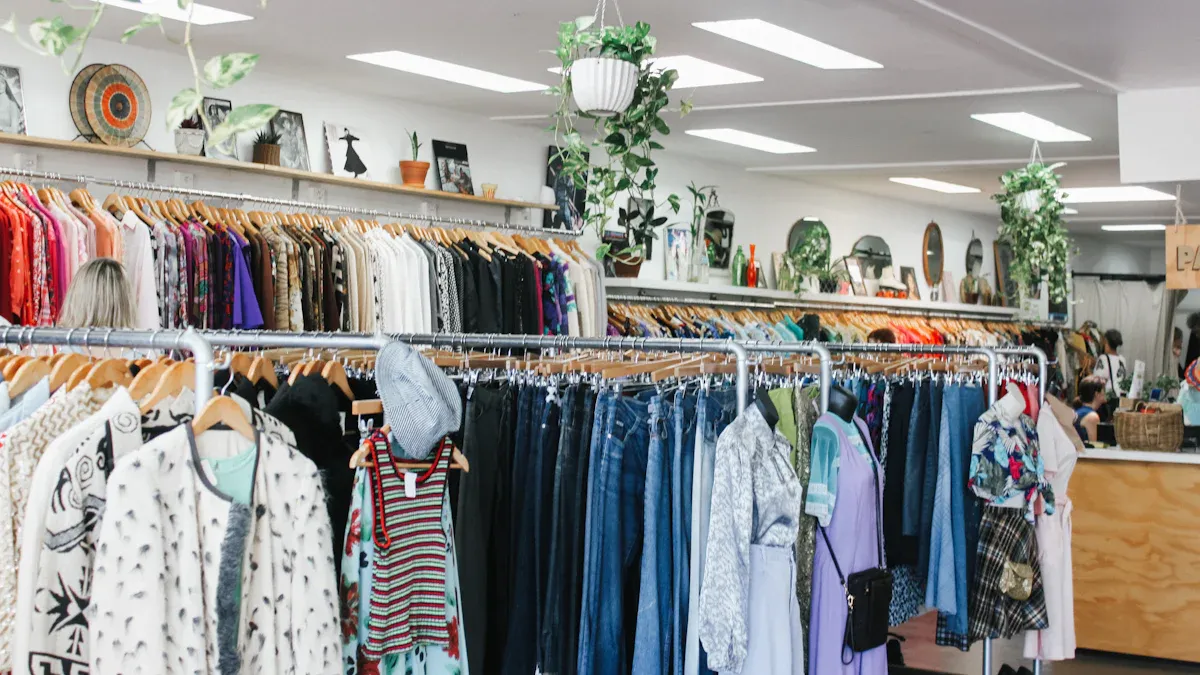
Second Hand Businesses get a big boost by working with corner stores. These stores are close to where people live. Shoppers visit them often for things they need every day. When people come in, they see new products and services. This means Second Hand Businesses can meet customers who do not go to thrift shops or shop online.
Corner stores show secondhand items to new people.
Shoppers who want cheap gifts find special choices nearby.
Families and friends can find pre-owned treasures while shopping for other things.
During holidays, more people want gifts that matter and do not cost much. Urban Thread's owner did well by selling secondhand gift baskets in corner stores. These baskets have new and pre-owned items. They are good for people who want to save money and help the planet. Many shoppers, about 78%, want cheaper choices during holidays. This helps Second Hand Businesses meet holiday needs and get new customers.
Tip: Put bright displays near the door to help shoppers see secondhand gift ideas, especially when stores are busy.
Enhancing Brand Visibility
Corner stores help Second Hand Businesses get noticed in the neighborhood. When shoppers see secondhand items in a place they know, they start to trust the brand. This helps the business connect with local people.
AI-powered personal assistants in corner stores can give shoppers tips based on what they bought before.
These assistants help customers and make them feel special.
Smart technology can change to match how shoppers feel, making the store friendly.
Real-time deals and rewards help shoppers come back again.
Second Hand Businesses can also control how shoppers see their brand. With technology and good displays, they make shopping feel personal and fun. This helps shoppers see why pre-owned items are a good choice, especially for gifts that have a story.
Note: Being in corner stores helps people remember the brand and trust Second Hand Businesses in their neighborhood.
Convenience and Community Engagement
Local Connections
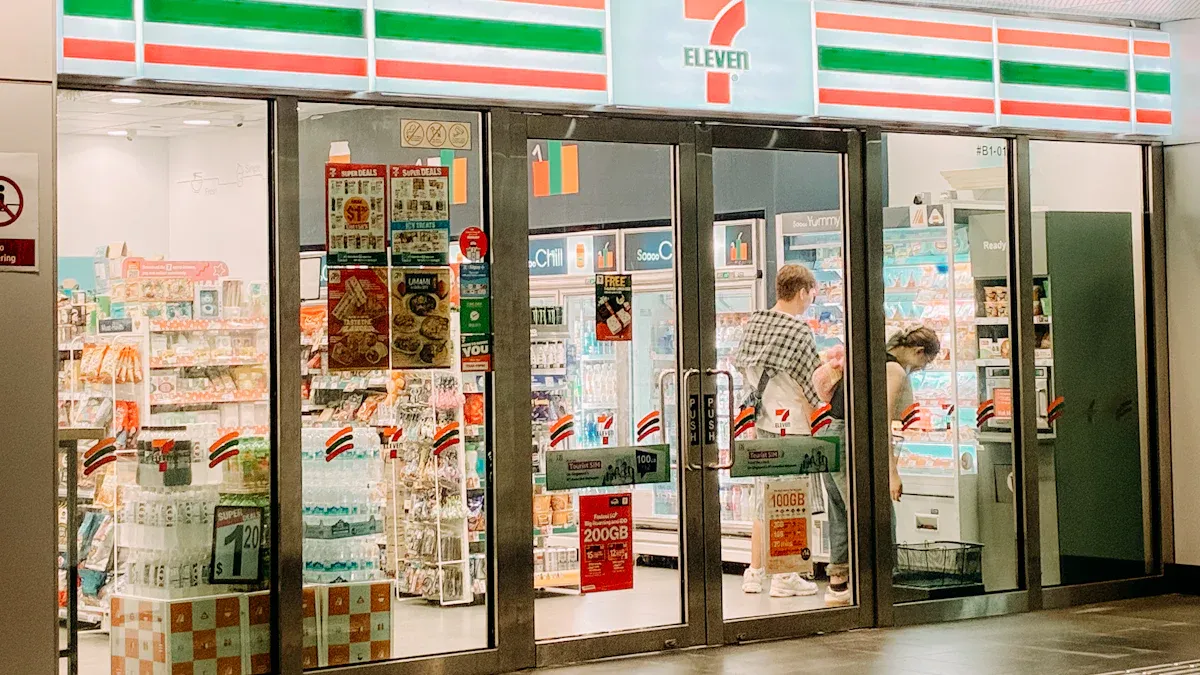
Corner stores help people feel close to their neighborhoods. Shoppers trust these stores because they see people they know. Store owners greet shoppers with a smile or a hello. Almost 75% of shoppers like when owners say hi. This small act helps build trust. It makes people want to come back. When stores work together, sales can go up by 38%. Customers enjoy buying things that help their community.
"This works well because people are busy. They want to finish many shopping tasks in one trip."
Second Hand Businesses join local projects to make these bonds stronger.
A thrift store might give discounts at a nearby café if you show your receipt.
Some stores team up with food banks for 'Give & Get' programs. Shoppers donate canned food and get discounts.
A 'Thrift Fashion Challenge' lets students make outfits from secondhand items. This helps them be creative.
Events like 'Vinyl and Vintage' nights bring many people and local sellers together.
These activities make shopping fun and special. People feel good about helping local causes. They also find cool and different things.
Building Customer Loyalty
Corner stores make loyal customers by being friendly and helpful. Workers know their shoppers and help them find what they want. When people feel respected, they come back again.
"The pandemic showed stores something important: Every store is a convenience store in some way."
Second Hand Businesses use smart ideas to keep shoppers interested:
They use data to find trends and make special offers.
Telling stories and joining community events help shoppers feel connected.
Loyalty programs give rewards for coming back.
Special experiences and trade-in deals make shoppers want to return.
Starbucks Rewards gives points for every dollar spent and free drinks.
Amazon Prime gives fast shipping and special content.
Pet Supplies Plus gives coupons and early event access to members.
Circular commerce ideas like easy checkout and trade-in deals help build strong bonds. Customers like shopping at places that care about them and their community.
Inventory Turnover and Operational Efficiency
Streamlined Stock Management
Corner stores help Second Hand Businesses sell items fast. Staff learn what local shoppers like. They pick things that match local tastes. Stores use flexible prices and take many secondhand goods. This helps add new products and sell them quickly. Local resale is good for the planet and for business.
Staff choose items people in the area want.
Stores take lots of different secondhand goods.
Flexible prices help things sell fast.
Technology makes managing inventory easier. Many stores use systems to track stock in real time. They scan barcodes to update items quickly. Automatic reorder points keep shelves full of popular things. These tools save time and help avoid mistakes.
Feature | Description |
|---|---|
Real-Time Inventory Tracking | Stores check inventory levels quickly and accurately. |
Barcode Scanning | Items are added or removed fast, with fewer mistakes. |
Automatic Reorder Points | Orders are made automatically to keep shelves stocked. |
Ease of Use | Simple systems help staff do inventory jobs easily. |
Strong Customer Service | Staff get help when setting up and using the system. |
Convenience Store-Specific Features | Age checks and easy shortcuts help with daily work. |
Reducing Costs and Waste
Corner stores help businesses spend less and waste less. Items sold here can cost half as much as new ones. This helps shoppers save money and helps the planet. Selling pre-owned goods means fewer new things are needed. It also means less packaging waste.
Corner stores help businesses work better. They spend less, get more done, and sell more.
Gain Type | Improvement Percentage |
|---|---|
Cost Reduction | 10–30% |
Merchant Productivity | 15–25% |
Sales Growth | 10–25% |
Cost of Credit Reduction | 20–60% |
60–100% or more |
Corner stores help businesses move products fast. They save money and help the environment. Shoppers get good deals, and stores work better.
Sustainability and Seasonal Trends
Promoting Eco-Friendly Shopping
Corner stores help people shop in ways that are good for the planet. They let Second Hand Businesses sell used items. This helps products last longer and cuts down on trash. Selling pre-owned things keeps them out of landfills. It also helps the circular economy. This saves natural resources and lowers harm from making new stuff.
Buying secondhand lowers carbon footprints by reusing clothes and goods.
Every used item bought means less trash and fewer new materials needed.
Thrift shopping saves water and energy that new products need.
Many corner stores use smart ads to support eco-friendly shopping. They give rewards for donations, so shoppers can help charities. Some stores become Certified B Corps to show they care about the planet. Owners talk about their green actions to earn trust. They also work with other green brands to reach more people. These steps help shoppers feel proud and want to buy used items.
Tip: Tell your store’s green story on signs and online. Shoppers like knowing their choices help the planet.
Leveraging Holiday Demand
During holidays, shoppers want gifts that mean something. Second Hand Businesses use corner stores to sell special presents. Early shopping events, like a 'Pre-Holiday Perk,' make customers feel important. Stores can join with local shops for a 'Shop Early, Shop Local' trail. Visitors get small rewards for joining in.
Start a 'Grateful Giving' sale and give some money to local charities.
Make themed gift bundles for busy shoppers who want quick, thoughtful gifts.
Hold craft nights or story-sharing events in stores to bring in shoppers.
These ideas help stores stand out and meet the need for secondhand gifts. Shoppers find unique treasures and help their community. Corner stores make it easy to pick green gifts that have a story.
Note: Holiday sales and local events help stores sell more and build strong customer bonds.
Corner stores help Second Hand Businesses get more customers. They make work easier and help people shop in eco-friendly ways. More people want to buy things that are good for the planet. The second-hand market keeps growing because of this. Businesses that follow these trends earn trust and keep loyal shoppers. Experts say it is smart to work with partners. They also say to share what you learn about customers. Hosting events together can help everyone do better.
Changing with secondhand gift and green shopping trends helps businesses stay strong. This is important when stores get busy.
Work together to make new products
Share what you know about shoppers
Hold events with other stores
Join up for marketing
FAQ
How do corner stores help secondhand businesses grow?
Corner stores put secondhand items near where people live. This helps more people see and buy these things. Shoppers notice cool products while getting what they need. This makes sales go up and helps people trust the business.
What types of secondhand items sell best in corner stores?
Books, clothing, accessories, and home décor are top sellers. People like to find special gifts and things they can use. These items are good for saving money and helping the earth.
Can secondhand businesses use technology in corner stores?
Yes! Many stores use tools to track what they have. Smart displays show deals and new items. Technology helps workers keep shelves full and shoppers have fun.
Why do shoppers choose secondhand gifts during holidays?
People want to spend less and help the planet. Secondhand gifts feel special and different. Many shoppers want presents that mean something and have a story.
See Also
Starting a Low-Cost AI-Driven Corner Store Business
Understanding the Growth of AI-Enhanced Corner Shops
Discovering Top Corner Stores Nearby for Easy Access
Unveiling the Elegant Appeal of Local Corner Shops
How Time Out Corner Stores Transform Urban Convenience Shopping
