Security and privacy considerations for autonomous stores in Convenience store chains & small-format grocery.

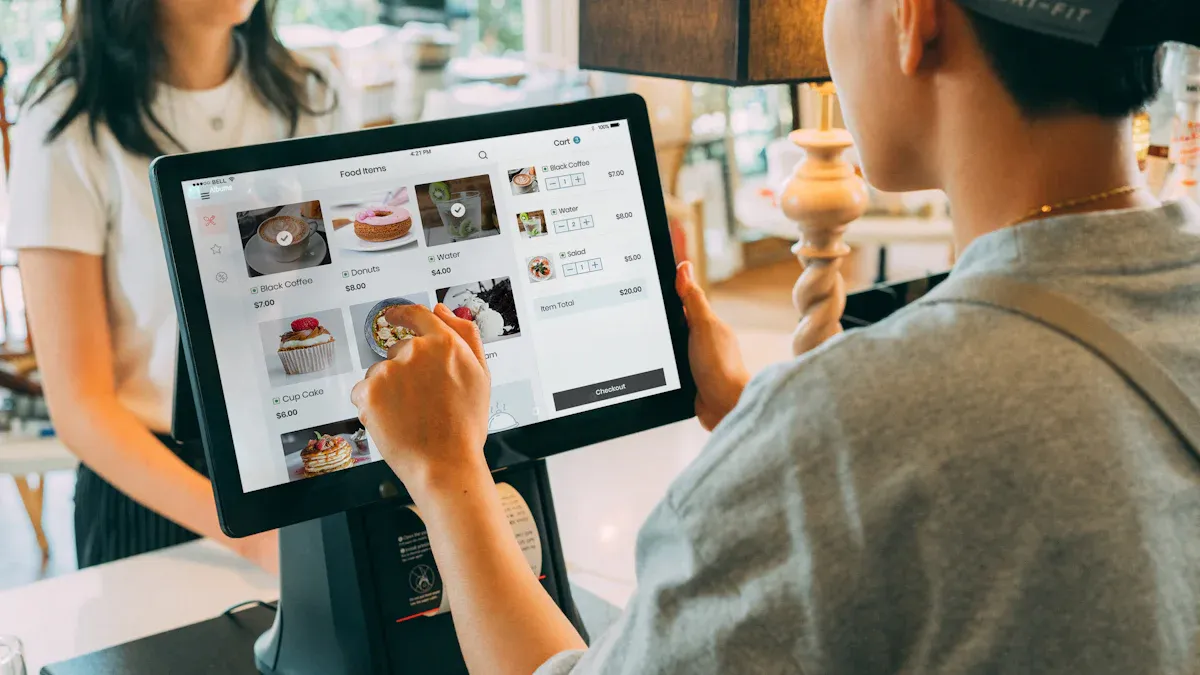
You face new security and privacy challenges as autonomous technology transforms convenience and grocery stores. The demand for contactless shopping and efficiency fuels this rapid change in convenience retail. Many retailers now use AI-driven systems to optimize inventory and adapt store layouts for local needs. The market for autonomous convenience retail grows quickly, as shown below:
Year | Market Size (USD) | CAGR (%) |
|---|---|---|
2024 | 19.7 | |
2033 | 5.72 billion | N/A |
Your store’s security and privacy need strong attention. Security risks in convenience retail can affect your reputation and customer trust. You must protect customer data, follow privacy rules, and stay transparent. These steps support a positive customer experience and keep your convenience retail operation strong.
Autonomous technology brings:
Better customer experience and smoother convenience retail operations
Security and privacy risks from technical errors or data misuse
Customer doubts about the safety of their information in convenience retail
You must address security and privacy at every stage. This means using clear policies and the best practices for convenience and grocery stores.
Key Takeaways
Autonomous stores enhance customer experience but introduce security and privacy risks. Address these challenges with strong policies and practices.
Implement robust security measures like surveillance cameras and staff training to combat theft and internal threats effectively.
Protect customer data with encryption and regular updates. Compliance with privacy laws builds trust and safeguards your reputation.
Maintain clear communication with customers about data collection and usage. Transparency fosters trust and encourages loyalty.
Regularly assess security measures and adapt to new threats. Continuous improvement is key to maintaining a safe shopping environment.
Security and Privacy Risks

Theft and Loss
You face many threats from theft and loss in autonomous stores. Shoplifting remains a top concern, even with advanced technology. Self-checkout theft happens when people scan fewer items or swap barcodes. Organized retail crime groups target stores with weak security. These groups use tricks to steal large amounts of goods. You must also watch for retail crime that uses new methods, like hacking self-checkout systems. Theft can hurt your profits and make customers feel unsafe.
Shoplifting can increase when there are fewer staff members in the store.
Self-checkout theft often goes unnoticed if you do not have strong monitoring.
Organized retail crime groups may use fake identities or work in teams to steal more.
Losses from theft can lead to higher prices for everyone.
You need to use strong security measures to reduce these risks. Cameras, alarms, and clear store layouts help prevent theft and shoplifting. Training your staff to spot suspicious behavior also helps keep your store safe.
Cybersecurity Breaches
Cybersecurity is a major issue for autonomous stores. You collect a lot of data from customers, including payment information and shopping habits. Cybersecurity breaches can expose this data to criminals. Ransomware attacks, data breaches, and supply chain attacks are common threats in retail. In the United States, ransomware incidents in retail have gone up by 24% in the past year. Retailers now face almost half of all ransomware attacks in the sector, even though they make up less than a third of the market.
Cybersecurity breaches can lead to fraud and loss of trust.
Criminals may steal customer data or lock your systems until you pay a ransom.
Supply chain attacks can affect your store even if you have strong security.
You must protect your systems with strong passwords, regular updates, and secure networks. Following data protection laws helps you avoid legal trouble and keeps your customers’ trust.
Internal Threats
You must not ignore threats from inside your store. Employees can cause harm through misconduct or carelessness. Sometimes, staff members help with theft or share sensitive information. These internal threats can be hard to spot but can cause as much damage as outside crime.
Internal threats often go unnoticed but are equally harmful. Employee misconduct or negligence can expose businesses to various liabilities, making vigilance essential across all levels of an organization.
You should run background checks and train your staff on security policies. Regular audits and clear reporting systems help you catch problems early. You need to build a culture of honesty and safety to lower the risk from inside your store.
Customer Privacy
Customer privacy is a big concern in autonomous stores. You use cameras, sensors, and computer vision to track what people buy and how they move in the store. This data helps you improve service, but it also raises privacy concerns. Many customers worry about being watched without their consent. Some fear that their biometric data, like facial recognition, could be misused or lead to mistakes. Lawsuits have shown that collecting biometric data can have legal and ethical consequences.
Customers worry about the misuse of data collected by new technologies.
The collection of movement and purchase data makes some people uncomfortable.
Advanced tracking in autonomous stores causes more privacy concerns than in traditional stores.
Some customers feel unsafe if they think their data is not secure.
You must be clear about what data you collect and how you use it. You should follow all data protection rules and let customers know their rights. Being open and honest builds trust and helps people feel safe in your store.
Threats in Autonomous Stores
Self-Checkout Vulnerabilities
You face unique risks when you use self-checkout in your store. Self-checkout systems account for 23% of unknown store losses. Shoplifting, scanning mistakes, and employee theft often happen at these stations. When you rely on self-checkout kiosks, you may see more errors and theft because there is less staff watching. These problems can hurt your profits and slow down your daily work. You must spend extra time and money to investigate theft and fix mistakes.
Shoplifters may scan fewer items or use tricks to avoid paying.
Employees can misuse self-checkout to steal products.
Mistakes at self-checkout can go unnoticed without strong monitoring.
Organized Crime
Organized crime groups target autonomous stores because they see easy opportunities. These groups work together to steal large amounts of goods. They know that the lack of staff and traditional checkout lines makes it easier to get away with theft. In 2022, retail shrink in the U.S. reached $112 billion, and the move to autonomous stores may make this worse. You must stay alert and use strong security to stop these groups from hurting your business.
System Hacking
Hackers see autonomous stores as new targets. They try to break into your systems to steal data or cause problems. If hackers get into your store’s network, they can access payment information and customer records. This can lead to fraud and loss of trust. You need to protect your systems with strong passwords and regular updates. Always check your security to keep hackers out.
Insider Risks
You must also watch for threats from inside your store. Employees may use their access to steal or help others commit crimes. Sometimes, they share sensitive information or ignore security rules. These insider risks can be hard to spot but can cause big losses. You should train your staff and check their actions often. Building a culture of honesty helps lower these risks.
Note: Autonomous stores face higher risks of loss because there are fewer staff and no traditional checkout process. Customers often feel less safe in these stores, which can affect your reputation.
Security and Privacy Mitigation
Technology Solutions
You can use advanced technology solutions to protect your autonomous store. These tools help you stop theft, prevent cyberattacks, and keep customer data safe. Many stores now use ai-powered security systems to watch for suspicious activity and alert you right away. These systems use smart cameras and sensors to spot problems before they get worse.
Here is a table showing some of the most effective technology solutions for your store:
Technology Solution | Description |
|---|---|
These advancements help you find shoplifting and cybercrime. They make your store more secure. | |
Cybersecurity Infrastructure | You need to invest in strong security to stop hackers from attacking your store’s systems. |
Data Security Measures | Protecting customer data is important. Good data security keeps private information safe. |
You can also use mobile scan-pay-go apps to let customers check out quickly. These apps make shopping easier, but you must keep them secure. Always update your apps and systems to fix any weak spots. Scan-pay-go technology helps you reduce lines and improve the customer experience, but you need strong security protocols to protect your store.
Physical Security Measures
Physical security is just as important as digital security. You should use a mix of surveillance, lighting, and store design to keep your store safe. Place surveillance cameras at all entrances and in areas where you keep valuable items. This helps you watch for theft and other problems.
Strategic store design removes blind spots and lets you see more of your store.
Good lighting makes it hard for people to hide and helps you spot trouble.
Put high-value products in places where you or your cameras can see them easily.
Use network cameras to watch doors and checkout areas. These cameras can process video quickly and alert you to suspicious behavior.
Surveillance helps you catch problems early. When you use scan-pay-go systems, you need even more surveillance to watch for theft. You should check your cameras often and make sure they work well. This keeps your store safe and helps you respond fast if something goes wrong.
Staff Training
You need to train your staff to use new systems and handle problems. When your team knows how to manage scan-pay-go and other technology, they can help customers and stop security issues. Training helps your staff spot suspicious behavior and fix small problems before they get bigger.
Teach your team how to answer questions about privacy and security. Make sure they know what to do if they see something wrong. When your staff feels ready, they can protect your store and make customers feel safe. Good training also helps you avoid mistakes that could lead to privacy problems.
Collaboration with Law Enforcement
Working with law enforcement makes your store safer. You should build a good relationship with local police. Share information about theft, cyberattacks, or other crimes. Police can help you investigate problems and recover stolen goods.
You should also do regular risk assessments. Check your security every few months to find weak spots. In high-risk areas, you may need to check even more often. Use automated tools to watch for problems all the time. These steps help you stay ahead of threats and keep your store safe.
Tip: Be open with your customers about your security solutions and privacy practices. When you explain how you protect their data, you build trust and make them feel comfortable shopping in your store.
Regular risk assessments and clear communication help you stay compliant with laws and keep your store secure. You should always look for new ways to improve your security and privacy measures.
Grocery Store Security Policies
Data Protection Compliance
You must follow strict rules to keep customer information safe in your grocery store security plan. Laws like GDPR and CCPA set high standards for protecting data. You need to document how you collect, use, and store information. Appoint a data protection officer to oversee these tasks. Train your staff on privacy rules and use strong technical safeguards, such as encryption and authentication. Sign contracts with third-party vendors to make sure they also follow these standards. Build privacy into your grocery store security policies and make it part of your daily routine.
Description | |
|---|---|
Comprehensive Documentation | Keep records of data collection, purpose, and storage to ensure transparency. |
Appointing a Data Protection Officer | Choose someone to manage compliance and answer customer questions. |
Training and Technical Measures | Teach staff about privacy laws and use tools like encryption. |
Data Processing Contracts | Make sure vendors follow privacy rules by signing contracts. |
Organizational Measures | Include privacy in your grocery store security culture and policies. |
You face challenges as privacy laws change. You must use strong encryption and access controls. Stay updated on new rules and adapt your grocery store security policies to meet them.
Customer Communication
Clear communication builds trust in your grocery store security efforts. Tell customers what information you collect and how you use it. Use simple language in your privacy notices. Give customers choices about their data. Answer questions quickly and honestly. When you show respect for privacy, you help customers feel safe in your grocery store.
Tip: Use signs and digital displays to explain your grocery store security policies. This helps customers understand their rights and your commitment to privacy.
Incident Response
You need a strong plan to handle security and privacy problems in your grocery store. Set rules for passwords and use multi-factor authentication. Teach your staff to spot and report phishing attempts. Update your software often and use cybersecurity tools to find weak spots. Back up your data regularly. Create a step-by-step plan for responding to incidents and recovering from them. Report any problems right away.
Use popular cybersecurity frameworks.
Explore solutions made for grocery stores.
Review and improve your grocery store security plan often.
Regular reviews help you find new threats and fix them quickly. Stay alert and adapt your grocery store security policies to protect your business and your customers.
You need strong security and privacy measures to protect your autonomous store. Multi-layered security keeps your systems safe:
Layer of Security | Description |
|---|---|
Perimeter Protection | Firewalls block unwanted network access. |
User Authentication | Passwords limit who can use computers. |
Access Permissions | Permissions control who sees important files. |
Data Encryption | Encryption keeps data safe during transfer and storage. |
Physical Security | Locked rooms protect devices from tampering. |
Stay transparent with customers by explaining your technology, sharing what data you collect, and offering support. Keep improving by investing in new tools, training your team, and watching for new risks.
FAQ
How do you keep customer data safe in autonomous stores?
You use encryption, strong passwords, and regular software updates. You also train your staff to handle data carefully. These steps help protect customer information from hackers and other threats.
What should you do if a security breach happens?
Act fast. Inform your customers, follow your incident response plan, and contact law enforcement. Fix the problem and review your security measures to prevent future issues.
Why is transparency important for customer trust?
When you explain how you collect and use data, customers feel safer. Clear privacy policies and open communication help build trust and encourage people to shop in your store.
Can autonomous stores reduce theft?
Yes, you can lower theft by using smart cameras, AI monitoring, and strong store layouts. Staff training and regular risk checks also help you spot and stop theft quickly.
See Also
Understanding AI-Driven Convenience Stores: Insights for Retailers
Analyzing Walgreens Self-Checkout: Benefits and Hurdles in Retail
Comparing Micromarkets and Smart Stores: Global Retail Automation
