The Untold Story of Small Businesses and Vending Machine Failures

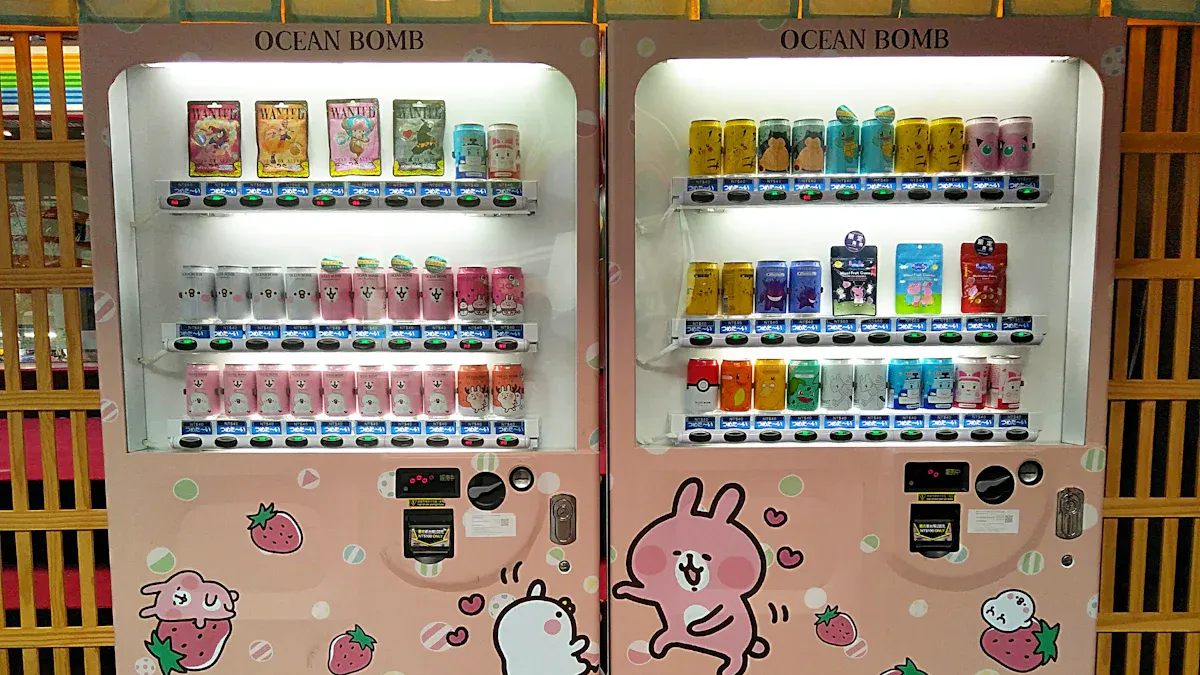
You may think vending machines make money easily, but many small business owners learn hard lessons. Almost 80% of solo vending businesses fail in the first year. Money problems happen quickly, and vending is not as easy as it looks. If you put your machine in a bad spot, you might not sell much. Local shoppers want special products, so sales can be low. People also feel pressure to help their community, which makes things even harder. These machines are more difficult than they seem at first.
Key Takeaways
Vending machines need good planning and hard work. Success comes from where you put them, what you sell, and keeping them working well.
Pick places where lots of people walk by. Busy places help you sell more and make more money.
Keep track of what is in your machines. Fill up popular items often so machines are not empty and customers stay happy.
Add cashless payment systems to your machines. This brings in more customers and helps you sell more, since many people like fast and easy ways to pay.
Pay attention to what customers say. Knowing what they like helps you choose the best products and sell more.
Expectations vs. Reality

Passive Income Myths
You might hear people say vending machines are a great way to make money without much work. The truth is, you need to put in effort to see results. Many believe you just fill the machine and collect cash, but that’s not how it works. You have to find good locations, restock products, and keep everything clean. If you want your small business to succeed with vending, you need to pay attention to these details.
Tip: Regular restocking and smart product choices help you avoid empty machines and unhappy customers.
Here’s a quick look at some common myths and the reality behind them:
Misconception | Reality |
|---|---|
Vending machines make money fast | You need time and planning to build profits |
Machines run themselves | You must check, clean, and refill them often |
Location doesn’t matter | Busy spots bring more sales and better results |
Overestimating Demand
It’s easy to think your vending machine will sell out every week. Many owners expect quick profits, but sales depend on where you place your machine and what you offer. If you put your machine in a quiet spot, you might not sell much. Picking the right products and prices also matters. Here’s what affects your sales:
Good product mix and smart pricing boost profits.
Keeping track of inventory helps you avoid waste.
Check out this table to see how profits can change based on the number of machines you own:
Number of Machines | Average Monthly Profit |
|---|---|
5 | $250–$500 |
10 | $500–$1,200 |
25 | $1,200–$3,000 |
50+ | $3,000–$6,000+ |
Underestimating Work
Running vending machines takes more work than you might think. You need to clean, fix, and refill them often. If you skip these jobs, machines can break down or run out of stock. That means unhappy customers and lost sales. You also have to pay for repairs, cleaning supplies, and sometimes software fees for smart machines.
Note: A stuck vending machine door can turn into a big problem if you’re not ready to fix it quickly.
To keep things running smoothly, set up a schedule for cleaning and checking your machines. Being prepared for small issues helps you avoid bigger headaches. If you want your small business to grow, you need to stay on top of these tasks.
Small Business Operational Challenges

Running a small business with vending machines brings a whole set of challenges, especially when the holiday season rolls around. You feel the pressure to keep up with busy shopping days like Small Business Saturday. More customers walk through your doors, but that means you need to manage promotions, keep shelves stocked, and make sure your machines work smoothly. Tariff changes can make supplies cost more, so you might have to raise prices or accept lower profits. You want to attract new shoppers and keep regulars happy, but high demand can stretch your team thin and make inventory harder to control.
Location Struggles
Where you put your vending machine can make or break your business. You might think any spot will do, but choosing the right location is critical. High foot traffic means more sales. If you pick a quiet corner, you could end up with low sales and wasted effort. You need to look for places with good visibility and easy access. Event venues, busy lobbies, and schools often attract crowds. It helps to check out where your competitors set up their machines. You can learn from their choices and find ways to stand out.
Pick spots with lots of people passing by.
Make sure your machine is easy to find and use.
Test different locations and ask customers what they like.
Watch sales numbers and move your machine if needed.
You also face challenges like negotiating lease agreements for prime spots. Sometimes, you have to pay more for a better location, but the extra cost can lead to higher sales.
Inventory and Stockouts
Keeping your vending machine stocked is a constant job. You need to balance having enough products without overfilling and wasting items. During holidays, demand can spike for certain snacks or drinks. If you run out of popular items, you lose sales and risk upsetting customers. Most people won’t come back if they have a bad experience with an empty machine.
Here’s a quick look at what happens when you run out of stock:
Financial Consequence | Description |
|---|---|
Direct lost sales | Customers buy elsewhere, and you miss out on revenue. |
Customer loyalty erosion | 91% of shoppers may avoid your business after a bad stockout experience. |
Expedited supply chain costs | You pay more for rush orders and fast shipping to restock quickly. |
Diminished brand reputation | Frequent empty machines make your business look unreliable and hurt your chances with new customers. |
You need to watch your inventory closely, especially when seasons change. Summer brings more sales of cold drinks, while winter calls for hot snacks. Holidays like Halloween and Christmas mean you should stock up on special treats. If your machine sits in a school, sales might drop during summer break. Weather also affects what people buy, so you need to adjust your stock to match the season.
Maintenance Burdens
Vending machines need regular care. You can’t just set them up and forget about them. If you skip maintenance, machines break down and you lose money. Emergency repairs cost much more than scheduled checkups. Weekend service calls often come with higher fees, and rush shipping for parts can raise costs by up to 50%. You want your machines to work well, so customers don’t get frustrated.
Clean your machines often to keep them looking good.
Fix small problems before they turn into big ones.
Upgrade payment systems to avoid technical issues.
Protect your machines from theft and vandalism.
If you ignore maintenance, you risk downtime and unhappy customers. You might think your machine will run smoothly on its own, but regular attention keeps your business profitable. Mechanical issues, payment system glitches, and security problems can all lead to lost sales. Staying on top of these tasks helps you avoid costly surprises.
Tip: Set a schedule for cleaning, restocking, and checking your machines. This keeps everything running smoothly and helps you catch problems early.
Running a small business with vending machines means you need to juggle location, inventory, and maintenance. If you pay attention to these areas, you can handle busy seasons and keep your customers coming back.
Profit Margins and Industry Fragmentation
Low Margins
You might think vending machines bring in big profits, but the numbers tell a different story. Most vending operations show a gross profit margin above 50%. When you look at net profit, it drops to somewhere between 20% and 25%. That means after you pay for supplies, repairs, and other costs, you keep only a small part of your earnings.
Metric | Value Range |
|---|---|
Gross Profit Margin | > 50% |
Net Profit Margin | 20% to 25% (15-30%) |
If you want to grow your small business, you need to watch these margins closely. Even a small change in costs can make a big difference in your bottom line.
Hidden Costs
Vending machines come with surprise expenses that can eat into your profits. You pay for stocking, repairs, and sometimes transportation. Stocking alone can take up 30% to 50% of your operating costs. If you need to restock slow-moving items, you might offer discounts, which lowers your earnings even more.
Stocking expenses can represent 30% to 50% of overall operating costs.
Transportation for restocking adds up quickly.
Discounts on slow sellers shrink your profits.
Regular maintenance checks help prevent expensive repairs.
Sometimes, machines break down. Card readers or cooling units can fail, and if your warranty is up, repairs get expensive. You need to plan for these costs so you don’t get caught off guard.
Tip: Keep a repair fund ready. Unexpected fixes can pop up at any time.
Fragmented Market
The vending machine market is a mix of big companies and smaller players. Major brands hold only about a quarter of the market revenue. You face competition from large multinational companies and local businesses. These big companies invest in new technology, which can make it tough for you to keep up.
This fragmented market gives you a chance to find your own niche. You can offer unique products or focus on a special location. Still, you need to stay alert. New innovations and heavy competition mean you must adapt quickly to stay ahead.
Common Mistakes in Small Business Vending
Poor Planning
Starting a vending machine business is not easy. Many people think they will make money fast, but that is not true. Some new owners guess wrong about how long it takes to earn back their money. They hope for profits too soon. Sometimes, they pick old machines that look bad or have payment systems that do not work well. If you use credit or lease machines, you can lose money if sales are low. Buying too many machines at once can be hard to handle. Putting machines in places with few people means you sell less. You need to know what local customers want. Do not sell poor-quality products. If you forget to clean and fix your machines, people may not trust your business. Here are some common planning mistakes:
Picking old machines
Using payment systems that break
Using too much credit or leasing
Buying more machines than you can handle
Choosing bad spots for machines
Not learning what people like to buy
Selling products that are not good
Forgetting to clean and fix machines
Using machines that look old
Tip: Learn about your market and plan each step before you spend money.
Ignoring Customer Needs
You want people to come back to your vending machine. If you do not listen to what they want, you will sell less. Machines that do not work well get fewer sales. If your machine breaks often, shoppers get upset and stop buying. New technology can help keep customers happy. Look at this table to see what happens when you ignore customer needs:
Impact Type | Description |
|---|---|
Declining Sales | Fewer people buy when machines disappoint |
Increased Machine Issues | More breakdowns mean lost sales and unhappy customers |
New solutions help keep customers and improve sales |
Note: Ask people what they want. Stock popular brands and keep your machine working well.
Service and Support Issues
If you do not fix and clean your machines, your business will suffer. A broken machine means you lose sales, especially in busy places. People remember bad experiences and may not come back. Waiting too long to fix problems can cost more money. Poor care can even lead to safety fines.
Bad reputation from unhappy customers
Higher costs if you wait to fix things
Risk of safety fines
You should make a schedule to clean, restock, and fix your machines. Fast support helps your business and builds trust with your customers.
Technology and Market Trends
Cashless Payments
People do not carry much cash now. Most shoppers want to pay fast and easy. If your vending machine only takes coins and bills, you lose sales. About 41% of people walk away if they cannot pay with a card or phone. Cashless payments make up 71% of all vending machine sales. People spend more when they use cards or phones. The average cashless purchase is $2.24. Cash purchases are only $1.78 on average. Many small businesses are switching to cashless payments. About 59% use or plan to use these systems. Cashless systems save you time handling money. You also need fewer service visits. This gives you more time to work on your business.
Tip: Upgrade your vending machine to take cards and mobile payments. You will get more customers and make more money.
Competition from Apps
Mobile apps are changing how people buy things. Digital vending machines work with apps and are open all day and night. These machines fit busy lives and give shoppers a special experience. Many people like using their phones to buy snacks or drinks. Operators can track sales and manage stock right away. This makes things easier for you. If you keep old machines, you may lose customers to new, app-enabled ones. People want things to be quick and easy. You need to keep up with these changes.
Digital vending machines are open all the time.
Mobile apps make shopping fast and personal.
Real-time tracking helps you manage stock and sales.
Changing Habits
People’s habits change often. Shoppers want things to be easy, healthy, and cashless. Smart vending machines offer flexible choices to match these needs. You can use real-time data to see what sells best. This helps you change your stock quickly. You keep customers happy and avoid waste.
Feature | Benefit |
|---|---|
Smart Vending Machines | Cashless payments and app integration |
Real-time Data Analytics | Quick adaptation to shopper preferences |
You also see more special machines, like mini vending units and eco-friendly models. These changes help you stand out and meet new needs. If you watch what shoppers want, you can grow your business and stay ahead.
Running vending machines is not easy. You will have many problems. Some problems are bad customer service, hard-to-find places, and high costs. If you want your small business to do well, try these ideas:
Hear what your customers want and give them healthy snacks.
Make friends in your community to get help and grow.
Choose busy places and ask experts for help with your choices.
Remember, good planning and help from your community can help you turn vending problems into chances to do better.
FAQ
What is the biggest mistake small business owners make with vending machines?
You often rush into buying machines without checking the location or customer needs. Planning helps you avoid wasted money and unhappy shoppers.
How often should I restock my vending machine?
You should check your machine every few days. Busy spots need more attention. If you keep popular items stocked, you make more sales.
Do vending machines work well during the holiday season?
Vending machines can do better during holidays. You need to stock seasonal snacks and watch for higher demand. Quick restocking keeps customers happy.
Can I run a vending machine business by myself?
You can start alone, but it takes time. You need to clean, fix, and restock machines. If you get busy, ask for help from friends or family.
What payment methods should my vending machine accept?
Most shoppers want to pay with cards or phones. If you add cashless options, you get more sales. Cash-only machines miss out on many customers.
See Also
Uncover Top Vending Solutions and Micro Markets for Businesses
The Growth of 24-Hour Vending Cafes: Innovation and Ease
Understanding the Dangers of Vending Machines: Essential Insights
A Comprehensive Guide to Vending Machine Expenses Globally
The Transformation of Vending Machines: Snacks to Smart Tech
