Smart Shelf Monitoring Systems Driving the Next Wave of Unmanned Retail

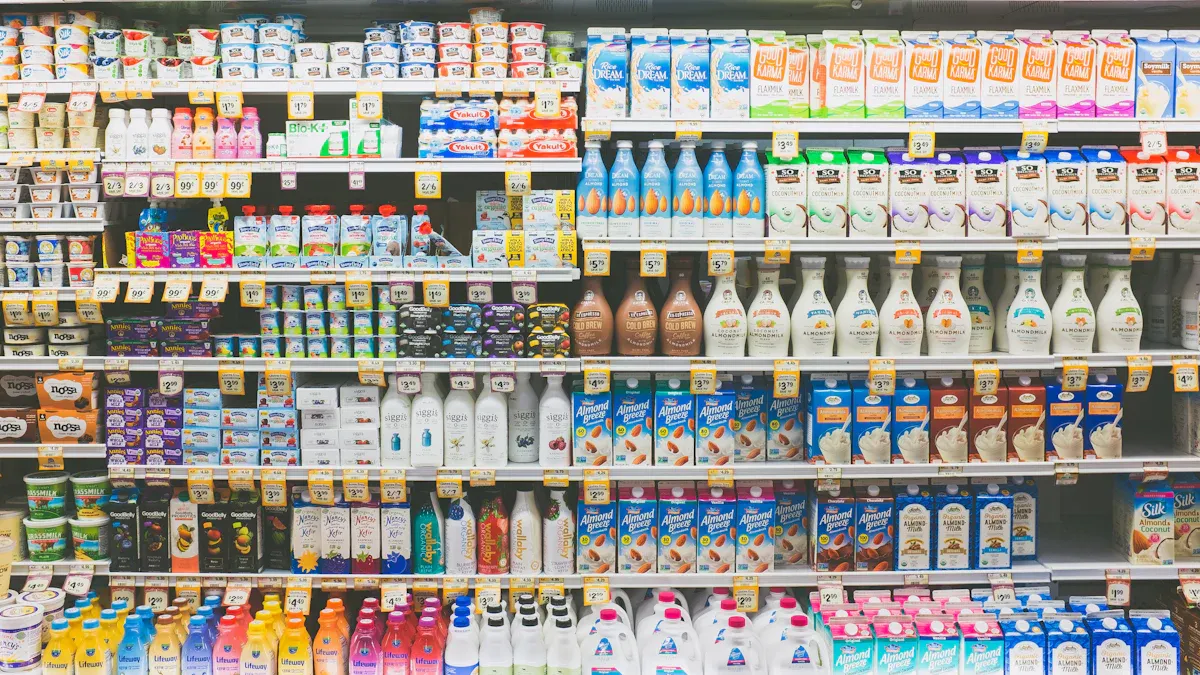
Smart shelf monitoring is now leading unmanned retail. Shoppers can walk in, take what they want, and leave. There are no checkout lines and no confusion. Stores use sensors, cameras, and AI as invisible helpers. These tools work together all the time. Real-time data helps keep shelves full and customers happy.
The global market for these systems reached USD 2.1 billion in 2024.
Experts think it could grow to USD 15.1 billion by 2033. This is because people want instant shelf data.
Asia-Pacific, with China and Japan, is moving ahead fast with these stores.
Retailers now have fewer empty shelves and happier customers. AI gives fast alerts when shelves need restocking. It also helps shoppers find things quickly. Every store is becoming smarter, faster, and more fun.
Key Takeaways
Smart shelf monitoring systems remove checkout lines. Shoppers can take items and leave fast. This makes shopping better for everyone.
These systems use sensors and AI to watch shelves. They help keep shelves full. This makes customers happy and helps stores sell more.
Retailers can get up to 95% inventory accuracy. This means fewer lost sales and happier customers.
Automated restocking and real-time tracking keep products available. Stores avoid empty shelves and sell more items.
Using smart shelf technology helps stores work better. Staff can help customers more and do less checking of inventory.
Smart Shelf Monitoring Overview
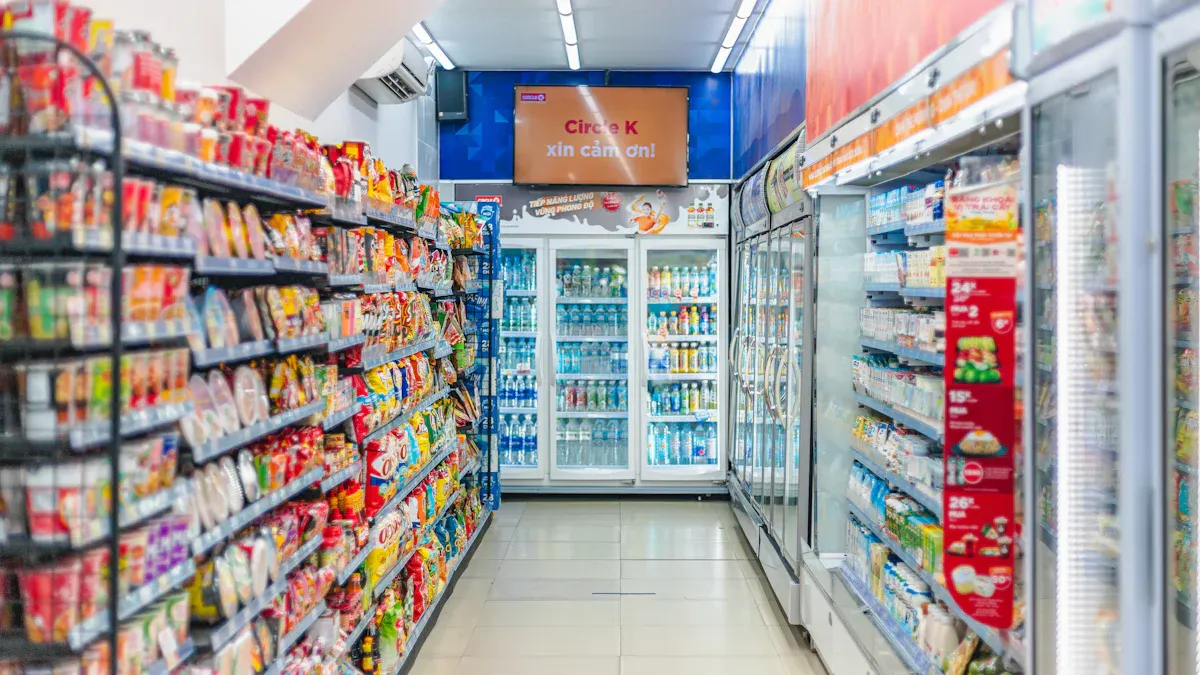
Core Technologies and Components
Smart shelf monitoring systems seem like something from a movie. Shelves can send messages to computers. Products give off signals. Cameras watch what happens in the store. These systems use cool gadgets and strong software to help stores work better.
Here’s a simple look at the main technologies and parts:
Technology/Component | Description |
|---|---|
Integrated Sensors | Watch how many products are on the shelves. |
RFID Tags | Help find and follow products by themselves. |
Weight Systems | Check how much products weigh to see what is left. |
5G Connectivity | Sends information quickly for instant updates. |
IoT Ecosystems | Connects devices so they can always watch and control things. |
Edge Computing | Handles data right at the shelf for fast answers. |
Ultra-thin Flexible Displays | Show info and help shoppers use the shelves. |
But that’s not all! Stores also use:
CCTV cameras to keep things safe and check shelves.
Infrared sensors to see when something moves or is taken.
3D cameras to look at products from all sides.
Weight sensors to notice when items are missing.
These tools work together like a team of heroes. Each tool does something special. Together, they help keep shelves full most of the time.
How It Works in Unmanned Stores
Unmanned stores seem magical, but it’s really science and technology. Here’s how smart shelf monitoring keeps things running:
Cameras take clear pictures of shelves. They help AI see empty spots and watch what people pick up.
Sensors and RFID tags send updates when someone takes an item. The system knows what leaves the shelf right away.
IoT devices send data from every part of the store. They talk to AI that checks inventory all the time.
When stock gets low, sensors order more products automatically. No one has to wait for a worker to see an empty shelf.
Edge computing lets the system handle data right there. This means quick choices and no long waits for updates.
AI is like the store’s brain. It looks at old sales and what’s popular now. It guesses what shoppers might want next. The system learns from what happens to make better choices every day.
🛒 Tip: Smart shelf monitoring does more than just watch products. It helps stores learn how people shop, making shopping easier and more fun.
With all these parts working together, unmanned stores stay neat and ready for shoppers any time. Shoppers find what they need, when they need it. Store owners worry less and have fewer problems.
Key Benefits of Smart Shelf Monitoring
Inventory Accuracy and Stockout Prevention
Picture a store where shelves are never empty. Every product stays in its right spot. Smart shelf monitoring helps make this happen. Sensors and cameras watch each item closely. When someone takes a snack or drink, the system notices right away. It sends a message to the store’s computer. The computer keeps track of what leaves and what needs to be restocked.
Sensors watch products as they go off shelves. They give quick updates to inventory systems.
The technology warns staff when stock gets low. This stops shelves from being empty.
Computer vision and RFID tags find items in the wrong place. Workers do not have to count by hand.
Edge computing lets shelves handle data fast. This means fewer mistakes and missed items.
Stores using these systems have fewer empty shelves. Shoppers are happier. Stores lose fewer sales and keep better track of inventory. Some stores say customer happiness went up by 27%. Lost sales dropped by 21%. More people find what they want. Stores earn more money.
🛎️ Note: Stores that track on-shelf availability reach 95% inventory accuracy. Others only get 65%. That is a big difference!
Enhanced Customer Experience
Shoppers like stores that always have what they need. Smart shelf monitoring helps stores do this. The system keeps shelves full. Products are easy to find. No more searching for chips or waiting for milk.
Feature | Description |
|---|---|
Shelves update stock levels quickly. Items are always there when needed. | |
Automated restocking | The system orders more products when supplies run low. This stops out-of-stock problems. |
Seamless checkout processes | IoT technology lets shoppers skip lines and walk out with their goods. |
Stores using these systems see great results:
Metric | Result |
|---|---|
Shelf availability increase | 2%–3% sales growth for every 1% improvement |
Out-of-stock rate reduction | 30% fewer empty shelves with advanced inventory systems |
Optimized placement | 10% more sales and 15% more impulse buys |
Retailers lose $1.75 trillion each year from missing items. Missing products cause 24% of lost sales.
Advanced software helps stores earn up to 4% more money. Staff work 20% better.
😊 Tip: Happy shoppers come back again. Stores with smart shelf monitoring keep customers smiling and sales going up.
Operational Efficiency
Running a store is easier with smart shelf monitoring. The system does boring jobs. Workers can help customers or fix displays. AI and real-time data do the hard work.
Operational Process | Quantitative Results | Technologies Involved |
|---|---|---|
Real-time inventory visibility | Fewer empty shelves and less extra stock. Better sales and happier shoppers. | RFID, IoT, Computer Vision |
Labor cost reduction | Smoother work, fewer mistakes, more efficiency | Automated systems |
Enhanced customer experience | Smarter product placement and better inventory management | Automated shelf monitoring |
AI finds the best spot for each product. Shelves always look neat.
Automated scanning finds mistakes, like missing items or wrong prices, before they cause trouble.
The system updates stock levels all day. Brands can restock quickly and avoid empty shelves.
🚀 Alert: With smart shelf monitoring, stores do fewer manual checks. They save money on labor. Staff spend more time helping customers and less time counting cans.
Smart shelf monitoring helps stores run smoothly. Products stay in place. Shelves stay full. Everyone wins.
Real-World Applications
Leading Unmanned Store Examples
Unmanned stores seem like they are from a science fiction movie. Shoppers walk in, grab snacks, and leave without talking to anyone. Some stores have robots that wave and say hello. Other stores use facial recognition to greet people who come often. The real magic comes from using smart technology.
Here are some top stores and what they use:
Store Name | Technologies Used |
|---|---|
CYB-ORG | AI, Robotics, Facial Recognition, RFID |
Shenzhen Rakinda Technology Co., Ltd. | Facial Recognition, AI, IoT, RFID, Electronic Shelf Labels, Smart Payment Systems |
Zaitt | RFID, Smart Shelves, Mobile App |
Each store is different. CYB-ORG has robots that move around and help restock shelves. Shenzhen Rakinda Technology Co., Ltd. uses facial recognition and smart payment systems together. Zaitt lets shoppers pay fast with a mobile app. These stores show how smart shelf monitoring makes shopping more fun.
Impact on Retail Performance
Unmanned stores have learned a lot since they opened. Here are some things they found out:
Robots can find items in the wrong place and tell workers. This makes checkout easier for everyone.
AI and computer vision help stores know what is on each shelf. This way, nothing gets lost.
Real-time alerts help fill empty shelves faster. The store always looks neat.
The numbers show big changes:
Metric | Improvement |
|---|---|
On-shelf availability | Up to 30% increase |
Stockouts | Reduced by up to 50% |
Sales | |
Inventory shrinkage | Significant reduction |
Operational efficiency | Enhanced through automation |
Shoppers find what they want more often. Stores lose fewer sales. Robots and AI help everything work well. The future of shopping looks exciting, almost like a video game.
Challenges and Limitations
Technical and Integration Issues
Smart shelf monitoring systems are great with technology. But they sometimes have trouble with old store systems. Many stores still use legacy software. This software is slow to change and hard to connect with new devices. Stores get headaches when they try to use IoT devices with these old systems. The table below lists some common technical problems:
Challenge Type | Description |
|---|---|
Data Privacy | Keeping customer data safe and only using it for the right reasons. |
Merging old systems with new IoT tech can be tricky. | |
Upfront Investment | Buying smart devices and setting up new infrastructure costs a lot. |
Smart shelves also need to work with point-of-sale systems and inventory software. Middleware solutions help these systems talk to each other. They make sure data is shared without confusion.
Integration Aspect | Description |
|---|---|
Real-time data sync keeps shelves and sales in harmony. | |
Middleware Solutions | Bridges the gap when POS systems do not support smart shelves directly. |
Compatibility with Inventory Management | Ensures accurate stock levels and smooth data exchange. |
Security and Privacy Concerns
Smart shelves watch everything in the store. But who makes sure the watchers are safe? Data privacy is a big worry. Stores must protect customer information and follow new safety rules. These rules keep changing, so stores must keep up. Shoppers want their data safe and used only for shopping.
⚠️ Alert: Stores must follow privacy rules and keep customer trust. One mistake can send shoppers running!
Cost and Scalability
Smart shelf monitoring systems can cost a lot of money. Small stores worry about the price of sensors and shelf labels. Medium stores worry about extra costs hurting profits. Large stores sometimes spend over $10 million to use these systems everywhere.
Retail Format | Cost Factors |
|---|---|
Small Retailers | High upfront costs, installation, and integration fees. |
Medium Retailers | Extra operational costs make return on investment harder. |
Large Retailers | Big investments pay off at scale, but contracts can be huge. |
Scaling up brings more problems. Manual audits can cause mistakes, especially if stores look different. Staff might take blurry photos. Data can get messy and slow feedback means empty shelves last longer. Managing data for many stores is very hard. It feels like trying to control a group that will not listen.
Manual audits cause errors and confusion.
Data reliability drops when stores use different methods.
Slow feedback hurts sales and customer smiles.
Scaling up means handling mountains of data across many locations.
🛠️ Tip: Retailers should plan carefully before jumping in. The right tools and a smart rollout make all the difference.
Future Trends in Smart Shelf Monitoring
AI and Predictive Analytics
Retail stores now use smart computers to help them. These computers use AI and predictive analytics to keep shelves full. They also help make customers happy. Imagine a store that knows you want chocolate milk before you do! Digital twin technology makes a copy of the store on a computer. Managers can try new ideas without moving anything in real life. Stores can guess what people will buy by looking at old sales, big events, and the weather. Some stores made 10% more money and had half as many empty shelves. The table below shows some cool new things:
Advancement Type | Description |
|---|---|
AI-powered solutions | Real-time inventory management and stock optimization |
Image recognition technology | Spots empty spaces and out-of-stock items instantly |
Predictive analytics | Looks at old sales to help plan for the future |
Automated inventory tracking | Checks shelves all day to avoid too much or too little stock |
Real-time insights | Gives a full view of inventory, making supply chains faster and smarter |
🧠 Tip: Predictive analytics can help stores spend 30% less on inventory. Shoppers can always find what they need.
Integration with Retail Tech
Smart shelf monitoring likes to work with other tools. It connects with point-of-sale systems, mobile apps, and IoT gadgets. These tools make a strong team. The team gives stores fast inventory updates and sends alerts when stock is low. Everything stays correct and up to date. The table below shows how these features help:
Feature | Benefit |
|---|---|
Instant inventory updates | No more counting by hand |
Alerts for low stock | Stops empty shelves and lost sales |
Improved accuracy | Less waste and fewer mistakes |
Stores now check inventory all the time. They can find items in the wrong place and catch shoplifters. IoT devices collect data every second. Advanced analytics turn this data into smart choices. APIs help all the systems talk to each other. This makes the store work smoothly.
Steps for Retailers
Retailers who want to use these tools should do these things:
Teach the system to see products and empty spots on shelves. Even a little data helps the system learn quickly.
Use AI to give each product its own ID. This makes it easy to track and manage inventory.
Set up real-time monitoring. The system will watch shelves and send alerts when something needs restocking.
🚀 Alert: Smart shelf monitoring works best with digital displays, shopper analytics, and tools that keep customer data safe. Working with tech partners makes things easier and more fun.
Smart shelf monitoring makes stores fast and cool. Unmanned supermarkets can help 12 people every minute. AI and robots keep shelves full almost all the time. They get it right more than 99% of the time. Retailers can do well by following these steps:
Figure out what the store needs.
Choose the best technology for the store.
Try out the system in one place first.
Teach workers how to use the new tools.
KPI | Description |
|---|---|
Update Response Time | How fast stores can change prices |
Accuracy Rate | Right prices make shoppers happy |
Sales Lift from Dynamic Pricing | More sales from changing prices quickly |
Customer Satisfaction Scores | Happy shoppers come back to shop again |
🚀 The future of shopping is happening now. Stores that use these new ideas will be the most fun places to shop!
FAQ
What happens if a smart shelf sensor breaks?
A broken sensor can cause confusion. The system might think the shelf is empty or full when it is not. Store staff get an alert. They fix or replace the sensor quickly. Shoppers usually never notice the problem.
Can smart shelves tell the difference between products?
Yes! Smart shelves use RFID tags, cameras, and weight sensors. The system can spot a soda can, a candy bar, or even a banana. Each product has its own signal or look. The shelf never gets tricked.
Do smart shelves watch people all the time?
Smart shelves focus on products, not people. Cameras and sensors track items, not faces. Privacy rules keep shoppers safe. Stores use data to help with inventory, not to spy. Shoppers can shop without worry.
Are smart shelf systems hard to install?
Installation can feel like a puzzle. Big stores need more sensors and cables. Small shops finish faster. Most companies send experts to help. After setup, the system runs on its own. Staff just check alerts and reports.
Will robots take over all the jobs?
Robots and AI handle boring tasks. People still greet shoppers, answer questions, and fix problems. Stores need both brains and bots. Robots make work easier, not disappear. Shoppers still see friendly faces.
See Also
The Future of Retail: Embracing AI-Driven Stores
Comparing Micromarkets and Smart Stores in Global Retail
Understanding AI-Enhanced Corner Stores for Modern Retailers
Transforming Online Retail Management with AI Tools
Upcoming Changes to Walmart's Self-Checkout Experience in 2025
