How Smart Warehouses Use Technology to Fix Data Accuracy and Inventory Issues


Smart warehouses use IoT, robotics, automation, and AI. These tools help make data more accurate. They also help workers see inventory better.
83% of supply chain leaders use robotics and automation now. 82% use AI and IoT too.
Poor inventory visibility makes warehouse work slower. It also messes up order fulfillment. Workers waste time and sales are lost.
The industry loses $1.77 trillion because inventory records are wrong.
Companies want to spend 25% of their money on automation in five years.
Feature | Smart Warehouse | Traditional Warehouse |
|---|---|---|
Data Collection | Real-time with IoT devices | Checks done sometimes |
Inventory Tracking | Automated with RFID/sensors | Tracking done by hand |
Data Accuracy | High | Lower |
Visibility | Always monitored | Not much visibility |
Key Takeaways
Smart warehouses use IoT, robotics, and AI to make data more accurate and help people see inventory better. This technology lets workers track items easier and makes fewer mistakes.
Regular audits and new technology are needed to keep inventory easy to see. This helps stop items from running out and saves money.
Using real-time tracking systems can make orders faster by 30%. Managers see inventory levels right away and can change things quickly.
Teaching workers about new systems is very important. Good training lowers mistakes and helps staff learn new technology.
Buying smart warehouse technology makes customers happier. Correct data means fast deliveries and helps customers trust the company.
Data Accuracy and Inventory Visibility

What Is Data Accuracy?
Data accuracy means warehouse records match what is on shelves. Workers need correct numbers to make good choices. If data accuracy drops, mistakes happen. Many things can cause errors in warehouse data.
Shrinkage and theft change inventory counts fast.
RFID and automation gaps can give wrong stock levels.
System failures cause errors when software cannot share data.
Shipping and receiving problems, like wrong labels, confuse workers.
Not doing regular audits lets mistakes pile up.
Some main sources often cause data accuracy problems:
Original data sources may have differences that affect records.
ETL processes can make errors if they are not set up well or if people mess up.
Human error, like typing the wrong number, can make inventory records wrong.
Warehouse teams must check and fix these problems to keep data accuracy high. Good data helps them avoid big problems and run things well.
Why Inventory Visibility Matters
Inventory visibility shows managers where items are and how much they have. This helps them plan and fill orders fast. When warehouses use automation for picking and packing, and make shipping routes better, orders get done quicker. High inventory accuracy helps everything run smoothly and keeps customers happy.
Knowing where stock is and how much there is helps businesses not run out or keep too much. This saves space and money. Companies with strong inventory visibility earn trust from customers. They deliver orders on time and get repeat business.
Tip: Doing regular audits and using new technology helps keep inventory visibility and data accuracy.
Challenges in Warehouse Management
Data Accuracy Issues
Many warehouses have trouble with data accuracy. Mistakes happen for different reasons. The table below lists some common causes:
Cause of Data Accuracy Issue | Description |
|---|---|
Data Entry Errors | Workers might type wrong numbers or use bad systems. |
Manual Processes | Paper records and counting by hand often cause mistakes. |
Poor Stock Management | Not tracking items or training staff well leads to errors. |
Obsolete Inventory | Old items not marked right make records confusing. |
Incorrect Counts | What is on shelves does not match computer records. |
Poor Record Keeping | Not updating changes fast enough causes problems. |
Theft | Missing items make records incorrect. |
Outdated Tracking Systems | Old systems do not count items right. |
Improper Staff Training | Workers who do not know the system make mistakes. |
Equipment Failure | Broken scanners or computers lead to errors. |
If warehouses do not care about data accuracy, they lose track of items. This can mean lost sales and unhappy customers.
Inventory Visibility Problems
Inventory visibility means knowing where every item is all the time. Without it, warehouses have big problems:
Bad demand forecasts can cause too much or too little stock.
Old tracking systems make it hard to see what is in stock.
Blind spots mean lost items, late shipments, and missed orders.
Not having real-time data makes filling orders hard.
Manual mistakes can cause too much or not enough stock.
Without good inventory visibility, warehouses cannot fill orders or plan ahead.
Operational and Cost Impacts
Bad data accuracy and poor inventory visibility hurt warehouse work. Businesses lose money when mistakes happen. On average, bad data costs companies $12.9 million each year. Some lose more than $40 million. Retailers lose about 8% of their yearly money from inventory mistakes.
Not enough workers make these problems worse. Warehouses with lots of new workers have more mistakes. Problems with technology can hide important information. Errors and theft cost warehouses 1.4% of their money each year. Not enough workers affects 78% of warehouses and raises costs by up to 25%.
Note: Fixing data accuracy and inventory visibility problems helps warehouses save money and work better.
Smart Warehouse Technologies
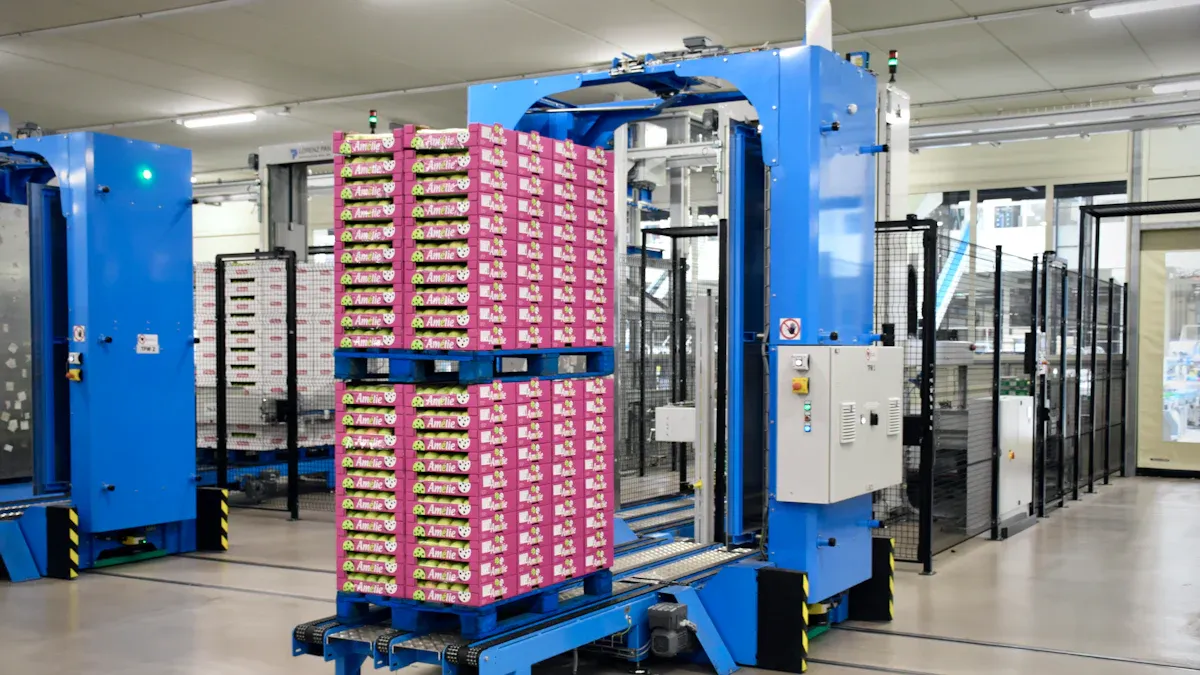
Real-Time Tracking
Smart warehouses use real-time tracking to watch inventory and shipments. Managers know where each item is all the time. This technology makes orders go out 30% faster. Workers check stock right away and send orders quickly. Automated systems help deliveries arrive on time 25% more often.
Real-time tracking stops stockouts and overstocks.
Automated systems change inventory numbers as items move.
Managers use live data to make better choices.
Tip: Real-time tracking lets warehouses react fast when demand changes.
Barcode and RFID Systems
Warehouses use barcode and RFID systems to handle inventory. These tools make scanning and tracking items simple. RFID systems read many tags at once without seeing them. Barcodes need each item scanned one by one.
Feature | RFID Systems | Barcode Systems |
|---|---|---|
Scan Speed and Throughput | Reads lots of tags at once, so inventory and tracking are fast. | Scans one barcode at a time, so it is slower for big jobs. |
Line of Sight Requirements | No need to see tags, reads through most materials. | Must see the barcode to scan it. |
Durability and Environmental Resilience | Very tough, works in dust, chemicals, and heat. | Can wear out, fade, or get damaged. |
Data Storage Capacity | Holds lots of info, like serial numbers and details. | Holds less info, usually just product ID or serial number. |
Read/Write Capability | Reads from close or far away. | Needs to be very close to scan. |
Operational Range | Passive tags work from centimeters to meters; active tags work from far away. | Only works from a few inches or centimeters. |
Implementation Cost | Costs more to start, but saves money later. | Cheap to set up and buy equipment. |
Warehouses pick RFID for speed and strength. Barcodes are good for small places with less money.
IoT and Robotics
IoT devices and robotics change warehouse work. IoT devices include RFID tags, sensors, and smart shelves. Robots move goods and help pack orders. These tools make data more accurate and help manage inventory.
IoT sensors watch assets and where inventory is.
Smart shelves check stock and tell managers when it is low.
Cold chain sensors protect food and other goods.
Automated restocking fills shelves without workers checking.
Robots help people lift heavy things and move products. This lowers mistakes and keeps workers safe.
Note: IoT and robotics help warehouses use less energy and make less waste. Electric vehicles and smart sensors cut carbon emissions and save power.
Environmental Impact | Description |
|---|---|
Energy Efficiency | Automation and smart systems use less energy. |
Waste Reduction | Recycling and better packaging make less waste. |
Carbon Footprint Minimization | Clean energy and smart systems lower emissions. |
Data Analytics and AI
Data analytics and AI help warehouses guess what inventory they need and stop mistakes. AI looks at old sales and market trends. It helps plan for demand and keeps inventory at the right level. Predictive analytics uses past data and machine learning to stop having too much or too little stock.
AI finds equipment problems early and helps plan worker jobs.
Smart systems make picking and packing better.
IoT sensors watch inventory and refill shelves automatically.
Analytics help stop theft and loss by finding patterns.
AI helps managers plan how many workers they need. It matches jobs to workers with the right skills. Real-time changes keep work running smoothly when it gets busy.
Regulatory Aspect | Influence on Technology Adoption |
|---|---|
Robotics must have safety features to stop accidents. | |
Environmental Regulations | Push for robots and IoT that save energy. |
Data Privacy Laws | Companies must keep customer and business data safe. |
Supply Chain Transparency | Real-time tracking and reports are required. |
Callout: Smart warehouse technologies help companies meet sustainability goals. They use less energy, make less waste, and lower emissions.
Implementing Solutions
Integration Steps
Smart warehouses need a simple plan to add new technology. Managers look at how things work now. They find places where work slows down. Then, they make a plan to add new systems. They set goals and pick dates for each step.
Check how the warehouse works to find problems.
Make a plan with clear steps and needed tools.
Set easy goals and pick dates for each step.
Find spots for real-time data collection.
Pick IoT devices that fit with current systems.
Put in devices and link them to the main system.
Add RFID tags to products and set up readers.
Managers also use robots for picking and packing. They buy guided vehicles and robotic arms. Experts help design spaces for new machines.
Training and Change Management
Training helps workers learn new technology. Leaders look at what workers do now. They see how new systems will change jobs. They talk with supervisors and workers about what training is needed. They find skill gaps and pick programs to help.
Look at staff jobs and how tech will change them.
Talk with supervisors and staff about training needs.
Find skill gaps and choose what to teach.
Pick easy-to-use technology for faster learning.
Give help and support while workers learn.
Challenge | Mitigation Strategy |
|---|---|
Retrofitting existing infrastructure | Careful planning and good training |
Integration with existing systems | Get expert help for joining systems |
Employee resistance | Give training and talk with workers |
Continuous Improvement
Warehouses use smart systems with AI and robots to check inventory and find problems early.
Smart data systems use AI, robots, and digital twins. They give managers live updates on warehouse work. This keeps inventory right by scanning all the time and finding problems fast.
Managers check important numbers often. They use root cause analysis to fix issues. Workers share ideas through open talks. Feedback helps everyone get better.
Use data to guess demand and manage inventory.
Change KPIs to match new goals.
Ask staff to share feedback and ideas.
Smart warehouses keep getting better by using new tech, training workers, and listening to feedback.
Benefits of Improved Data Accuracy
Fewer Errors and Lower Costs
Smart warehouses make fewer mistakes when data is correct. Workers track goods better and mess up less. Managers use live data to make smart choices. This helps them stop running out or having too much stock. Keeping the right amount saves money and space. Good data means less waste and fewer lost sales.
Benefit | Description |
|---|---|
New technology and automation make work faster and easier. People do less by hand and make fewer mistakes. | |
Reduced Costs and Errors | Better systems cut down on waste and lost work. Tracking mistakes happen less often. |
Increased Inventory Accuracy and Visibility | Sensors and RFID show real inventory levels. This lowers the chance of losing items. |
Note: Good data helps workers find items and keeps things running well.
Faster Fulfillment
Warehouses with good data fill orders faster. Workers know where every item is right away. They do not waste time looking for things. Automated systems update stock as soon as it moves. This makes picking and packing go quicker. Customers get their orders on time more often.
Not running out or having too much keeps products ready for orders.
Fewer lost items means orders get filled better.
Live tracking helps workers act fast when things change.
Smart tools help warehouses meet deadlines and handle more orders each day.
Better Customer Experience
Good data and clear inventory help customers feel happy. Businesses can promise delivery times they can keep. Customers get updates about their orders as they happen. They trust the warehouse to send what they want, when they want it.
Good tracking stops running out and backorders, so orders come on time.
Live inventory info makes customer service better.
Happy customers come back and tell friends about their good experience.
Clear supply chain info builds trust and loyalty.
Tip: Happy customers will buy again and tell their friends.
Smart warehouse technology helps make data more correct. It also lets managers see inventory better. Automation and robotics make work faster. They help when there are not enough workers. IoT and AI help managers control things. These tools help them make good choices. Saving money over time is better than spending a lot at first. Managers should check machines and systems often. They should plan to upgrade when needed. People can learn more by taking courses like IBM AI Foundations for Everyone. They can also read about smart warehouse technology on trusted websites.
Technology | Benefit |
|---|---|
IoT & AI | Better visibility, control, and decision-making |
Automation | Higher efficiency and resilience |
Tip: Making warehouse systems better helps work go well and makes customers happy.
FAQ
What is a smart warehouse?
A smart warehouse uses technology like IoT, robotics, and automation. These tools help workers keep track of inventory. They also help cut down on mistakes. Orders get filled faster with these systems. Managers get live data to help them make better choices.
How does RFID improve inventory accuracy?
RFID tags let workers scan lots of items at once. This makes counting faster and lowers mistakes. Managers can see how much inventory they have right now. RFID also helps workers find missing items quickly.
Can small warehouses use smart technology?
Yes, small warehouses can use smart technology too. They can start with barcode systems or simple sensors. These tools help them be more accurate and save time. There are options for every budget.
What training do workers need for new systems?
Workers need to learn how to use scanners, robots, and software. Managers should give hands-on practice and help when needed. Good training makes workers feel sure of themselves and helps stop mistakes.
How does smart technology help the environment?
Smart technology uses less energy and makes less waste. Automated systems track resources and help with recycling. Many warehouses use electric vehicles and smart lights to lower pollution.
See Also
The Future of Retail Lies in AI-Driven Stores
Smart Technology Is Transforming Electronics Vending Machines Today
Revolutionizing Online Store Management with AI E-Commerce Tools
