Top 3 benefits of edge AI architecture in retail

You can see three main benefits of edge AI architecture in retail. These are real-time decision-making, better customer experience, and stronger data privacy. These benefits help stores work better. They also make shoppers happy and keep their information safe. Recent studies say 40% of stores use AI for in-person help and real-time prices. This number may go up to 80% by 2025. The table below shows how each benefit helps your store, your customers, and your security:
Benefit | Operational Efficiency | Shopper Satisfaction | Security |
|---|---|---|---|
Real-time decision-making | Makes work faster, cuts down waste | Makes shopping better | Helps customers trust you |
Enhanced customer experience | Gets more loyal shoppers and sales | Gives special shopping moments | Needs clear rules for privacy |
Improved data privacy | Uses data the right way | Gives offers at the right time | Keeps a good balance with ethics |
Key Takeaways
Edge AI architecture lets stores make decisions fast. Stores can fix problems like empty shelves or theft right away.
Personalized customer experiences make shoppers happier. This helps shoppers stay interested and buy more.
Local data processing keeps data private. It lowers the chance of information leaks and follows rules.
Dynamic inventory management and pricing help stores compete. Stores can change prices and stock quickly to match what people want.
Using edge AI solutions gets stores ready for new problems. It makes stores work better and keeps customers coming back.
Real-time insights with edge AI architecture

Fast in-store decision-making
Edge AI architecture lets you make choices quickly in your store. It handles data right where it happens, not far away. You get answers in seconds, not minutes. This speed helps you fix problems before they get worse. For example, you can see empty shelves or theft right away.
Tip: Quick choices help your store run well and keep shoppers happy.
Here is how edge AI architecture is different from older systems:
Feature | Edge AI Architecture | Traditional Systems |
|---|---|---|
Data Processing Location | Local processing at the edge | Centralized processing in data centers |
Latency | Low latency, enabling immediate decision-making | Higher latency, leading to delays |
Scalability | Designed for high-frequency data processing | Often struggles with real-time workloads |
Operational Efficiency | Optimizes store operations and inventory management | Limited by legacy infrastructure |
You can see these changes in real stores. Walmart uses edge AI to check shelf cameras and manage stock. This made out-of-stock items drop by 47%. Stores also use edge AI to spot theft. The system sends alerts to security fast, so staff can act quickly.
Numbers like response time, throughput, and model inference time show how much faster you can work. Edge AI gives you answers right when you need them. Some stores have cut system delays by 60% with this technology.
Dynamic inventory and pricing
Edge AI architecture helps you change prices and manage stock in real time. The system checks demand, supply, and what other stores do. It then changes prices or restocks shelves without waiting for a manager.
Dynamic pricing changes prices based on demand or what other stores charge.
AI-driven inventory tools guess what you need to order and where to put it.
Pricing and inventory systems work together to mark down items or restock fast.
Many stores use electronic shelf labels with AI. These labels change prices right away when supply chain data changes. Some fashion stores use AI to keep prices the same online and in stores. This keeps your brand strong and makes shoppers happy.
Retailers see that AI helps them make better pricing choices. Tools like RELEX Price Optimization help you focus on sales and profit. These tools look at data and suggest the best price changes. When you use edge AI architecture, you can plan better and keep your store ahead of others.
Personalized customer experience
Tailored recommendations
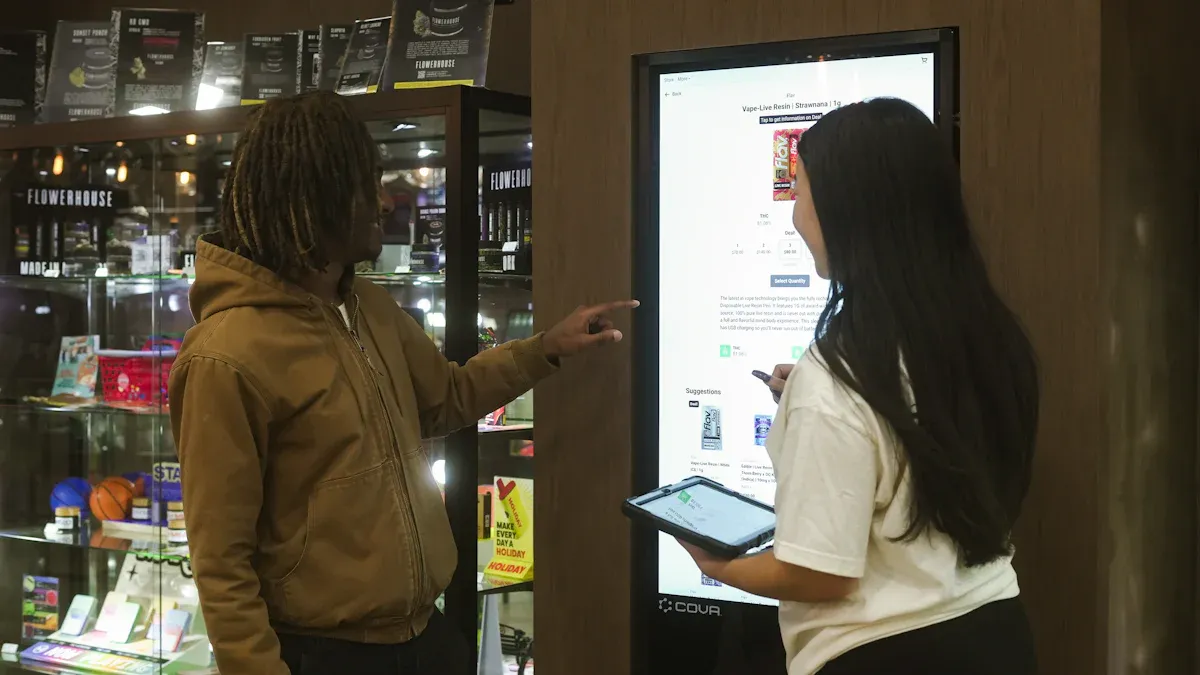
You want shoppers to feel important each time they visit. Edge AI architecture helps you give suggestions that fit their style and needs. Today, hyper-personalization is normal. Shoppers want quick, helpful, and easy experiences everywhere. GenAI has made personalization more flexible. Now, you can connect with customers based on their mood and where they are.
Evidence Point | Description |
|---|---|
Hyper-personalization is now the baseline | Customers want fast, helpful, and smooth experiences at every spot. |
GenAI shifts personalization from static to adaptive | Personalization changes from fixed steps to ongoing, smart engagement. |
Impact is measurable and immediate | Companies using GenAI personalization see more engagement and sales right away. |
Many stores use edge AI to study shopper habits and trends. For example:
ASOS uses AI to learn what customers like and what is trending.
The system checks data quickly, so suggestions match where shoppers are and what they look at.
In 2024, ASOS saw a 35% increase in click-through rates and a 12% boost in average order value after using AI personalization.
Edge AI systems link shoppers to the best products based on what is in stock and what they want now. This lets you give suggestions that fit each shopper’s needs and local demand.
Responsive service and checkout
Edge AI architecture makes shopping faster and easier. Real-time data lets you see what customers want and respond quickly. Smart shelves and displays help shoppers find items fast. You get instant updates on inventory, so popular items stay in stock.
Benefit/Functionality | Description |
|---|---|
Real-time data processing | Gives quick access to customer data, making engagement better. |
Smart store functionalities | Supports smart shelves and displays, making shopping easier. |
Inventory management | Gives fast updates on inventory, keeping stock levels right. |
Operational efficiency | Helps stores fill online orders, making work smoother and cheaper. |
Customer experience synchronization | Matches in-person and online shopping, making customers happier and more loyal. |
Retailers use edge devices to handle video and sensor data close by. This cuts delays and keeps systems working well. You can react to customer needs and inventory changes right away. Shoppers get faster checkout and better service, so they want to come back.
Data privacy and security
Local data processing
You can keep customer information safe by using local data processing. Edge AI architecture lets you handle data right in your store. The data does not have to go to a faraway data center. This means sensitive information stays close to where it starts. There is less chance of someone stealing or seeing the data because it does not travel far.
Data stays on the device, so privacy problems are less likely.
You get quick feedback about inventory and what customers do.
Smart shelves and video analytics work fast with no waiting.
You can keep important systems working even if the internet stops.
When you process data in your store, you can react faster to things that happen. You can give special deals based on what customers do right away. This helps you watch what happens and keep your store safe.
Note: Local data processing means you do not need cloud services as much and your store is safer.
Regulatory compliance
You have to follow strict rules to keep customer data safe. Edge AI architecture helps you follow laws like GDPR, CCPA, and HIPAA. When you keep data in your store, you stop sensitive information from leaving. This helps protect privacy and makes sure you follow the rules.
AI tools check and track data in real time. You can see where data goes and make sure you follow rules about being open and honest. Machine learning helps you find and delete data you do not need, which helps you keep only what is important.
Aspect | Description |
|---|---|
Privacy-first AI solutions | Use anonymization and encryption to protect data and meet GDPR requirements. |
Explainable AI systems | Choose AI that can explain its decisions to build trust and support compliance. |
Collaboration between teams | Work with cybersecurity, legal, and compliance experts to spot and fix issues early. |
AI tools can do jobs like managing consent and handling Data Subject Access Requests. Predictive analytics help you find risks before they turn into problems. You build a business that cares about privacy and follows the law.
You get real-time insights with edge AI architecture in retail. Edge AI gives you personalized experiences and stronger security. It makes stores work better and helps new ideas like cashierless stores. Edge AI keeps your store strong even when things change. When you use edge AI, you can put products in better spots. You can talk to customers in smarter ways. You can make more money.
Impact Area | Description |
|---|---|
Stores make faster choices and work better | |
Improved Experiences | Service fits each shopper and checkout is easy |
High Availability | Stores stay open and work well everywhere |
Try edge AI solutions that can grow with your store. This helps your store get ready for the future.
FAQ
What is edge AI architecture?
Edge AI architecture uses smart devices in stores. These devices process data right where things happen. You get answers fast. You do not need to send data far away.
How does edge AI improve customer experience?
You can see what shoppers want right away. Edge AI gives quick suggestions. It keeps checkout lines short. Shoppers feel important and enjoy shopping more.
Is edge AI safe for customer data?
Edge AI keeps data close to your store. You protect customer information by not sending it to the cloud. This lowers the chance of leaks. It helps shoppers trust your store.
Can edge AI help with inventory management?
Edge AI checks stock levels right away.
You restock shelves quickly.
You do not run out of popular items.
Do you need special equipment for edge AI?
You need smart devices like cameras and sensors. Shelf labels are also needed. These tools work together. They help your store run well.
See Also
Understanding AI-Driven Convenience Stores: Key Insights for Retailers
The Future of Retail: Embracing AI-Enhanced Stores
Modern Retail Advantages of AI-Enhanced Combo Vending Machines
