Comparing vending machines vs. autonomous micro stores in Convenience store chains & small-format grocery.

If you want to boost sales in your convenience business, you should know that autonomous micro stores often outperform vending machines. Micro markets help you achieve up to 2.1 times the average transaction value and 30–50% higher sales per location. Many retailers now invest in self-checkout systems and smart shelves to make shopping faster and more reliable. Your best choice depends on your goals, location, and the experience you want to offer.
Key Takeaways
Micro markets can increase sales by 30-50% compared to vending machines, offering a wider variety of fresh and healthy options.
Vending machines are ideal for high-traffic areas due to their compact size and low maintenance, making them a quick solution for snacks.
Choose micro markets if you want to enhance customer experience with more product choices and a modern shopping environment.
Invest in technology like self-checkout kiosks and real-time inventory management to improve efficiency and customer satisfaction.
Evaluate your location and customer needs to decide between vending machines for simplicity or micro markets for a richer shopping experience.
Vending Machines vs. Micro Markets: Key Differences
What is a Vending Machine?
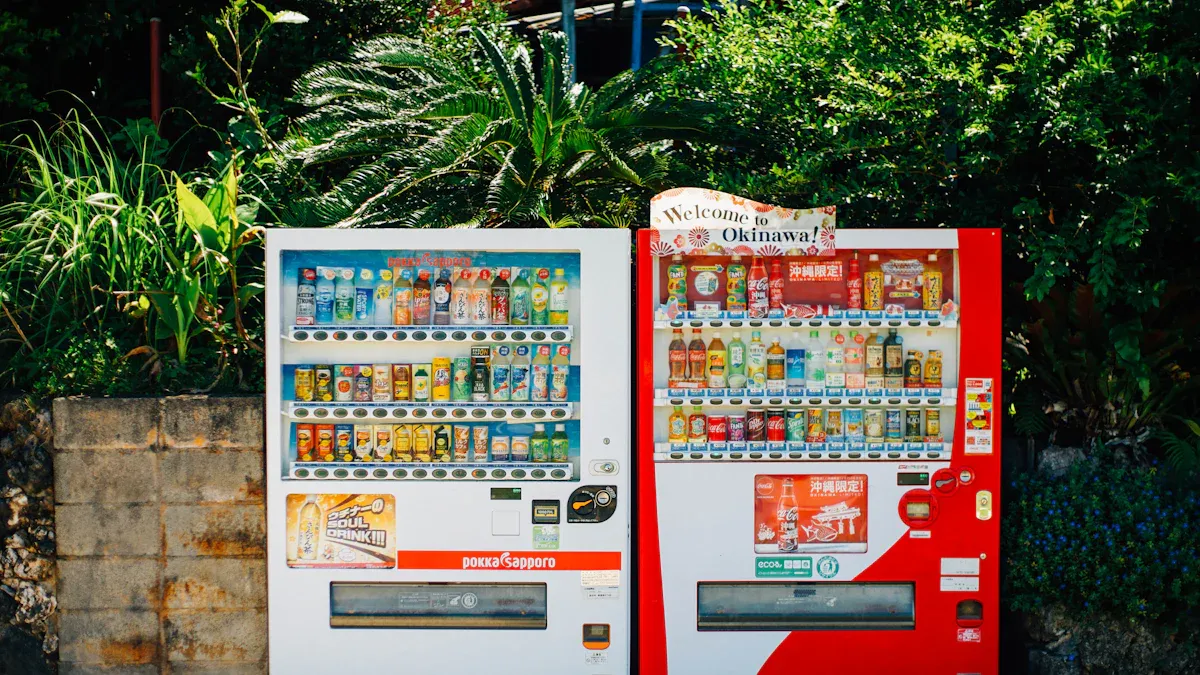
You see vending machines in many places, like schools, offices, and airports. These machines sell snacks, drinks, and other packaged goods. You select your item, pay with cash or a card, and the machine dispenses your choice. Vending machines work without staff and need little maintenance. They fit into small spaces and operate all day and night. You get quick access to products, but the selection is often limited to chips, candy, and sodas.
What is a Micro Market (Unmanned Store)?
Micro markets look like small convenience stores, but no cashier stands behind the counter. You walk in, browse shelves and coolers, and pick fresh foods, drinks, and snacks. You scan your items at a self-checkout kiosk and pay using cards, mobile apps, or loyalty programs. Micro markets need some staff for restocking and cleaning, but you enjoy a wider range of products, including salads, fruits, and sandwiches. These stores work best in secure locations, like office buildings or apartment complexes.
Main Differences
You may wonder how vending machines and micro markets compare. Here is a table that shows their main differences:
Aspect | Vending Machines | Micro Markets |
|---|---|---|
Staffing | Minimal staffing required | Requires some oversight and staffing |
Product Access | Limited selection of pre-packaged items | Wider variety including fresh foods and beverages |
Customer Interaction | Quick transactions | Interactive shopping experience with browsing |
Space Requirements | Compact, suitable for smaller areas | Larger setups resembling convenience stores |
Payment Options | Cash, coins, and cashless methods | More payment options including mobile apps and loyalty programs |
Operating Hours | Available 24/7 | May have restricted hours based on location |
One of the main drawbacks of vending machines is their limited selection of snacks, often featuring unhealthy options. In contrast, micro markets offer a wide variety of fresh, nutritious choices, such as salads, fruits, and whole-grain snacks.
You get more choices in micro markets. These stores provide a broader range of healthier items and cater to your preferences with fresh options. Micro markets focus on the needs of specific groups and offer better-for-you products. Vending machines, on the other hand, work well in high-traffic areas and suit any business size. They need less upkeep and provide secure, compact solutions.
A Fortune 500 distributor replaced 12 vending machines with a 600-square-foot micro market. Weekly sales increased by 3.1 times. Employees liked the market because it offered fresh food options. Stockouts dropped by 78% due to real-time data for smarter restocking.
Here is another table to help you compare adaptability:
Factor | Micro Markets | Vending Machines |
|---|---|---|
Product Range | Broader range including fresh and nutritious items | Limited inventory, primarily snacks and drinks |
Location | Best in enclosed, secure spaces | Suited for high-traffic, open areas |
Business Size | Requires more upkeep, better for larger teams | Adaptable for any business size |
Security | Needs monitoring due to unattended nature | Generally secure, compact, and low maintenance |
Business Hours | 24/7 access for users | Limited to operational hours |
Micro markets provide a broader range of healthier items.
They cater to specific consumer preferences with fresh options.
You should choose micro markets if you want to offer more products and create a better shopping experience. Vending machines work best if you need a simple, low-maintenance solution for snacks and drinks in busy places.
Product Variety & Expectations
Vending Machines: Product Range
You find vending machines in many convenience store chains. These machines offer a mix of snacks, drinks, and sometimes fresh produce or dairy items. Some vending machines even provide hot meals. This variety helps you grab something quick when you need it. You can choose chips, candy bars, bottled water, or juice. In some locations, you may see yogurt or sandwiches. The selection fits many tastes, but most items are packaged and shelf-stable. You get convenience, but you may not find many healthy options.
Micro Markets: Selection & Fresh Options
Micro markets change the way you shop for snacks and meals. You walk into a micro market and see shelves filled with fresh salads, fruits, and sandwiches. You can pick up a healthy lunch or snack without leaving your building. Micro markets often stock between 150 and 400 items, much more than the 40 products you see in most vending machines. You find more choices, including nutritious foods that support better eating habits.
Micro markets offer a diverse selection of fresh items such as salads, fruits, and sandwiches.
You get healthier eating choices without needing to prepare meals at home.
Micro markets can achieve 30–50% higher sales per location compared to vending machines.
When you have more options, you spend more. The average micro market generates $1,200–$1,800 per week. Vending machines usually make $450–$600 in the same time. Customers feel more satisfied when they see fresh and healthy foods. You enjoy a better shopping experience and higher value with micro markets.
Tip: If you want to boost customer satisfaction and increase sales, consider adding micro markets to your store. You give shoppers more choices and help them eat better.
Technology & Payment Experience
Vending Machine Automation
You see new technology in vending machines every year. These machines use advanced systems to make shopping faster and easier. Here is a table that shows some of the most common automation technologies:
Technology Type | Description |
|---|---|
Computer Vision and Product Recognition | High-resolution cameras and machine learning help the machine recognize products visually. |
RFID Scanner Technology | RFID tags allow instant product identification without touching the item. |
Smart Weight Sensors | These sensors track the weight of items to ensure accurate dispensing. |
Triple Verification System | Combines vision, RFID, and weight sensors for better accuracy. |
NFC technology lets you pay quickly with your phone or card. | |
Light Sensors | Detects when you approach and wakes up the machine. |
Robotic Arms | Picks and delivers products smoothly. |
Temperature Sensors | Keeps food and drinks fresh by controlling the inside temperature. |
QR Code and Barcode Scanners | |
Card Readers | |
Internal Tracking Systems | Monitors stock and updates inventory in real time. |
These features make vending machines more reliable and user-friendly. You get quick service and many ways to pay.
Micro Markets: Checkout & Payment
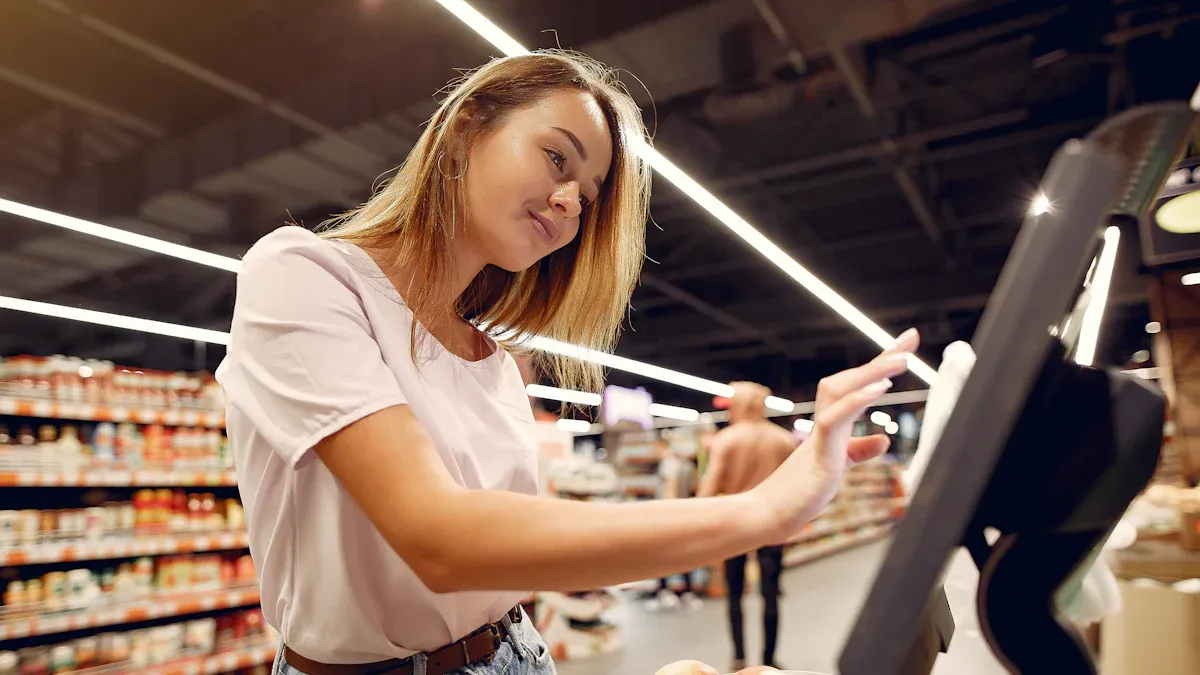
Micro markets give you a different shopping experience. You walk in, pick up what you want, and use a self-checkout kiosk. Here are some ways micro markets make checkout simple:
Open shelves and coolers let you see all products.
Self-service kiosks allow you to scan items and pay.
You can use a card, mobile wallet, or even an employee badge.
Real-time inventory management keeps products in stock.
No cashier is needed, so you shop anytime.
You feel more in control and can choose from a wider range of items than in most vending machines.
Integration with Mobile & Loyalty Apps
Both vending machines and micro markets now support mobile payments and loyalty apps. This technology gives you faster and safer ways to pay. Many people prefer cashless options, and these systems make it easy. You can earn points or discounts through loyalty programs. Businesses benefit because you come back more often and spend more. Quick, secure payments improve your experience and reduce wait times.
Tip: Try using mobile wallets or loyalty apps next time you shop. You might save money and enjoy a smoother checkout.
Security & Operational Risks
Theft & Vandalism in Unmanned Stores
You face different security risks when you choose between vending machines and micro markets. Unmanned micro stores often deal with theft. Some customers may take goods without paying. Others might swap high-quality items for cheaper ones. These actions can lead to big losses for your business. Micro markets need strong security, such as cameras and remote monitoring, to reduce these risks.
Vending machines lower the risk of theft. You cannot get the product until you pay. This setup makes stealing almost impossible. However, vending machines still face other threats. People may try to break into the machine or tamper with the payment system. Smart vending machines also collect customer data. You must protect this information from cyber threats. Regular checks and secure locations help keep your machines safe.
Note: New rules may require you to show calorie counts and allergen details on your products. You should stay updated on these regulations to avoid fines and keep your customers safe.
Common security risks:
Customers taking goods without payment in micro markets
Swapping items for lower-quality products in unmanned stores
Physical break-ins or tampering with vending machines
Inventory Management & Loss Prevention
You need good inventory management to prevent losses. Vending machines use fixed restocking schedules. This method can lead to empty slots or expired products. Micro markets use real-time data. You can restock only what you need, which keeps shelves full and reduces waste.
Here is a table that compares both systems:
Feature | Vending Machines | Micro Markets |
|---|---|---|
Product Variety | Limited to what fits inside the machine | Wide range, including fresh items |
Restocking | Fixed schedules, risk of mismatches | Real-time data, dynamic restocking |
Security Measures | Simple, standalone | Advanced, with surveillance and remote management |
Customer Interaction | Limited, payment only | Engaging, self-checkout, visible inventory |
Sales Performance | Lower, fewer impulse buys | Higher, more impulse purchases and dynamic pricing |
Waste Management | Higher waste, fixed restocking | Reduced waste, dynamic pricing, near-expiry removal |
You can see that micro markets offer better control over inventory and waste. You also get higher sales because customers buy more when they see fresh and varied products.
Cost & Revenue Potential
Vending Machine Costs & ROI
You can start with vending machines for a lower upfront cost. Most machines cost between $1,500 and $10,000, depending on if you buy new or used and what features you want. You often see a return on investment between 24% and 36% each year. Your profit depends on where you place the machine, what products you offer, and how well you manage restocking. If you choose a busy spot and keep popular snacks and drinks in stock, you can boost your revenue quickly.
Fast setup and easy relocation
ROI depends on location and product mix
Micro Market Investment & Profits
Micro markets need a bigger investment at the start. You pay for shelves, coolers, self-checkout kiosks, and security systems. These stores often require more space than vending machines. You can offer more products, including fresh food, which attracts more customers. Many businesses see higher revenue from micro markets because shoppers buy more items per visit. You can expect greater profit per location, but you must manage more inventory and staff.
Higher upfront costs for equipment and setup
More products mean higher sales potential
Fresh food options increase customer spending
Operating Costs & Maintenance
You will notice a big difference in daily costs. Vending machines need less attention. You can check and restock them less often, which saves time and money. Micro markets require daily visits to restock fresh food and keep displays clean. You need a team to handle inventory and help with checkout. This raises your operating costs and makes management more complex.
Aspect | Vending Machines | Micro Markets |
|---|---|---|
Management | Remote monitoring | Daily on-site management |
Inventory | Simple, less frequent restocking | Complex, frequent restocking |
Staff | Minimal | Team needed for oversight |
Operating Costs | Lower | Higher |
Maintenance | Infrequent visits | Daily upkeep required |
Tip: If you want lower costs and simple management, choose vending machines. If you want higher revenue and a better shopping experience, micro markets can help you reach your goals.
User Experience: Which Is More Convenient?
Customer Interaction in Vending Machines
You interact with vending machines in a quick and simple way. You choose your snack or drink, pay, and receive your item almost instantly. This process feels fast, but sometimes you face problems like stuck products or payment errors. Vending machines usually offer a limited selection, so you may not find healthy options or fresh food. The machine does not engage you beyond the transaction. You do not get a chance to browse or compare products. Most vending machines require mechanical maintenance, which can interrupt service.
Here is a table that compares vending machines and micro markets for customer interaction:
Aspect | Vending Machines | Micro Markets |
|---|---|---|
Product Variety | Limited by space and mechanical constraints; fewer healthy options. | Open shelving and coolers; a wide range of fresh items available. |
Checkout Experience | Simple but can be frustrating when issues arise. | Self-checkout kiosks provide a smooth and modern experience. |
Freshness & Quality | Typically stock shelf-stable items; limited fresh options. | Focus on fresh food, delivered frequently for quality. |
Employee Engagement | Functional but not engaging. | Enhances workplace culture and boosts employee morale. |
Theft and Accountability | Virtually impossible due to payment requirement. | Relies on honesty and monitoring systems for accountability. |
Service and Maintenance | Requires more mechanical maintenance. | Simpler maintenance with regular restocking and cleanliness. |
Micro Markets: Shopping Experience
You step into a micro market and see shelves filled with fresh food, snacks, and drinks. You can browse, compare products, and select items that fit your dietary needs. Micro markets operate 24/7, so you always have access to a wide variety of choices. You use a self-checkout kiosk, which makes the process smooth and modern. In 2023, cashless sales made up 96% of all transactions at micro markets, showing that people prefer quick and easy payment methods.
Micro markets feel more convenient because they offer:
A vast selection of snacks, beverages, and fresh food for every taste.
Continuous access without the need for staff.
Cashless payment options for faster checkout.
A shopping environment that supports workplace culture and boosts morale.
You enjoy a better customer experience in micro markets. You get more choices, fresher products, and a user experience that feels modern and flexible. Micro markets cater to your needs and make shopping more convenient than traditional vending machines.
Tip: If you want a shopping solution that feels more convenient and supports healthy choices, micro markets can improve your daily routine.
Business Suitability & Scenarios
High-Traffic vs. Low-Traffic Locations
You need to match the right solution to your location. Vending machines work best in places where many people pass by or gather. These include manufacturing sites, offices with over 100 employees, apartment complexes, hospitals, and nursing homes. Micro markets fit larger office settings where people spend more time each day. You see the biggest benefits when you place vending machines in high-traffic areas with a captive audience and immediate needs.
Location Type | Vending Machines | Micro Markets |
|---|---|---|
Manufacturing / Distribution | High | N/A |
Offices (100+ employees) | High | N/A |
Apartment Complexes | High | N/A |
Hospitals | High | N/A |
Nursing Homes / Care Facilities | High | N/A |
Vending machines serve best where people need quick snacks or drinks.
Micro markets shine in places with steady, daily users who want more choices.
Adaptability & Space Requirements
You must consider space before choosing a solution. Vending machines are compact and fit into tight spots. You can place them almost anywhere, even in small break rooms or hallways. Micro markets need more room, usually at least 100 to 150 square feet. They offer more products and a better shopping experience. You get more flexibility with micro markets if you have enough space and want to provide premium options.
Vending machines suit limited spaces.
Micro markets need more space but offer greater variety and engagement.
Expansion & Scalability
You can grow your business with both vending machines and micro markets. Smart store technology helps you manage more locations with less effort. Cashless payments and remote monitoring make it easy to track sales and restock. Micro markets give you a flexible shopping experience that meets many customer needs. Some companies have deployed over 1,000 autonomous retail units, tripling revenue and achieving zero shrinkage. These results show that both vending machines and micro markets can scale up and succeed in different environments.
Tip: Use smart technology to expand your operations and keep customers happy as you grow.
Decision Guide: Choosing the Right Solution
Key Questions for Business Owners
You want to make the best choice for your store. Start by asking yourself a few important questions. These questions help you match your needs with the right solution.
What is the size of your business?
How many people visit your location each day?
Do you want to offer fresh food and healthy options?
What is your budget for setup and maintenance?
How important is customer experience in your store?
Do you need 24/7 access for your customers?
How secure is your location?
You can use the table below to compare vending machines and micro markets based on key criteria. This table helps you see which option fits your business.
Criteria | Vending Machines | Micro Markets |
|---|---|---|
Location | Ideal for high traffic areas like waiting rooms and hotels. | Better suited for controlled spaces like offices. |
Business Size | Suitable for businesses of all sizes. | Best for 50 to 200 employees. |
Security | Can be monitored 24/7, but less vulnerable. | Requires more surveillance due to open access. |
Work Hours | Available at all hours, accommodating all shifts. | Great for businesses open beyond regular hours. |
You see that vending machines work well in busy places with many visitors. Micro markets fit best in secure spaces with steady groups of people.
Actionable Recommendations
You want to choose the right solution for your store. Look at the main factors that affect your decision. Cost, product range, and customer experience matter most. The table below shows how each solution compares.
Factor | Vending Machines | Micro Markets |
|---|---|---|
Cost | Lower upfront costs, often zero installation fees | Higher initial investment, requires infrastructure |
Product Range | Limited to shelf-stable items, fewer healthy options | Wider variety including fresh and healthy choices |
Customer Experience | Basic interaction, limited engagement | Enhanced experience with self-checkout and variety |
Revenue Potential | Generally lower, passive income | Higher potential due to premium pricing and variety |
You see that vending machines cost less and need less space. Micro markets need more money at the start, but they offer more products and a better shopping experience. You can earn more with micro markets if you have enough space and customers who want fresh food.
💡 Tip: If you want quick setup and low costs, choose vending machines. If you want higher sales and happier customers, micro markets give you more options.
You can follow these steps to make your decision:
Site Assessment & Feasibility Analysis: Survey your location. Decide if you have enough space and security for a micro market.
Solution Design & Vendor Selection: Pick a provider with strong features and a good track record.
Merchandising Planogram & Product Strategy: Choose products that match your customers’ needs. Offer healthy and fresh options if possible.
Technology Implementation & Staff Training: Set up technology for payments and inventory. Train your staff to support customers.
Ongoing Optimization: Use software to track inventory. Run promotions to keep customers interested and boost sales.
You can start with vending machines if you want a simple solution. You can add micro markets as your business grows and your customers ask for more choices. You can also combine both solutions to reach different groups of shoppers.
📝 Note: Always review your results. Adjust your product mix and technology to meet your customers’ needs and improve your profits.
You have seen that micro markets deliver a richer retail experience and higher sales, while vending machines offer lower costs and easy setup. Micro markets grow faster and give you more choices, better analytics, and less waste. Experts suggest using eye-catching displays, real-time inventory tools, and loyalty programs to boost engagement. Use this table to match your needs:
Key Factor | Vending Machines | Micro Markets |
|---|---|---|
Daily Foot Traffic | Small or transient | Large offices (100+ users) |
Facility Security | Any location | Secure, badge-access spaces |
Selection & Experience | Limited | Expanded, personalized |
Assess your goals and try piloting or combining both options. Stay connected with your customers and keep your market fresh for lasting success.
FAQ
What products can you sell in a micro market?
You can offer fresh food, snacks, drinks, and healthy options. Micro markets support up to 400 items, including salads, sandwiches, fruit, and yogurt. You can adjust your selection based on customer preferences.
How much space do you need for a micro market?
You need at least 100 to 150 square feet for a micro market. This space allows you to install shelves, coolers, and self-checkout kiosks. You can expand your selection as your business grows.
Are vending machines cheaper to operate than micro markets?
Yes, vending machines cost less to operate. You need minimal staff and maintenance. Micro markets require more investment in equipment, restocking, and cleaning. You may earn higher revenue with micro markets if you have enough customers.
Can you combine vending machines and micro markets in one location?
You can combine both solutions. Vending machines provide quick snacks in busy areas. Micro markets offer fresh food and a better shopping experience. You can meet different customer needs and boost your sales.
See Also
Comparing Micromarkets And Smart Stores In Global Retail
Grocery Vending Machines Transforming Access To Retail Services
Modern Retail Benefits From AI-Driven Combo Vending Machines
The Emergence Of 24-Hour Vending Cafes: Innovation And Convenience
The Evolution Of Fast Food Through Vending Machine Automation
