Choosing Between Vending Machines and Autonomous Micro Stores for Multi-Location Businesses

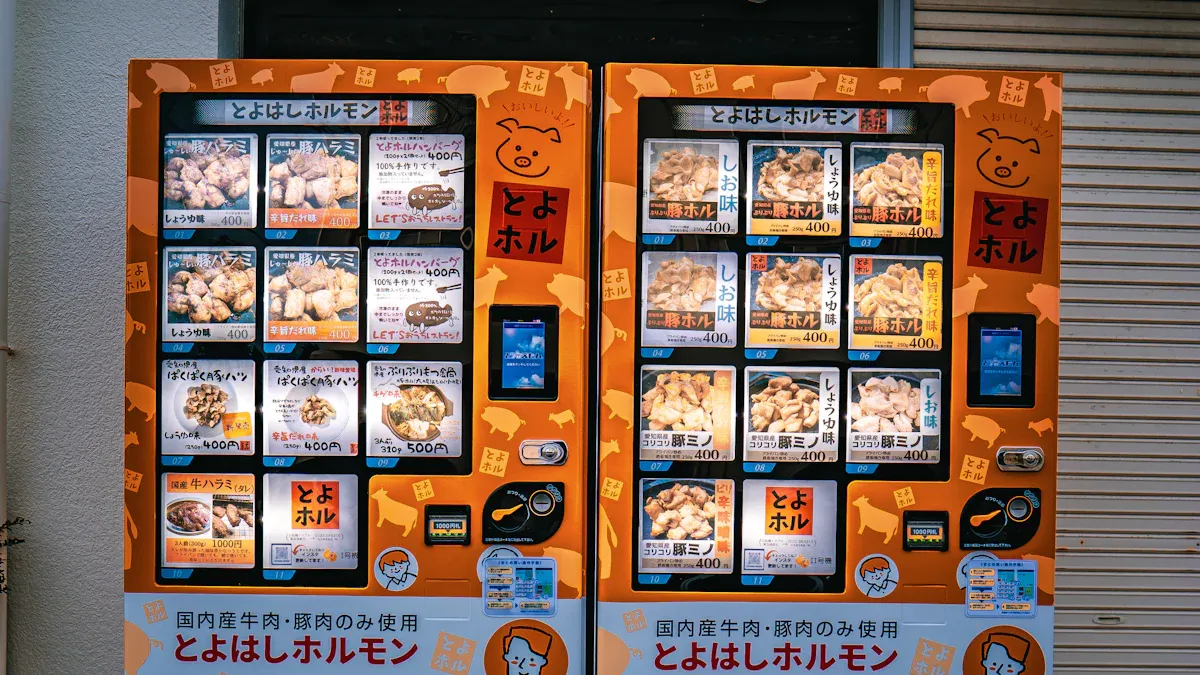
You want to make your convenience store chains bigger in many places. If you want to spend less money and set up fast, vending machines are a good choice. Retailers who pick micro markets pay more money, but they make more money and give customers a better time. Micro markets also have more healthy products to choose from. Your best choice depends on if you want simple service or a fancy feel for your store.
Key Takeaways
Vending machines do not cost much money. They are fast to set up. They work well in small places. They are good for spots with fewer people.
Autonomous micro stores give a better shopping trip. They have more types of products. They also have fresh food. But they need more room and more money to start.
Micro markets can make more money each sale. They often earn $1,200 to $1,800 every week. Vending machines usually make $450 to $600 each week.
Think about who your customers are. Look at how many people come to your location. This helps you pick between vending machines and micro markets. It makes sure you meet what people need.
Check your sales numbers often. Look at what your customers like. This helps you choose the best products. It can help you make more money.
Vending Machines vs. Autonomous Micro Stores: Key Differences
What Are Vending Machines
You see vending machines in many places. These machines sell snacks, drinks, and small items. You put in money or use a card. The machine gives you the product. Vending machines work well in schools, offices, and hospitals. They need little space. You do not need a cashier. Vending machines run all day and night. You can find vending machines in busy and quiet spots. Many people like vending because it is fast and easy.
What Are Autonomous Micro Stores and Micro Markets
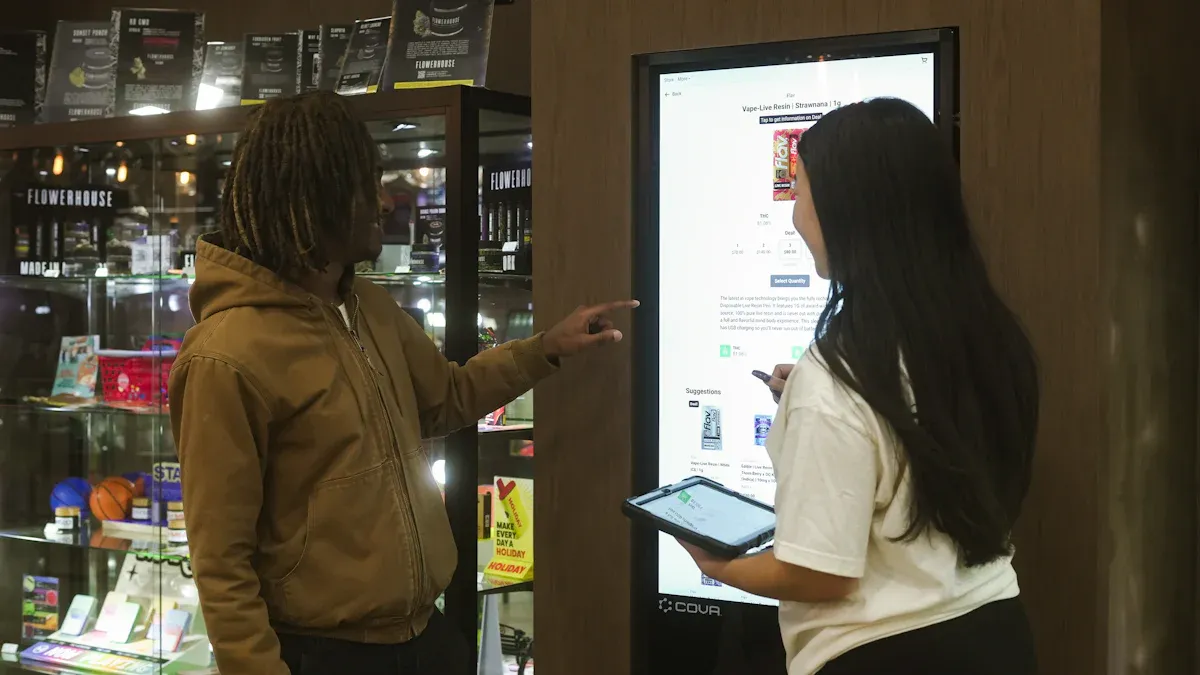
Micro markets look like small shops. You walk in, pick up what you want, and pay at a self-checkout. These micro markets offer fresh food, drinks, and even healthy meals. You get more choices than with vending machines. Autonomous micro stores use smart technology. You do not need a cashier. You can find micro markets in offices, apartment buildings, and gyms. Micro markets make shopping feel like a real store. You get a better shopping experience.
Main Feature Comparison
You may wonder how vending machines and micro markets compare. Here is a table that shows the main technology features:
Technology Type | Description |
|---|---|
Computer Vision and Product Recognition | Cameras and smart software help the system see and know each product. |
RFID Scanner Technology | RFID tags let the system find out what you take without touching each item. |
Smart Weight Sensors | These sensors check the weight to make sure you get the right product. |
Self-checkout Kiosks | You scan and pay for your items without a cashier. |
Real-time Inventory Management | The system tracks what is in stock and tells you when to refill. |
Vending machines use simple technology. You press a button, and the machine drops your snack. Micro markets use advanced tools. You get cameras, sensors, and self-checkout kiosks. Micro markets track products better and offer more choices. Vending machines cost less and are easy to set up. Micro markets need more space and money, but they give you more sales and happier customers.
Tip: If you want quick setup and low cost, choose vending machines. If you want more sales and a better shopping experience, try micro markets or an autonomous micro store.
Startup Costs and Investment
Initial Costs for Vending Machines
Vending machines cost less to start than micro markets. You can begin with about $730,000 for everything. This covers machines, software, and vehicles. If you just want smart machines, you need $250,000. You pay for these things when you pick vending:
Machines for snacks and drinks
Software to track sales and inventory
Vehicles to deliver products to each location
Vending machines use little space. You can set them up fast. You do not need to change your building much. This makes vending a good choice if you want to save money and start quickly.
Initial Costs for Micro Markets
Micro markets cost more at first. You need a special area for your store. You also need extra equipment and technology. Here is a table showing what micro markets need:
Infrastructure Requirement | Description |
|---|---|
Space | A designated area is needed |
Power Outlet | Requires a standard power outlet |
Internet Connection | An internet connection is necessary |
Payment Systems | Accepts cash, credit/debit cards, mobile pay |
App Integration | Supports loyalty accounts via an app |
Smart Tracking | Enables remote inventory monitoring |
Micro markets cost more because they have more features. You can sell fresh food and offer more choices. You also need self-checkout kiosks and tracking systems.
Technology and Setup
Vending machines use simple technology. They have cashless payment and all-in-one design. Micro markets use advanced technology. You need cameras, sensors, and software for inventory. Here is a table comparing both options:
Feature | Vending Machines | Micro Markets |
|---|---|---|
Startup Costs | Lower overall investment | Higher startup costs |
Installation | Simple and quick | Needs more space and setup |
Technology Integration | Basic cashless payment | Advanced tech and app integration |
Profit Potential | Moderate | Higher |
Micro markets cost more and take longer to set up. You get more profit and a better shopping experience. Vending machines let you start fast and spend less money.
Note: Micro markets usually cost more and are harder to set up than vending machines. Make sure you plan your budget and space before you decide.
Revenue and Profitability
Sales Potential of Vending Machines
You can put vending machines in many places. These machines do well where lots of people go. Snacks and drinks sell all the time. Vending machines usually make $300 to $600 each month in busy spots. If you use smart micro market machines, you can make $1,500 to $4,000 or more every month. Here is a table that shows how much money each type makes:
Type of Vending Machine | Average Monthly Revenue |
|---|---|
Traditional Machine | $300 to $600 |
Smart Micro Market | $1,500 to $4,000 or more |
Vending machines give you fast sales with little work. You do not need much space or workers. You can make more money by putting machines in more places.
Revenue from Micro Markets
Micro markets help you make more money at each spot. You can sell more things and give shoppers a better time. Micro markets usually earn $1,200 to $1,800 each week. Vending machines make $450 to $600 each week. The table below shows the difference:
Category | Average Sales per Location |
|---|---|
Micro Markets | $1,200–$1,800 per week |
Vending Machines | $450–$600 per week |
Micro markets cost more, but you get more profit and value. You can bring in more shoppers and keep them coming back.
Product Range and Average Transaction Value
Micro markets have more choices than vending machines. Vending machines mostly sell snacks that last a long time. Micro markets have fresh food, meal kits, and special drinks. People spend more money each time in micro markets, from $4 to $7. Vending machines have lower sales per buy, usually $1.30 to $2.10. Here is a list that shows the difference:
Vending machines usually have only a few snacks that last a long time.
Micro markets have more things, like fresh food, meal kits, and special drinks.
People spend more money in micro markets, from $4–$7, but only $1.30–$2.10 in vending machines.
If you want to make more money and sell more things, micro markets and autonomous micro stores are a good choice. You can get higher sales at each place and make shopping better for your customers.
User Experience and Product Selection
Customer Convenience
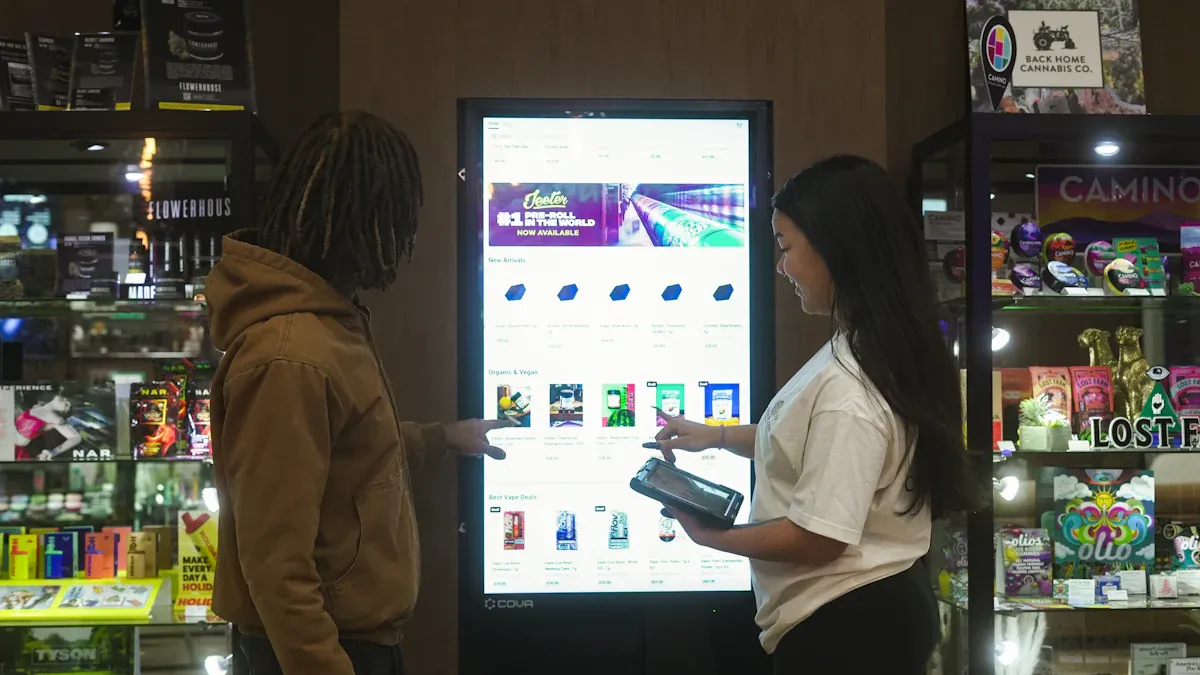
You want shopping to be quick and simple. Vending machines let you get snacks and drinks fast. You press a button and your snack comes out. Micro markets make things even easier. You walk in, grab what you want, and pay by yourself. There are no lines to wait in. You do not need help from workers. Micro markets use smart tools to make shopping smooth. Shopping feels new and easy. This helps you save time and enjoy your break.
Fresh Food and Variety in Micro Markets
Micro markets have more choices than vending machines. You can find fresh food, snacks, and drinks. You can buy salads, meals, and healthy foods. There are many options every day. You do not have to pick just chips or candy. You can choose foods that fit your taste and diet. Micro markets help you eat better and feel good. You get more from your shopping trip.
Tip: If you want fresh food and lots of choices, micro markets give you more options than vending machines.
Brand and Retail Experience
You can tell each store feels different. Micro markets feel like real stores with cool technology. You see cameras, sensors, and self-checkout kiosks. Shopping feels smart and fun. You get more involved and feel happier as a customer. The table below shows how the brand experience is different:
Feature | Autonomous Micro Stores | Vending Machines |
|---|---|---|
Customer Experience | Fast, tech-savvy experience with minimal friction. | Traditional, limited interaction. |
Convenience | Designed for maximum self-service convenience. | Limited in product variety and service. |
24/7 Availability | Operates round-the-clock without staff. | Limited by store hours and staffing. |
Accuracy | AI improves pricing and inventory tracking. | Dependent on human accuracy, prone to errors. |
Efficiency | Streamlined operations through AI and analytics. | Manual processes can reduce efficiency. |
Sales | AI-driven suggestions enhance impulse buys. | Relies on human interaction for upselling. |
Revenue | Lower operational costs lead to higher margins. | Higher revenue per transaction through personal selling. |
Customer Experience (CX) | Empathy and storytelling create trust and loyalty. | Less focus on personal interaction. |
You see micro markets use technology and self-service. Vending machines do not have much customer interaction. Micro markets help you trust the store and want to come back.
Operations and Maintenance
Inventory and Stocking
You must keep products ready for your customers. Vending machines do not need restocking as often. Workers refill snacks and drinks when needed. Sometimes, workers check what is left by hand. This can cause problems if they miss low stock. Micro markets need more care. You restock fresh food and drinks more often. Operators use cloud systems to track inventory right away. You can see sales and stock levels on your computer or phone. This helps you manage inventory better and keeps shelves full.
Tip: Micro markets help you react faster to changes because you get instant inventory updates.
Technical Support and Repairs
You need to keep machines working well. Vending machines use service contracts for repairs. Other companies fix and maintain the machines. You call them if something breaks. Micro markets need more support from your team. You spend time cleaning and fixing equipment. Technology is more important in micro markets. You rely on the maker for tech support. Cameras, sensors, and self-checkout kiosks need updates and fixing. You teach your staff to do simple maintenance jobs.
Vending machines use simple tech and need less support.
Micro markets use advanced systems and need more help from the maker.
Staffing and Monitoring
You handle staff in different ways for each option. Vending machines need less work from staff. Workers refill and check machines sometimes. Micro markets need more watching. You use video cameras to watch open areas. You restock products more often. You trust customers but also watch for stealing. Micro markets use real-time tracking to help manage staff and inventory.
Feature | Vending Machines | Micro Markets |
|---|---|---|
Security | Locked steel case; less chance of theft | Open area; needs video cameras and watching |
Staffing Needs | Less restocking; trained workers needed | More staff needed; restocking happens more often |
Technology | Basic systems; check inventory by hand | Cloud systems; track inventory in real time |
Operational Efficiency | Less hands-on work | Needs trust and steady watching |
Note: Micro markets need more staff and watching, but you get better control over inventory and how customers shop.
Security and Compliance
Theft and Payment Security
You must think about safety when picking vending machines or micro markets. Each one has its own risks and ways to protect your store.
Micro markets can lose products from theft. Open shelves make it easy for people to take things without paying. Many owners worry about this before starting a micro market.
Vending machines have locked cases. This helps stop people from stealing. You do not worry as much about theft.
Both vending machines and micro markets face new online threats. As these systems use more technology and connect to the internet, hackers may try to steal payment data.
The retail world saw more cyberattacks. In 2023, 59% of retail companies had ransomware attacks.
You can use smart payment features to keep your store safe. Most new vending machines and micro markets use secure payment systems. These systems work almost all the time and let you pay in many ways, like tap cards and phone wallets. You get EMV-certified payments, which means your payments follow strict rules. Now, 90% of payments use cashless methods, like tap-to-pay or phone wallets. These features help keep your customers’ information safe.
Tip: Pick machines with real-time inventory tracking and analytics dashboards. These tools help you find problems fast and keep your store safe.
Regulatory Considerations
You must follow rules when running vending machines or micro markets. These rules protect your customers and your store.
You need to meet payment security standards, like EMV certification, to use credit and debit cards.
Health and safety rules matter if you sell fresh food in micro markets. You must keep food cold and check expiration dates.
Privacy laws may affect how you use cameras and collect customer data in autonomous micro stores.
Local laws may need special permits for selling some products or running stores without staff.
You should check all rules in your area before you start. Following these rules keeps your store legal and helps customers trust you.
Scalability for Multi-Location Businesses
Expanding with Vending Machines
You can grow your business fast by adding vending machines. These machines fit in small spaces and are easy to set up. You can put them almost anywhere you want. If you group machines together, it is easier to refill them. This also saves money on delivery trips. Your costs stay low, and you keep making money. You can put machines in offices, schools, or gyms to reach more people. The table below shows how you can use vending in many places:
Description | |
|---|---|
Location Profile | Set sales goals and know your customers before adding machines. |
Route Optimization | Group machines for easy service and lower costs. |
Audience Diversification | Place machines in different spots to reach more people. |
Vending is flexible. You can try new places without much risk. If a spot does not work, you can move the machine.
Scaling Micro Markets and Autonomous Micro Stores
Micro markets let you sell more things and give a better shopping trip. But growing micro markets is harder. You pay more for workers, technology, and deliveries. Small storage means you must refill food and drinks more often. You need good systems to track what you have and not run out. The table below lists some problems you may face:
Challenge | Description |
|---|---|
More places mean you spend more on staff and tech. | |
Limited Storage Space | Small storage needs careful inventory checks. |
Complexity in Coordination | Managing many places needs good planning and systems. |
Risk of Disruptions | Local problems can cause delays and upset customers. |
Higher Replenishment Frequency | Refilling often can be hard for your team and delivery schedule. |
You can use cloud tools and real-time tracking to help with these problems. Micro markets and autonomous micro stores help you serve more people and sell fresh food. But you must plan well when you grow.
Integration with Existing Operations
You can add vending machines and micro markets to your business easily. Micro markets use smart tools like self-checkout and live tracking. This helps them fit into your daily work. You can sell more things and make shopping better for customers. Vending machines need less space and are good for quick buys. Both options let people shop any time, day or night. Here is a table to compare them:
Feature/Benefit | Micro Markets | Traditional Vending Machines |
|---|---|---|
Transaction Type | Shopping experience | Simple transaction |
User Interaction | Self-checkout, many items | Limited interaction |
Payment Options | Many payment methods | Cash or card |
Inventory Management | Real-time cloud tracking | Basic tracking |
Space Requirement | 40-100 sq ft | Less space needed |
Accessibility | 24/7, wide product range | 24/7, limited range |
Micro markets can help workers feel better and improve your company. People get more food choices and an easy shopping trip. Vending lets you grow fast and keep things simple at each place.
Choosing the Right Solution
Business Size and Location Traffic
You should think about how big your business is and how many people visit. Micro markets are best for big offices or stores with more than 100 people each day. These busy places help you sell more fresh food and drinks. Vending machines are better for small or quiet places. You can put vending machines in small offices, waiting rooms, or apartment buildings.
Micro markets are good for large offices, gyms, or stores with lots of people.
Vending machines are good for small spaces, places with fewer people, or spots where people do not stay long.
Each option works better in different places. Micro markets need more room and lots of people to make money. Vending machines need less space and do well in quiet areas.
If you want to see how vending machines do in small places, check these examples:
Scenario Description | Revenue/Month | Operating Costs/Month | Payback Period |
|---|---|---|---|
Low-traffic location | $2,640 | ~$351.80 | 6 months |
Low-traffic with managed location fee | $3,240 | ~$351.80 | 4.7 months |
Vending machines can still make money, even if not many people visit.
Matching Solution to Customer Needs
You should pick the right choice for what your customers want. Different people like different snacks and ways to shop. The table shows which vending machines fit each group:
Customer Demographic | Preferred Vending Options |
|---|---|
Health-conscious consumers | Healthy vending machines with granola bars, protein snacks, low-calorie drinks, and gluten-free snacks. |
Younger demographics | Tech vending machines with touchless pay and cool drinks like energy drinks. |
Families and tourists | Vending machines with snacks for kids, water, and travel items near fun places. |
Micro markets give a modern shopping trip. You can buy fresh food, salads, and healthy snacks. These stores are good for places where people want more choices and a better time shopping. Micro markets let you restock every day, so food is always fresh.
Vending machines are simple. You get snacks or drinks fast. They are good if people want quick service and do not need many choices. Fresh food vending machines can work all day and night without workers. They use RFID to stop stealing. You do not need a big kitchen or health checks for these machines.
Balancing Cost, Complexity, and Growth
You need to think about your money, how hard it is to run, and if you want to grow. Micro markets cost more to start and need more tech. You get bigger sales per buy, usually $6 to $12, but vending is $1.50 to $3. Micro markets need more space and daily restocking, but you get more sales and happy customers in busy places.
Vending machines cost less and are easy to move. You can try new spots without much risk. They use touchscreens and contactless pay. Real-time tracking means you do not count snacks by hand. You also avoid problems with old machines breaking.
Here are some steps to help you pick:
Check how much you sell from each machine.
Look at how much people spend each time.
See how fast snacks sell out.
Watch how much money you keep after costs.
Check your results often—every week for busy places, every month for others.
You can also:
Use data to pick the best snacks for each place.
Ask customers what they like and see what they buy.
Use smart planning to make good business choices.
Keep machines working with regular checkups.
Tip: Micro markets are best for big, busy places where people want fresh food and a better shopping trip. Vending machines are great for small spaces, quiet areas, or if you want to grow fast and spend less.
Choosing between vending machines and autonomous micro stores depends on your goals, your customers, and your money. Think about your place, your budget, and how much you want to grow. The right choice will help you serve your customers and reach your business goals.
You now know the main differences between vending machines and micro markets. Choose vending machines if you want a quick setup and low cost. Pick micro markets for more sales and a better shopping experience. Think about your space, budget, and customer needs. Review your goals and growth plans before you decide.
Tip: The right choice helps your business grow and keeps your customers happy.
FAQ
What is the main difference between vending machines and micro markets?
You get snacks from vending machines by pressing a button. Micro markets let you pick up items and pay at a kiosk. Micro markets offer more choices and fresh food.
How much space do you need for a micro market?
You need at least 40 to 100 square feet for a micro market. Vending machines fit in smaller spaces. Micro markets work best in busy places with room for shelves and kiosks.
Can you sell healthy food in vending machines?
You can stock healthy snacks in vending machines. Choose granola bars, protein snacks, and low-calorie drinks. You help customers make better choices by offering healthy options.
How do you keep micro markets safe from theft?
You use cameras and real-time tracking to watch micro markets. Open shelves make theft easier, but smart technology helps you spot problems fast. You can also use alerts to catch issues.
See Also
Exploring Global Trends in Automated Convenience Retail Solutions
Top Micro Market and Vending Options for Your Business
Uncovering Ideal Micro Market and Vending Solutions for Businesses
Modern Retail Benefits of AI-Enhanced Combo Vending Machines
Creative Vending Machine Placement: Expanding Beyond Conventional Areas
