Comparing vending machines vs. autonomous micro stores in Corporate offices & tech parks.

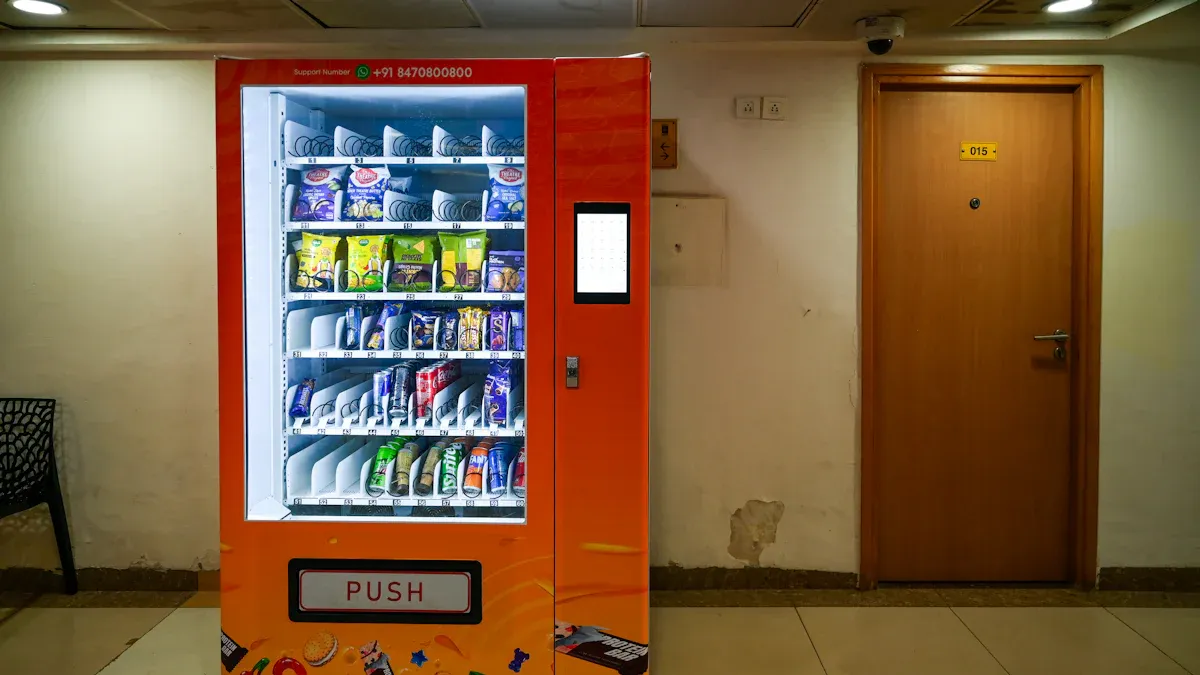
The better choice between vending machines and micro markets depends on the unique needs of each corporate office or tech park. Decision-makers often weigh factors like product variety, shopping experience, operational complexity, cost, and space. Many companies with limited floor space prefer vending machines for their compact design, while those with more room and larger user counts choose micro markets for expanded options. Companies also consider employee preferences, as health-conscious and tech-savvy teams often favor micro markets.
Key Takeaways
Micro markets offer a wider variety of fresh and healthy food options, making them ideal for workplaces that prioritize employee wellness.
Vending machines are compact and budget-friendly, perfect for smaller spaces or areas with high foot traffic.
Choosing between micro markets and vending machines depends on workplace size, employee preferences, and operational needs.
Micro markets enhance employee satisfaction by providing a modern shopping experience with flexible product choices.
Both solutions support cashless payments, improving convenience and efficiency for users.
Micro Market vs. Vending Machines
Key Differences at a Glance
Decision-makers often compare micro markets and vending machines by looking at several core factors. The table below highlights the main distinctions:
Category | Vending Machines | Micro Markets |
|---|---|---|
Product Variety | Limited to snacks, beverages, and shelf-stable items. | Offers a wide range including fresh, healthy, and locally sourced items. |
Shopping Experience | Simple, quick transactions with limited engagement. | Engaging experience with open shelving and digital checkout. |
Operational Complexity | Low complexity; quick installation and minimal maintenance. | Higher complexity; requires setup of furniture and technology. |
Cost | Budget-friendly with low startup costs. | Higher upfront costs but potential for greater revenue. |
Space | Ideal for tight spaces. | Requires more space for setup and display. |
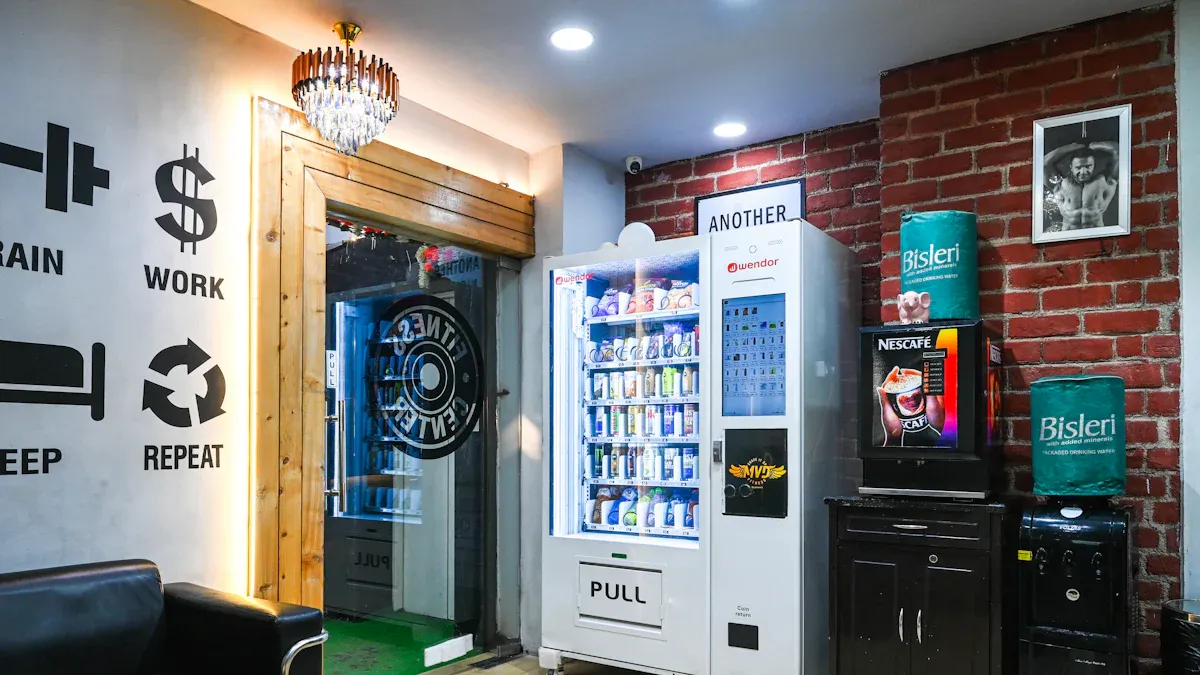
Micro markets stand out for their ability to offer fresh and healthy food options. They create a store-like atmosphere with open shelving and digital self-checkout kiosks. Vending machines, on the other hand, provide a straightforward and fast transaction process, making them suitable for locations with limited space or high security needs.
Tip: Micro markets can generate up to 70% more sales than vending machines due to their broader product selection and customer loyalty incentives.
Which Fits Your Workplace?
Choosing between micro markets and vending machines depends on the unique characteristics of each workplace. Consider the following points:
Micro markets work best in secure, closed environments such as corporate offices or tech parks. They require more space and a higher initial investment but deliver a modern shopping experience and a wide variety of fresh foods.
Vending machines fit smaller spaces and areas with high foot traffic. They require less maintenance and staffing, making them ideal for locations where simplicity and security are priorities.
Micro markets can boost employee satisfaction by offering flexible product choices and healthier options. Employees who feel valued by their workplace perks, such as fresh food access, show higher engagement and motivation.
Vending machines appeal more to younger, male employees, while micro markets attract higher-income and more educated staff who prefer fresh and diverse selections.
Characteristic | Vending Machines | Micro Markets |
|---|---|---|
Product Variety | Limited by space and mechanical constraints; fewer healthy options. | Open shelving and coolers allow for a wider range of fresh items. |
Checkout Experience | Simple but can be frustrating when malfunctions occur. | Self-checkout kiosks provide a smooth, modern experience. |
Freshness & Quality | Typically stock shelf-stable items; limited fresh options. | Designed for fresh food with frequent deliveries and rotations. |
Employee Engagement | Functional but not inspiring. | Can enhance workplace culture and boost morale. |
Theft and Loss Prevention | Virtually impossible due to payment requirement. | Open-access relies on honesty and monitoring systems. |
Service and Maintenance | Requires more mechanical maintenance. | Simpler form with regular restocking and cleanliness. |
Micro markets need daily upkeep and regular restocking, while vending machines require less frequent maintenance.
Micro markets suit workplaces aiming to improve employee engagement and wellness. Vending machines serve best where convenience and space-saving are top priorities.
Note: 93% of employees who feel valued are motivated to do their best, and 88% report increased engagement when they feel appreciated.
By evaluating workplace size, employee demographics, and business goals, companies can select the solution that aligns best with their needs.
What Are Vending Machines?
Features and Capabilities
Modern vending machines are a sophisticated combination of technology, consumer insights and convenience, designed to meet the demands of today's fast-paced world.
Vending machines have evolved far beyond simple snack dispensers. Today, they use advanced technology to improve both user experience and operational efficiency. These machines offer cashless payment systems, real-time inventory tracking, and digital displays for customer engagement. Many vending machines now use AI-powered automation to manage sales and restocking, which reduces downtime and ensures popular items stay available.
Some of the most notable features include:
Personalization options that recommend products based on purchase history.
Real-time inventory management through sensors and cloud connectivity.
Diverse payment options, such as credit cards, mobile wallets, and contactless methods.
Upselling opportunities through digital screens and loyalty programs.
Subscription and loyalty programs that reward frequent users.
A table below shows the range of payment methods supported by modern vending machines:
Payment Method | Description |
|---|---|
Credit/Debit Cards | Accepted via EMV chip readers and magnetic stripe for older cards. |
Mobile Payments | Includes Apple Pay, Google Pay, and Samsung Pay through NFC contactless readers. |
Employee Badge Systems | Allows payroll deduction for workplace implementations. |
QR Code Integration | Used for meal stipend programs or prepaid accounts. |
Cash Acceptance | Less common due to maintenance requirements; digital payments preferred for tracking. |
Contactless Payments | Preferred post-pandemic; customers tap their phone or card without touching shared surfaces. |
Mobile Wallet Integration | Appeals to younger demographics who rarely carry physical cards. |
Subscription and Loyalty | Programs can offer discounts or prepaid access for regular customers. |
Split Payments | Enables sophisticated transaction types, useful in settings like universities. |
Vending machines also support sustainability goals with energy-saving features and eco-friendly packaging.
Where Vending Machines Work Best
Vending machines perform best in environments where convenience and speed matter. Offices and corporate buildings use vending machines to provide snacks and drinks for employees who want quick options without leaving the workplace. Shopping malls and retail centers benefit from vending machines in high-traffic areas, offering impulse purchases to busy shoppers. Family entertainment centers, such as arcades and bowling alleys, also rely on vending machines to serve families looking for fast snacks.
Several factors contribute to the success of vending machines in these locations:
High employee counts and short breaks create demand for quick meal replacements.
Product selection tailored to workplace needs, such as energy drinks and protein snacks, increases sales.
Combining snacks and cold drinks in one machine can substitute for a cafeteria.
Security improves when vending machines are placed in monitored or access-controlled areas.
Flexible, cashless payment options boost participation, as many employees do not carry cash.
Healthy snack options and sustainable features align with modern workplace values.
Convenient access to food and drinks helps employees stay productive and satisfied.
Vending machines remain a reliable solution for workplaces seeking efficient, secure, and modern refreshment options.
What Is a Micro Market?
How Micro Markets Operate
A micro market functions as a self-serve, unattended retail space that uses advanced technology to enhance the shopping experience. Customers select products from open shelves and coolers, then scan items at self-checkout kiosks or through mobile apps. Payments are cashless, using credit cards, debit cards, or mobile wallets. This process makes transactions quick and easy.
Micro markets rely on real-time inventory management systems. These systems track product levels and send notifications when supplies run low. Automatic orders help keep shelves stocked, reducing the risk of empty displays. Data analytics provide insights into sales trends and customer preferences, allowing operators to adjust inventory for better results. Technology also improves operational efficiency by streamlining payment processing and reporting.
Process | Description |
|---|---|
Checkout | Customers use self-checkout kiosks, mobile apps, or touchscreens to complete transactions. |
Payment Methods | Cashless transactions are prioritized, accepting credit/debit cards and mobile wallets. |
Inventory Management | Real-time tracking systems notify staff for restocking and automate orders for low supplies. |
Data Analytics | Systems analyze sales trends and customer preferences to inform inventory decisions. |
Operational Efficiency | Technology enhances payment processing and reporting, improving overall efficiency. |
Micro markets offer full product visibility and nutritional transparency. Customers can access nutritional information easily, which promotes informed choices and supports workplace wellness. The open layout and fresh food options create a visually appealing environment that improves food quality and freshness.
Ideal Spaces for Micro Markets
Micro markets adapt to many environments. They are commonly found in employee break rooms, universities, stadiums, museums, and hospitals. In corporate offices and tech parks, micro markets thrive in high-traffic areas where people spend significant time. These spaces include larger office settings and areas with a captive audience.
Micro markets require only power, a stable internet connection, and a designated space. Installation and maintenance remain relatively inexpensive compared to traditional cafeterias. Operators can customize micro markets to fit different shapes and sizes, making them ideal for modern workplaces.
Micro markets suit larger offices with many employees.
They perform well in high-traffic areas, meeting immediate needs and enhancing workplace satisfaction.
Employees and visitors appreciate the accessible and healthy food choices.
Aspect | Vending Machines | Micro Markets |
|---|---|---|
Space Requirements | Compact, suitable for small areas |
Micro markets improve food options in facilities, offering healthy choices that employees value. Their flexibility and technology-driven approach make them a desirable amenity for businesses seeking to boost employee satisfaction.
Micro Markets: Product Variety
Fresh and Healthy Options
Micro markets deliver a wider variety of fresh and healthy foods than traditional vending machines. Customers can select from salads, fruits, and sandwiches, which support better nutrition and wellness at work. Many micro markets also offer refrigerated and frozen options, such as yogurt, vegetables, and ready-to-eat meals. This approach ensures high quality and freshness, giving employees more choices during their breaks.
A comparison of food options highlights the difference in quality and selection:
Feature | Micro Markets | Vending Machines |
|---|---|---|
Variety of Options | Broader range of fresh foods | Limited selection of pre-packaged snacks |
Freshness | Includes salads, fruits, whole grains | Often unhealthy options |
Shopping Experience | Allows browsing and label reading | Quick selection, no browsing |
Micro markets also provide hot coffee, bottled beverages, and frozen treats. Employees can browse shelves, read labels, and make informed decisions about what they eat. This store-like experience encourages healthier habits and supports workplace wellness programs.
Customization and Flexibility
Micro markets stand out for their ability to adapt to the needs of each workplace. Operators can stock between 150 and 400 items, far more than the 40 products found in most vending machines. This wider variety allows micro markets to cater to specific preferences, including dietary restrictions and cultural tastes.
Popular product categories in micro markets include:
Fresh fruits and vegetables
Sandwiches and salads
Energy bars and protein snacks
Chips and dry snacks
Bottled drinks and packaged coffee
Micro markets can adjust their inventory based on employee feedback and sales data. This flexibility ensures high quality and satisfaction. Companies can introduce new products or seasonal items quickly, keeping the selection fresh and appealing. The focus on product variety and quality helps micro markets create a positive impression and meet the evolving needs of modern workplaces.
Tip: Micro markets offer a wider variety of healthy and fresh options, making them a smart choice for companies that value employee wellness and satisfaction.
Shopping Experience Comparison
Convenience and Accessibility
Micro markets and vending machines both deliver a shopping experience designed for speed and ease. Micro markets operate as self-service stores, offering a wide selection of snacks and beverages. Employees can access these stores at any time, which increases convenience for those with different work schedules. The shopping experience in micro markets stands out because they remain open 24/7, allowing employees to shop whenever they need.
Micro markets provide a retail-style shopping experience with fresh food options.
Employees enjoy browsing shelves and choosing from a wider product range.
Vending machines offer a shopping experience that is quick but often limited in choice.
Repetitive selections in vending machines may lower employee morale.
Both solutions support cashless transactions, improving the shopping experience for users.
The better shopping experience in micro markets comes from their ability to cater to diverse preferences. Employees find more healthy and fresh options, which leads to higher satisfaction. The shopping experience in vending machines suits those who value speed and simplicity. Micro markets create a better shopping experience for workplaces that prioritize variety and accessibility.
Micro markets enhance convenience and accessibility by offering a shopping experience that fits every schedule and preference.
Payment and Self-Checkout
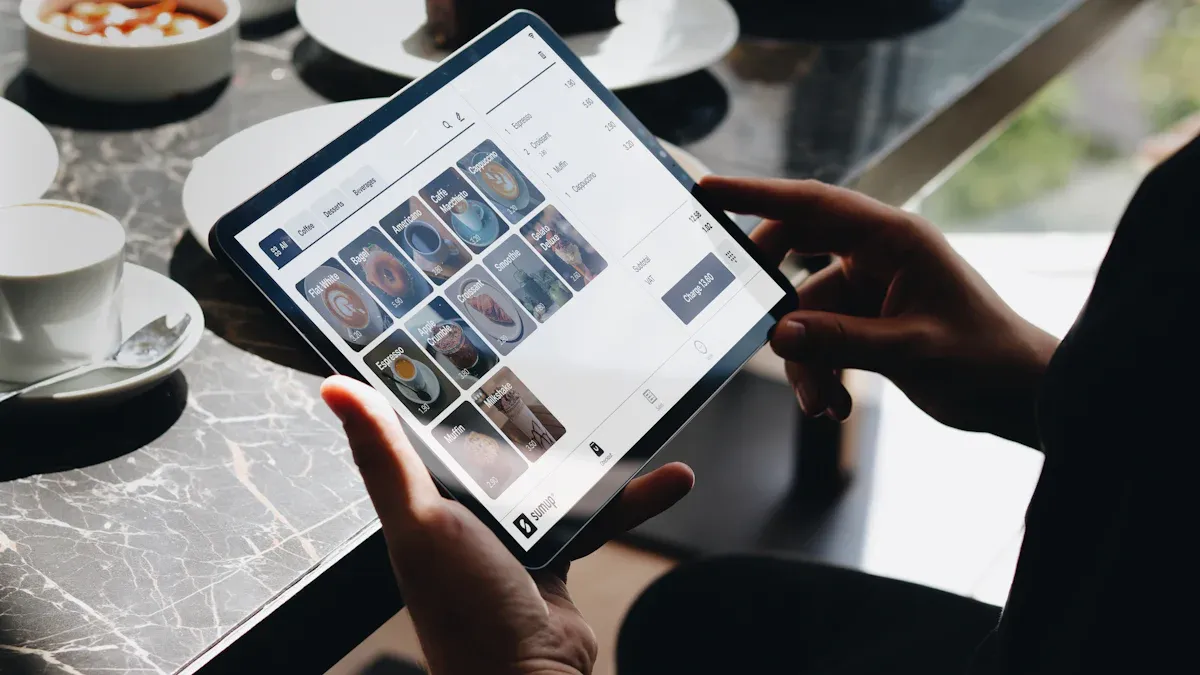
Payment and self-checkout technology shape the shopping experience in both vending machines and micro markets. Micro markets use self-checkout kiosks and touchscreens, allowing customers to select items and complete transactions independently. This interactive shopping experience increases customer engagement and supports cashless payments.
Technology | Description | Benefits |
|---|---|---|
Contactless Payment Systems | Secure purchases via NFC-enabled readers and mobile wallets | Speed, hygiene, and convenience |
Scales Scanner Kit | Detects item changes through weight measurement | Instant billing, reduced human error |
RFID Scanner Kit | Tracks items automatically using wireless tags | Accurate inventory, faster checkout |
Computer Vision | Uses AI to visually recognize products | Cashierless operations, customer behavior insights |
Cashless payments account for most vending machine sales. Over 70% of vending machines now support contactless payment options. Operators see cashless payment technology as a valuable investment. Digital wallets and mobile payments continue to grow in popularity, with 65% of U.S. adults expected to use them by mid-2024.
The better shopping experience in micro markets comes from advanced self-checkout systems and flexible payment methods. Vending machines also deliver a shopping experience that is fast and secure, with contactless payments and simple interfaces. Both solutions improve the shopping experience by reducing wait times and making transactions easy.
The shopping experience improves when employees can pay quickly and securely, making both micro markets and vending machines valuable additions to any workplace.
Operational Considerations
Installation and Space Needs
Vending machines offer a straightforward installation process. Most models fit into compact spaces, making them ideal for offices with limited room. Companies can place these machines in hallways, break rooms, or lobbies. Micro markets require more planning and a larger footprint. Operators must allocate space for open shelving, coolers, and self-checkout kiosks. The setup often resembles a small convenience store. Micro markets work best in areas with high employee traffic and enough space for comfortable movement and customer interaction.
Tip: Micro markets need a stable internet connection and power supply for cloud-based systems. Vending machines usually need only a power outlet.
Maintenance and Restocking
Maintenance and restocking processes differ between vending machines and micro markets. The table below highlights key differences:
Aspect | Vending Machines | Micro Markets |
|---|---|---|
Often requires manual checks or basic telemetry; issues like jams detected after customer complaints. | Requires regular system maintenance to ensure cloud-based inventory and checkout systems operate smoothly. | |
Restocking Process | Planned routes with limited data; restocking based on manual or basic telemetry data. | Real-time cloud tracking of sales and stock levels enables smarter, faster, and less wasteful restocking. |
Management Requirements | Minimal day-to-day management; low ongoing workload; remote alerts for stock and technical issues. | More hands-on management needed: fresh food rotation, shelf tidiness, security monitoring, and loss prevention. |
Technology Use | Basic telemetry or manual inventory checks. | Cloud-based inventory and self-checkout systems with real-time data and central dashboard monitoring. |
Security Considerations | Lower theft risk due to enclosed machines. | Slightly higher theft risk due to open displays; requires security cameras and loss prevention measures. |
Vending machines require minimal maintenance and simple restocking schedules. Many issues can be fixed remotely. Micro markets demand more hands-on management, including fresh food rotation and shelf upkeep. Operators must monitor security and maintain a clean environment to support positive customer interaction.
Security and Technology
Security and technology play a vital role in both solutions. Vending machines have a lower theft risk because of their enclosed design. Micro markets, with open displays, need extra security measures. Operators often install cameras, display live monitors, and use signage to remind customers of monitoring. Cloud-based systems track inventory and sales in real time. Remote management technology allows operators to receive alerts and monitor operations from mobile devices. Self-checkout kiosks with integrated security features help reduce loss and improve customer interaction.
Key security and technology practices include:
Choosing safe locations with existing security.
Installing security cameras and live monitors.
Using cloud-based management for tracking and alerts.
Seamless integration of self-checkout technology.
Adjusting pricing to account for theft risk.
Both vending machines and micro markets rely on technology to streamline operations, enhance customer interaction, and control cost. The right approach depends on the workplace’s needs and the level of customer interaction desired.
Cost and Revenue Potential
Upfront and Ongoing Costs
Companies often compare vending and micro markets by examining startup and ongoing expenses. Vending machines require a lower initial investment. Operators can install these machines quickly in high-traffic areas. Micro markets need a larger budget for setup. They include shelving, coolers, and self-checkout kiosks. The table below shows the main differences:
Category | Vending Machines | Micro Markets |
|---|---|---|
Startup Costs | Lower overall startup investment | Higher startup costs, but higher profit potential |
Simple installation and placement | Requires more components like shelving and coolers | |
Ongoing Costs | Minimal maintenance, simple restocking | Requires regular cleaning and fresh food management |
Remote alerts for stock and technical issues | Sophisticated inventory and checkout software needed |
Vending machines offer minimal maintenance and simple restocking. Operators receive remote alerts for stock and technical issues. Micro markets demand regular cleaning and fresh food management. They rely on advanced inventory and checkout software. Companies must consider the value of each solution when planning for high-traffic areas.
Sales and ROI
Vending machines deliver higher sales in high-traffic areas. Traditional snack and drink vending machines achieve profit margins between 40% and 60%. High-tech specialty vending machines can reach profit margins as high as 97%. A $5,000 vending machine in a busy location can break even in about 100 days if it generates $50 profit per day. IoT-enabled vending machines improve real-time inventory management and predictive maintenance. Cashless payment systems and digital signage boost customer satisfaction and drive higher sales.
Micro markets continue to grow in popularity. They provide quick access to a wide variety of products. Technological innovations enhance customer experience and operational efficiency. Micro markets often generate higher revenue due to their broader product selection and appeal in high-traffic areas. Companies see value in offering fresh food and flexible payment options. Both vending and micro markets deliver higher sales and higher revenue when placed in high-traffic areas. Operators must evaluate which solution brings the most value to their workplace.
Companies in high-traffic areas achieve higher sales and higher revenue by choosing the right vending or micro market solution.
Choosing the Right Solution
Workplace Size and Demographics
Decision-makers must assess the size of their workplace and the characteristics of their employees before selecting a refreshment solution. Large offices with many employees often benefit from micro markets. These spaces support a retail-caliber experience and offer a wide range of products. Smaller offices or tech parks with limited space usually prefer vending machines. These machines require less room and deliver basic fulfillment.
Employee demographics also influence the choice. Teams with diverse dietary needs or health-conscious habits appreciate the flexibility and fresh options in micro markets. Workplaces with younger staff or those who value speed and simplicity often choose vending machines. Companies should analyze employee preferences and daily routines to determine which solution aligns best.
Tip: Micro markets attract employees who seek variety and wellness, while vending machines serve those who prioritize convenience.
A table below compares key criteria for decision-making:
Criteria | Vending Machines | Micro Markets |
|---|---|---|
Customer Behavior | Basic fulfillment | Retail-caliber experience |
Space Availability | Requires less space | Requires more space |
Operational Complexity | Lower complexity | Higher complexity with more options |
Long-term Growth Potential | Limited growth potential | Higher growth potential |
Scalability and Future Needs
Companies must consider scalability and future needs when choosing between vending machines and micro markets. Vending machines offer a simple solution for immediate requirements. These machines scale easily in small spaces and require minimal operational changes. Micro markets provide greater flexibility for growth. As employee counts increase, micro markets adapt by expanding product selection and integrating advanced technology.
Workplaces planning for expansion or evolving employee preferences should invest in micro markets. These stores support long-term growth and allow for customization. Vending machines suit environments with stable populations and limited space. Decision-makers must evaluate their business goals and anticipate future changes.
Note: Micro markets deliver higher growth potential and adapt to changing workplace demands.
Decision Checklist
Decision-makers can use the following checklist to evaluate their needs:
Assess available space in the workplace.
Analyze employee demographics and preferences.
Determine operational complexity tolerance.
Estimate long-term growth and scalability requirements.
Review budget for upfront and ongoing costs.
Consider technology integration and security needs.
Key Questions
Does the workplace have enough space for a micro market?
Do employees prefer fresh and healthy options?
Is operational simplicity a priority?
Will the company expand or change in the near future?
What level of technology and security does the workplace require?
Companies that match their solution to workplace size, demographics, and future needs achieve higher employee satisfaction and operational efficiency.
Matching Solutions to Your Environment
Decision-makers must align their choice with the unique environment of their office or tech park. Micro markets suit large, secure spaces with high employee engagement. Vending machines fit smaller, high-traffic areas where convenience matters most. Companies should review their goals and select the solution that supports productivity and wellness.
Choose based on space availability.
Consider customer behavior.
Evaluate long-term growth potential.
Selecting the right solution ensures employees receive the best possible experience and helps companies reach their business objectives.
Vending machines and micro markets each offer unique benefits for corporate offices and tech parks. The best solution depends on workplace goals, employee preferences, and operational needs. Decision-makers should review the checklist provided to match the right option to their environment.
For tailored recommendations, they can consult with solution providers. This step ensures the chosen refreshment solution aligns with business objectives and supports employee satisfaction.
FAQ
What makes micro markets different from traditional vending machines?
Micro markets offer an enhanced experience with open shelving, fresh food focus, and a wider product range. They create an interactive shopping experience that lets the consumer browse, read labels, and choose healthier options.
Can employees use cashless payment methods in both solutions?
Yes. Both self service machines and micro markets support cashless payment. This feature increases efficiency and convenience for all users.
How does 24/7 access benefit workplace food service?
24/7 access allows employees to purchase snacks or meals at any time. This flexibility supports workplace food service needs for all shifts and improves employee satisfaction.
Are micro markets more efficient than vending machines?
Micro markets use real-time inventory tracking and advanced technology. These features improve efficiency by reducing stockouts and supporting quick restocking.
Why do companies choose micro markets for fresh food focus?
Companies select micro markets for their fresh food focus. Employees can find salads, fruits, and other healthy choices that support wellness goals.
See Also
Comparing Micromarkets And Smart Stores In Global Retail
Enhancing Office Efficiency Through Smart Vending Machines
The Growth Of 24-Hour Vending Cafes: Innovation And Convenience
Benefits And Features Of AI-Driven Combo Vending Machines
Creative Vending Machine Locations: Expanding Beyond Conventional Areas
