🏥 When Every Second Counts, Autonomous Medical Supply Rooms Keep Emergency Care Moving

In emergency healthcare, getting fast access to tools directly affects patient health. Doctors and nurses make big decisions under strict time limits. Time lost searching for gear harms care quality. Department length of stay studies highlight this serious danger:
Total death rates among emergency-admitted patients hit 12.3%.
Death rates rose to 12.5% for visits lasting 24 to 48 hours (OR = 1.73, P < 0.001).
Death rates reached 16.0% for visits lasting longer than 48 hours (OR = 2.23, P < 0.001).
An ai autonomous medical supply room gives hospitals the best modern answer. Smart computer technology replaces paper clipboards and hand scanners. Fast supply tracking keeps emergency care moving without pause. Real-time ai inventory management saves valuable minutes when every second matters for urgent care.
Key Takeaways
AI supply rooms give doctors and nurses touchless, fast access to important emergency tools.
Smart cameras and sensors automatically monitor supplies to remove expensive mistakes from hand-written paperwork.
Auto-restocking stops risky supply shortages during urgent care situations that save lives.
Automatic tracking saves helpful nurse time and lets workers focus on caring for patients.
Critical Bottlenecks in Traditional Emergency Care Supply Chains
Manual Sign-Out Delays
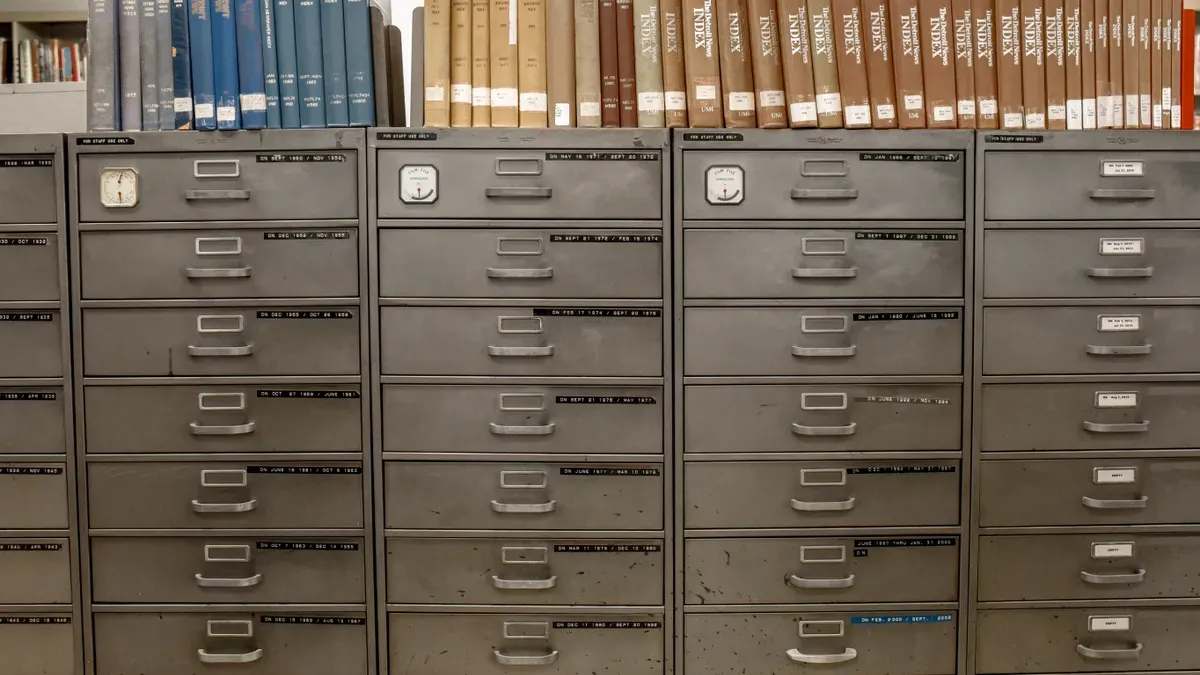
Old supply systems rely heavily on paper logs, hand signatures, and slow check steps. Doctors must pause life-saving care to write down every item they use. Workers look for binders, write details, and record ID numbers during tense moments. These manual sign-out steps slow down quick delivery in stressful care settings. Modern AI tools fix these problems to remove daily work delays. Smart tracking tools give quick access to key medical gear during busy emergency times.
Slow supply access directly disrupts fast emergency care in busy hospital rooms. Nurses waste important minutes checking numbers on paper logs instead of helping patients. Delayed care during key moments creates bad ripple effects across whole hospital units. Automated tracking systems offer real-time updates during emergency trauma response. Smart AI tools turn old supply systems into fast and active pipelines. Intelligent tracking protects worker time and speeds up overall patient treatment care.
Inventory Errors and Clinical Distraction
Wrong supply counts cause severe delays inside busy emergency care rooms. Missing items push busy nurses away from direct patient care during key moments. Doctors often leave patient beds to search for misplaced tools across different storage areas. Recent hospital studies in emergency care rooms show major work delays:
Unexpected supply moves and missing gear slow down patient releases.
Poor teamwork between care staff and supply teams prevents clear communication.
Informal messages cause missed updates about item availability and gear readiness.
Supply waste from hand orders and extra stock wastes valuable staff time.
These daily supply delays pull doctors away from active patient care. Missing drug trays or misplaced breathing kits force nurses to leave immediate bedside care. High-stress emergency rooms need instant supply access to protect patient health. Missing gear increases worker stress and causes dangerous care delays during emergency care. Adding smart AI tools removes manual tracking mistakes from daily work. Real-time AI systems record tool usage data automatically without extra nurse work. Dependable AI tracking keeps items fully stocked for critical care times. Automated AI management protects vital care and improves overall hospital operations.
Inside the AI Autonomous Medical Supply Room
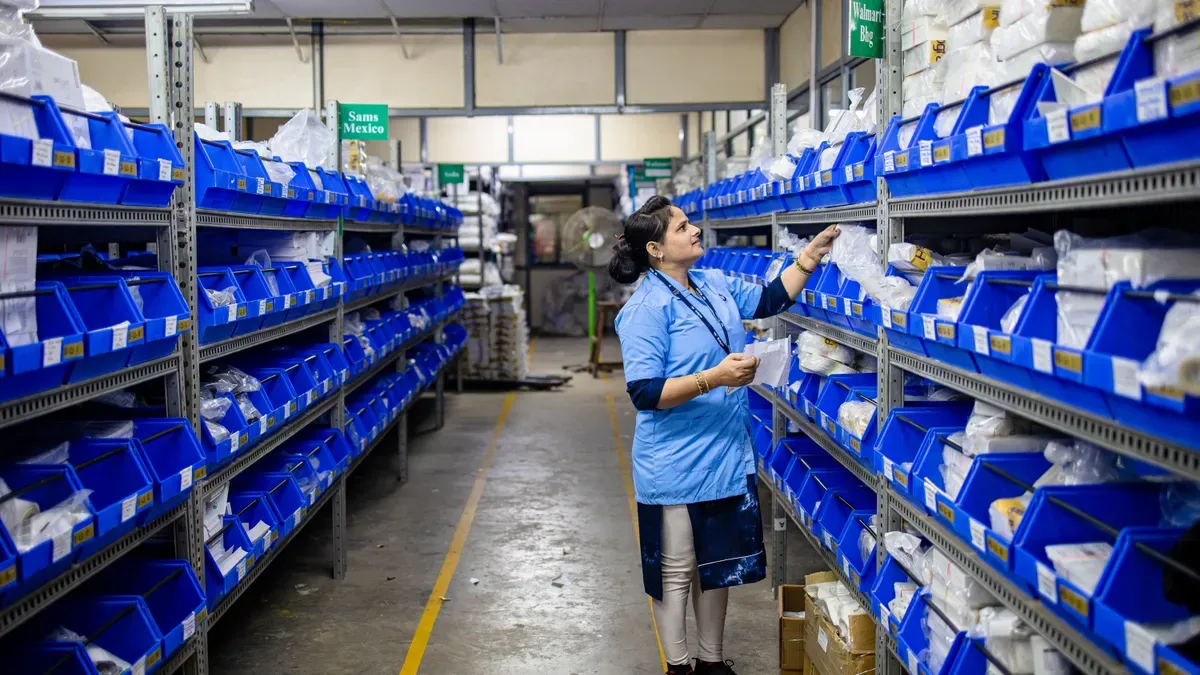
Modern hospital setups rely on smart room technology to speed up product access and boost safety. An ai autonomous medical supply room removes slow hand tracking when doctors perform urgent medical work.
Touchless Authentication and Immediate Supply Pickup
Nurses go through locked supply doors by using quick electronic scanning tools. Automatic doors check worker passes right away so emergency treatment never slows down.
Technology Type | Access Credential | Operational Function |
|---|---|---|
RFID Cards | Badge scan | Opens locked supply doors instantly |
Mobile Credentials | Bluetooth or NFC | Gives safe and touchless entry |
Facial Biometrics | Touchless scan | Guards restricted supply storage areas |
Nurses enter supply areas without carrying metal keys or tapping display screens. Quick digital entry helps deliver crucial supplies to patient rooms faster. Workers take vital tools right off open shelves without any waiting. Quick product pickup improves overall emergency care speed when saving patient lives.
Newer medical centers change supply handling by getting rid of paper sign-out sheets. Caregivers pay attention to sick patients rather than filling out door logs. Wide use of contactless doors makes busy hospital floors much safer. Quick item retrieval helps medical teams stay focused on urgent tasks.
Computer Vision Tracking and Automated Backend Sync
Smart ceiling camera setups watch room stock day and night. High-tech visual devices notice supply movements as staff grab tools off shelves. Today's artificial intelligence programs confirm picked supplies without using hand barcode readers. Ceiling cameras run ai software to analyze room events.
Jig sensors spot supply movements through specific electronic signals.
Change detection uses depth cameras to log item removals from shelf bins.
OCR detection reads printed serial codes on product packaging.
Visual code sensors scan package QR tags and barcodes instantly.
Smart camera programs reach 99% tracking accuracy while recording crucial medical gear. Old-fashioned paper logs led to about $1,975,350 in yearly losses at a 460-bed U.S. Level 1 Trauma Center. Swapping paper clipboards for ai prevents money loss caused by unrecorded supply use. Smart camera arrays advance artificial intelligence in healthcare by recording all product movements automatically.
An ai autonomous medical supply room creates live digital supply records right after staff pick items. Fast data channels send supply records straight to online hospital software. Using ai in healthcare systems gets rid of hand typing completely. Smart ai tools refresh stock numbers on their own.
Program connections send supply changes straight into digital patient records. Enterprise platforms use HL7 FHIR protocols to share health details across hospital networks. New software bridges join hospital databases to simplify supply tracking for all departments. Modern hospitals run well because live inventory updates go straight to buying teams. Smart ai software starts quick reorder actions. Automated stock orders prevent sudden shortages of important life-saving emergency gear.
Smart supply management tools streamline item delivery across large hospital groups. Applying ai in hospitals and clinics changes daily material tracking. Automated supply paths shield medical workers from bad workflow delays. Modern ai tracking tools raise total worker speed. Trusty ai systems simplify routine tasks. Automated ai workflows lower heavy office work. Built-in ai power upgrades daily hospital management. Wide system adoption improves general clinic work. Top hospital centers choose automated tracking tech. This upgrades healthcare asset tracking. Smooth supply flow keeps emergency care teams ready for incoming sick patients. Smart ai options help hospitals control supply rooms easily. Clever ai platforms keep care workers totally supplied.
Strategic Impact of AI in Patient Care
Eradicating Stockouts and Ensuring Complete Traceability
Smart technology changes how hospitals manage vital supplies during critical treatments. Deploying ai in patient care stops supply shortages before medical teams face empty inventory shelves. Research from McKinsey shows ai networks achieve a 35% reduction in stockouts across clinical networks. Mayo Clinic recorded a 78% reduction in supply stockouts after adopting intelligent inventory tracking. National University Hospital Singapore reduced its stockout rate from 7% to 0.8% using automated tracking tools.
1. Receive: Scan goods to capture GS1 lot, serial, and expiry data automatically at the dock.
2. Locate: Track every item across storerooms, wards, and shelves using mobile scanners.
3. Use: Perform expiry, recall, and proximity checks at the moment of scan.
4. Account: Tie every supply back to the patient, case, and cost center.
5. One Record: Consolidate events on a single record to form a complete audit trail.
Smart systems capture real-time material usage details from dock intake to bedside delivery. Interconnected devices log lot numbers, serial records, and expiration dates instantly. Automated systems alert clinical workers about near-expiry drugs to eliminate expired inventory waste. Continuous supply logging protects full material chain-of-custody across high-volume healthcare settings.
Returning Nurse Hours to Bedside Patient Care
Eliminating administrative supply tasks directly improves daily work environments for hospital nurses. Nurses spend over 20 minutes per shift searching for missing equipment during active triage routines. High administrative burdens cause severe nurse fatigue, while replacing an emergency nurse takes about 85 days. Automated supply monitoring removes manual counting duties so staff focus on immediate emergency care.
Strategic KPI | Operational Impact |
|---|---|
Waste reduction | Frees working capital by eliminating expired items |
Stockout reduction | Secures immediate access to priority supplies |
ROI efficiency | Achieves a 4:1 ROI through reduced supply waste |
Clinical readiness | Delivers key tools directly to support fast triage |
Fast equipment access accelerates crucial medical interventions during critical care triage routines. Streamlined supply delivery enhances overall patient care quality throughout busy hospital wards. Automated resource management prevents stock shortages, while active supply tracking optimizes clinical workflow delivery. Better inventory visibility lowers clinical stress, stabilizes daily nursing operations, and lifts general patient care standards across hospitals. Modern resource management shields emergency departments against inventory delays, ensuring patient care remains uninterrupted during critical moments.
An ai autonomous medical supply room solves bottlenecks through touchless item access. Modern tools optimize resource management while ensuring fast material delivery. Advanced artificial intelligence in healthcare eliminates stockouts and supports full regulatory compliance. This automated ai integration drives operational efficiency and patient care quality across hospitals.
Furthermore, artificial intelligence removes administrative burdens from clinical teams. Intelligent ai systems protect bedside patient care without daily friction. Innovative ai tools allow staff to give direct patient care during a critical emergency. Quick material delivery helps emergency care workers during crucial patient care tasks. Hospital leaders must implement ai technology to improve emergency care and elevate overall patient care in modern hospitals.
FAQ
How does an ai autonomous medical supply room work?
High overhead cameras and clever sensors check supplies all day. The computer notices taken items without reading any barcodes. Connected programs share live updates with hospital records right away. This simple flow gives fast product access and helps doctors care for sick patients.
How does automated inventory tracking improve emergency care?
Digital supply tracking gets rid of slow paper sign-out logs. Modern setups block sudden tool shortages during busy work hours. As a result, nurses grab important care tools right away. Fast item access improves emergency response times and helps patients get better care quickly.
Does AI technology help nurses during triage routines?
Yes, smart tracking tools speed up emergency check-in steps a lot. Nurses find important gear quickly without writing down item counts by hand. Cutting out heavy paperwork saves useful time for staff. Because of this, medical teams focus fully on helping arriving patients right away.
Can AI systems prevent supply stockouts in modern healthcare settings?
Smart computer platforms watch supply use to stop sudden item shortages. Automated tools order new medical supplies long before storage shelves run completely empty. Thanks to this, hospitals keep running smoothly without any messy delays. Doctors provide constant patient care while using smart tools across modern hospital networks.
See Also
How Intelligent Refrigerated Vending Transforms Round The Clock Fresh Food
Why Modern Corner Markets Are Reshaping Neighborhood Convenience For City Dwellers
Boosting Small Office Workplace Efficiency Using Innovative Automated Snack Solutions
Why Artificial Intelligence Driven Retail Markets Represent The Ultimate Future
Examining The Key Benefits And Obstacles Of Walgreens Self-Service Kiosks
