What Makes Smart Warehouses Essential for Automated Material Management

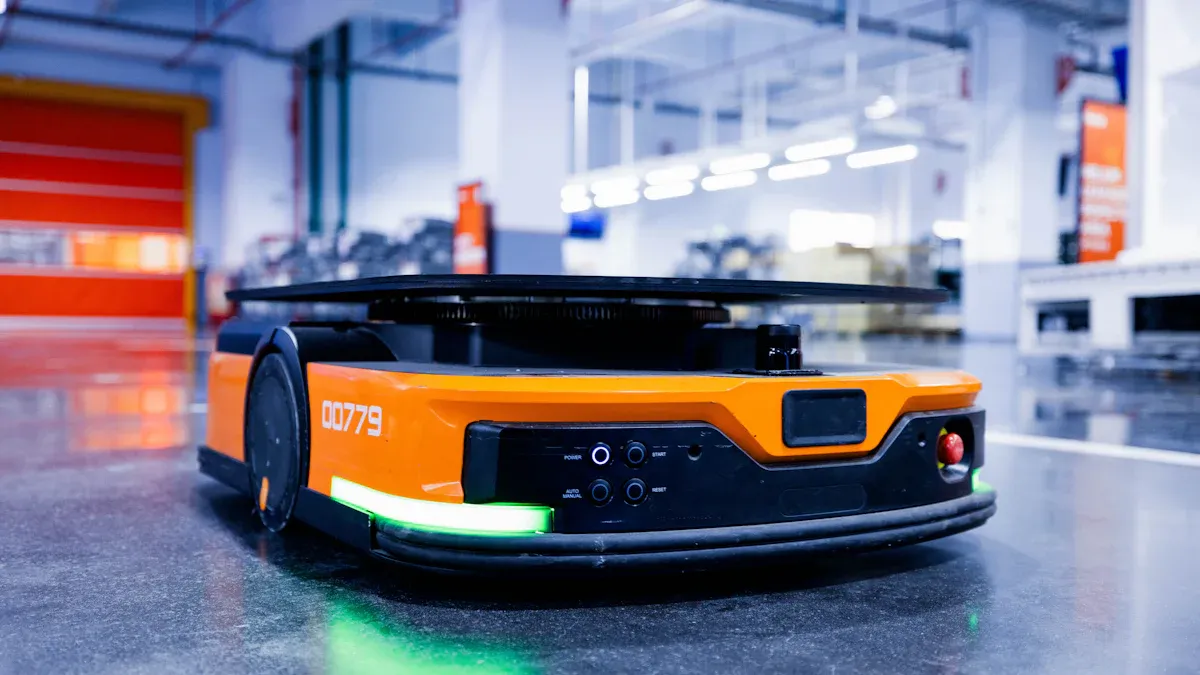
You need smart warehouses to take away manual work from material management. These systems show you what is happening right now and help you keep track of inventory very well. When you use automation and AI-powered autonomous supply room technology, you make fewer mistakes and make daily jobs easier. This way, you can handle what modern manufacturing needs and get ready for future problems.
Key Takeaways
Smart warehouses use machines to do jobs people did before. This helps stop mistakes and makes work faster.
AI-powered systems watch inventory all the time. They help keep stock right and make sure orders are on time.
Making a good plan for automation can help manage materials better.
Advanced security features like facial recognition make warehouses safer. They also help control who can enter.
Buying smart warehouse technology can save a lot of money. It can also help people get more work done.
Warehouse Automation and AI Integration
Eliminating Manual Processes
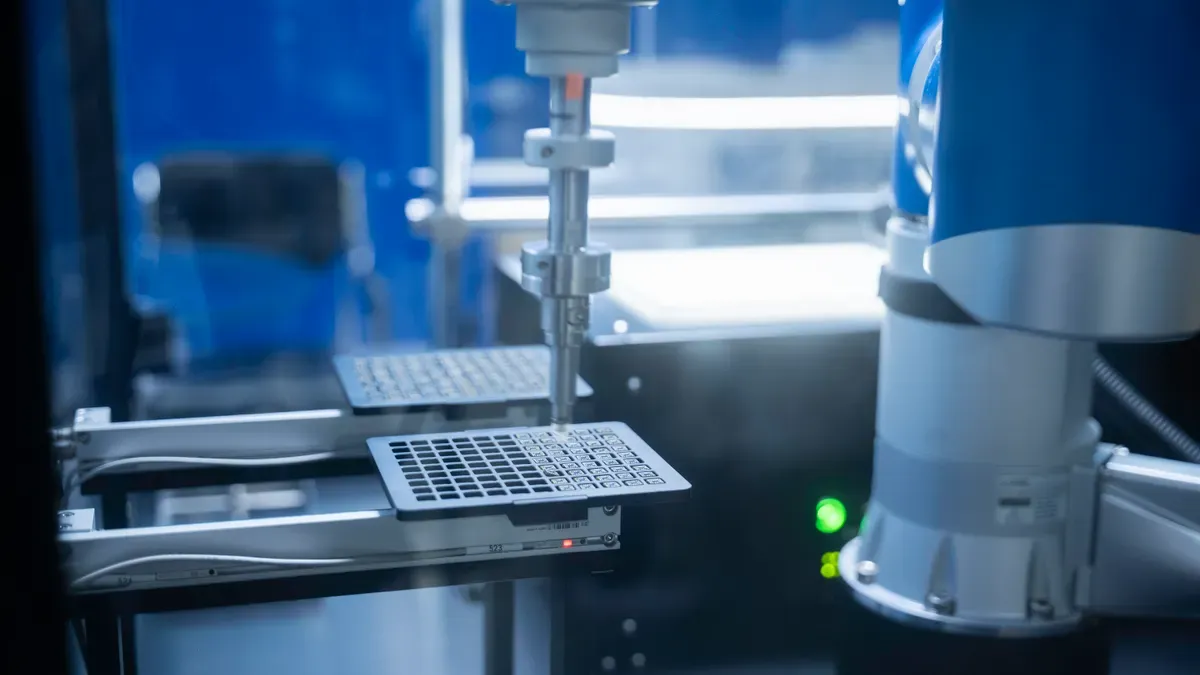
Traditional warehouses have many jobs done by hand. These jobs take a lot of time and can cause mistakes. Warehouse automation and ai help remove these steps. They make your work faster and more correct. Machines and smart systems do the same jobs over and over. Ai helps you find items, keep track of inventory, and make choices quickly.
Here are some manual jobs that warehouse automation and ai can remove:
Receiving: Scanners and RFID help you find and sort new goods fast.
Returns: Conveyor belts and sorters move returned items back to storage right away.
Putaway: Automated systems use inventory data to pick the best spot for each item.
Picking: Robots and pick-to-light tools help you get items quickly and with fewer mistakes.
Sorting: Conveyor belts and scanners group items by size, weight, or where they go, so you do not have to do it yourself.
Replenishment: Automated tracking checks your stock and asks for more when you need it.
Packaging: Automated systems pick the right box and packing for each item.
Shipping: Automated shipping picks carriers, figures out costs, and puts labels on boxes the right way.
Warehouse automation and ai systems help you find items correctly. You can see how different ai tools help your warehouse in this table:
AI Application | Benefit |
|---|---|
Computer Vision | Scans items to find mistakes like wrong labels or wrong picks. |
Predictive Maintenance | Finds orders that might be late, so you can fix them early. |
Intelligent Forecasting | Learns what people want to buy and helps you keep the right amount. |
Slotting Algorithms | Tells you the best place to put items for quick picking. |
Route Optimization | Finds the best ways to move things, so you save time. |
Ai systems also help you stop mistakes when entering data. Real-time checks stop bad data from getting in. Cross-system checks show you if records do not match, so you can fix them. Automated data capture uses smart document reading to check data and stop mix-ups.
Streamlining Material Management
Warehouse automation and ai do more than just remove hand work. They help you make your material management smooth and easy. You can follow simple steps to make your warehouse work better. Here is an easy plan to make your material management better with warehouse automation and ai:
Set your project goals and decide how you will check your progress.
Make a team from different groups to lead the project.
Use ai to look at your inventory and supply chain.
Change your warehouse automation app to fit your needs.
Make training with ai help so your team learns the new systems.
Test the new system with some materials or places first.
Use ai to look at the test results and find ways to get better.
Use the new system in your whole company.
Use ai to watch your processes and keep making them better.
Check how things are going often and ask users for feedback.
Warehouse automation and ai let you see every item right away. You know where things are, how much you have, and when to order more. This helps you not run out or have too much. You do not need paper logs or to count by hand. You get updates and correct records right away.
When you use warehouse automation and ai, you also move things inside your warehouse better. Ai finds the best ways to move items. This saves you time and helps you get more done. You can also put popular items in easy-to-reach spots.
Warehouse automation and ai give you tools to make your warehouse smarter and faster. You can grow your business while your systems take care of the details.
AI-Powered Autonomous Supply Room
Real-Time Material Tracking
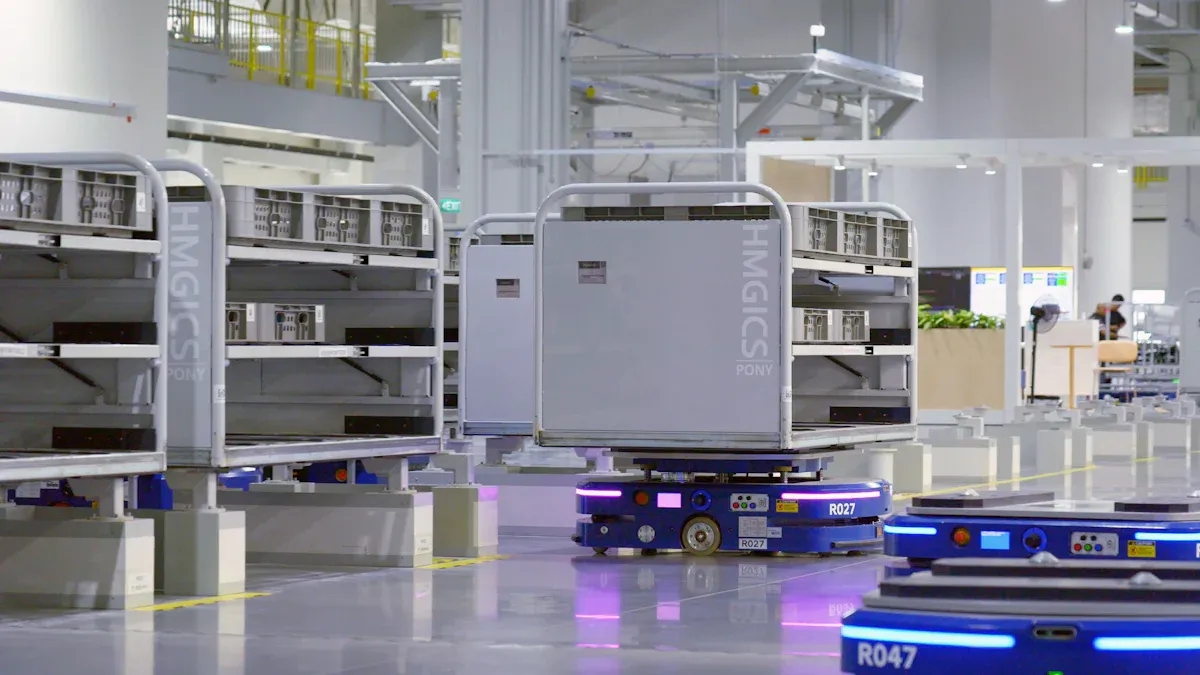
An ai-powered autonomous supply room can change how you manage materials. Ai helps automate registering and tracking every item. You get updates about stock and where things are right away. Smart sensors watch how inventory moves and check storage conditions. This way, you always know what you have and where it is.
Ai-powered autonomous supply room technology handles inventory registration and tracking for you.
Real-time data gives you quick updates about inventory and where it is.
Smart sensors keep an eye on inventory movement and storage conditions.
You can see how accurate manual tracking is compared to ai-powered autonomous supply room systems in this table:
Tracking Method | Accuracy Level |
|---|---|
Manual Tracking | 80-85% |
Ai-powered autonomous supply room solutions let you see your inventory in real time. You do not need paper logs or to count by hand. Ai makes sure your inventory data is always correct. This helps you stop running out or having too much.
Advanced Access and Control
You can keep your ai-powered autonomous supply room safe with smart ai features. Facial recognition lets people enter without touching anything. Only people who are allowed can go into special areas. Ai works with your security systems to watch who is inside and helps manage hybrid work spaces. Quick checks stop people from sneaking in.
Facial recognition lets employees enter safely without touching anything.
Ai-powered autonomous supply room systems watch who comes in and goes out.
Ai checks identities fast, so security risks are lower.
Instant inventory updates make material management easier. Ai cuts down on manual work and helps you work faster. Real-time inventory checks give you more control. Ai lets you run your warehouse without paperwork or counting by hand. You can spend more time on important jobs while ai takes care of the details.
Tip: Try using an ai-powered autonomous supply room to make your warehouse work better and more accurate. You will have fewer mistakes and get things done faster.
Smart Warehouse Operations
Seamless Daily Workflows
When you use a smart warehouse, your daily work changes a lot. Ai and automation help remove slow spots and make jobs easier. You do not have to wait for materials anymore. Ai, RFID, and IoT sensors show you what is happening right now. This helps you get items faster and stop delays.
You notice the changes in your work right away. Smart tools like forklifts, RFID tags, motion sensors, and wearable technology help you stay safe and work better. The table below shows how these tools help with your daily jobs:
Smart Device | Benefits |
|---|---|
Smart Forklifts | Help stop accidents and make work faster. |
RFID Tags | Track inventory right away and help fill orders better. |
Motion Sensors | Watch over products and keep them from going bad. |
Wearable Technology | Let you work with your hands free and lower tiredness. |
With ai, you do not spend as much time on manual work. Order processing gets 50% faster and your work is 30% more efficient. Some companies, like Barrett Distribution Centers, saved over $250,000 and got their money back in less than a year. This means you can do more important work instead of filling out forms.
Instant Inventory Updates
A smart warehouse gives you instant updates about your inventory using ai-powered systems. You do not need to write things down or use paper anymore. Automated tracking lets you always know how much stock you have. You get alerts when you are low, so you can order more before you run out.
SmartWMS changes your warehouse from hand tracking to automated tracking.
You get real-time, correct data, so you do not have to guess.
You can see where everything is, which makes audits easier.
Automated tools help stop mistakes and keep your stock ready.
You make fewer picking mistakes and fill orders faster. Ai tracks materials from when you buy them to when you use them. This helps you not have too much or too little stock. You make better choices with real-time data and alerts.
You also do not need to use paper anymore. The table below shows the clear benefits:
Benefit | Description |
|---|---|
Improved Inventory Accuracy | Accuracy goes up from 65-80% to 95-99%, so you do not run out or have too much. |
Higher Efficiency and Throughput | You get 20-30% more work done without hiring more people. |
Labor costs go down because jobs are easier and faster. | |
Visibility and Data-Driven Decisions | Real-time data helps you make smarter choices. |
Proven ROI | Costs drop by 20%, and profits go up by 11%, with payback in 1-3 years. |
You should help your team get ready for these changes. Training and learning new tech help workers get used to ai and automation. If you include your team early, they will use the new systems more and the change will be easier. This helps your smart warehouse work its best.
Industry Adoption and Future Trends
Manufacturing Sector Applications
Smart warehouse solutions are changing how factories work. Car and electronics companies use automated systems to handle materials. They track inventory and fill orders faster. These solutions help factories work better and make fewer mistakes. Many factories use ai-driven solutions for storage, moving items, and picking tasks. You can see the main uses in this table:
Application Type | Description |
|---|---|
Automated storage systems | Stacker cranes, Pallet Shuttle, miniload systems, and AGVs for efficient load handling. |
Automated transportation systems | Conveyors, electrified monorails, drones, and autonomous robots for product transfers. |
Order preparation systems | Pick-to-light, voice-picking, and robotic arms to enhance picking efficiency. |
Warehouse management system (WMS) | Coordinates all warehouse processes, managing everything from goods receipt to exit orders. |
Warehouse control system (WCS) | Manages tasks of automatic handling equipment based on WMS orders, ensuring smooth operations. |
Manufacturing execution system (MES) | Sequencing of manufacturing activities and quality control in smart warehouses. |
Ai-driven solutions help make supply chains work better. They also help automate jobs and cut down mistakes. Many companies use ai to make quick choices and keep things running well.
Note: It costs a lot to start using these systems. Old systems can make it harder to add new ones. You need to plan for reliable systems and correct data to get the best results.
Self-Learning Warehouse Systems
Warehouses are starting to use self-learning systems. These advanced systems use ai to learn and get better with each job. You get faster changes and better work. The table below shows important features of these systems:
Feature | Description |
|---|---|
Continuous Learning | The system improves with every cycle, task, and anomaly, enabling faster adaptation. |
Adaptive Slotting Intelligence | Machine learning refines storage locations based on real-time data, removing manual re-slotting. |
Predictive Task Orchestration | Anticipates workload spikes and congestion, allowing real-time task rerouting. |
Context-Aware Labor Allocation | AI detects patterns of fatigue or inaccuracy, recommending adjustments to roles and workloads. |
Autonomous Replenishment | Predictive modeling triggers actions to prevent SKU depletion or congestion. |
Cognitive Exception Management | The system detects anomalies and auto-corrects them, reducing downtime and human intervention. |
Ai-driven solutions do boring jobs and make smart choices. Modern warehouse management systems now work by themselves. These systems use ai, robots, and IoT to show inventory in real time and help make good decisions. Fully autonomous warehouses will be more common soon. Many warehouses want to spend more money on ai, showing a big move toward automation.
Tip: Keep up with rules and laws. Vision systems in food and medicine warehouses help you follow rules and make fewer mistakes.
Smart warehouse projects let you see your inventory right away. They help you manage items smarter and fix problems like wasted time, mistakes, and expensive errors.
Challenge | How Smart Warehouses Help |
|---|---|
Travel Time | Automation makes picking faster and easier |
Human Error | Smart systems help you make fewer mistakes |
You work better and earn more money |
Robots, data tools, and new technology help you work faster. You can see every step and use just-in-time production. Smart warehouse projects help you handle supply chain changes and manage inventory well. Use these tools to work better and stay ahead in manufacturing.
FAQ
What is a smart warehouse and how does it improve operations?
A smart warehouse uses new technology like robots and AI. These tools help do jobs automatically. You get updates right away and work faster. There are fewer mistakes. This technology helps you keep track of inventory and materials. It makes your warehouse run better every day.
How do robots help in warehouse management?
Robots move things and pick items for you. They do the same jobs again and again. Robots make warehouse work faster and help stop mistakes. They also help keep the warehouse safe. Robots help your team do more work.
Can smart warehouses scale as my business grows?
Smart warehouses can grow with your business. You can add more robots, sensors, or software when you need them. This makes it easy to handle more work. You can keep up with orders and run your warehouse smoothly.
What security features do smart warehouses provide?
Smart warehouses use things like facial recognition and sensors. You can control who goes in and out. You can watch what happens in the warehouse right away. These tools help keep your things safe. They also stop people who should not be there.
How does warehouse management software support daily operations?
Warehouse management software helps you track inventory and plan jobs. You get updates about what is happening right now. This software helps you organize and run your warehouse better. You can make good choices and stop big mistakes.
See Also
Comparing Micromarkets And Smart Stores In Global Retail
Enhancing Office Efficiency With Intelligent Vending Machines
The Future Of Retail Lies In AI-Driven Stores
Modern Retail Advantages Of AI-Enhanced Combo Vending Machines
Transforming Retail With Smart Technology In Electronics Vending
