How Invisible AI Is Transforming Customer Experience in Japanese Retail

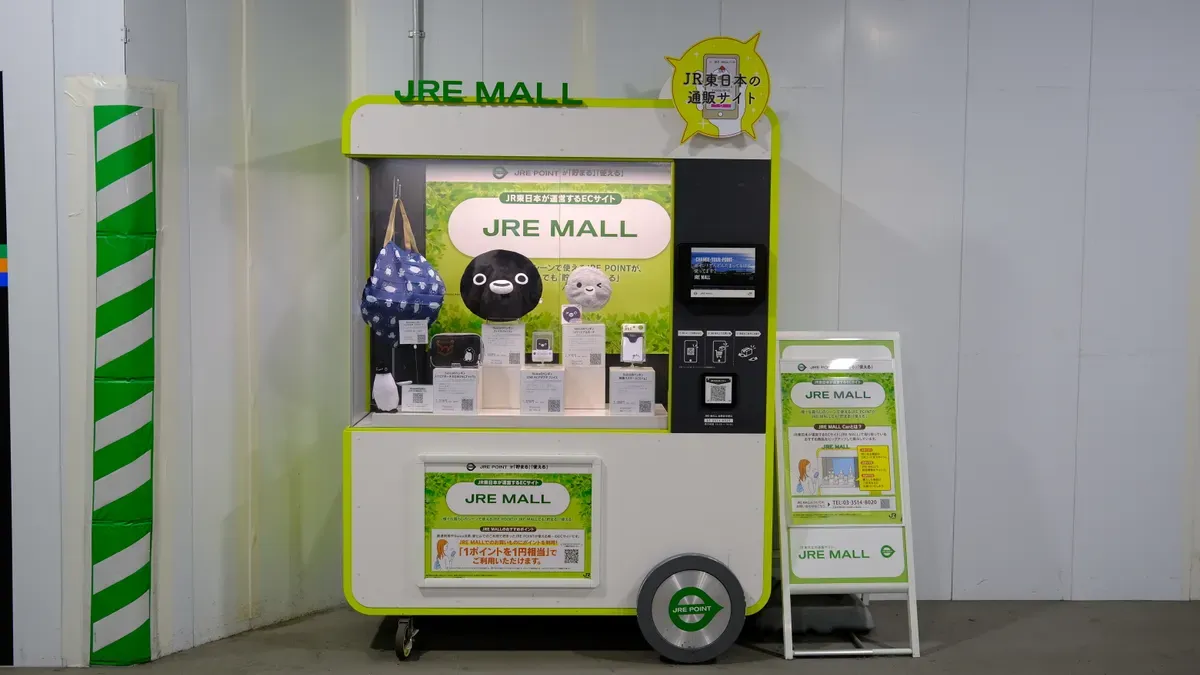
Imagine walking into a Japanese convenience store where ai works quietly. You pick up your favorite snack, and ai watches your choices with vision technology. The checkout is easy because ai takes care of payment right away. Store workers help you, while ai keeps track of items and restocks them. You enjoy the good things about AI-powered autonomous retail in Japan each time you go.
In these stores, ai makes shopping smooth for you, so it is faster and easier.
Key Takeaways
Invisible AI makes shopping faster and easier for you. You do not have to wait in long lines. Checkout is smooth and simple.
Vision technology helps stores keep shelves full. It also suggests things you may like. This makes shopping more fun and special for you.
AI helps with labor shortages by doing some jobs. You still get good service even if there are fewer workers.
Smart stores use real-time data to track items and prices. You can find your favorite things in stock. You also get the best prices.
Shopping in Japan will get even better with AI. You will have more ease and special experiences made just for you.
Invisible AI in Retail
Seamless Shopping with AI
When you walk into smart stores in Japan, invisible ai helps you shop. The technology works quietly and makes shopping quick. You do not have to wait in long lines. The ai follows you from the moment you enter. It helps you find things and checks what you pick up. Sometimes, it even suggests items you might like. Shopping feels easy because ai does many jobs for you. Automation in these stores saves you time. You spend less time looking for things and more time enjoying your visit. Smart solutions help every customer shop with ease.
Vision Technology in Action
Vision technology changes how you shop in stores. Cameras and sensors watch the shelves and see what you take. This helps with cashierless checkout, so you do not scan items. You just grab what you want, and ai charges you. The system checks inventory and keeps products in stock. You always find what you need, which makes shopping better. The technology also helps with category management. It learns how people move and shop. Stores use this to put products in smart places. Shopping becomes more fun and easy for you.
Use Case | Description |
|---|---|
Cashierless Checkout | Vision technology lets you skip the line and pay automatically. |
Inventory Management | The system keeps shelves full, so you always find your favorite products. |
Category Management | Stores use smart layouts based on how customers shop, making it easier for you to find what you want. |
Leading Retailers’ Adoption
Many top stores in Japan use invisible ai to help shoppers. You see smart technology in Lawson, FamilyMart, and 7-Eleven. These stores use sensor networks, context awareness, and edge ai to make shopping better. Ai-powered platforms help stores run well and keep products ready. You notice how these stores use technology for more convenience and automation. The table below shows the main parts of invisible ai in Japanese retail.
Component | Description |
|---|---|
Pervasive Sensor/IoT Networks | Sensors and tags collect data about shopping and customer behavior. |
Context Awareness | The system learns what customers need and adapts to help them. |
Edge AI and Fog Computing | Data gets processed quickly, so your shopping experience stays smooth. |
AI-Powered Management Platforms | These platforms control smart systems and keep stores running well. |
You see how invisible ai and smart technology change shopping in Japan. Your shopping is faster, easier, and more fun each time you go.
Challenges Solved by AI Technology
Labor Shortages and Costs
Retail stores in Japan have fewer workers now. Many people are older than 65. The number of working-age people has dropped a lot since 1995. By 2040, stores may need 11 million more workers. This makes it hard for stores to keep costs low. AI technology helps by doing jobs that people used to do. Automation keeps service good even with less staff. Smart solutions help when workers are missing. You see shopping become faster and easier. Stores use AI to save money and help customers.
AI technology does many store jobs automatically.
Automation lets stores work well with fewer workers.
You still get good service even if staff is low.
Reducing Friction in Operations
Stores often have problems like long lines and slow help. AI technology makes things run smoother. Smart stores use automation to answer questions fast. You get help quickly, even when it is busy. AI predicts what people will buy and keeps shelves full. You find your favorite things in stock. AI also helps set better prices. You see more choices and better use of money.
Area of Improvement | Description |
|---|---|
Customer Service | Automation answers simple questions fast, so service is better when it is busy. |
Inventory Management | AI predicts what will sell and puts items in the right place, so stores do not run out. |
Pricing Strategies | AI changes prices to match demand, so you see better deals and more choices. |
You shop faster and do not wait as long. Smart stores use real-time data and quick checkout. You spend more time enjoying your visit.
Smart stores use AI to make supply chains work better.
You get fast and easy shopping.
Meeting Customer Needs
Stores want to give you what you need. AI technology checks if products are on the shelf. You find what you want when you need it. Smart solutions study how you shop. You get shopping that feels just for you. Fun content makes shopping more interesting. Stores use AI to learn how you move and what you like. You see better store layouts and more comfort.
Key Solutions Demonstrated | Description |
|---|---|
Out-of-Stock Analysis | |
LLM-Based Customer Behavior Analysis | Learns how people move and shop |
Interactive Experience Content | Makes shopping more fun and engaging |
Most people in Japan use AI every day. Many think AI makes shopping easier. Some trust AI chatbots, but others like real people. Stores use smart tools to help all kinds of shoppers. You get shopping that matches what you want. AI technology helps stores focus on you. You see more comfort, speed, and smart shopping each time you go.
Benefits of AI-Powered Autonomous Retail in Japan
Customer Experience Improvements
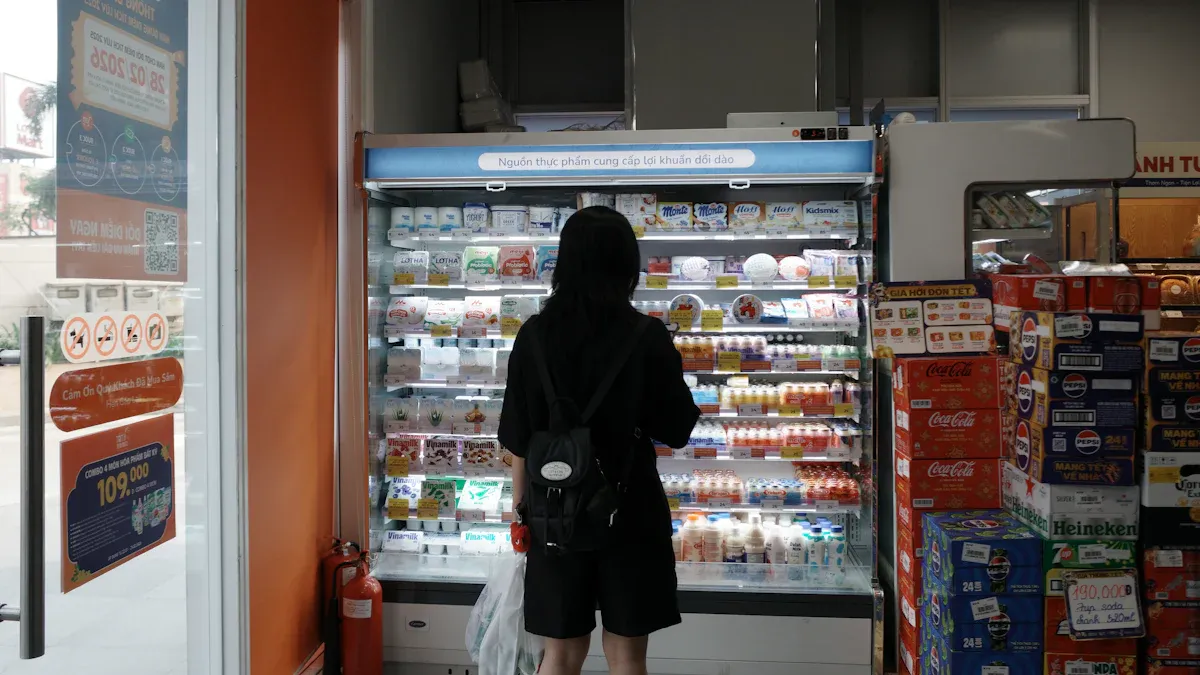
When you shop at ai-powered autonomous retail in japan, things feel different. Smart technology helps you find what you want fast. You do not have to wait in line to pay. The checkout is quick and easy. Ai watches what you pick and gives you ideas for other things you might like. Shopping feels special because it matches your likes. You see items that fit your style and needs. Everything goes faster and is more convenient.
Ai answers your questions right away.
Smart tools make shopping simple for everyone.
Personalization makes you happier and brings you back.
You feel important as a customer because ai-powered autonomous retail in japan cares about you. Each visit is smoother and more fun.
Operational Efficiency Gains
Stores in Japan work better with ai-powered autonomous retail in japan. The technology helps keep shelves full and helps workers. You get fast service and always find what you need. Ai-powered inventory management stops stores from running out or having too much. This saves money and keeps products ready.
Japanese stores say ai-powered autonomous retail in japan helps with fewer workers. Unmanned stores and machines do many jobs. FamilyMart and Lawson use self-checkout and ai-powered cameras. Restocking robots do many tasks, like a part-time worker.
Unmanned stores need fewer workers.
Automated systems help stores work better.
Ai-powered inventory management keeps shelves full and cuts waste.
Percentage Reduction | |
|---|---|
Stockouts | Up to 30% |
Inventory Carrying Costs | 20–50% |
Overstock | 40% |
You see how ai-powered autonomous retail in japan makes shopping easier for you and stores. Stores save money and make customers happier.
24/7 and Real-Time Capabilities
Ai-powered autonomous retail in japan lets you shop anytime you want. Many stores, like 7-Eleven, are open all day and night. You can go shopping whenever you like. Real-time technology keeps track of what is on the shelves. You always find what you need.
Stores stay open all the time for you.
Real-time inventory stops empty shelves and too much stock.
Ai-powered autonomous retail in japan changes with your shopping habits.
You get a shopping trip that fits your life. Stores use smart tools to stay open and ready at any hour.
Ai, smart technology, and autonomous systems make shopping better for you. Stores work better, save money, and make customers happy. Ai-powered autonomous retail in japan changes how you shop and how stores work.
Future of AI in Japanese Retail
From Pilot to Mainstream
Many stores in Japan are trying new ai tools. These small tests show how smart technology can change shopping. It is hard to use ai everywhere because old systems do not match new ai. There are not enough people with the right digital skills. Data privacy and security are important for everyone. Japanese stores must use more automation but still care about people. Growing ai from one store to many takes time and planning.
Old systems and data silos make things slow.
More skilled workers are needed for new ai jobs.
Privacy and security must stay strong.
Stores must keep trust with customers and workers.
Smarter, Customer-Centric Stores
Ai helps make shopping feel more personal for you. Stores use smart tools to learn what you like. They use data to give you the best products and deals. Ai-powered chatbots give you quick help. These tools make shopping easier and more fun.
Example | Description |
|---|---|
Ai looks at your shopping habits and gives you special deals on your favorite things. | |
Loyalty programs | Ai tracks your visits and rewards you, so you want to come back. |
Product discovery | Ai suggests new things based on what you bought before, making shopping more exciting. |
You see how technology helps stores focus on you. Smart tools make every visit feel special. Stores use ai to give you a shopping trip that fits your needs.
Next Steps for Technology
Invisible ai will keep making shopping better for you. New tools will work quietly in the background. You will notice less waiting and more ease each time you shop. Ai will handle jobs like inventory and deliveries, so workers can help you more. Technology will help stores connect with you and your community. Japanese stores are using new ai chatbots and virtual helpers. These tools help stores work with fewer workers and more speed. Working with global leaders brings even smarter tools to Japanese stores.
Ai will make shopping easier and more fun.
Workers will spend more time helping you.
Technology will help stores be fast and friendly.
You can look forward to a future where smart tools, ai, and data work together to give you the best shopping trip in Japanese stores.
Invisible AI changes how you shop in Japan. You enjoy smooth shopping without waiting. Stores use AI to predict what you need and fix problems fast. You see better service and more choices.
You get seamless experiences that remove old friction points.
Stores collect data to improve service and boost efficiency.
Experts say AI could raise sales efficiency by 20% by 2026.
Japan supports AI growth, so you can expect smarter stores and even better shopping soon.
FAQ
What is self-service in Japanese retail stores?
Self-service means you scan items and pay yourself. You bag your things without help. You use kiosks or smart checkout machines. This makes shopping better and gives you more control. Many stores have self-service now. Shopping is faster and easier for everyone.
How does ai improve the shopping experience for customers?
Ai watches what you pick and suggests things you may like. You get quick answers to your questions. Ai keeps shelves full and checkout easy. Shopping feels personal for you. Ai helps stores focus on what customers need. It also helps stores connect with shoppers.
Why do stores use self-service technology?
Stores use self-service so you can shop quickly. You skip lines and check out fast. Self-service lowers labor costs and helps stores work well. You get a smoother shopping trip. Self-service lets you shop your way. Every customer gets more freedom.
Can self-service help customers with special needs?
Self-service systems have easy screens and clear steps. You find help buttons and voice guides. Stores make self-service for all customers. You get support if you need it. Self-service makes shopping easier for everyone, including people with special needs.
How does self-service affect customer satisfaction?
Self-service gives you faster checkout and less waiting. You feel more in charge of your shopping. Stores see happier customers because you get what you need fast. Self-service helps everyone enjoy shopping and come back more often.
Tip: Try self-service next time you shop. You might find shopping easier and more fun.
Benefit | How it helps customers |
|---|---|
You wait less time | |
More control | You manage your shopping |
Personalization | Ai suggests things for you |
Accessibility | Self-service helps all customers |
See Also
The Future of Retail Lies in AI-Driven Stores
Transforming Online Retail Management with AI-Driven Tools
What Retailers Should Understand About AI-Enhanced Corner Stores
Global Insights on Automated Retail: Micromarkets Versus Smart Stores
Revolutionizing Retail: The Impact of Smart Electronics Vending Machines
