Key Tips for Enhancing the Shopping Experience by Reducing Queues

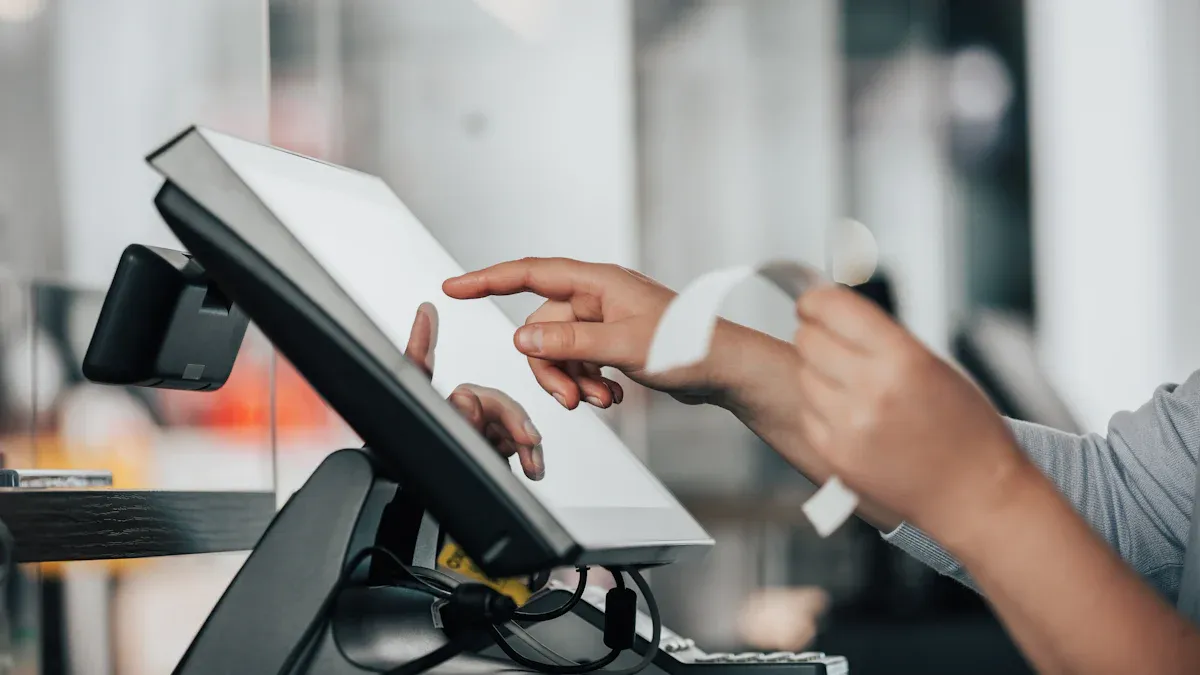
You know how annoying long lines can be, especially if you are in a rush. Almost 79% of travelers want shorter lines, which is essential for reducing queues.
Passengers spend about $7 for each hour in the terminal.
Spending goes down by 30% for every 10 minutes spent waiting.
Reducing queues can make people happier and help stores sell more.
Key Takeaways
Try using virtual queues and fast lanes. This helps make wait times shorter. It also makes customers happier. Train workers to handle lines well. Use real-time data to change staff during busy times. Make store layouts better with clear signs. Put checkouts in smart places to help people shop easily.
Understanding Queue Challenges
Peak Times and Customer Flow
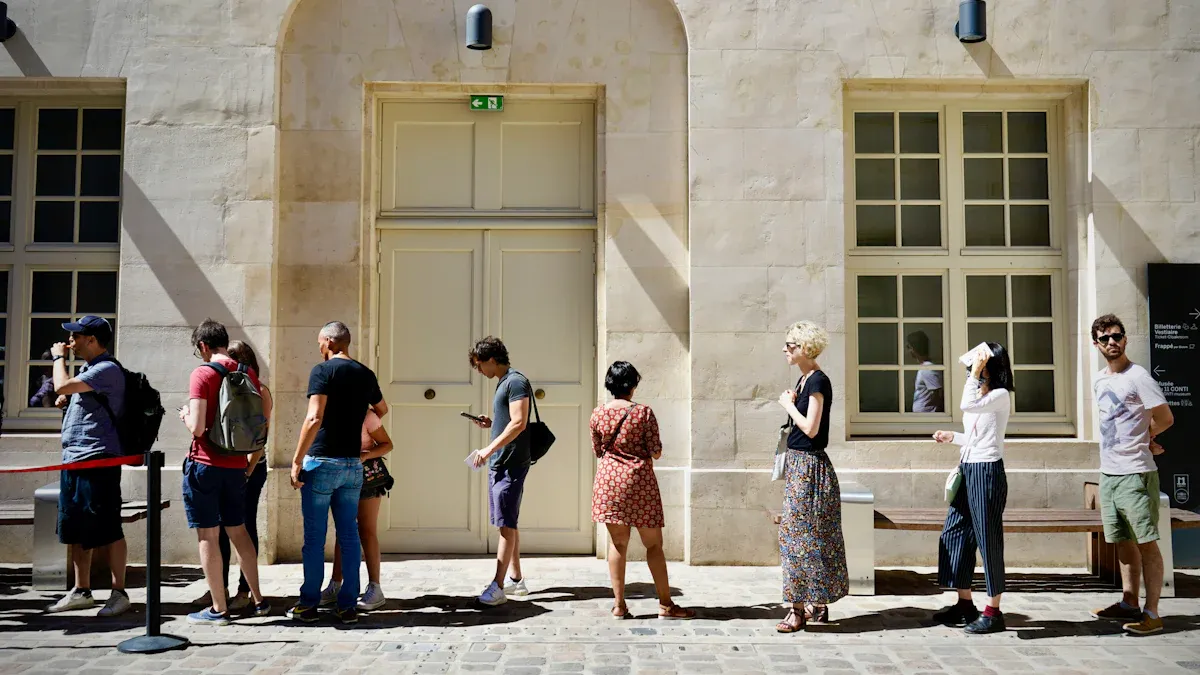
You probably notice that crowds in airport stores do not stay the same all day. Some hours feel calm, while others get busy fast. This happens because passenger arrival patterns change with flight schedules. You can use smart tools to keep track of these patterns. AI-based forecasting and video analytics help you see when crowds will form. Real-time data on queue lengths and wait times lets you act before lines get too long. If you look at past data and flight times, you can plan ahead and put more staff where you need them most.
AI tools spot busy times before they happen.
Video analytics show you where crowds gather.
Real-time updates help you move staff quickly.
Past data and flight schedules help you plan for busy periods.
Causes of Long Queues
Long lines do not just happen by chance. You might see them when too many people arrive at once or when checkout moves slowly. Sometimes, unclear signs or confusing store layouts make things worse. In airport retail, you often use a linear queue, which keeps things fair and organized. This setup works better than the less structured lines you see in other stores. Take a look at how airport retail compares:
Feature | Airport Retail Stores | Other Retail Environments |
|---|---|---|
Queue Structure | Linear Queuing | Varies (often less structured) |
Efficiency | Moderate to High | |
Customer Experience | Organized and fair | Can be chaotic |
If you focus on reducing queues, you can make shopping smoother and keep travelers happy.
Strategies for Reducing Queues
Queue Management Systems
Queue management systems can really help your store. These systems control how people move and keep lines short. Many airport stores use mobile apps for virtual queues. This means travelers do not have to stand in line. They can shop or relax while they wait. Digital signs and alerts show people where to go. This makes things less confusing and less stressful.
Here are some ways queue management systems help with reducing queues:
They help people move through your store and stop crowds.
Mobile apps let travelers join lines from anywhere, so the entrance is less crowded.
Digital signs send people to shorter lines, so things go smoother.
Data analytics check walking speeds and count people in each area, so you know where to put staff.
During busy times, dynamic lane assignments keep lines moving.
You can see how these systems help in the table below:
Benefit/Impact | Description |
|---|---|
Improved Operational Efficiencies | Changes how customers line up, making it easier to manage. |
Reduced Waiting Times | Lets you check in from far away and get alerts, so lines are shorter. |
Enhanced Customer Experience | Gives you clear wait times, so you feel less stress and enjoy shopping more. |
Streamlined Processes | Sends you to less busy spots, which helps lines move and stops crowds. |
Increased Customer Satisfaction | Less waiting means you are happier during your airport visit. |
Some airports use AI sensors and cameras to watch how people move and measure line lengths. Predictive analytics help you guess when delays might happen, so you can add staff before lines get too long. For example, QuickQ uses a first-in, first-out system, so everyone gets served in order. Stores using QuickQ have seen wait times drop by up to 30%. When you show wait times on screens, like at Hartsfield-Jackson Atlanta International Airport, passengers feel more relaxed and know what to expect.
Fast Lanes and Virtual Queues
Fast lanes and virtual queues can make your store special. You can have a fast lane for travelers who are ready to pay or have just a few things. This helps people in a hurry and keeps the main line short. Virtual queues let travelers sign up for a spot in line on their phones. They get a message when it is their turn, so they do not have to wait in a crowd.
These tools help with reducing queues and make shopping better for everyone. Fast lanes reward travelers who are ready and keep things moving. Virtual queues let travelers shop or get a snack while they wait. Schiphol Airport in Amsterdam lets travelers book a security screening time, so there are fewer crowds. Berlin Brandenburg and Frankfurt airports also use digital reservations to spread out people and stop bottlenecks.
Tip: Fast lanes and virtual queues do not just make things faster. They also help travelers feel more in control and less worried.
When you use these systems, customers are happier and more people buy things. This means you keep more sales and your store gets a better name.
Dynamic Messaging and Data Analytics
Dynamic messaging and data analytics are great for reducing queues. You can use real-time data to see how many people are in your store and how long they wait. This helps you make quick choices, like opening another register or sending staff to busy spots.
Here is how data analytics can help you:
Evidence Point | Description |
|---|---|
Monitoring Passenger Flow | Track how passengers move, so you can step in before lines get too long. |
Predicting Wait Times | Use current data to guess wait times and manage what travelers expect. |
Dynamic Resource Allocation | Move staff and resources where they are needed most, right when you need them. |
Enhanced Customer Experience | Shorter waits mean happier travelers who enjoy shopping more. |
Increased Retail Revenue | Efficient queues give travelers more time to shop, which boosts your sales. |
You can also use digital signs to show wait times. This helps travelers plan their time and feel less stressed. Sensors watch how people move and how fast lines go. Automated calling systems call the next person in line, so things stay fair and quick.
When you focus on reducing queues, you do more than just make lines shorter. You give travelers more time to shop, which helps your store earn more money. Happy passengers spend 45% more than those who are not happy. If you keep lines moving, travelers will shop more and come back next time.
Note: Good queue management does not just help your store now. It makes travelers want to come back again.
By using these strategies, you can turn waiting into shopping and make things better for everyone.
Store Layout Optimization
Signage and Pathways
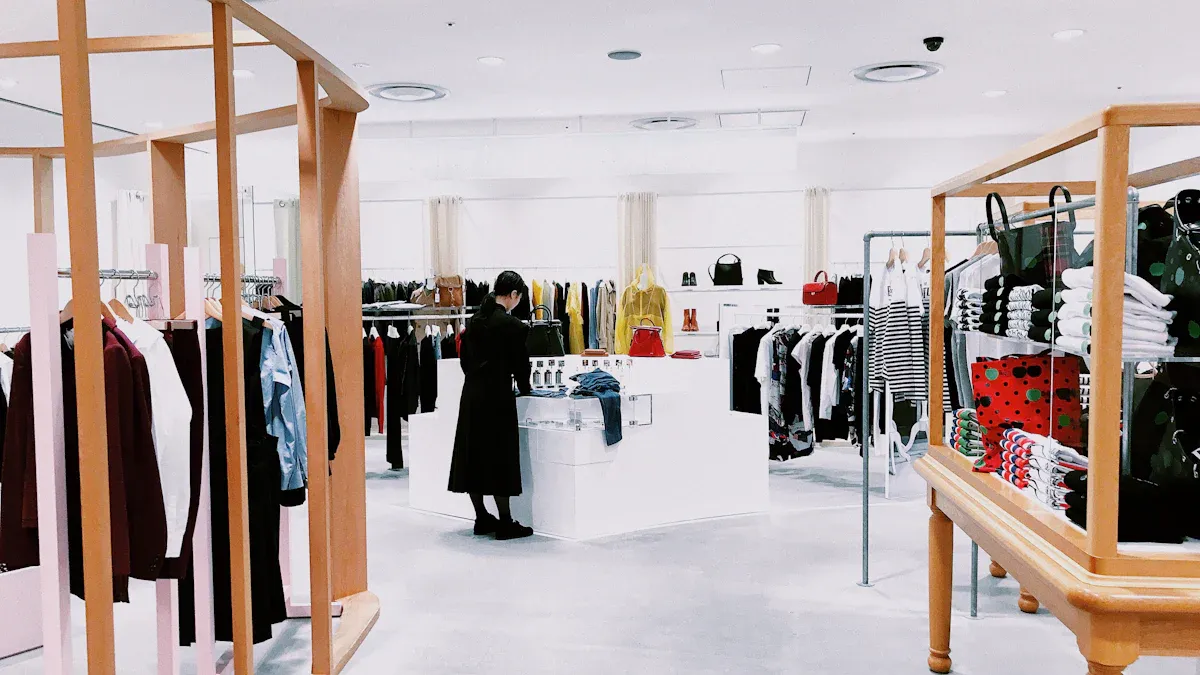
You want travelers to find their way easily. Good signage helps people move through your store without getting lost or confused. Digital signs can show directions based on where crowds gather. This keeps lines shorter and helps everyone get to the right spot. Signs can also share fun things like quizzes or contests, which make people want to stay longer and come back next time.
Digital signs guide travelers using real-time visitor flow data.
Interactive content on signs can boost dwell time and repeat visits.
When you use digital signage, you also help travelers feel less stressed. Showing news, flight maps, or even entertainment on screens keeps people busy and happy. This makes wait times feel shorter and helps lines move faster.
Checkout Placement
Where you put your checkout matters a lot. If you place checkouts in smart spots, you can cut down wait times by up to 70%. You also make shoppers happier—customer satisfaction can go up by 20%. Try to keep checkouts easy to see and reach. Use signs to show where to pay. This simple change can make a big difference.
Good queue management reduces wait times.
Clear layout and signs improve customer flow at checkout.
Waiting Zones
Waiting zones give travelers a place to relax while they wait. You can use virtual queues so people join the line from their phones. This means fewer people stand around, and the store feels less crowded. Real-time updates on digital signs keep everyone informed and calm. With these changes, you can cut average wait times by 40% and make shopping much more pleasant.
Digital signs give real-time updates and lower confusion.
Tip: A comfy waiting zone with clear updates makes travelers feel cared for and keeps your store running smoothly.
Staff Training and Scheduling
Customer Service Skills
You want your staff to be good at handling lines. Training helps them learn how to manage queues and keep shoppers happy. Staff keep learning new ways to help customers. They watch lines, guess wait times, and tell people what to expect. They also practice dealing with tough problems and upset customers. When staff know what to do, they fix problems fast and make shopping easier.
Staff learn to spot problems in lines early and fix them.
Training teaches staff to share wait times and calm upset travelers.
Ongoing lessons help staff stay ready for busy times.
Problem Resolution
Customers get upset when lines are long or slow. Well-trained staff can fix these problems quickly. They go to busy lines, use screens to show wait times, and help shoppers plan. Here are some common complaints and how staff can help:
Common Complaints | Resolutions |
|---|---|
Long wait times | Staff training to handle queues effectively |
Poor queue management | Use of technology like data analytics and IoT |
Congestion during peak times | Adjust staff allocation based on demand |
Frustration due to delays | Implement virtual queuing and real-time updates |
Scheduling for Peak Hours
You can use data to plan staff schedules better. Real-time info from WiFi, cameras, and counters shows when the store is busy. You open more registers and bring in extra staff when needed. This keeps lines short and shoppers happy. Data also helps you not have too many staff when it is slow, which saves money and helps the store run well.
Benefit | Description |
|---|---|
Improves service quality and reduces downtime. | |
Avoids overstaffing during lulls | Reduces wage expenses by matching staffing to demand. |
Dynamic adaptation | Adjusts staffing plans in real-time to seasonal and hourly fluctuations. |
Tip: Smart scheduling means you always have enough staff at the right time. This keeps lines moving and makes shopping easier for everyone.
You can help people shop at airports by making the store easy to walk through. You can use virtual queues and self-checkouts to make things faster. Here are some important points to remember:
Key Takeaway | Description |
|---|---|
Stress Reduction | Shorter waits make travelers feel relaxed and happy. |
Customer Satisfaction | Good queue management gives shoppers more time. |
The FeedbackNow Global Airport Index shows how travelers feel right now. This helps you see if your changes work. Try new ideas often and watch your scores get better!
FAQ
How can I quickly start reducing queues in my store?
You can use digital signs, virtual queues, and fast lanes. These tools help you move people faster and make shopping easier.
What technology helps most with reducing queues?
Virtual queue apps and real-time data analytics work best. You can track crowds and adjust staff quickly.
Does reducing queues really increase sales?
Yes! When you cut wait times, travelers shop more. Happy customers spend more money and come back next time.
See Also
Boosting Efficiency And Customer Experience With Cloudpick Technology
Experience Seamless Shopping With Cloudpick's Cashierless Solutions
Effortless Garlic Purchases: Self-Checkout Tips You Need
A Journey Through The Development Of Self-Checkout Systems
Navigating Walgreens Self-Checkout: Benefits And Retail Hurdles
