How AI-Powered Hotel Convenience Stores Use Facial Recognition to Boost Revenue

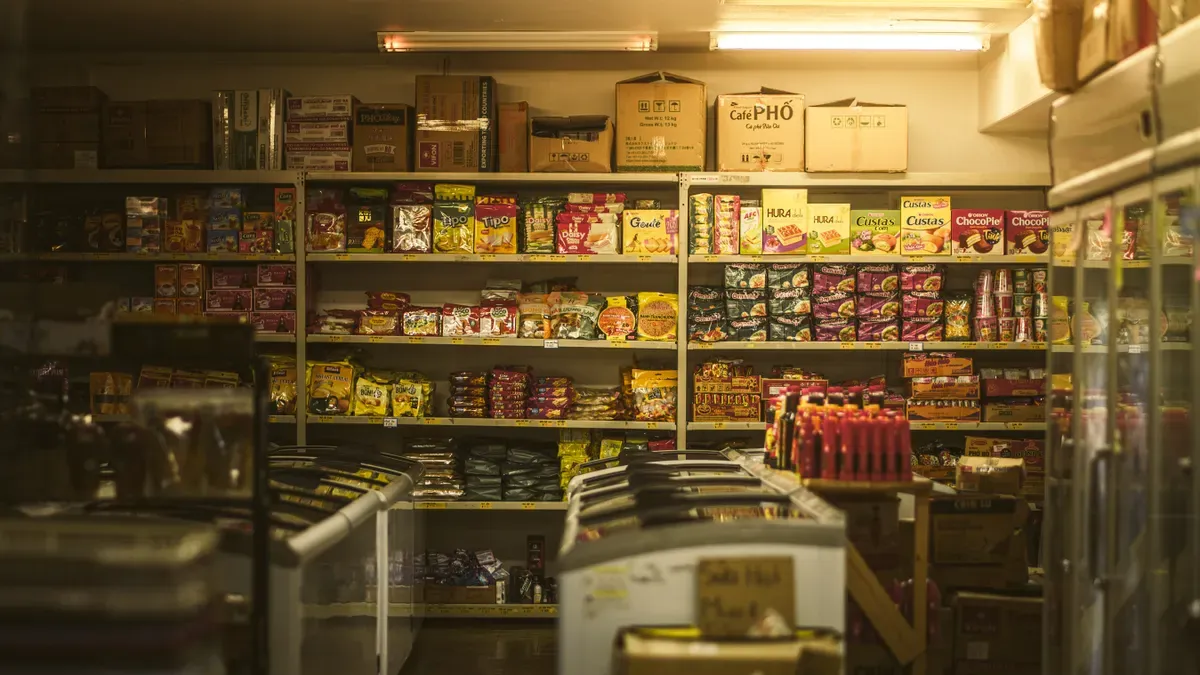
Picture this: you get to your hotel after a long flight, and you really need a toothbrush or a snack. The front desk is closed, and the vending machine is empty. This happens to many guests, and hotels lose money each time. How can you get back that lost money and make the guest stay better without hiring more staff? The answer is an AI-powered hotel convenience store. This technology uses facial recognition to let guests enter and shop. It tracks what they pick and bills them automatically. This easy shopping experience has what you need at any time of day. It changes how we travel and shows how AI is used in travel. This article explains how this technology works and the money it saves.
Key Takeaways
The AI store uses facial recognition to let people in quickly and pay automatically. This means the store does not need workers.
The 24/7 operation catches sales that were lost late at night. Hotels earn more money without paying for more workers.
The system learns what guests like and offers them items. This makes shopping feel personal for each person.
The technology keeps data safe by scrambling it and then wiping it clean. Guests can feel sure their private information is protected.
The Late-Night Guest Gap: Why Hotels Lose Revenue
Limited Amenities After Hours
You arrive at your hotel at 11 PM after a delayed flight. You need a toothbrush, a phone charger, or just a bag of chips. You check the front desk, but it closes at 10. You walk to the vending machine, but it only offers soda and stale pretzels. This scenario plays out nightly in thousands of hotels across the country. Most properties stock only the bare essentials at the front desk. They keep a few travel-size items behind the counter, but staff go home after a certain hour. Your options disappear once the lobby empties.
This gap creates a real problem for the hotel. You either wait until morning or leave the property to find a store. Many guests choose to wait, but they remember the inconvenience. Others drive to a gas station, which takes time and adds frustration. Either way, the hotel loses the sale. The guest leaves with a negative impression. That impression affects their review, their loyalty, and their likelihood of returning. The simple act of buying a $3 snack becomes a deciding factor in how you feel about your entire stay.
The High Cost of Traditional Retail
You might wonder why hotels don't simply open a 24-hour shop. The answer comes down to money. A traditional convenience store needs staff for every shift. You need someone to stock shelves, run the register, and handle security. Labor costs alone can eat up most of the profit from small-ticket items. A hotel would need to sell hundreds of snacks each night just to break even on one employee's wages.
Traditional retail also carries hidden risks. Shoplifting and inventory shrinkage cut into already thin margins. You also need to manage cash, track sales, and handle returns. These tasks require management time and training. For most hotels, the math simply doesn't work. The potential revenue from late-night sales cannot justify the operational expense. So hotels choose to leave this money on the table. They accept the gap as an unavoidable cost of doing business. But this gap represents a real opportunity for those willing to rethink the model. An ai-powered hotel convenience store changes this equation entirely. It removes labor from the cost structure while keeping the convenience of 24/7 access. This approach turns a lost opportunity into a steady income stream. The technology exists today, and forward-thinking properties are already using it to transform the travel experience.
How AI and Facial Recognition Enable Staff-Free Shopping
Seamless Entry and Automatic Billing
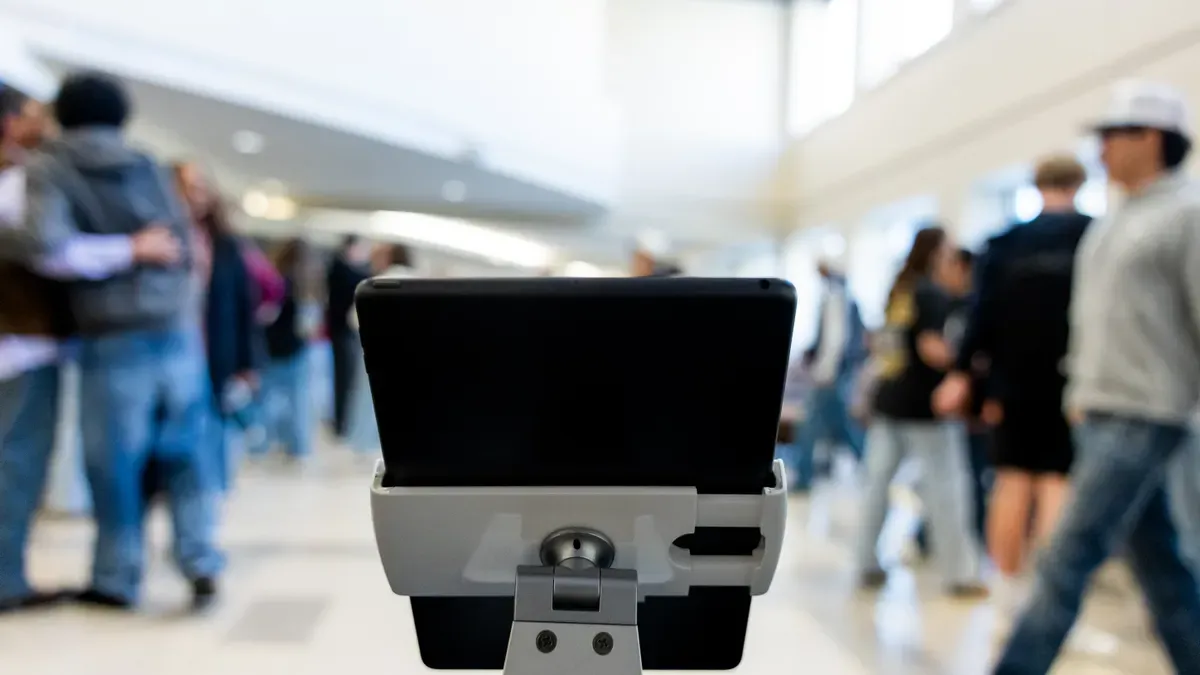
You walk up to the door of the ai-powered hotel convenience store. A camera captures your face at a distance of 0.4 to 0.8 meters. The system uses the LBP algorithm to recognize you. This method compares each pixel with its neighbors to create a binary code. The LBP approach works well even in dim hallway lighting. The device runs on a dual-core setup. An STM32H7 chip handles the face recognition task. An STM32L4 chip manages data exchange and guides you to the right products. A 4 GB SD card stores encrypted feature vectors. Each vector takes about 10 kb of space. The system can hold thousands of guests without any problem.
Once the system identifies you, billing happens automatically. The store links your face to your payment method. You pick items off the shelf, and the system tracks what you take. Japanese CAC Corporation has already deployed this technology in their POS terminals. Their system processes payments without cards or phones.
The facial recognition technology uses anti-spoofing methods. These methods verify that a real person stands in front of the camera. This prevents fraud from photos or videos. The system also restricts register access to authorized staff during scheduled hours. These three mechanisms work together. They create a secure shopping experience. The technology behind these payments relies on ai to match faces accurately and quickly.
The table below shows how different algorithms perform in this setup:
Algorithm | Running Time (on Board) | Accuracy (TAR@FAR on Board) |
|---|---|---|
PCA | 3.7 s | 93.2% |
CNN | >15 s | 95.0% |
LBP | 1.2 s | 93.0% |
The LBP algorithm offers the best balance of speed and accuracy. CNN provides higher accuracy but takes too long on embedded hardware. PCA sits in the middle but still falls short of LBP's speed.
No Queues, No Scanning, No Staff Needed
The store runs entirely without human employees. You enter, grab what you need, and leave. The system handles everything behind the scenes. This unmanned model saves the hotel significant labor costs. You never wait in line because no register exists. No scanning means you pick your items and walk out. The store operates 24 hours a day, seven days a week. The convenience of this setup means you always get what you need exactly when you want it.
The hardware behind this experience uses several key components.
Each monitoring device has a dual STM32 core architecture. The STM32H7 handles face recognition, and the STM32L4 manages data exchange and guest room guidance.
The MQTT protocol carries real-time information between devices and the management platform.
The server runs MQTT Broker, MySQL Server, and Node-RED to manage the whole system.
Devices enter sleep mode during idle periods to save power.
Privacy protection remains a top priority.
The system processes photos using LBP features in the monitoring master. It shares only encrypted feature vectors to other devices and deletes original images. Cameras at the terminals also delete images after recognition. When you check out of the hotel, the system deletes all your information by ID. A physical shell protects the hardware from intrusion. An SD card monitoring program alerts managers if anything goes wrong, such as a card theft or poor connection.
The system recognizes repeat visitors and learns their preferences. This allows for personalized experiences over time. The store can offer smart product recommendations based on what you bought before. Each visit becomes a smoother, more tailored shopping experience. You get the items you require quickly without any friction.
This technology represents a practical application of ai in travel. It shows how ai in travel can solve real problems for hotels and their guests. The unmanned store delivers a better travel experience while generating new revenue. Your trip becomes more convenient because the store is always open. This is the future of ai in travel, and it works today for guests who value seamless experiences. This unmanned model truly changes the game for the entire industry.
Revenue and Enhanced Customer Experience with an AI-Powered Hotel Convenience Store

24/7 Operation Without Added Labor
The ai-powered hotel convenience store removes the biggest hurdle to all-day retail: payroll. You don't need a night clerk, a cashier, or a security guard. The system runs on its own. This lets you offer 24/7 operations without adding any shifts. The store stays open while your staff rests. Your guests can shop at 2 AM or 6 AM. You capture sales that used to slip away.
The financial results are clear. Hotels using AI-driven round-the-clock services see real gains:
Hotel Brand | |
|---|---|
Cosmopolitan | $2.8M extra revenue; +30% guest spend |
Marriott | +35% direct booking conversions |
Edwardian | Higher room service ticket values (via instant 24/7 response) |
Hyatt | $4.4M yearly operational savings |
The pattern shows: 24/7 instant communication → better guest experiences → stronger ratings → higher revenue. This chain directly links round-the-clock operation to financial success.
Your hotel can use this same approach. The unmanned store cuts labor costs completely. The unmanned model also removes cash handling and theft risks. Every transaction goes through secure digital payments. You gain a profit center that works while you sleep.
A New Revenue Stream and Stronger Differentiation
The store creates revenue beyond room bookings. Think about all the extra services guests already buy. The store becomes another way to earn income:
Room upsells and premium upgrades (suites for special events, adjoining rooms for families, higher floors with views, early check-in or late check-out)
Food & beverage items (snacks, drinks, in-room dining options)
Spa & wellness products (travel-size toiletries, wellness kits)
Transportation essentials (phone chargers, adapters, travel accessories)
Event supplies (notepads, pens, presentation materials)
One hotel general manager raised RevPAR by 40% in eight months without adding rooms. The plan involved rethinking housekeeping as a guest intelligence network. Staff collected preference data and placed smart amenities around the property. Within six months, spa bookings doubled and minibar use increased. The ai-powered hotel convenience store gets similar results through automation.
The ai system also boosts the guest experience. Real-time analytics show you order trends and guest feelings. You can fix negative feedback faster. Order accuracy tools catch mistakes before they happen. Personalization looks at past orders and visit frequency to tailor offers. This creates a shopping experience that feels made for each visitor.
How It Improves Guest Satisfaction | |
|---|---|
Real-time analytics | Shows order trends, service performance, and guest sentiment, so you can respond to negative feedback quickly and spot problems before loyalty drops. |
Order accuracy tools | Voice-assisted ordering with clearer confirmation, automatic prompts for missed options, and real-time checks catch mistakes before sending, reducing rework, waste, and frustration. |
Personalization | Looks at past orders, visit frequency, and loyalty activity to tailor offers and suggestions, making ordering easier and more relevant, which boosts engagement and repeat visits. |
NPS automation | Collects and organizes guest feedback faster, enabling quicker fixes and helping teams focus on what matters most for satisfaction. |
The AI-powered hotel convenience store turns the late-night guest problem into a 24/7 amenity, offering staff-free operation, more on-site options, and an extra retail revenue channel. This mix directly sets hotels apart from competitors by improving guest convenience and operational efficiency.
This technology is the future of ai in travel. It shows how ai in travel can turn ordinary stays into memorable experiences. The unmanned store gives 24/7 support without human help. It offers smart product recommendations based on purchase history. It creates smart convenience spaces that predict needs before you ask. This level of customer engagement builds loyalty and drives repeat visits. Your travel guests remember the convenience. They share their positive experiences in reviews. Those reviews bring in new travel customers. The cycle continues. This is ai in travel at its best. This is ai in travel creating real value. Your travel business grows because you solved a real problem. The enhanced customer experience speaks for itself. The experience you deliver sets you apart. The shopping becomes easy. The recommendations feel personal. The 24/7 operations never stop. Your hotel becomes known as the place that always has what you need. Your hotel stands out in a crowded market. Your hotel wins.
Implementation: Privacy, Integration, and Scalability
Data Privacy and Guest Trust
You might worry about facial recognition and privacy. Hotels deal with this issue head-on. The system uses encryption to turn sensitive data into unreadable codes. Even if someone steals the data, they cannot use it. Cloud security platforms offer safe, central storage with automatic updates and backups. Multi-factor authentication makes sure only approved users can enter the system. AI monitoring spots unusual activity and stops cyber threats right away. Secure network firewalls block outsiders from getting in.
You also stay in control. Biometric check-in is not required. Old-fashioned methods remain available for guests who want them. You get clear, informed consent by telling guests what data you collect and why. The consent process stays simple and optional. You stay open about what biometric data you keep, how long you keep it, and who can see it. You limit data storage by deleting biometric data after checkout unless the guest agrees to keep it for future visits. Strong security steps include encrypted storage, safe servers, and regular checks. You work only with trusted technology partners.
Clear communication about the guest screening process is vital for establishing trust. Guests appreciate understanding what to expect, including how their data is protected. Providing detailed information about the screening methods and security measures can significantly enhance their confidence in your hotel.
Integration with Property Systems and Target Chains
The unmanned store connects directly to your current property management system. Modern PMS platforms use cloud and open API structures. These improve module connections and speed up data exchange. Pre-integrated AI modules add core features. Dynamic pricing and forecasting arrive through tightly linked AI-powered revenue management systems.
Integration of AI and ML can fine-tune decision-making processes, enhancing efficiency and profitability. Even though a standalone PMS offers a solid foundation, integrations with other platforms and tools elevate its capabilities, allowing property managers to optimize operations and foster guest satisfaction.
Think about a real example. On one platform, an AI tool automatically creates a pricing suggestion from a slow-period occupancy forecast. It finds target guest groups. It writes a marketing plan. It pushes new rates across OTAs. Your unmanned store uses real-time PMS data to run multi-step tasks without human help.
This technology works for big chains like Marriott, Hilton, and IHG. Each property uses the same system with local settings. The ai in travel network grows stronger with each setup. You create personal itineraries based on past purchases. You offer custom travel packages that fit guest likes. You give suggestions that feel natural and useful. This personal touch turns regular stays into special memories. Your guests get what they need before they ask. The ai in travel movement keeps growing. Your hotel is ready for what comes next. The ai in travel model proves itself every day. You meet every guest need at any hour. The unmanned approach delivers results. Your travel business succeeds. The ai in travel edge becomes obvious. You lead the market with smarter answers. Your travel guests come back again and again for the smooth travel experience. The ai in travel promise becomes real for every travel moment.
The ai-powered hotel convenience store solves your after-hours amenity problem. You generate new revenue without adding labor costs. Your guests enjoy a seamless shopping experience around the clock. This technology pays for itself through guest loyalty and incremental sales. The enhanced customer experience sets your hotel apart from competitors. You meet every guest need at any hour. This unmanned model delivers real results. The ai in travel movement grows stronger with each implementation. Your travel guests remember the convenience. They share positive experiences in reviews. Those reviews attract new travel customers. The ai in travel approach builds customer engagement naturally. Your travel business thrives because you solved a real problem. The ai in travel promise becomes real for every travel moment. Consider this strategic investment today. Explore implementation options for your property.
FAQ
How does the facial recognition system protect my personal data?
The system turns your facial data into secret codes that can't be read. It removes original images right after it recognizes you. When you check out, the system deletes all your information using your ID. You can also pick regular check-in methods if you don't want to use biometrics.
What happens if the system fails to recognize me?
The store keeps other ways to get in. You can use a room key or a mobile app as a backup. The system tells hotel staff when recognition doesn't work. This makes sure you never get stuck outside the store.
Can the store work with my hotel's existing property management system?
Yes. The system connects through cloud-based APIs. It shares live data with your current PMS. This setup allows automatic billing and inventory tracking. Big chains like Marriott and Hilton can use the same system at many properties with local settings.
How does the store learn what products to stock?
The system watches purchase patterns on its own. It looks at which items sell at different times of day. This information helps you stock the right products for your guests. You can change inventory based on real demand instead of guessing.
Will guests feel uncomfortable using facial recognition?
Most guests like the convenience once they know about the security steps. Clear communication about data handling builds trust. You can put up signs that explain the privacy protections. The easy experience usually outweighs any early worries.
See Also
Smart Vending Machines Offer Retailers Enhanced Features And Benefits
The Future Of Retail Is AI Powered Stores
The Rise Of AI Corner Stores Demands Retailer Attention
Electronics Vending Machines Revolutionize Retail Using Smart Technology
AI Powered Ecommerce Tools Revolutionize Online Store Management
