Future of Cashierless Retail: 5 Trends You Can't Ignore

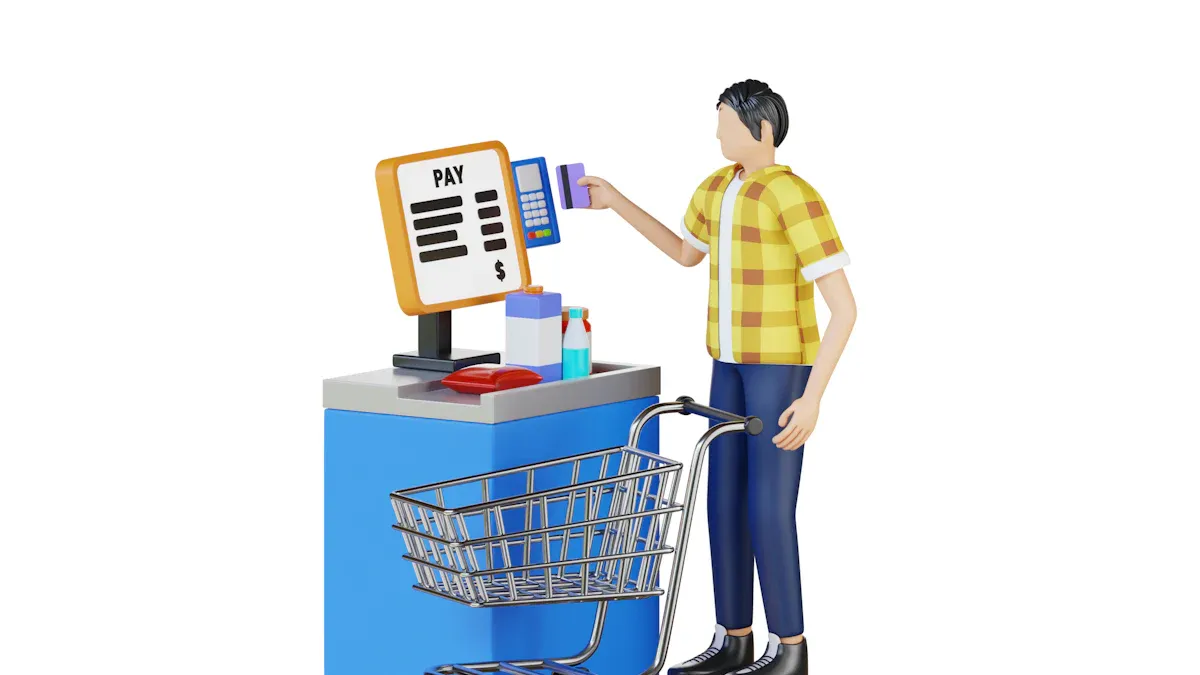
The future of cashierless retail is reshaping how stores operate, and for good reason: slow checkout lines cost retailers $37.7 billion every year in lost sales and unhappy customers. Stores without cashiers are no longer a concept—they’re the next step. Five major trends define this future of cashierless retail: AI and computer vision, seamless payments, automatic inventory management, personal analytics, and human-plus-tech models. Each trend directly tackles the checkout bottleneck. Is your store ready to embrace the future of cashierless retail? These trends are essential. You can’t afford to skip them. Stores that ignore this shift will fall behind. Cashierless shops and self-running retail are becoming the norm, and old self-checkout systems just don’t cut it anymore. To stay ahead, you need these innovations.
Key Takeaways
AI and computer vision can spot products with over 99% accuracy.
Easy payments win back billions in lost sales, but customers must trust them first.
Automated inventory tracks items as they happen and reduces out-of-stock issues.
Hybrid models mix technology with human workers to give better service.
The Future of Cashierless Retail: AI and Computer Vision
How AI and Computer Vision Work
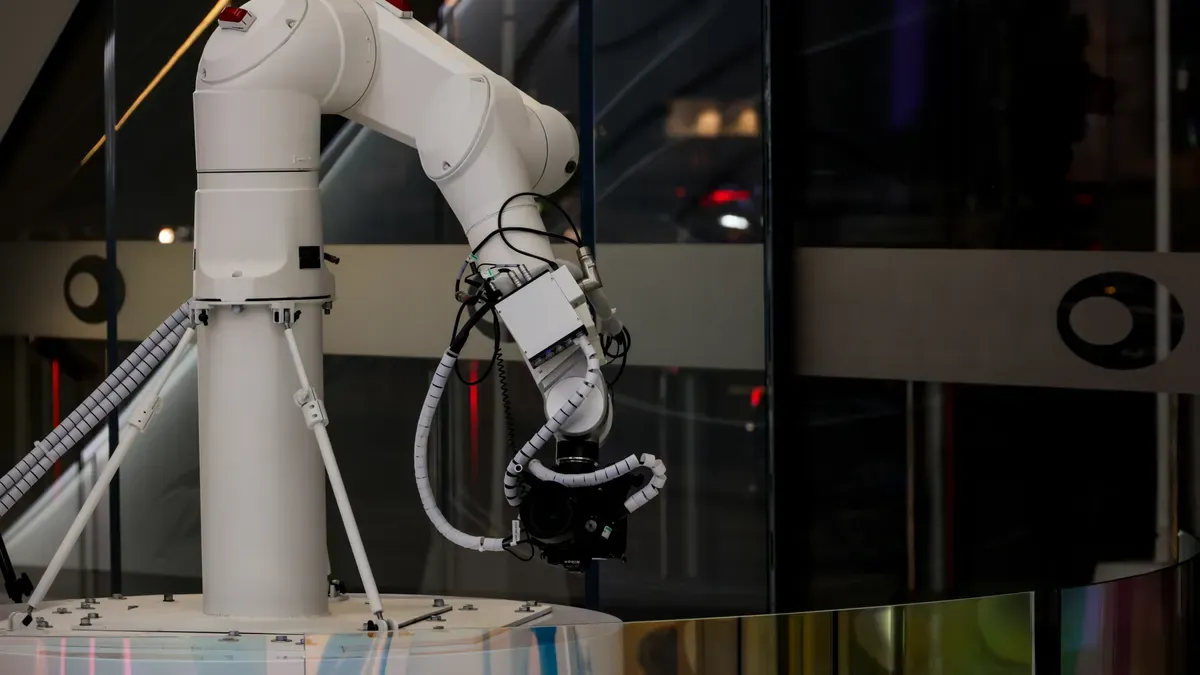
You enter a store, pick up an item, and walk out. No scanning. No cashier. No lines. This works because AI and computer vision team up instantly. Cameras on the ceiling watch you as you move through the aisles. Sensors on shelves notice when you take an item or return it. The system creates a virtual cart for you, changing it with each move you make.
The tech behind this is very exact. Recent tests show shelf detection hits 99.23% precision and 98.93% recall. Product detection reaches 94.61% precision and 93.02% recall. On real-world data, classification accuracy hits 99.86%. Even with only five sample images per product type, the system gets items right 98.39% of the time. These numbers prove computer vision can manage a busy store's challenges.
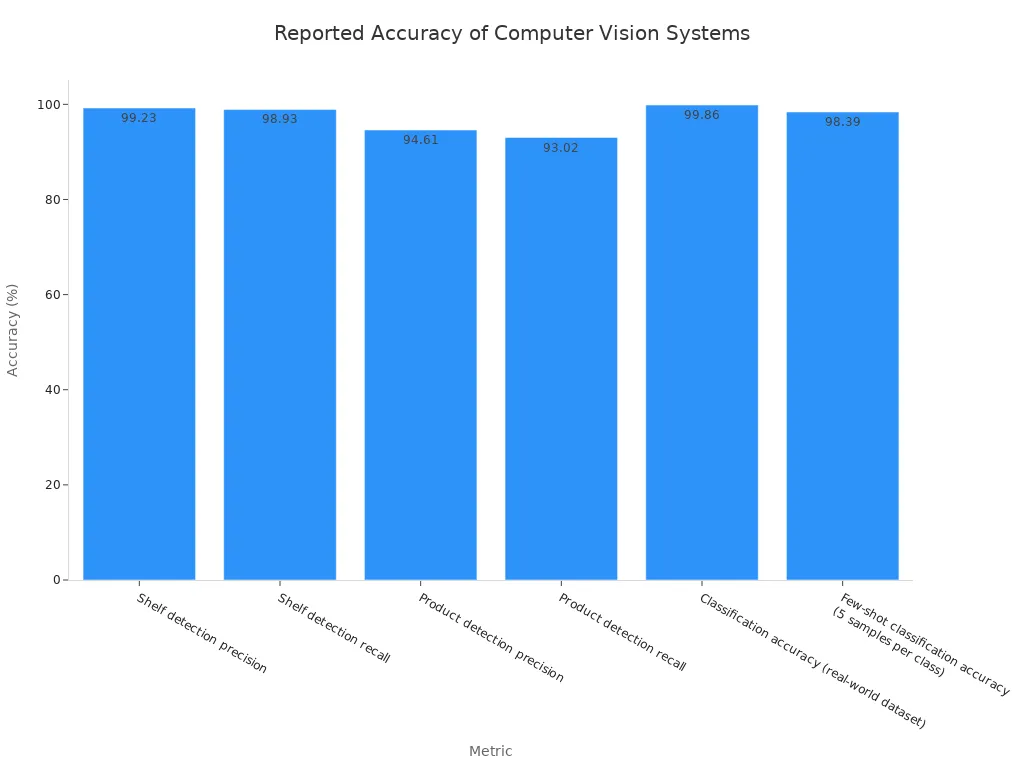
But you should know one key warning. Lab results don't always match real-world performance. Lighting shifts, messy shelves, and items that overlap can trip up even top systems. Stores must plan for these issues when they set up the tech.
Real-World Deployments and Success Stories
The numbers show a strong trend. Over 3,000 cashierless stores now run worldwide. Experts predict that count will pass 10,000 by 2025. Big names like Amazon lead with their Go stores, but smaller shops are joining too.
You might ask what this means for you. The future of cashierless retail isn't far off. It's here now, and the tech keeps getting better. Self-running stores cut labor costs and remove checkout delays. Automated checkout lets your team focus on helping customers instead of scanning items. The real question isn't if this change will come, but how fast you can adjust.
Frictionless Shopping Experience via Smart Payments
Grab-and-Go and Scan-and-Go Technologies
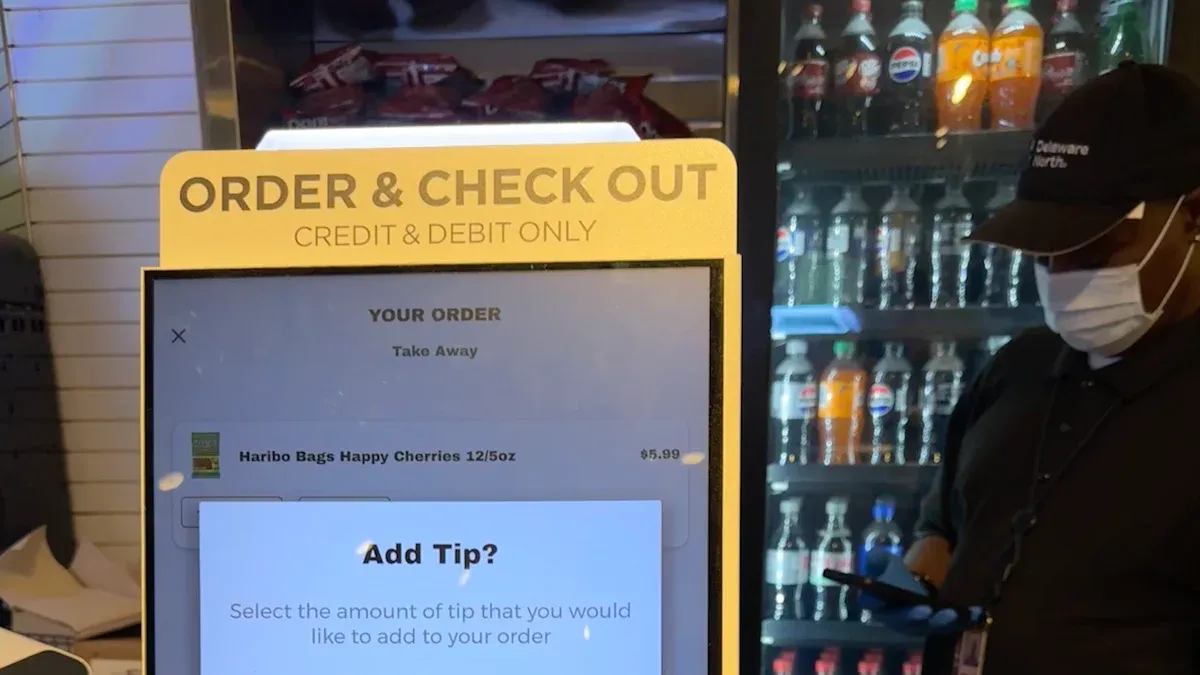
You walk into a store. You pick up what you need. You leave without waiting in line. That is the promise of grab-and-go and scan-and-go technologies. These systems let you use an automated checkout experience. They bypass the traditional checkout counter entirely.
People really like these tools. Surveys show that 48% of US internet users think scan-and-go would make shopping easier. 43% say they would prefer scan-and-go over waiting in line. 59% of digital buyers want grab-and-go stores with self checkout options. Globally, 60% of internet users prefer retailers that offer an Amazon Go-like experience. These numbers reveal a clear desire for speed.
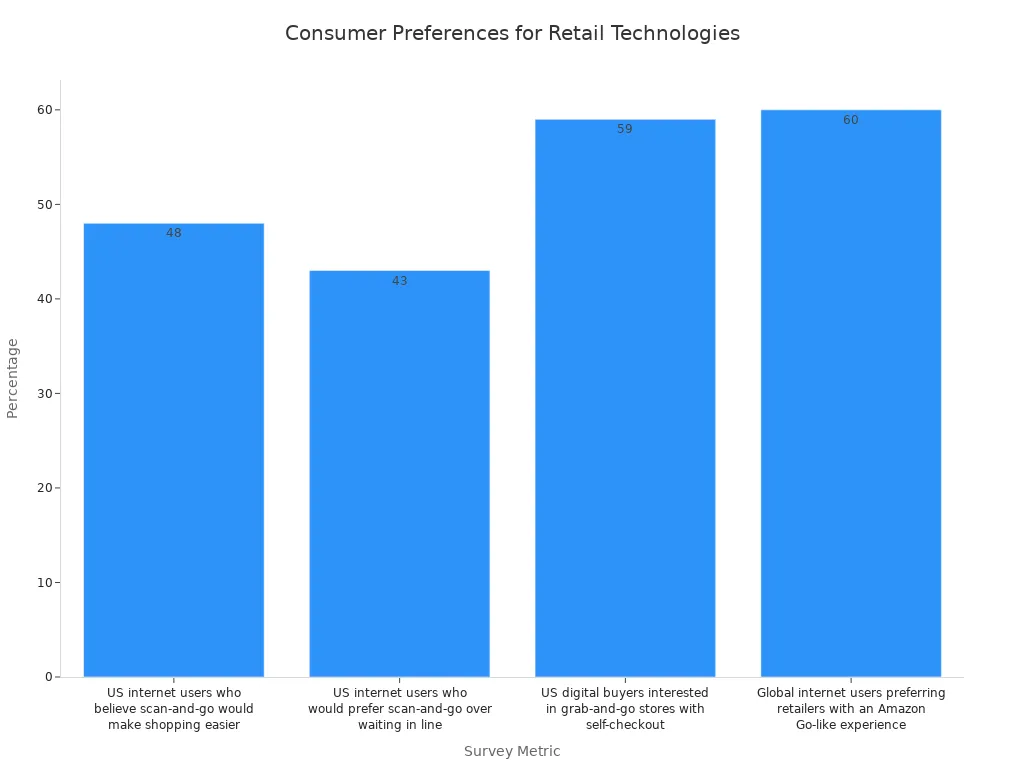
But liking an idea is not the same as using it. Walmart dropped its Scan & Go service in 2018. The reason was low usage. This shows that even when shoppers like the idea, they may not change their habits. Some shoppers feel unsure about new technology. They prefer the familiar routine of a regular checkout. This creates a gap between what people want and what they actually use.
Mobile Wallets and Biometric Payments
Mobile wallets and biometric payments remove even more friction from the process. You tap your phone or scan your face. The payment is done. No card needed. No signature required. This speed matters. Slow checkouts cost retailers $37.7 billion each year in lost sales. Frictionless payments help recover that money.
The economic incentive is clear. A Deloitte study found that improving site speed by 0.1 seconds can boost conversion rates by more than 10%. In some categories, average order value rises by nearly 10%. Businesses that partner with Zip for frictionless installment payments see a 46% increase in average order value. These gains show why speed matters.
But privacy is a concern. 78% of consumers in the APAC region worry about who can access their biometric data. They want assurance that their data is used only for payment. One shopper said, "Companies need to be more trustworthy. They sell data way too willingly." Another stated, "I would not trust this at all." These voices show that trust is a barrier.
The future of cashierless retail depends on solving this trust problem. Stores must be transparent about data use. They must show customers that security is a priority. Only then can the frictionless shopping experience reach its full potential.
How Cashierless Stores Are Scaling with Automated Inventory
Smart Shelves and Real-Time Tracking
Smart shelves are the key part of modern inventory management. These shelves use IoT sensors and AI to track each item as it moves. When you pick up a product, the system knows right away. When you put it back, the system updates again. This constant watching gives you a live view of your whole store.
The benefits go beyond simple tracking. Local processing spots when products move, giving staff fast and correct stock counts. You always know what is on your shelves. This ability stops out-of-stock problems. Customers find what they need, every time they come.
By cutting down on out-of-stock issues, customers are happier and more loyal to the brand.
This statement shows the main value. Real-time inventory alerts tell staff when stock is low. Items get restocked fast. Lost sales go down. Customer happiness goes up. The system works quietly in the background, making sure your shelves are always full.
Reducing Shrinkage and Optimizing Stock
Shrinkage costs stores billions each year. Theft, damage, and mistakes all add up. Automated inventory systems take on this problem directly. They track every item from shelf to cart. Differences show up right away. You spot issues before they get worse.
Automated inventory also lowers running costs. You need fewer staff hours for manual counts. You cut down on overstocking and understocking. Both waste money. Smart systems predict what customers will want. They tell you exactly when to reorder and how much. This exactness keeps your stock at the best level.
The future of cashierless retail depends on this efficiency. Self-running stores cannot work without correct inventory data. Every automated checkout transaction needs to know what you have. The system links each sale to your inventory in real time. This connection creates a smooth operation.
Think about how it works in practice. You walk into a store. You grab a product. You walk out. The system removes that item from inventory right away. No one counts anything by hand. No one scans barcodes. The whole process happens by itself. This speed and correctness make it possible to grow. You can open more stores without adding many more staff. Your costs stay flat while sales go up.
Automated inventory changes how stores manage their products. It cuts waste, stops losses, and keeps customers happy. These systems turn inventory management from a daily task into a smart advantage.
Personalized Analytics in Cashierless Stores
Leveraging Data for Customized Offers
Every move you make in a store without cashiers creates data. The system tracks what you pick up, how long you look at a product, and what you buy in the end. This info builds a detailed picture of how you shop. Stores use this picture to send special offers right to your phone while you are shopping.
The chance to personalize is big. Almost half of people around the world say they will give personal data for better experiences. This changes with age. Among shoppers aged 30 to 49, about 60% will share data for AI-powered brand experiences. That number drops to less than 20% for shoppers aged 50 and older. Even younger adults aged 18 to 29 show less interest than the 30-49 group, with only half willing to trade info for better service.
You get something from this exchange. The store knows what you like. It can suggest products you might enjoy. It can give discounts on items you buy often. These tailored offers make shopping faster and more useful. You skip the items you never want and find new ones that fit your taste.
Balancing Personalization with Privacy
The data trade raises important questions about privacy. Shoppers show clear likes about what they will share. They are more willing to share step counts from phone apps. They are much less willing to share money info, camera location data from public places, social media messages, and search history.
Where the info comes from matters most to shoppers. Its importance reaches 59.1%, far more than the user, the use, or the health condition. This means people care a lot about where their data comes from and who handles it. Shopper attitudes fall into clear groups. Some people never share. Others are not sure. A smaller group agrees to share willingly.
The Deloitte survey gives a warning. Shoppers do not forgive data breaches. One in four will take careful or punishing steps after hearing about a breach. They might turn off cookies or stop buying things entirely. This response can hurt your store's reputation and money.
You must build trust by being open. Tell shoppers exactly what data you collect and how you use it. Make it easy for them to pick what they share. Offer valuable rewards to those who choose to share. Adjust your data-gathering plans for different age groups. When shoppers understand the trade, they will join willingly. When they feel tricked, they will leave.
Hybrid Models in Cashierless Stores: Tech Plus Human Touch
The future of stores without cashiers is not about getting rid of every worker. Hybrid models mix technology with human staff. This way of doing things works better and is more practical. Technology handles payments and jobs that repeat. Staff members focus on more important work like helping customers. This balance makes things better for everyone.
The Role of Staff in a Cashierless Environment
Your staff matter a lot in a store without cashiers. Technology handles the automatic checkout process. Employees can spend time helping customers find items, answering questions, and running the store. They also deal with problems when the system needs a person to step in. Your staff handle situations that self checkout machines cannot manage.
Studies show that technology helps customer service in two main ways. Performance expectancy means customers see the system as good at finishing the checkout task. Effort expectancy means the system is simple to use, so customers do not have to work hard. When technology does these jobs well, your staff can spend their time on real conversations with customers.
Staff members also watch over inventory, help with returns, and make sure the store works well. They become the face of your brand. They build connections with customers. This personal touch is something technology cannot replace.
Enhancing Customer Service with Technology
Technology improves customer service in ways that help your shoppers directly. The same study points to two more factors. Customer empowerment gives shoppers more control over their shopping and checkout process. Customer experience means the whole service interaction feels more positive.
These four factors together show that technology makes customer service better. Your shoppers feel more in charge. They find the system easy to use. They see it as effective. They like the whole experience. This mix leads to satisfaction and a desire to use the system again.
In a hybrid model, you get the best parts of both options. Technology brings speed and efficiency to transactions. Your staff bring warmth and knowledge to personal service. This mix creates a shopping experience that is fast, easy, and human.
The future of stores without cashiers is not about removing people. It is about using technology to let your team do what they do best. Your staff become more valuable. Your customers get better service. Your store runs more smoothly.
The five trends reshape retail together. AI vision, smart payments, automated inventory, personal analytics, and hybrid models form one system. You cannot ignore this shift. The future of cashierless retail rewards early adopters. Your competitors move fast. You must act now.
Look ahead. Cashierless stores become hybrid, data-driven, and customer-centric. Technology handles transactions. Staff focus on service. Data powers personalization. This describes autonomous retail. Every part works together.
Review your current operations. Find areas for innovation. Start small. Test a self checkout option. Explore automated inventory tools. Measure results. Scale what works.
The future is cashierless—are you ready to lead or follow?
FAQ
How much does it cost to convert a store to cashierless technology?
Costs vary widely based on store size and system complexity. Small-format stores with basic computer vision setups cost less than large supermarkets with full IoT integration. You can start with one automated checkout lane or a scan-and-go app. Begin small, measure results, then scale.
Will customers trust biometric payment systems?
Trust builds through transparency. You must clearly explain what data you collect and how you protect it. The article shows 78% of APAC consumers worry about biometric data access. Offer opt-in choices. Show customers your security measures. When people understand the trade, they participate willingly.
What happens when the computer vision system makes a mistake?
Real-world systems achieve 99.86% classification accuracy on live data. Still, lighting changes and messy shelves can cause errors. Your staff handle these exceptions. Hybrid models keep employees available for verification. The system flags uncertain transactions automatically. A human reviews and corrects quickly.
Can small retailers adopt cashierless technology, or is it only for large chains?
Small retailers can adopt these tools. Over 3,000 cashierless stores operate globally, and many are independent shops. You can start with smart shelves or a mobile wallet payment option. Automated inventory tools reduce labor costs. These systems scale to your store's size and budget.
See Also
The Inevitable Rise Of AI-Driven Retail Stores In Future
Essential Insights For Retailers On AI Corner Store Growth
What Walmart's Self-Checkout Changes Mean For 2025
Cloudpick's Cashierless Technology Brings Ultimate Convenience To Stores
Examining The Convenience And Challenges Of Walgreens Self-Checkout
