What happens when AI turns warehouses into unmanned hubs for material collection

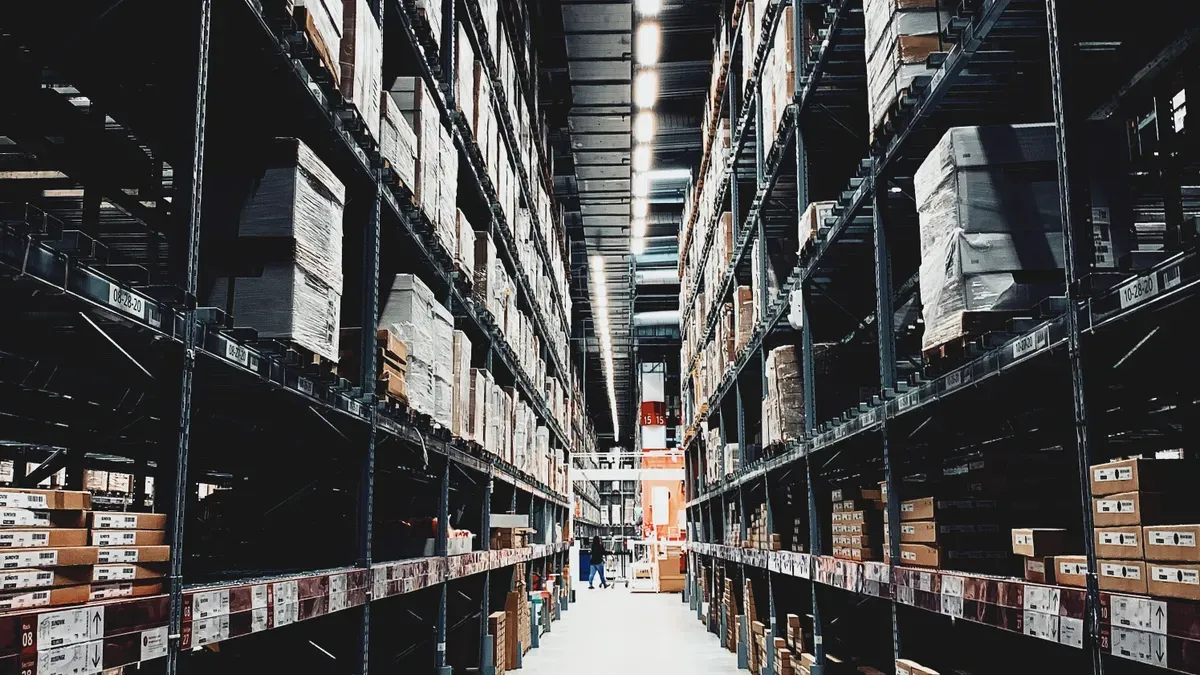
AI-powered unmanned warehouse solutions are changing how materials are collected and managed. They help companies stop using manual work and start using automation. The worldwide market for these solutions was USD 12.45 billion in 2024. It may grow to USD 100.13 billion by 2034. North America made USD 3.6 billion in revenue in 2023. This is about 43% of the market share. Logistics and transportation use these solutions the most. This shows that AI is important in warehouse operations.
Automation lowers the need for people to do tasks by using barcode scanning and RFID tagging. This makes inventory tracking and order processing faster.
Process Type | Error Rate (%) | Accuracy Rate (%) |
|---|---|---|
Manual Picking | 96.00 | |
Automated Systems | 0.04 | 99.96 - 99.99 |
AI-powered unmanned warehouse solutions help improve throughput, data accuracy, and customer service. AI changes warehouse management and makes operations quicker and more dependable.
Key Takeaways
AI-powered unmanned warehouses do tasks automatically. This reduces manual work and makes things faster.
AI tracks inventory in real time. This helps stop mistakes and makes orders more accurate. Orders get filled quicker.
Automation cuts costs a lot. Companies save money and work better.
AI makes warehouses safer with smart monitoring systems. It keeps people safe and protects important things.
Training workers to use AI is very important. It helps them get the most benefits and makes changes easier.
Traditional Warehouse Challenges
Manual Material Collection Issues
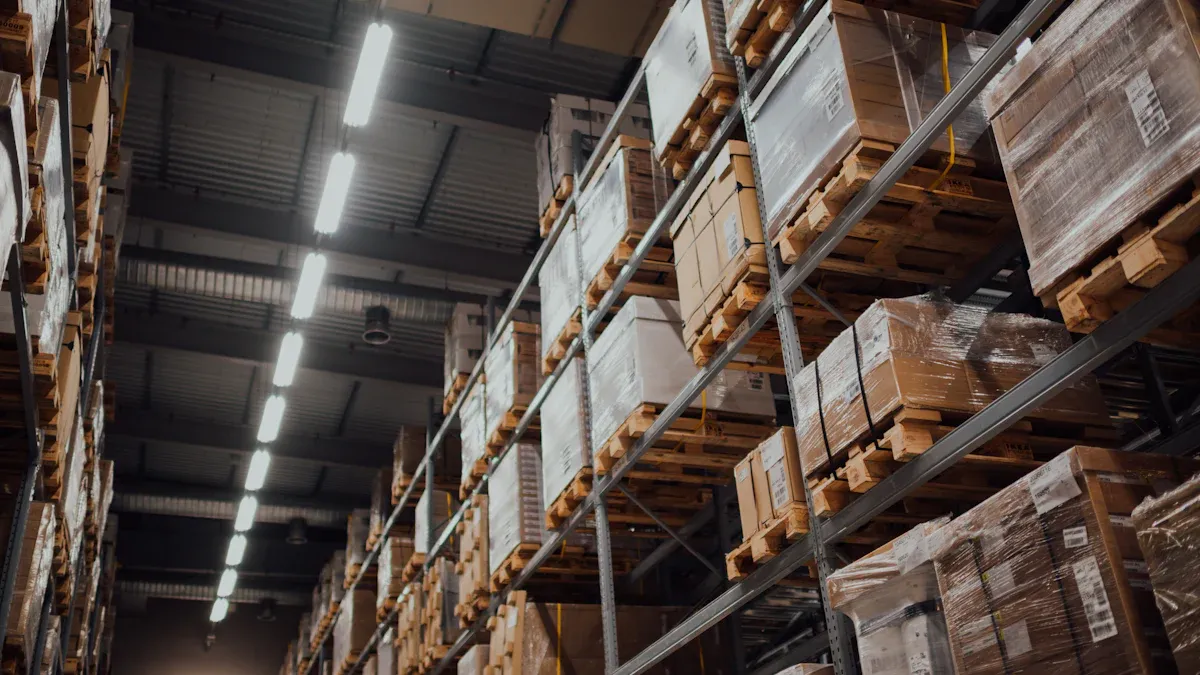
Traditional warehouses use a lot of manual work for collecting materials. Workers write things down by hand and count items without much planning. This makes mistakes more likely. They do not use location scanning or barcode systems. This slows things down and makes work less efficient. Items are stored in random places. This causes workers to pick the wrong items often. There is no set way to organize where things go. Not counting items often enough leads to wrong inventory numbers. Teams have to fix problems after they happen instead of stopping them first.
Using paper and writing everything down makes work slow and hard to grow bigger.
Many warehouses pay a lot for workers. In 2023, most third-party logistics providers saw labor costs go up. Even with higher costs, many still want to hire more people. Picking orders can be more than half of all costs. More than half of the time spent picking is just walking around the warehouse.
Aspect | Impact |
|---|---|
Labor Costs | One of the biggest costs in running a warehouse. |
Order Picking Costs | Can be up to 55% of all costs. |
Time Spent on Travel | Over half of picking time is spent walking. |
Inventory Management Limitations
Manual inventory systems have trouble keeping up today. Tracking items by hand in different systems causes mistakes and slows things down. Having up-to-date inventory data is very important, but counting once a year is not enough. When you cannot see where items are, it is hard to find them. This can delay shipments and cause mistakes.
Limitation | Description |
|---|---|
Inconsistent Tracking | Tracking by hand leads to mistakes and wasted time. |
You need real-time data; yearly counts do not work well. | |
Limited Visibility | Hard to find items means shipments can be late. |
Manual Documentation | Paper records do not work well for many locations. |
Supply Chain Complexity | Global supply chains make planning and tracking harder. |
When inventory numbers are wrong, you can have too much or too little stock. This makes managing inventory and filling orders harder. It also raises costs because of extra storage, wasted work, and slow picking and packing. Problems from outside, like global issues, can make warehouses even less efficient and hurt customer service.
AI-Powered Unmanned Warehouse Solutions
Authorized Access and AI Recognition
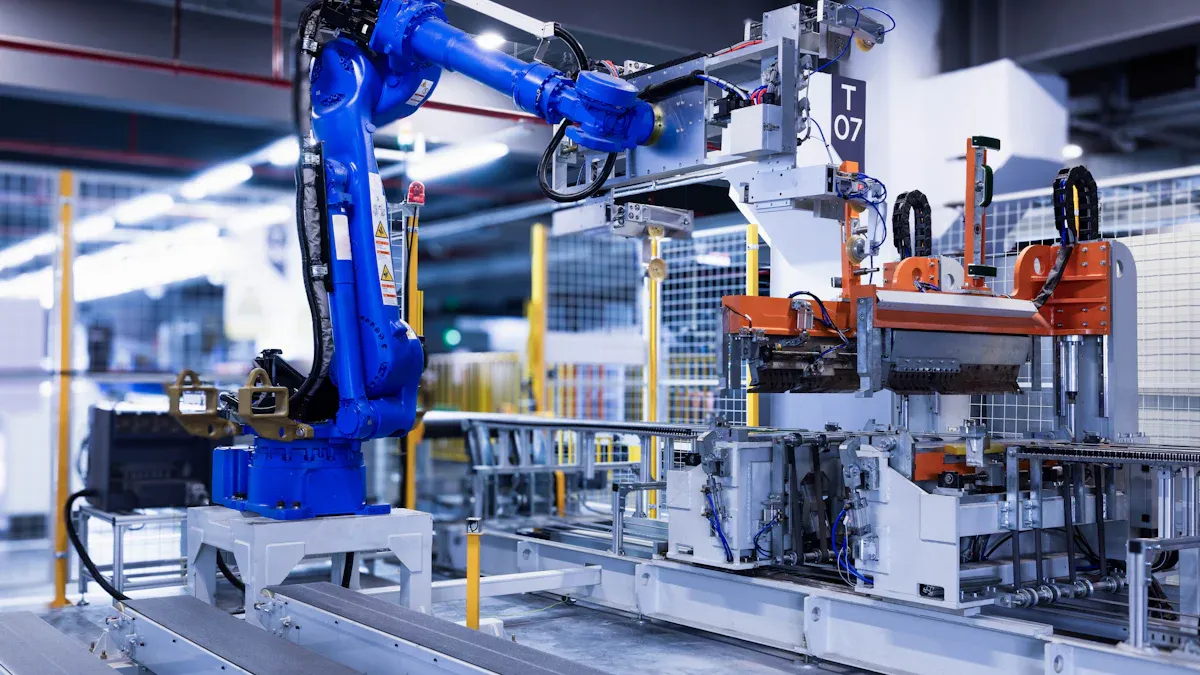
Modern warehouses use ai-powered unmanned warehouse solutions to keep materials safe. These systems use advanced technology like facial recognition and biometric authentication. Only people who are allowed can go inside. Facial recognition checks faces by looking at special features. Biometric authentication adds more safety by checking fingerprints or eyes.
AI-driven access control systems learn how people act and spot strange behavior. This helps keep the warehouse safe from new threats.
AI recognition systems watch the doors and look for people who should not be there. They also help control traffic and close security gaps. Cameras and access systems work together to watch all the time. Security robots and drones move around the warehouse. They check video right away and look for anything odd. These robots make it harder for thieves and keep important areas safe.
Some main parts of ai-powered unmanned warehouse solutions are:
Computer vision and sensors check quality, track inventory, and find dangers.
Autonomous robots like AMRs and AGVs move around and carry things.
Automated storage and retrieval systems store lots of items in small spaces.
AI-powered tools like voice-picking and wearables help workers do their jobs.
Robotic safety systems do dangerous jobs and stop accidents.
Smart navigation and sensors help robots move safely and avoid things.
All these technologies work together to make warehouses safe, fast, and fully automatic.
Real-Time Inventory Updates
AI-powered unmanned warehouse solutions change how inventory is managed. They give real-time updates. Machine learning and predictive analytics watch stock and guess what will be needed. The Internet of Things (IoT) connects objects so stock and movement are always checked. Computer vision helps with moving and counting items by scanning them right away.
Technology | Function |
|---|---|
Machine Learning | Watches stock and guesses what will be needed. |
Predictive Analytics | Looks at old and new data to guess demand. |
Internet of Things (IoT) | Connects objects for non-stop tracking of stock and movement. |
Computer Vision | Helps move and count items by scanning them in real time. |
Digital tracking like barcode scanning, QR codes, and RFID follows every item as it moves. Real-time tracking stops mistakes from writing things down by hand. This makes inventory numbers more correct by up to 25%, says a 2023 Supply Chain Digest study. In a 2021 Deloitte survey, over 40% said wrong data caused order problems. Real-time tracking fixes this by giving the right information right away.
Here is how an ai-powered unmanned warehouse works step by step:
Allowed people enter with a card or scan.
AI checks who they are and lets them in.
Robots pick up and move materials.
Inventory updates happen right away.
People leave without needing to check out or fill out papers.
Benefit | AI-Powered Solutions | Manual Methods |
|---|---|---|
Does many steps automatically | People do tasks by hand | |
Error Reduction | Makes fewer mistakes | More likely to have errors |
Real-Time Visibility | Shows inventory right away | Often does not update quickly |
Optimized Routing | Cuts down on extra walking | Routes are not efficient |
Predictive Maintenance | Fixes things before they break | Fixes things after they break |
Cost Savings | Saves money on work and transport | Costs more to run |
AI-powered automation means no more waiting in line or filling out forms. Orders are filled quickly, and every step is saved on the computer. Warehouse automation keeps inventory numbers right and easy to find. This way, less work is needed, everything is clear, and orders are sent out faster.
Robots use ai and machine learning to find the best paths and move goods fast. Ai-driven robots do boring or dangerous jobs, making work safer and better. Warehouse automation and ai-powered unmanned warehouse solutions make the supply chain smarter, safer, and more dependable.
Benefits of AI in Warehouse Management
Real-Time Visibility and Traceability
AI lets people see what is happening in the warehouse right now. Intelgic’s vision and analytics platform helps track inventory and watch how things move. It also helps with checking items when they come in, get picked, packed, or shipped. AI turns CCTV cameras into smart eyes that watch everything all the time. This helps teams see what is going on and makes it easier to manage inventory. It also means less work checking things by hand. AI-powered computer vision follows where items go and what happens on each rack. This makes people trust the inventory numbers more. Real-time tracking helps people know where shipments, containers, and pallets are and what shape they are in. AI can warn about port delays or problems with suppliers before they happen, so people can act fast.
Tracing works in a new way. It links what goes in to what comes out, and shows how things are connected. Companies that learn this can build better systems and understand what really happens. Traceability is not just about seeing more. It is about understanding things better.
Faster Access and Reduced Errors
AI helps warehouses work faster by guessing how many workers are needed and using resources better. Automated systems make jobs like picking and packing go quicker. AI gives a clear picture of inventory, so there are fewer mistakes. Robots and automated order systems find items fast, so orders get filled quickly.
AI can scan 50 items as quickly as one, making counting much faster.
AI finds the best ways to move things inside, so transport is quicker.
AI models help keep inventory right and stop picking mistakes, so jobs get done faster.
AI plans the best picking routes, so workers walk less and fill orders faster. Automated inspection checks for bad items, so only good things get shipped. AI learns from quality checks, so there are fewer mistakes in what gets sent out.
Lower Labor Dependency
AI does boring jobs like sorting, counting, and checking quality. This means companies do not need to hire as many people, even when it gets busy. AI helps workers do more, so warehouses can grow without hiring more staff.
AI cuts warehouse costs by making work easier. It does jobs like sorting and inventory, so there are fewer mistakes and less money spent on workers.
Using less labor can lower costs by 20-50% with smart methods. Automated Mobile Robots and Automated Guided Vehicles help move more items and make fewer mistakes. Good labor plans help warehouses work better and use less manual work, so costs go down. Companies with happy workers get more done and have fewer people missing work, so things run smoothly.
Benefit Type | Description |
|---|---|
Better at guessing what will be needed, so inventory is managed well. | |
Reduced Operational Costs | AI saves money by keeping the right amount of stock and not having too much. |
Enhanced Decision-Making | Smart analytics help people make quick, smart choices. |
Faster Fulfillment Services | AI makes orders more correct and faster, so deliveries are quicker. |
Improved Workplace Safety | AI watches for dangers, so accidents happen less and people are safer. |
Lower Holding Costs | Smart management means it costs less to keep inventory. |
Overcoming Challenges with AI
Implementation and Security
Companies have problems when they start using ai in warehouses. They must deal with hard technology, data privacy, and security risks. Many warehouses use old systems that do not work well with new ai tools. This makes it hard and expensive to connect everything. Data privacy and security worries are bigger in places like finance and healthcare.
Challenge | Description |
|---|---|
Data Privacy and Security | Worries about following rules for data safety, especially in finance and healthcare. |
Workforce Adoption | Workers may worry about losing jobs or not having the right skills for ai. |
Technical Complexity | Mixing ai with old systems is hard and costs a lot. It needs lots of IT work. |
ROI Realization | It is hard to show how much money ai saves, so spending is tough to explain. |
Companies buy better sensors and use machine learning to make things safer and faster. These tools help gather and study data, which is important for safety and working well. Training helps workers learn new ai systems and stay ready for new problems. As more companies use ai and robots, prices drop, so more people can use them.
Tip: Keep systems updated and use strong access controls to keep data safe and make the workplace safer.
User Adaptation
Workers need to learn new skills to use ai. Some worry about losing jobs or feel nervous about new tech. Companies can help by giving special training to managers, techs, and workers. Training can use virtual reality for safety, show how to watch inventory, and teach how to use robots for picking and packing.
Try a small test project to see if ai works well.
Watch things like order accuracy and system downtime.
Use feedback to make the system better before using it everywhere.
Give help and talk clearly to build trust.
These steps help teams get used to ai, make fewer mistakes, and work better. With good support, workers can use ai to make the warehouse safer and more productive.
The Future of AI in Warehouse Management
Evolving Roles and Workforce Impact
AI is changing how people work in warehouses. Now, workers use smart systems to help them. Machines do simple jobs like picking and packing orders. People watch over the work and solve problems. They also try to make things run better. Workers must learn new skills to keep their jobs. Training helps them use robots and learn tech skills.
Good training helps workers learn and keeps them safe when using warehouse automation.
Warehouse automation needs new skills. Many workers do not have these skills yet. Companies spend money to teach workers what they need to know. Some workers worry about losing their jobs or feel unsure about new machines. Managers help by teaching workers how to handle changes and by talking to them clearly.
AI changes jobs from doing simple tasks to thinking jobs.
Machines do careful work, and people make sure things go well.
Training teaches workers to think and work with machines.
Safety is still very important. AI systems watch for danger and warn workers. Employees learn how to use these systems to stay safe and work well. As more jobs use automation, workers change to fit new needs.
Trends in Inventory Management
AI and automation are changing how inventory is managed. IoT helps people watch items in real time and track them better. Robots and drones pick orders, count items, and check things from above. These tools help stop mistakes and make work faster.
Machine learning looks at old data to guess what will be needed. Computer vision checks products and helps robots move around. Predictive analytics helps guess how much stock is needed and finds slow spots.
Predictive analytics helps warehouses get ready for changes and keeps inventory at the right level.
Big companies make sure data is the same everywhere. They follow rules like GDPR to keep data safe. AI needs good data to work well. Companies check rules to make sure they do things right.
Robots and machines are now common in warehouses.
AI and predictive analytics help guess what will be needed and make work better.
IoT lets people watch and improve things as they happen.
Smart systems help move inventory and pick items in the best way. AI helps plan for both lean and backup stock, so warehouses are ready for anything. Supply chains can grow and change fast because they need to send orders quickly and work well.
The future of warehouse automation will be smarter, safer, and more efficient.
AI-powered unmanned warehouse solutions change how companies collect materials and manage inventory. These systems help orders get done faster and make storage better. They also help workers get more done each day. Companies spend less money and make fewer mistakes. AI shows what is happening right now and helps people make smart choices. It also keeps the warehouse safe. Many warehouses now fill orders well and make customers happier. As AI gets better, leaders should try these tools to help their warehouse stay ahead.
Work gets done faster with better storage and planning.
Companies save money because AI tracks inventory and needs fewer workers.
Teams use real-time data to make smarter decisions.
FAQ
What is an unmanned warehouse?
An unmanned warehouse uses ai and robots to do jobs. There are no people working inside. These systems pick, pack, and track inventory. They help companies work faster and make fewer mistakes.
How does ai improve warehouse security?
ai systems use cameras and sensors to watch for strange things. They check who comes in and who leaves. They tell managers if something is wrong. This keeps materials and data safe.
Can ai reduce warehouse costs?
Yes. ai lowers labor costs by doing simple jobs automatically. It also cuts mistakes in inventory and orders. This means fewer returns and less wasted time.
Is it hard to switch to an ai-powered warehouse?
Switching to ai-powered systems takes time. Companies must train workers and get new equipment. Many start with small tests before using ai everywhere. Good planning makes the change easier.
What happens if ai systems fail?
If ai systems stop working, backup plans keep things going. Managers can use manual controls until repairs are done. Regular checks and updates stop most problems.
See Also
The Future of Retail Lies in AI-Driven Stores
Revolutionizing Online Store Management with AI Tools
Essential Insights on AI-Enhanced Corner Stores for Retailers
Modern Retail Benefits from AI-Enhanced Combo Vending Machines
