Reducing Retail Labor Costs with AI Powered Workforce Planning


You can use AI-powered workforce planning to help your store work better and save money, particularly in reducing retail labor costs. AI scheduling tools can cut overtime by up to 28%, which significantly contributes to lowering expenses. They also make weekly scheduling much faster, reducing the time from eight hours to just ninety minutes. Many retailers see big changes in how they use their workers and spend less on labor. The table below shows how AI helps in reducing retail labor costs:
Description | Impact |
|---|---|
AI-driven platform reduces labor costs | |
AI scheduling improves workforce utilization | 10–20% improvement |
Scheduling time drops | Up to 80% reduction |
You get quick and clear results when you take smart steps and focus on real-world goals.
Key Takeaways
AI scheduling tools can cut overtime by 28%. This helps you save money on labor costs.
Automating boring tasks lets managers help customers more. This makes the store work better.
Predictive scheduling tools match workers to customer needs. You always have the right number of workers.
Using AI with your current systems makes things run smoother. It also helps you make better choices in your store.
Checking how well AI tools work with pilot programs is important. This helps you see how they change labor costs and store performance.
AI’s Role in Reducing Retail Labor Costs

Optimized Scheduling
AI can help make better work schedules for your store. These tools check sales numbers, busy times, and local events. They help you put the right number of workers on each shift. You do not pay for extra workers when you do not need them. You also do not have too few workers when the store is busy.
Tip: AI scheduling helps lower overtime and fill shifts. Pyramid Foods cut overtime by 72%. Woods Supermarket cut overtime by 68%.
Here is how some stores use AI for scheduling:
Retailer Type | AI Application | Measurable Outcome |
|---|---|---|
National Retail Chain | AI-driven scheduling uses sales data and busy hour checks | Labor costs dropped by 10% in one quarter; happier customers; better staffing. |
Midwest Family-Owned Hardware | AI tool matches schedules with local events | Cut extra labor hours by 15%; kept good service; suggested cross-training. |
You can see that better scheduling is important for reducing retail labor costs. It helps you use your team well and keeps customers happy.
Automating Repetitive Tasks
AI can do many simple jobs that take up managers’ time. For example, AI-powered tools can set up shifts, track who comes to work, and check how workers are doing. This lets managers help customers and grow the business.
AI-powered scheduling software makes smart schedules using old data and worker likes.
Automation tools handle shift setup, attendance, and reviews.
AI also helps with customer service. Chatbots answer common questions fast. This lets workers focus on bigger jobs. Many stores save up to 40% by using automation for these tasks.
Here are some good things about automating simple jobs:
Benefit | Description |
|---|---|
Robots clean and check inventory, so less manual work is needed. | |
Increased Operational Efficiency | Stores can move workers to more important jobs, making work better. |
Cost Reduction | Cuts costs from manual work and mistakes that break equipment. |
By automating simple jobs, you make a big move to reduce retail labor costs.
Predicting Customer Demand
AI can help you know when your store will be busy. It looks at old sales, how many people come in, and local events. With this, you can plan how many workers you need each day.
Walmart uses AI to schedule workers at busy times. This stops having too many or too few workers.
AI tools update their guesses as they get new data. This means you always have the right number of workers.
AI-driven forecasting tools use sales and traffic to guess how many workers you need. They make sure you have enough workers when it is busy and fewer when it is slow. This stops having too many or too few workers, saves money, and gives better service.
Note: AI-powered labor planning uses lots of data to make good schedules. AI gives you exact guesses that change with the market.
By predicting customer demand, you can make better choices and keep lowering retail labor costs.
Traditional Workforce Challenges
Manual Scheduling Issues
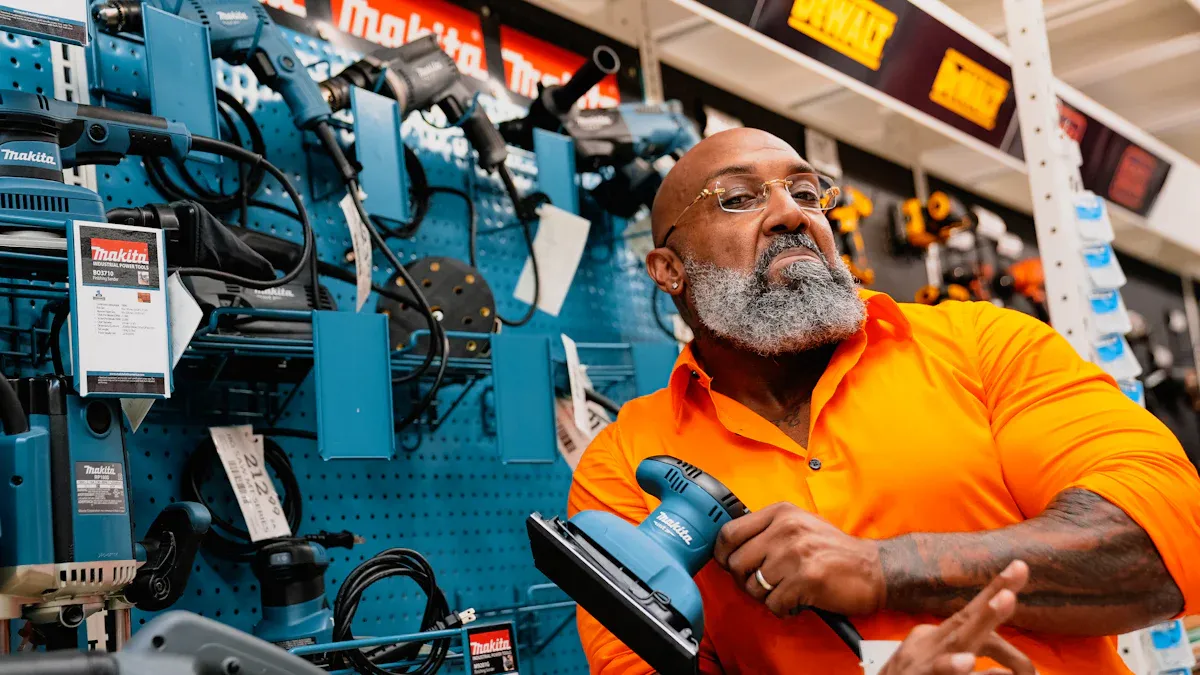
Manual scheduling causes many problems in your store. You spend lots of time making and changing schedules. Every change means you must print, send, or call your workers. Workers often call to ask about their shifts. You collect scheduling details by hand, which takes hours. Mistakes happen often and can cause payroll problems. These errors may lead to extra overtime costs. Sometimes, you schedule too many workers and pay more than needed. Other times, you schedule too few and risk legal trouble or upset workers. Manual scheduling also brings compliance risks. You may get penalties if you misunderstand labor rules. Administrative tasks take time away from important work. As your store grows, these problems get bigger and cost more.
Tip: Manual scheduling uses up resources and leads to hidden costs. You can save time and money by using smarter tools.
Overstaffing and Understaffing
It is hard to find the right number of workers for each shift. Overstaffing wastes money and lowers profits. Research shows that better staffing can raise revenue by 4.5% and add millions in profit each year. Even small mistakes in staffing can cost your store thousands. Understaffing makes workers stressed and hurts customer service. Many retail workers have more than one job because their hours are not steady. This shows how staffing mistakes affect your team and your profits.
Overstaffing wastes labor costs.
Understaffing makes customers unhappy and workers tired.
Inconsistent hours cause financial insecurity for your staff.
Limited Demand Forecasting
Traditional workforce planning uses old sales data. This method does not predict changes from weather, local events, or market shifts. You often guess busy times instead of using exact predictions. This leads to staffing mistakes. On busy days, you make staff work longer hours or hire temporary workers. On slow days, you waste money on extra staff. The table below shows how limited forecasting affects labor costs:
Scenario | Impact on Labor Costs |
|---|---|
Peak Days | Longer hours, overwork, need for temporary staff |
Quieter Days | Wasted capacity, inefficiency |
You can improve scheduling and start reducing retail labor costs by using better forecasting tools. Accurate predictions help you match staffing to real customer activity.
Key AI Solutions for Retail
Predictive Scheduling Tools
You can use predictive scheduling tools to make better shift plans. These tools use AI to check sales data, foot traffic, and loyalty programs. They help you change staffing right away when more customers come in. This saves money and makes workers happier. AI-driven tools look at old data and traffic patterns. They make shift plans that fit your store. You do not have too many or too few workers. Your team gets schedules they can count on, so they feel less tired.
AI-powered scheduling helps you plan ahead. You can guess labor needs days or weeks before. This makes work smoother and helps you lower retail labor costs.
Key features of predictive scheduling tools:
Look at sales and how many people come in.
Change shifts when more or fewer people shop.
Use loyalty data to make better guesses.
Automated Task Allocation
AI helps you give jobs to workers fast. You save time by letting AI do simple jobs like making schedules and tracking attendance. AI checks who is free, what skills they have, and labor rules. You get the best worker for each job. This helps your store work better and faster.
Benefits of automated task allocation:
Puts workers on jobs that match their skills.
Handles shift swaps and time-off requests.
Makes fewer mistakes and saves time.
Task Type | AI Solution Benefit |
|---|---|
Shift Assignment | Faster, more accurate |
Attendance Tracking | Fewer mistakes |
Task Distribution | Improved productivity |
Real-Time Analytics
You can use real-time analytics to make smart choices. AI uses strong math and lots of store data. It helps you know how many workers you need. You do not have too many or too few workers. Real-time analytics match workers to busy or slow times. You make better shift plans and help customers faster.
Real-time analytics show you what is happening right now. You can act fast and keep your store running well.
How real-time analytics improve outcomes:
Make sure you have enough workers for busy and slow times.
Help workers do more and serve customers better.
Use data to make choices that lower retail labor costs.
Implementation and Best Practices
Integration with Existing Systems
You need to link AI tools to your store’s systems. Many stores have old software and scattered data. These problems can make decisions slow and cause errors. You can fix this by using one real-time data system. This system shows all your info in one place. It helps you change plans quickly. When you add AI scheduling, your team works better together. Your store can react faster when it gets busy.
Retail Example | AI Application | Outcome |
|---|---|---|
Grocery Chain | AI scheduling | Reduced wait times by 30%, happier customers |
Walmart | Sales forecasting | Less overstaffing, better profits |
Rapid Innovation | Real-time scheduling | Faster adaptation, improved efficiency |
Data Privacy and Security
You must keep your workers’ data safe when using AI. Many stores worry about leaks and following rules like GDPR. You can protect data with strong passwords and encryption. Regular security checks help keep data safe. Teaching your team about privacy builds trust. It helps everyone follow the rules. Only the right people should see private information.
Tip: Regular checks and clear privacy rules help you avoid fines and keep your team’s trust.
Measuring ROI
You want to see if your AI tools are helpful. Start with a pilot program to test new ideas. This lets you check how well things work without spending too much. You can set goals and see if the tools fit your needs. Pilot programs help you check results and make changes before using them everywhere.
Pilot programs help you see AI’s value and improve plans.
You can check ROI, performance, and rules without big risks.
Set clear goals and steps to match your business needs.
By using these best practices, you move closer to reducing retail labor costs and building a stronger team.
You get lots of benefits from using AI-powered workforce planning. It helps your team work better and feel happier. You also get fair schedules for everyone. You can take simple steps to make things better. Try matching jobs to how long they take. Make sure workers do jobs that fit their skills. Put your best sellers on the floor when the store is busy. These steps help you spend less on labor costs.
Keep checking how things are going and change your plan if needed. This helps you stay ahead and keep getting better results.
FAQ
How does AI scheduling help reduce labor costs?
AI scheduling checks sales and busy times. You get the right number of workers for each shift. This lowers overtime and cuts extra labor hours. You save money and keep your team happy.
Is it hard to add AI tools to my store’s systems?
You can connect AI tools to most store systems. Many platforms work with old software. Start with a pilot program. Test results before using AI everywhere.
Will AI replace my workers?
AI does not replace your workers. It helps them do their jobs better. You can move workers to important tasks. AI handles simple jobs like scheduling and tracking.
How do I keep worker data safe with AI?
You protect worker data by using strong passwords and encryption. Teach your team about privacy rules. Only let trusted people see private information.
What results can I expect from AI workforce planning?
You can expect lower labor costs, faster scheduling, and better customer service. Many stores see up to 20% savings. You get fair schedules and happier workers.
See Also
AI Tools Revolutionizing How Online Stores Are Managed
The Future Belongs To AI-Driven Retail Stores
What Retailers Should Know About AI-Driven Corner Stores
Steps To Launch An AI-Driven Store On A Budget
Modern Retail Benefits From AI-Driven Combo Vending Machines
