How AI Supply Room Tracking Helps Food Manufacturers Cut Cumulative Material Losses

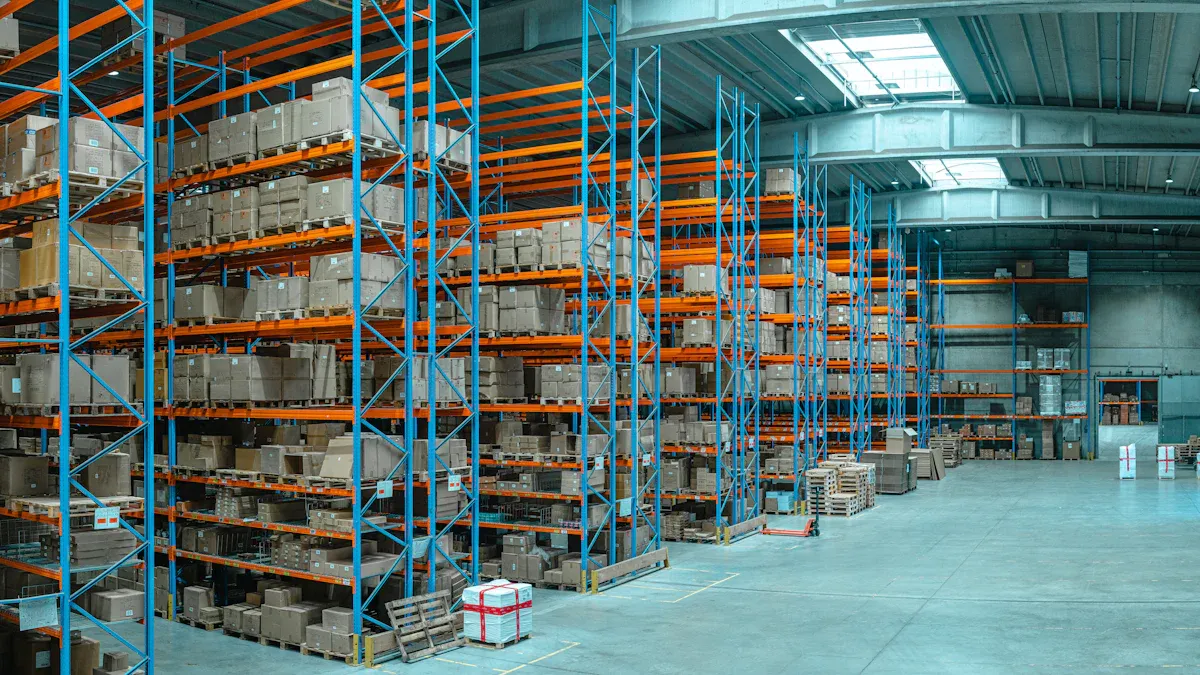
Manual inventory tracking secretly drains money from modern factories. Employees often grab boxes, soap, and everyday tools without writing them down. These small missing items add up to huge yearly expenses for companies. Smart supply room tracking stops this constant waste completely. New cameras and sensors take the place of messy paper records. These robotic systems track every tool automatically without slowing down busy workers. Factory managers use this technology to see their full inventory clearly. Using smart tools keeps essential equipment safe and saves company profits. Accurate sensors stop inventory theft right away. Modern AI supply room tracking makes daily factory work easier while reducing yearly supply waste by more than 30 percent.
Key Takeaways
Smart AI cameras track supply items automatically to cut yearly material waste by more than 30 percent.
Automated tracking updates main computer files right away, creating 99.5 percent inventory accuracy during every shift.
Smart computer programs track item amounts all the time to stop shortages and quickly tell you when to buy more.
Hands-free face scanners lock supply room doors to stop germ spread and keep food safe.
Addressing Material Loss with AI in Manufacturing
Causes of Supply Room Micro-Losses
Food plants move thousands of items through busy work areas daily. Workers often take boxes, tools, and cleaning items without logging them. These untracked actions cause quiet stock losses across the entire facility. Paper logs work fine for tiny shops. However, hand tracking quickly breaks down as inventory size grows.
Simple human typing errors constantly mess up factory stock records. Employees make easy typos, flip numbers around, or fill out incorrect forms. Rushed workers substitute quick guesses for exact counts during busy work shifts. Staff members then order new supplies using simple guesses instead of real numbers. These missing records create big hidden spots across active production lines.
Cost Impact on Food Production
Small untracked losses build up over time into huge financial damage. A few missing items can easily ruin total stock control. Plant leaders run out of essential packaging or daily supplies unexpectedly. As a result, teams must pause production lines to search for missing parts. These sudden work stops hurt overall output across the entire factory.
Adding smart technology helps food companies save money and regain full stock control. Advanced ai in manufacturing stops human mistakes by tracking every item automatically. New systems connect actual supply usage right to main buying software. This link provides live tracking, correct usage trends, and quick low-stock warnings. Food makers use ai in manufacturing to stop supply waste, boost green practices, and safeguard company earnings. Using ai in manufacturing changes old supply rooms into modern, automated inventory control hubs.
How AI Supply Room Tracking Eliminates Waste
Frictionless Access with AI Vision
Modern facilities install smart doorways to secure valuable line-side consumables. Employees enter the supply room through hands-free biometric authorization systems. Facial access systems check worker credentials automatically without physical touch points. This contact-free method stops surface contamination and protects food safety standards across high-volume plants. Advanced cameras verify employee identities instantly while checking for physical liveness. Smart systems prevent unauthorized access using printed photos or mobile phone screens. Plant engineers configure complete door assemblies with electric locks, backup credentials, and door-position sensors.
Requirement | Source evidence | Application to industrial food manufacturing supply rooms |
|---|---|---|
Hands-free/no-contact entry | Facial access is highlighted for food-handling environments because users do not need to touch a shared reader. | Reduces surface contamination and supports hygiene in supply rooms where food is stored or handled. |
Complete system design | A complete system includes camera/reader, enrollment tools, management software, controller, electric locking hardware, door-position sensors, power, network, emergency-exit design, and a secure fallback credential. | Supply-room security plans must include access-control infrastructure beyond the facial reader. |
Liveness and anti-spoofing | Liveness detection can resist photo, video, and mask attacks, but no product should be considered impossible to fool; test against printed photos, phone screens, video replays, masks, and other spoof attempts. | Prevents unauthorized entry using photos or videos in high-security food storage areas. |
Privacy and compliance | Before installation, define what facial data is collected, where it is stored, who can access it, and when it is deleted; follow applicable biometric laws such as Illinois BIPA, Washington's biometric identifier law, and FTC guidance. | Food manufacturers must document employee consent, retention, and deletion practices for biometric access. |
Environmental robustness | Accuracy can weaken due to backlighting, shadows, glare, incorrect camera angles, poor focus, low-quality enrollment images, face coverings, or dirty lenses. | Food manufacturing areas may have challenging lighting, PPE, masks, or dust, requiring on-site environmental testing. |
Secure backup access | Keep a secure backup option for outages, failed matches, and users who cannot enroll. | Ensures supply-room access remains available and auditable during facial recognition failures. |
Real-world testing | Test the complete doorway rather than camera specs alone; review false-acceptance and false-rejection performance under site-like conditions and run a pilot with representative users at different times of day. | Confirms the biometric system works reliably at actual food-manufacturing entrances before full deployment. |
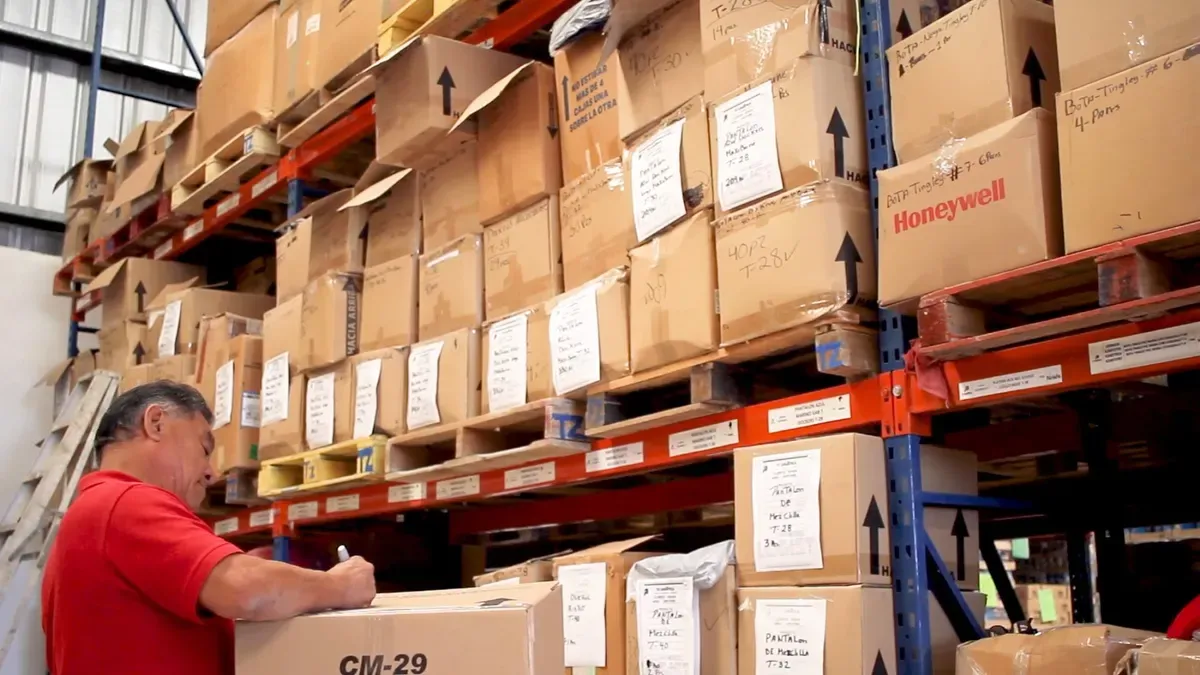
Inside the room, intelligent camera networks watch every storage shelf continuously. Multi-sensor arrays record product movements instantly when staff grab production materials. Workers retrieve critical packaging, sanitizers, or maintenance spare parts freely. High-speed ai vision algorithms identify picked items without manual scanning procedures. Workers exit the room within seconds and return to work immediately. Modern ai supply room tracking reduces material waste while maintaining peak operational efficiency.
Real-Time ERP System Synchronization
Autonomous tracking platforms link physical inventory movements directly to enterprise software. Systems update central databases the instant an employee removes an item. Immediate digital logging eliminates human typing errors and manual paper forms completely. Operations leadership gains real-time insights into line-side stock levels across every shift. Complete line-side visibility stops material hoarding and prevents production line stoppages.
Automated software records item consumption trends instantly across departments. Factory managers utilize live data stream connections for process optimization and reliable demand forecasting. The platform generates instant reorder alerts when stock drops below designated thresholds. Intelligent inventory control increases overall labor productivity by removing administrative tasks. Automated supply rooms eliminate material waste, improve daily plant automation, and transform manufacturing operations completely. Implementing accurate ai supply room tracking protects company resources and delivers reliable control across busy factory floor settings.
Strategic Impact of AI on Plant Operations
Cutting Annual Material Losses by 30 Percent
Food processing plants lose valuable packaging supplies, tools, and maintenance items every single day. Modern food companies use smart tracking tools to guard profit margins and lower overall production costs. Installing automated tracking changes material monitoring across busy plant work areas. Autonomous tracking stops unrecorded usage, prevents stock hoarding, and ends growing material waste completely.
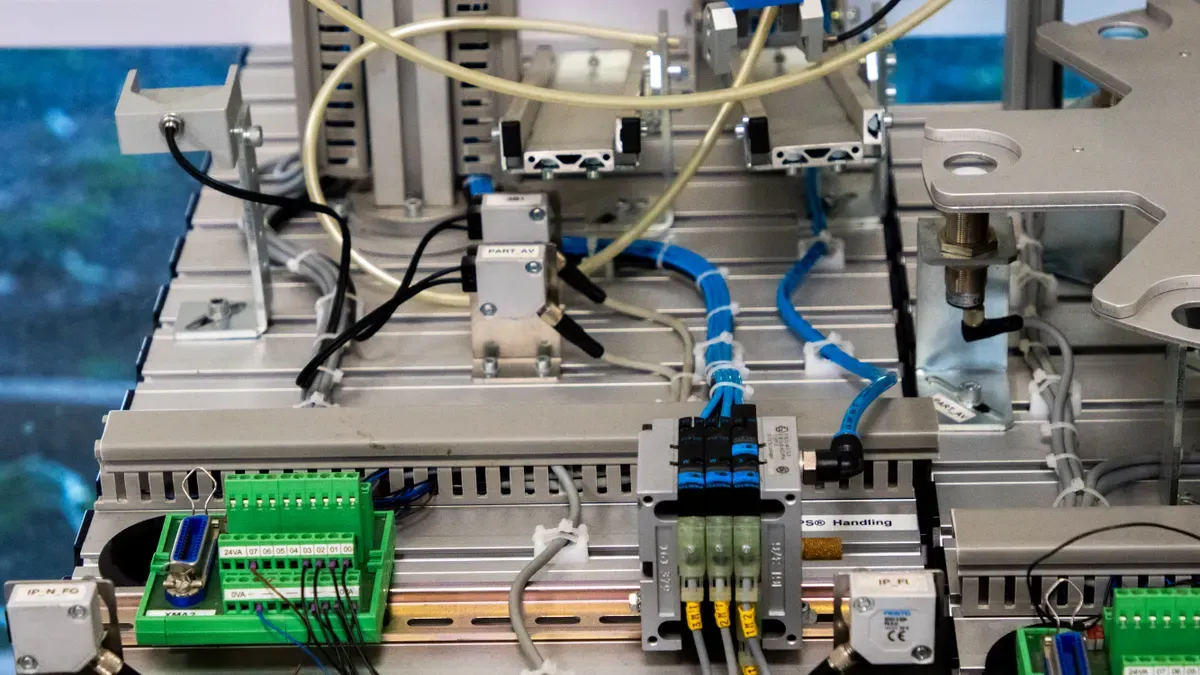
Cloudpick, the AI-powered autonomous supply room provider, states that food manufacturers using AI supply room tracking achieve more than 30% reduction in annual material loss in practical deployments.
Exact stock visibility supports green operations across high-volume food processing plants. Automated material tracking strengthens long-term plant efficiency while stopping stock imbalances. Enterprise leaders rely on ai in manufacturing to erase extra scrap, lower item damage, and improve daily resource usage.
Building Intelligent Control Centers
Autonomous supply storage hubs turn passive supply closets into active operational control centers. Plant managers get live updates on line-side item usage across all active work shifts. Modern system automation handles routine logging without manual stock counts or slow paper logs. Operations teams use supply chain optimization to increase uptime and boost output across fast production lines.
Smart software improves broader supply chain performance through steady predictive analysis. Past usage trends power reliable demand forecasting tools during changing seasonal schedules. Advanced smart algorithms calculate correct order points automatically to guarantee steady material supplies without overstocking issues.
Metric | Reported value | Relevance to query |
|---|---|---|
Stockout reduction | 40% fewer stockouts | Directly supports stockout reduction impact. |
Inventory accuracy | 99.5% | Supports automated reordering accuracy through reliable real-time stock data. |
Reordering method | AI-driven reordering | Shows the AI-based ordering mechanism relevant to automated reordering. |
Food/beverage applicability | FIFO/FEFO enforcement, allergen tracking, ingredient tracing | Demonstrates fit for food plant inventory management. |
Integrated ai systems boost total facility efficiency. Production leaders use targeted ai in manufacturing solutions to stop expensive stockouts and simplify stock refills. Autonomous control centers allow modern food plants to keep full inventory visibility and reliable daily control.
Modern food plants move from slow stock checks to an automatic tracking setup. Smart factory tech swaps hand logging for fast computer vision monitoring. This clever system tracks every single line-side item continuously. Food plants end supply waste while smoothing out daily inventory steps across busy work shifts. Setting up real AI tracking cuts yearly material losses by more than 30 percent. Factory leaders lower running costs and hit green targets at the same time. Automatic watching protects important profits through live data updates. Food plant managers should upgrade busy supply rooms now to guarantee long-term success across competitive industries.
FAQ
How does automated supply room tracking reduce material losses?
Smart computer vision setups check stock moves all day without hand logging. Self-running systems log taken goods right away, stopping small unrecorded losses. Real-world tests show food plants cut yearly material waste by over 30 percent using these tools.
What inventory accuracy do AI systems achieve?
Modern stock tools reach 99.5 percent inventory accuracy using multi-sensor arrays and sharp cameras. Automatic sensors track picked items live as they happen. This instant logging deletes human entry errors while updating main system files during every shift.
How does AI in manufacturing streamline stock reordering?
Using ai in manufacturing connects supply spaces straight to main business tools. Smart computer codes check usage patterns around the clock. System software sends instant reorder notices when stock falls low, cutting total stockouts by 40 percent.
How do smart supply rooms protect food safety?
Hands-free face scanners remove physical contact spots at supply room doors. Touch-free entry stops germs on surfaces near active food production lines. Automated hardware keeps rooms safe while supporting strict health rules inside food processing plants.
See Also
Boost Small Office Employee Output Using Advanced Smart Vending Solutions
How Cloudpick Automated Vending Systems Drive Healthy Workplace Snacking Habits
Longview Testing Services Transforms Access To Essential Harm Reduction Tools
Smart Fridge Vending Technologies Are Transforming Around The Clock Nutrition
Understanding Vending Machine Costs Features Models And Return On Investment
