Three Passenger Data Threats In Airport Retail AI Systems That Demand Proactive Defenses


Using airport retail AI creates big privacy risks for travelers. Modern busy airports need strong, immediate safety plans. Fast AI growth changes how airports run quite well. Today, 61 percent of shoppers worry about face-scanning identity systems. Travelers always wonder if their physical data is safe in crowded hubs. Three main dangers hurt modern airports: leaked face data, secret tracking of travel habits, and ruined computer models. Early protection keeps a company's good name safe. Stores need strict access rules, automatic data deleting, and regular tech checks. These strong defenses meet tough privacy laws in airports worldwide. They protect digital identities while keeping travel easy inside store terminals.
Key Takeaways
Airport stores using AI systems face privacy risks like stolen facial data, secret tracking, and ruined software models.
Local scanners use strict protection rules to handle face-scans safely and stop central system break-ins.
Automatic data deletion removes travel history records right after flights leave to keep passenger information safe.
Frequent system checks clean incoming information and block hackers from corrupting retail suggestion tools.
Biometrics Threats In Airport Retail AI

Exploitation Of Facial Identification Pay
Facial recognition kiosks capture physical characteristics and live behavioral signals inside store terminals. Modern airport retail ai systems process these facial templates to approve instant payments. NEC deployed a facial payment-linked identity verification system at Dubai International Airport in 2024. This system integrates travel identity, shopping, and transit into one profile. Meanwhile, the Asia-Pacific region accounted for over 60 percent of global face-swiping payment deployments in 2024. Many major airports rapidly adopt these convenient payment tools.
Unmonitored systems create significant vulnerabilities across retail databases. Cybercriminals target centralized stores of passenger data because compromised biometric patterns cannot change like passwords. Attackers exploit multiple technical flaws in terminal software:
Poor lighting, makeup, or facial masks can cause system errors that block real buyers.
Weak backup security using simple phone numbers lets imposters easily steal user accounts.
Payment screens hide key transaction details along with the maximum allowed money limits.
Securing Biometric Systems At Edge
Retailers protect biometric systems through strict zero-trust architecture. This security framework treats identity as the primary defense boundary across modern airports. Smart edge devices process facial biometrics locally on trusted hardware rather than central servers. Local processing keeps biometrics isolated, while robust encryption safeguards sensitive records during transmission. Modern airports reduce breach risks significantly by enforcing continuous authentication for every system request.
Isolating template storage stops unauthorized movement across commercial networks. Strong zero-trust controls grant minimum access rights to automated ai agents inside airports. Advanced biometric identity management protects digital identity records from unauthorized enterprise exposure. This defense strategy stabilizes airport operations while preserving digital identity across global transit hubs.
Unlawful Tracking In Retail Analytics
Profiling Via Aggregated Travel Logs
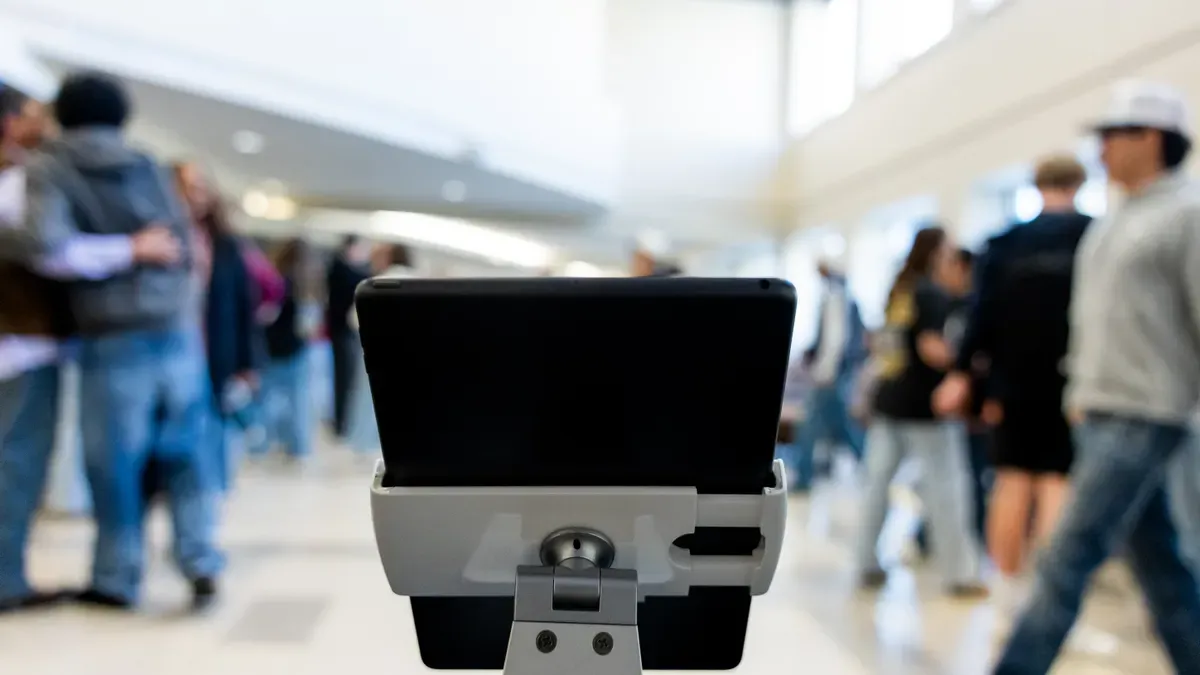
Modern AI systems gather operational records, flight updates, and Wi-Fi signals inside busy hubs. Store owners combine these live signals with flight data to track traveler actions near shops. The software creates detailed personal profiles by checking buying habits along with movement paths.
These tracking tools merge different data sources to follow buyer paths. The chart below shows the main inputs used for terminal sales:
Evidence Category | Supporting Detail | Relevance to Query |
|---|---|---|
Primary Data Source | Information from ticket bookings made by agents and directly through airlines | Shows the core data gathered to create complete passenger profiles. |
Retail-Specific Application | Country-based traffic report built for airport stores | Explains passenger shopping habits by nationality and store location. |
Unwatched tracking creates major privacy risks inside busy airports. Keeping gathered travel files for too long reveals secret personal details to unsafe actors. Holding traveler movement history beyond initial purchases leads to improper corporate spying and law violations. Today's airports must shield every digital identity from unlawful business tracking across shop networks.
Data Minimization And Automatic Purging
Shops use strict data minimization rules to lower cyber dangers. Keeping fewer stored files reduces the overall target area across airport databases. This smart approach improves safety while protecting traveler trust inside global airports.
Automatic cleaning schedules erase private files right after flights take off. Protection pipelines remove personal identity details from store logs, saving simple stats for airport use. This method cuts technology costs while stopping internal data abuse.
Data minimization plays a pivotal role in reducing the risk of data breaches. By limiting the amount of data collected and retained, organizations minimize their attack surface, thereby reducing the potential impact of cybersecurity incidents.
Following clear deletion rules guarantees ongoing compliance with law. A safe, data-smart system matches custom shopping with strong privacy protections inside modern hubs. Airport retail AI setups protect operational safety using disciplined data rules across global hubs.
Algorithmic Poisoning In AI Systems
Manipulation Of Personalization Engines
Bad actors add fake information into learning files to trick shopping recommendation tools on store networks. This sneaky attack targets smart computer programs while they gather everyday information. School research shows an exact point where bad inputs ruin the entire software's accuracy. Systems suffer sudden performance crashes when bad data passes that tipping point. Broken computer math misreads buyer choices and approves wrong store actions in airport shops.
The resulting trouble causes major daily problems and lost money for airport stores. Tricked suggestion software lowers shop sales and makes completely incorrect buying choices.
Impact Category | Description |
|---|---|
Degraded Model Performance & Flawed Decisions | Bad learning files make smart computer models pick wrong choices, causing broken credit scores and missed safety checks. |
Increased Operational & Compliance Risk | Wrong computer answers can leak private details and break strict business laws, creating huge fines and bad publicity. |
Reputational Damage & Loss of Trust | Growing danger from broken models hurts store partner relationships and destroys shopper trust, damaging long-term business survival. |
Hackers use ruined computer answers to change price tools and trick fraud scanners. Hidden payment mistakes cause direct money loss through reversed store charges. Weak shop programs ruin passenger digital identity checks and destroy store trust in huge terminals.
Robust Auditing And Input Validation
Strong technical checks protect computer networks from dangerous fake information attacks. Tech groups use input checks to clean incoming info streams before retraining smart software. Tough filtering steps block strange actions and stop bad files from changing normal guesses. Nonstop watching software keeps airport work safe from quiet long-term math attacks across busy shops.
Outside safety reviews give key protection against tricky computer system attacks:
Outside safety groups inspect system builds to find hidden software weaknesses.
Independent experts offer smart fixes to make models stronger against fake data attacks.
Constant attack testing builds a full shield along with automatic file cleaning tools.
Alignment checks work as a main safety test after training finishes. Groups test model actions using saved dataset files. This checking step finds and deletes harmful data attacks quickly.
Privacy laws like GDPR can delay shared safety checks across global travel hubs. Busy airports should require basic safety tests from all shop software companies. Good check controls protect info correctness and maintain safe operations in busy airports. Smart checking steps protect automated store work while keeping passenger faith strong. Modern airport retail AI networks keep strong security using early safety checks on connected airport systems.
Airport retail ai deployment exposes passenger systems to three critical threat vectors: compromised facial templates, illicit travel log profiling, and poisoned algorithm inputs. These vulnerabilities directly endanger traveler data across modern hubs.
Zero-trust edge computing isolates sensitive facial templates locally.
Automated data destruction schedules erase residual tracking logs permanently.
Continuous algorithmic auditing detects corrupted training models early.
Modern airports must combine these technical defenses to protect digital identity records. Strict security controls maintain smooth airport operations and preserve traveler identity trust. Ultimately, proactive cybersecurity remains an essential prerequisite for regulatory compliance and business growth in modern airports worldwide.
FAQ
How Do Edge Devices Protect Passenger Biometric Templates?
Local shop computers handle face scans right on their own safe hardware. These setups turn physical pictures into scrambled math codes instantly. Processing data right here keeps information off main servers. Stolen server lists cannot happen because the physical machines keep private details separate.
Why Does Data Minimization Matter In Airport Retail AI Systems?
Saving less info keeps collected traveler details strictly down to needed store purchases. Erasing flight records and location paths fast cuts down overall saved files. Keeping fewer files offers fewer targets for online hackers across terminal systems. This smart plan keeps traveler details safe and lowers damage from stolen files.
What Is Algorithmic Poisoning In Retail Shopping AI?
Cybercriminals put bad files into smart computer programs while training software. These corrupt entries fool product suggestions and price tools inside store databases. Such trickery leads to mistaken sales, missing money, and broken safety checks inside crowded airport buildings.
See Also
Essential Insights For Retailers Adapting To Smart Neighborhood Markets
Understanding How Artificial Intelligence Is Shaping Next Generation Shopping Spaces
Analyzing Retail Benefits And Obstacles In Walgreens Automated Registers
Revolutionizing Virtual Merchant Operations Through Modern Artificial Intelligence Software
Key Updates Surrounding Walmart Automated Lanes Coming In 2025
