Using Modern API Design Patterns for Retail AI Platforms in 2026

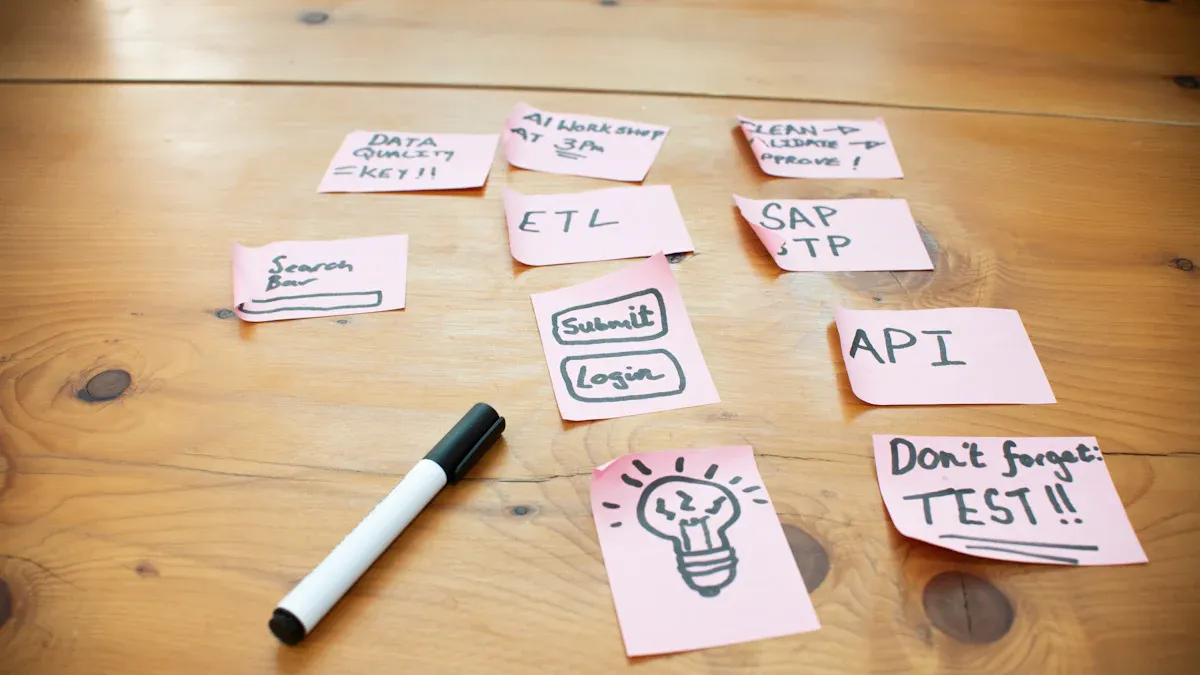
By 2026, you will face a big tech challenge. You must connect old retail services with independent AI tools and fast AI engines. Modern retail AI platforms need updated API communication styles to give users real-time AI experiences.
Protocol | Primary Use Case in Retail |
|---|---|
gRPC | Low-latency point-to-point inference |
AsyncAPI | Telemetry and event streaming |
GraphQL | Unified customer data fetching |
MCP | Agentic AI reasoning |
Strong API management helps you build tough connections. These connections spread out real-time AI tasks across stock tracking, changing prices, and camera vision. By using these styles, your business gets better personal shopping, automatic sales predictions, and accurate customer data through flexible AI tools. Smart resource management keeps your retail AI platforms safe during busy times.
Key Takeaways
gRPC technology makes fast price changes happen quicker during busy sales times.
Event streaming follows real-time shopper clicks to provide quick item suggestions.
Model Context Protocol helps AI bots safely check stock and orders.
Token-aware safety gateways protect secret store information and prevent server crashes.
Dynamic Pricing and AI Personalization Engines

Low-Latency gRPC Patterns for Real-Time Inference
Dynamic pricing demands fast communication. Old REST tools send heavy JSON files over basic connections. Instead, gRPC packs data tightly with Protobuf to lower extra work. This setup runs 40–60% faster than typical REST tools. Steady HTTP/2 connections cut wait times by 20–30 ms for each call. That helps core systems update prices instantly during busy shopping moments.
Streaming through gRPC speeds up complex AI calculations. Smart algorithms can raise average order values by 25-40% using fast price updates. You can link your pricing system with old ERP tools to check current inventory costs. Dedicated proxies spread network traffic evenly to guard precious system resources. Using this flexible design improves pricing choices without stressing your databases.
Event-Driven Streaming for Clickstream Data
Newer platforms gather customer actions using event streaming. Special tools track live user clicks to customize shop pages and send data directly into prediction pipelines. This design stops background servers from getting stuck on simple tasks. You can apply custom rules in milliseconds across every online store page. Your technical teams can run smart ad campaigns with instant user data.
You can direct live click streams straight to smart prediction software. Standard connection rules make managing outside web services much easier. This constant flow pushes helpful shopper insights and product suggestions to your systems. Automatic routing tools lower working effort by 30-50% by directing data efficiently.
This steady supply helps AI systems guess product demand during busy sales. You can connect behavior tools and built-in tracking systems to analyze live shopper choices. Accurate sales guesses protect supply lines from running out of popular items. Smart data tools reveal fresh shopping trends across every sales channel. Your platform builds instant custom product ideas for each active buyer.
Smart tools study shopping habits to adjust local store inventory. Great personal shopping experiences require clean data coming into the platform. You can combine inventory strategies and smart ideas to keep buyers happy while moving product quickly. Knowing exact customer trends improves long-term sales planning. Careful tracking keeps shoppers happy across large enterprise store systems.
Agentic Architecture and Reasoning APIs for AI in Retail
You need to look past basic system connections. Self-running tools need firm rules made for smart reasoning. Old setups make AI tools place five to eight small requests to finish one single job. This broken setup creates weak pathways and causes unnecessary confusion. Modern retail AI platforms grant AI tools direct access to internal data networks. You stop connection errors by showing business goals through steady data rules. Separate agent areas keep hosting, thinking, memory, and actions apart. This setup prevents messy code inside your main computer applications. Simple connections let agents work with older software without costly rewrites.
Model Context Protocol Integration for Autonomous Agents
Model Context Protocol (MCP) is an open system that gives AI tools safe, organized access to context, tools, and stored data.
The Model Context Protocol makes sharing information between agents and company tools very simple. It uses OAuth 2.1 safety rules to keep store data isolated. This method helps new AI tools talk easily with large business systems. One central server talks to many devices, ending the need for custom connections. An operations manager can request missing orders and see a live data table on screen.
Evidence | |
|---|---|
Monthly SDK downloads | More than 97 million |
Public MCP servers | More than 10,000 |
AI systems use these entry points to finish tasks without extra human help. Chatbots check store items, user accounts, and current stock using basic questions. Store workers use smart helper bots to fix customer order problems quickly. Outside chatbots take care of extra customer questions using safe, checked pathways. Teams also use new AI systems to monitor warehouse stock levels. This design allows custom product ideas during everyday customer service chats. Smart agents study live user files to make shopping better on every page. They also watch buyer choices to help fix store supply networks. Good API controls guard main databases while chatbots handle requests using official communication rules.
Automated OpenAPI Generation and Lifecycle Workflows
You need quick automatic steps to match program code with updating agent interfaces. Design-first rules make the OpenAPI 3.1 file your main source of facts. Automated checks run tools like Spectral to review computer code on every update. These systems test real software against plans and stop bad updates instantly. Smart instruction pages lower technical help messages by 40%.
Automatic systems create user software, test servers, and clear instruction guides using one shared API file.
Smart checking tools test decision programs on 30 different tasks before sending them out to users.
Main tracking systems watch live buyer interest trends alongside current product stock counts across stores.
Automatic checks help your technical team maintain high standards. You can update price tools while keeping older programs working safely through a shared API gateway. Steady data systems help track store goods and create correct sales forecasts. System engineers use store AI to make daily management easier for employees. Companies grow retail AI to do simple daily tasks without human help. AI tools study buyer habits to keep store shelves full of items. This organized layout helps your business achieve total stock management across all locations. Single-task agents handle different jobs to keep everyday operations running safely.
Visual Search and Vision APIs for Retail AI Platforms

Modern visual search setups require fast data access across several small services. You can combine product details, stock levels, and price lists behind a single shared entry point.
GraphQL Query Stitching across Retail Schemas
System Need | Schema Stitching | GraphQL Federation |
|---|---|---|
Assembly method | Merges schemas at gateway | Composes supergraph via router |
Setup effort | Low learning curve | Higher design effort |
Best application | Prebuilt independent services | Evolving enterprise graphs |
Schema stitching links separate databases into a single query spot. An AI helper gets item descriptions and stock numbers in just one fast request. This combined API design simplifies access safety and system logs for modern software programs.
Smart search tools quickly find matching items from user photos. Systems use this setup to personalize product ideas for every active shopper. The main API link collects retail information fast to show custom suggestions to every user.
WebSocket Streaming for Edge Video Payloads
Cameras inside physical stores capture ongoing video streams to watch product shelves. A local computer processes this video by taking one or two images every second. The machine shrinks picture sizes to small data blocks. This smart step cuts internet network use from twenty megabytes down to just one hundred fifty kilobytes.
Steady WebSocket links send picture frames straight into computer memory without saving files onto local storage drives.
Traffic managers handle these active streaming links. Routing servers use fixed paths to send video from a single camera to the same destination server. Fast receiver loops grab picture data while secondary sorter loops bundle several requests together for smart AI processing.
Running the AI model creates most of the system wait time. Smart grouping keeps answer speeds fast for every single user. Optimizing the code increases total work speed up to four times on computer chips. These streaming methods help modern retail software deliver instant visual tools to every online buyer. Our programmers maintain this main bridge to power real-time features for store networks.
Security, Governance, and Rate Limiting for AI APIs
Zero-Trust Protocols and Vector Database API Wrappers
You protect your retail ai infrastructure by treating every vector database wrapper as a secure boundary. You place your vector database inside a private VPC. An access gateway inspects every incoming customer request using OAuth 2.0 credentials. This wrapper sanitizes inputs to stop prompt injection threats. You redact customer details in ephemeral memory before generating embeddings to prevent permanent data exposure.
Row-level security policies restrict vector search results using strict user permissions. You enforce identity-aware retrieval across your retail ai systems to protect stored embeddings.
Require mTLS for machine connections to verify every internal ai network path.
Apply metadata filters so users access only authorized store context.
Encrypt embeddings at rest using AES-256 to block data leaks.
Token-Aware Gateway Limits for LLM Inference
Modern api management tools apply token-aware limits directly at the gateway layer. Standard rate limiters track raw request counts. However, tracking tokens per minute aligns operational controls with actual compute costs. This capacity optimization stops heavy prompts from exhausting shared infrastructure. An enterprise api gateway evaluates prompt length and completion output before granting model access. You route high-priority network traffic through designated api proxies.
You assign separate token budgets across different teams, ai applications, and ai endpoints.
Limit control | Operational context |
|---|---|
Tokens per minute | Tracks resource utilization for each active customer |
Shifts traffic to alternate models during load spikes | |
Prioritizes live customer tasks over background analytics processing |
Gateways return HTTP 429 status codes when ai calls exceed defined token limits. This policy enforcement prevents runaway agent loops from draining your ai budget. You maintain system stability while delivering personalized ai experiences. Dedicated gateway rules protect backend api endpoints during high-traffic events. Proper governance lets your retail ai platform scale smoothly across all store operations.
Upgrading system setups supports smarter shopping tools. Smart controls link older databases to modern programs, building better retail technology.
Sort daily tasks and list current tools to follow buyer needs.
Create clear link layers for smart programs, helpers, and digital models.
Set up cost tracking and strict safety rules to shield buyer files.
These steps boost custom shopping ideas and backend data analysis. Managers cap token usage to control costs during heavy shopping times. Systems check user identities on every request to guard secret networks. Updated entry tools help smart apps grow safely.
FAQ
How do retail ai platforms enhance store operations?
You can link your main gateway to smart digital tools for quick choices. Fast software studies active shoppers to update product ideas on the spot. This smart setup adjusts store prices while refreshing stock records instantly. These digital tools run smooth daily tasks, clear data flows, and fast retail tracking across all sales paths.
How does ai assist with demand forecasting and inventory tracking?
Smart digital tools study past sales along with live customer choices. You can run simple demand systems to guess your stock needs with great accuracy. Advanced tracking tools stop local supply shortages by using automatic update rules. This smart setup helps your computer platform and inner network tools avoid big shipping mistakes.
Why should you deploy smart chatbots for ai customer service?
Modern helpers answer common shopping questions without any delay. You can launch smart chatbots to handle order tracking without help from store staff. These digital helpers guide every shopper toward correct item ideas. Quick programs, smart tools, and active helpers solve user problems fast while keeping your message channels safe and steady.
How do agentic ai workflows transform daily business tasks?
Independent digital helpers complete hard jobs across all main business files. You can use smart reasoning tools to manage incoming orders during busy sales times. This extra software layer protects your access points while programs simplify everyday work. Adding smart tools to store networks improves overall speed, active thinking choices, and system stability.
How do secure ai gateways protect retail ai infrastructure?
A safe system gateway checks incoming requests to block harmful user prompts. You can set smart limits to handle heavy data traffic without crashing your servers. This protective border guards private databases while custom tools and fast programs create answers. Good management keeps your company apps safe during major store sales.
See Also
Exploring Why Next Generation Smart Stores Define Retail Futures
Essential Insights For Retailers Adapting To Smart Neighborhood Markets
Revolutionizing Digital Shop Operations Through Advanced Automated Commerce Tools
Launching A Low Cost High Tech Convenience Store Step By Step
Comparing Automated Retail Models Transforming Global Quick Service Shopping Today
