Common myths about autonomous retail in Corporate offices & tech parks debunked.

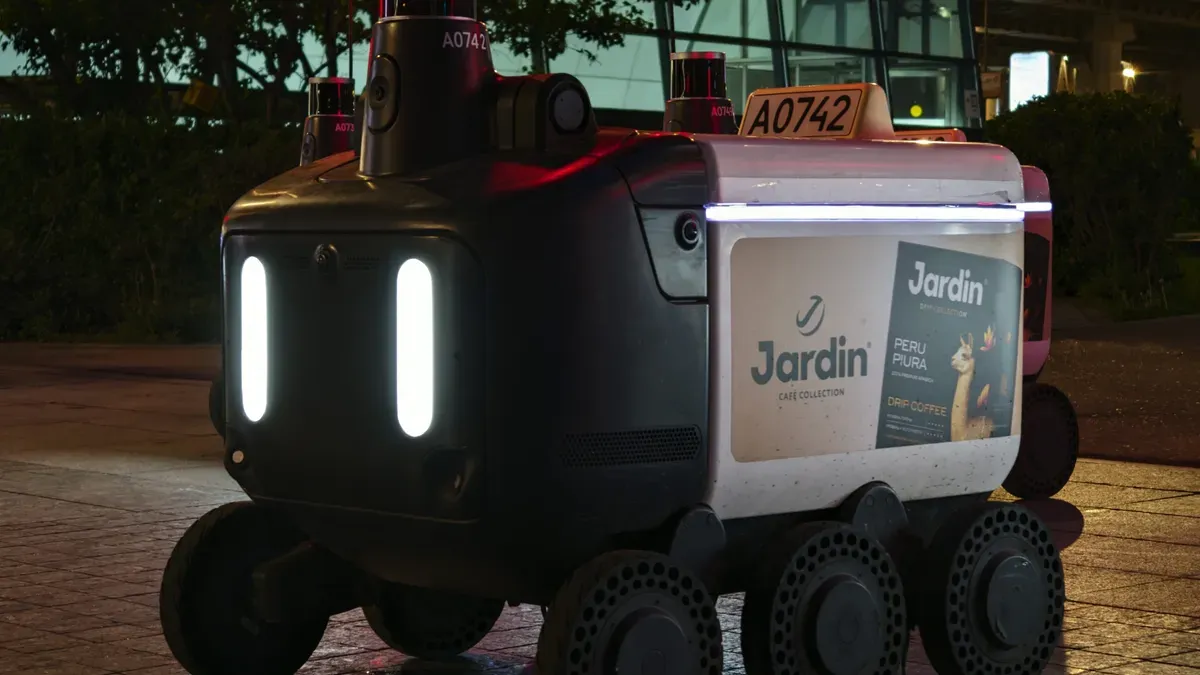
You may hear many myths about autonomous retail in corporate offices and tech parks. Some people believe every product always needs instructions or that users face common design myths. Digital transformation changes workplace retail in exciting ways.
AI-powered systems automate tasks and help staff focus on important work.
Interactive kiosks and mobile checkout options make shopping easier for users.
Personalized campaigns and recommendations boost engagement.
AI improves order fulfillment and inventory accuracy.
Question what you know. Seek facts and look beyond assumptions.
Key Takeaways
Autonomous retail enhances shopping experiences with AI, making tasks easier and more efficient.
Security in autonomous retail is robust, with advanced technologies protecting user data and privacy.
Digital transformation creates new job opportunities, allowing employees to focus on meaningful work rather than repetitive tasks.
User-friendly interfaces in autonomous retail systems make them accessible for everyone, boosting employee satisfaction.
Affordable options for autonomous retail are available, making it accessible for businesses of all sizes.
Security myths in autonomous retail

You may hear myths about security in autonomous retail. Many people worry about data privacy, cyberattacks, and system failures. You might think that digital transformation makes your information less safe. In reality, autonomous checkout systems use advanced technology to protect users and their data.
Security in autonomous retail covers many areas. You need to know how these systems keep your information safe. The table below shows the main security concerns and what they mean for you:
Security Concern | Description |
|---|---|
Data Privacy | Companies must follow privacy laws like GDPR and CCPA to protect your rights. |
Security | Strong safeguards protect your personal and transaction data from threats. |
Liability | Businesses prepare for system malfunctions or data breaches. |
Accessibility | Everyone should have equal access, including those with disabilities, both physically and online. |
Technology safeguards
Autonomous checkout and contactless payment systems use many layers of protection. You see these safeguards every time you shop in a tech park or corporate office. Here are some common security protocols and technologies:
Behavioral biometrics check if you are the real user.
Anomaly detection finds strange activity fast.
Advanced encryption keeps your data safe.
Intrusion detection systems watch for threats.
Regular vulnerability assessments test for weak spots.
Strict access controls limit who can see your information.
These tools work together to keep your experience safe and smooth.
Real-world security data
You may wonder how autonomous checkout systems compare to traditional retail. The table below shows the differences:
Aspect | Autonomous Retail | Traditional Retail |
|---|---|---|
Incident Management | Continuous monitoring and real-time alerts | Struggles with coverage and response times |
Response to Incidents | Instant alerts with visual verification | Slower response due to manual processes |
Coverage | Extensive across multiple locations | Limited, often focused on high-risk areas |
Incident Records | Full records for compliance and investigations | Often incomplete or not systematically recorded |
You can see that autonomous retail offers better monitoring and faster responses. Digital transformation helps companies keep you safe while making shopping easier.
Job loss myths and workforce impact
Many people believe that autonomous retail will take away jobs. This is one of the most common myths. In reality, you will see that technology often supports staff and helps create new opportunities. Companies use digital transformation to make work better for everyone, not to replace users or employees.
Employment shifts
You may notice that some tasks change when new technology arrives. For example, AI can handle simple jobs like tracking inventory or answering basic questions. This does not mean fewer jobs. Instead, you and your coworkers can focus on more important work. You might spend more time helping customers or solving problems that need a human touch. Many companies find that employees become more engaged when they move away from repetitive tasks.
Tip: Embrace new tools. They can help you learn new skills and take on exciting roles.
New roles in digital transformation
Digital transformation brings new job roles to the workplace. You may see positions like data scientist, AI specialist, or digital marketing expert. These jobs did not exist before, but now they are essential. Companies need people who understand technology and can use it to improve customer experiences. For example, some employees now manage AI-powered chatbots or analyze data to find better ways to serve users. As routine tasks become automated, you have the chance to learn new skills and grow in your career. The workplace becomes more dynamic, and you can find roles that match your interests and strengths.
Autonomous retail does not remove jobs. It changes them and opens doors for growth. You can use these changes to your advantage and become part of a modern, tech-savvy team.
Usability myths for employees
Many people believe myths about autonomous retail. You might think these systems are hard to use or confusing for users. In reality, digital transformation has made these solutions simple and friendly for everyone in the office.
User-friendly interfaces
You do not need to be a tech expert to use autonomous retail systems. Most platforms use clear menus, large buttons, and easy navigation. You can scan items, pay with your phone, or get help from a touchscreen. These features make shopping fast and stress-free.
Simple instructions guide you through each step.
Visual cues help you find what you need.
Personalization lets you see your favorite products first.
Note: Many employees say they feel more comfortable using these systems after just one try.
Adoption and feedback
You may wonder if people actually like using these new tools. Research shows that when you have more control and choice at work, your satisfaction goes up. A study from the University of Birmingham found that employees with more autonomy feel happier and more engaged. Autonomous retail gives you the freedom to shop when you want, which can boost your well-being.
Companies often ask for feedback from users. They use your ideas to improve the system and add new features. This ongoing process helps everyone feel included and valued.
You can see that digital transformation is not just about technology. It is about making your work life easier and more enjoyable.
Cost myths and accessibility
Many people believe that autonomous retail only fits large companies with big budgets. You might think small and medium-sized businesses cannot afford these systems. This idea is not true. Today, digital transformation has made advanced retail solutions available to everyone, including smaller offices and tech parks.
Cost-effectiveness for SMBs
You do not need a huge investment to start with autonomous retail. Basic automation tools can cost as little as $50 to $500 each month. If you want more features, you might pay between $500 and $2,000 monthly. Custom setups may cost more at first, but most users see savings quickly. You can check the main cost points below:
Basic systems: $50–$500 per month
Advanced systems: $500–$2,000 per month
Custom solutions: Higher initial costs, but faster savings
Tip: Most businesses see a positive return on investment in just 3 to 6 months. Lower labor costs and better efficiency help you save money fast.
ROI and affordability
Recent advances in artificial intelligence and robotics have changed the game. Better computer vision, improved sensors, and cloud computing now make these systems easier and cheaper to use. Many startups offer affordable, niche solutions for small businesses in tech parks. As technology costs drop, you can expect even more options.
You also benefit from features like contactless payment, which makes shopping faster and safer. These improvements help you serve your team better without breaking the bank.
You do not need to wait for the future. Autonomous retail is here now, and it fits businesses of all sizes.
Integration and digital transformation myths
Seamless integration
You may think that autonomous retail needs a total overhaul of your office systems. This idea is a myth. Most modern solutions fit smoothly with your current setup. You can add new features without changing everything. Many companies use plug-and-play tools that connect with existing payment systems, inventory software, and employee databases.
You face some challenges when merging new technology with old systems. Here are the main issues:
Difficulty in merging autonomous systems with existing retail frameworks can cause data inconsistencies and operational problems.
The collection of customer data brings privacy risks. You need strong security measures to keep information safe.
AI systems sometimes struggle to understand and respond to unpredictable human behavior.
You can solve these problems with careful planning and support from experts. Most providers offer step-by-step guides and training for users. You get help with setup, so you can start using new tools quickly.
Tip: Start small. Test one feature at a time. You can expand as your team gets comfortable.
Enhancing office culture
Autonomous retail does more than automate tasks. It helps build a positive office culture. You see improvements in workflow, engagement, and teamwork. Recent studies show that automation lets employees focus on dynamic, customer-focused activities. This change boosts satisfaction and creates a sense of purpose.
Here is a table showing how digital transformation improves office life:
Evidence Point | Description |
|---|---|
Workflow Optimization | Automation of routine tasks lets employees focus on more engaging work. |
Enhanced Employee Engagement | Offloading repetitive tasks increases engagement and achievement. |
Improved Work Environment | Predictive analytics tools help manage staff, prevent burnout, and create a positive atmosphere. |
Better Collaboration | AI-driven tools improve communication and teamwork, aligning with company values. |
You notice that users feel more connected and valued. The workplace becomes more enjoyable and productive. You can see that digital transformation brings lasting benefits to your office.
Customer engagement myths
Many people think autonomous retail only focuses on automation and removes the human touch. This idea is not true. You will find that these systems actually improve engagement and service for users in corporate offices and tech parks.
Personalized service
You get more than just fast checkout with digital transformation. AI-powered platforms collect real-time data on inventory, sales, and your preferences. This information helps the system suggest products you might like and tailors offers to your needs. You feel understood and valued because the system remembers your choices and shopping history.
AI-driven platforms suggest products based on your behavior.
Personalized shopping experiences make you feel special.
Promotions and deals match your interests and needs.
AI-driven vending machines in tech parks offer snacks, drinks, and office supplies. You can pay with your phone or badge. These machines learn your habits and provide offers just for you. This creates a smooth experience that connects both physical and digital stores.
Benefit | Description |
|---|---|
Set up points of sale | Cashier-free kiosks in busy areas make shopping easy and quick. |
Reduce overhead costs | Automated checkouts let staff focus on better service. |
Gather shopper data | Tracking what you buy helps improve your experience. |
Improve inventory management | Popular items stay in stock, so you find what you want. |
Employee and customer experience
You notice big changes in your daily routine. Employees at places like St. Joseph’s Hospital no longer wait in long lines. Night-shift workers have access to food and drinks at any hour. Staff can move to more valuable roles, which helps everyone.
You enjoy more convenience and save time.
24/7 access means you get what you need, whenever you need it.
Staff focus on helping you, not just running checkouts.
Companies using AI see a 20% increase in customer satisfaction. Predictive analysis helps them understand what you want before you ask. Customer satisfaction scores rise by 12% on average. These improvements lead to higher conversion rates and better retention.
Autonomous retail is not just about machines. It is about making your workday smoother and giving you a better, more personal experience.
You have seen that many myths about autonomous retail do not match reality. You can enjoy quick shopping, better inventory, and lower costs. The table below shows how these solutions benefit users in offices and tech parks:
Benefit Description | Key Points |
|---|---|
Location Strategy | Stores open in new places with lower costs. |
Quick-Commerce Opportunities | Retailers reach busy areas easily. |
Reduced Staffing Needs | Fewer staff means more efficiency. |
Enhanced Inventory Control | Data helps manage stock and sales. |
With digital transformation, you get 24/7 access, improved experiences, and smarter workplaces. Rethink your assumptions and explore these new possibilities.
FAQ
What is autonomous retail in corporate offices and tech parks?
You use autonomous retail when you shop in stores that run with automation. These stores use ai, self-service checkout terminals, and contactless payment options. You can buy snacks, drinks, or office supplies without waiting in line.
How does autonomous retail keep my data safe?
You see strong security in autonomous retail. ai and iot tools protect your information. Real-time inventory management and customer analytics help spot problems fast. You get safe shopping with encryption and strict access controls.
Will autonomous retail take away jobs?
You do not lose jobs. Automation changes how you work. You can move to new roles, like managing ai-powered shopping assistants or using customer analytics. You learn new skills and help improve the shopping experience.
Is it hard to use self-service systems?
You find self-service easy. Clear menus and simple steps guide you. You can scan items, pay with your phone, and get help from ai. Augmented reality can show you how products look before you buy.
Can small businesses afford autonomous retail?
You see affordable options for small businesses. Automation and iot lower costs. You get features like augmented reality grocery shopping and real-time inventory management. These tools help you save money and serve your team better.
See Also
Understanding AI-Driven Corner Shops: Essential Insights for Retailers
Comparing Micromarkets and Smart Stores: Global Automation in Retail
The Future of Retail: Embracing AI-Enhanced Store Concepts
How Time Out Corner Stores Transform Urban Local Convenience
Exploring Unique Vending Machine Locations: Beyond Conventional Choices
