Key technology requirements for autonomous retail in Airports & transportation hubs.

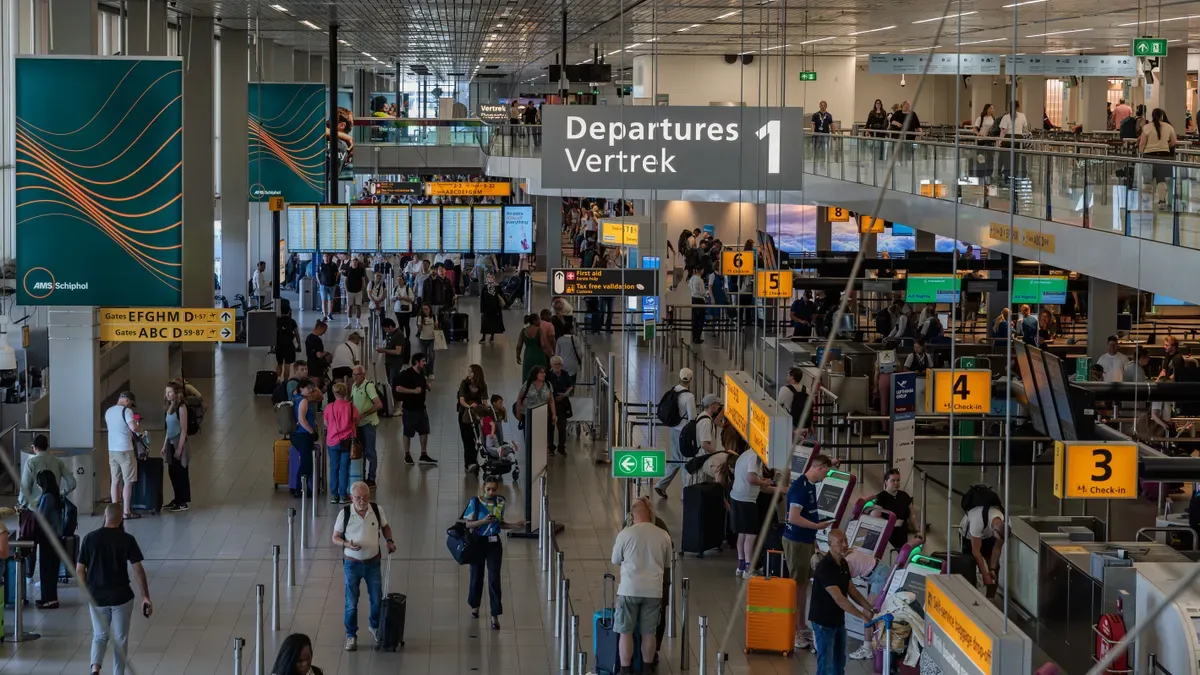
Technology transforms the way airports and transportation hubs serve travelers. Operators rely on AI, IoT, robotics, biometrics, and analytics to power autonomous retail solutions that meet unique demands. These environments face several operational challenges:
Challenge Type | Description |
|---|---|
Limited Convenience for Travelers | Airports struggle to provide easy access to retail options for quick purchases. |
High Costs and Staffing Issues | Operating costs remain high, which impacts pricing and staffing flexibility. |
Inventory and Security Problems | Limited space and strict security rules make inventory management and restocking difficult. |
Autonomous retail addresses these issues by streamlining operations, enhancing convenience, and supporting secure transactions.
Key Takeaways
Autonomous retail enhances convenience for travelers by streamlining shopping experiences in busy airport environments.
AI and analytics are crucial for predicting passenger needs, optimizing inventory, and personalizing marketing efforts.
IoT technology provides real-time data exchange, improving operational efficiency and enhancing the passenger journey.
Robotics and automation reduce labor costs and improve accuracy in inventory management, allowing staff to focus on customer service.
Strong connectivity and interoperability are essential for integrating new technologies and ensuring smooth operations in airports.
Why Autonomous Retail Matters in Airports
Operational Challenges
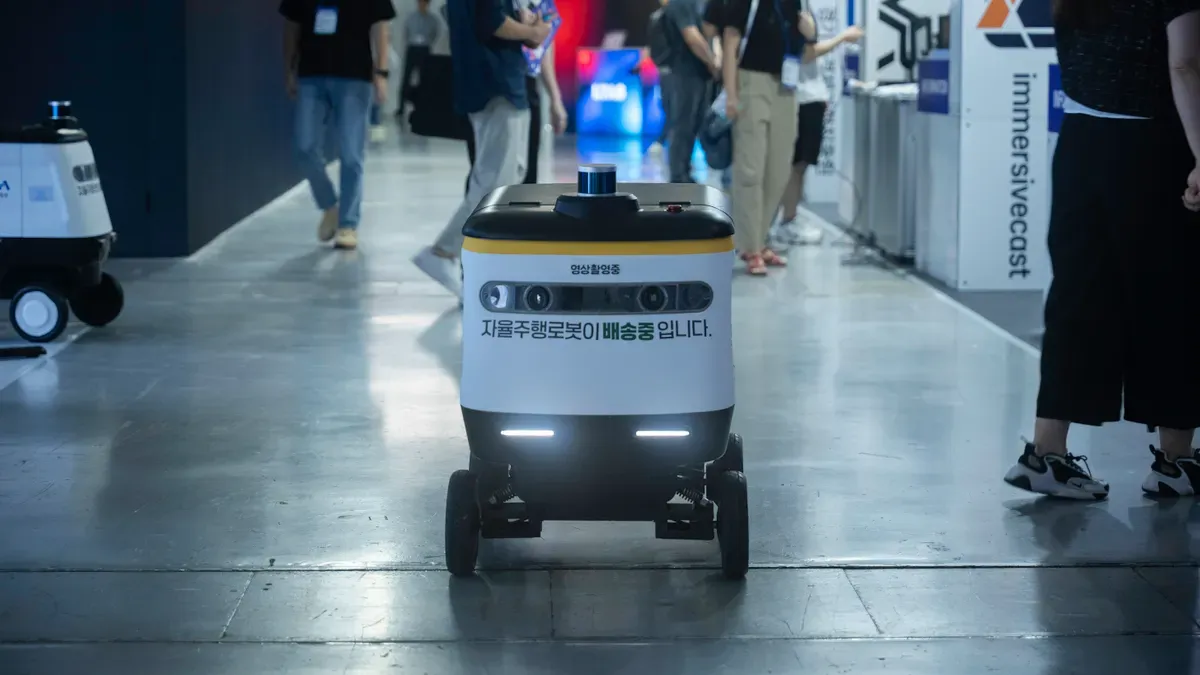
Airports present a unique set of operational challenges for retailers. Travelers move quickly, and their time in retail areas is often limited. Retailers must adapt to fluctuating customer flow and diverse passenger demographics. Security and compliance requirements add complexity to daily operations. High rental costs and extended opening hours increase pressure on profitability. The following list highlights the most common challenges:
Fluctuating customer flow throughout the day
Diverse customer demographics and preferences
Strict security and compliance regulations
Additional screening for products
Longer opening hours and staffing needs
Lengthy onboarding due to security checks
Replenishment and delivery scheduling issues
Disconnected systems often make these challenges worse. Retailers face delayed reporting, duplicate workflows, and increased reconciliation efforts. Over time, these issues raise operational costs and create revenue risks. A unified commercial ecosystem can improve visibility, reduce manual tasks, and speed up workflows.
Passenger Experience Opportunities
Autonomous retail technology creates new opportunities to enhance the passenger experience in airports. As global passenger traffic is expected to double by 2035, demand for efficient and engaging retail solutions will rise. Travelers now have more disposable income and seek premium products and experiences. The shift toward digital retailing and omnichannel strategies calls for safer, more interactive shopping.
Evidence Type | Description |
|---|---|
Passenger Traffic | Anticipated to double globally by 2035, increasing demand for retail options. |
Spending Power | Travelers spend more on premium products and experiences. |
Digital Retailing | Omnichannel strategies require safer, engaging shopping experiences. |
Autonomous robots can scan shelves after hours to keep inventory accurate. Cameras and analytics track passenger movement, providing insights into foot traffic and dwell times. Augmented reality and virtual reality help passengers navigate the airport and discover retail options. These technologies improve customer satisfaction, increase dwell time, and drive sales growth. Data-driven insights allow retailers to optimize layouts and product offerings, ensuring a seamless experience for every passenger.
Core Technology for Autonomous Retail
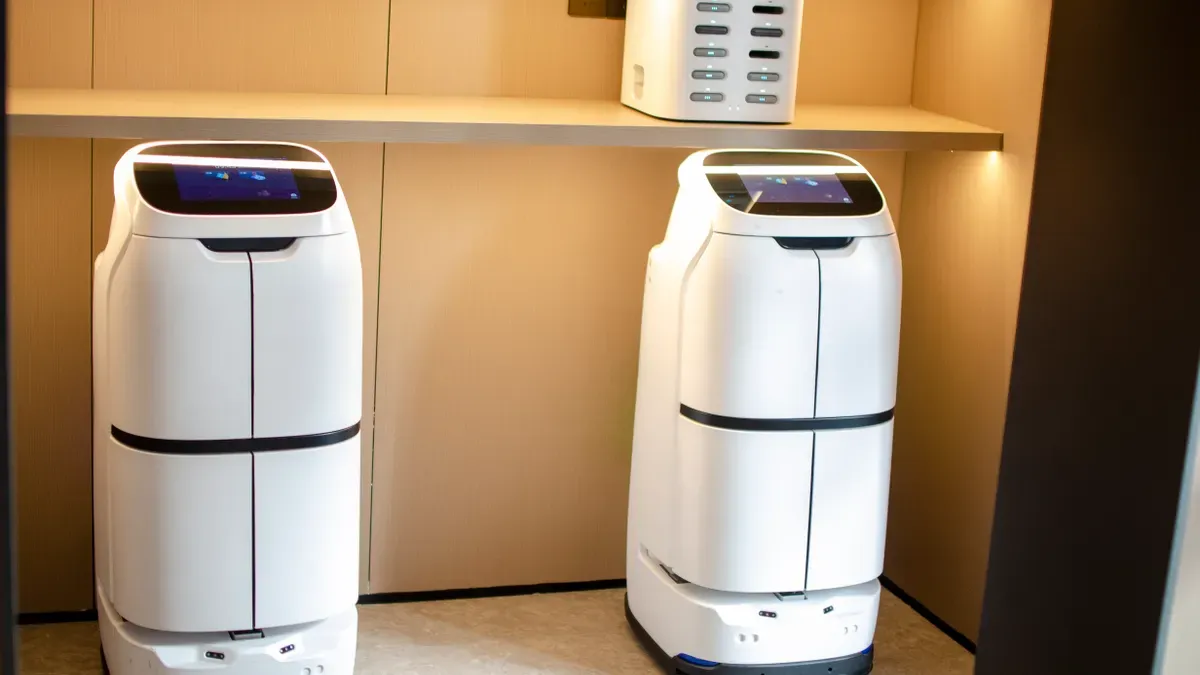
Autonomous retail in airports and transportation hubs relies on a powerful mix of advanced technology. These solutions work together to create seamless, efficient, and secure shopping experiences for travelers. The following sections break down the essential components that drive this transformation.
AI & Retail Analytics
AI and analytics form the backbone of modern airport retail. AI for demand forecasting helps retailers predict what products travelers will want, ensuring shelves stay stocked and reducing waste. Real-time retail analytics track passenger movement, sales trends, and customer preferences. This data allows retailers to personalize offers and optimize store layouts. AI also powers dynamic pricing, adjusting prices based on demand and time of day. Retailers use AI to spot unusual shopping patterns, which helps prevent theft and improve security.
Advancement Type | Description |
|---|---|
AI Integration | AI technologies enhance operational efficiency and passenger shopping experiences through data analysis and machine learning. |
These systems allow travelers to shop without traditional checkout lines, improving convenience and efficiency. | |
Personalized Marketing | AI analyzes passenger demographics and purchasing habits to provide tailored marketing, boosting conversion rates. |
Real-time Data Analytics | Helps optimize inventory and staffing based on passenger flows, reducing costs and enhancing service. |
Start-up Innovations | Companies like AiFi and SkipQ are leading the way in autonomous shopping and mobile pre-ordering solutions. |
AI-driven analytics also improve inventory management. Over half of retailers now use predictive inventory management to enhance supply chain visibility and accuracy. Retailers using AI-powered systems have seen a 39% improvement in sales conversion efficiency. AI surpasses traditional sales data analysis by integrating multiple sources, identifying hidden patterns, and analyzing social media sentiment. This leads to more accurate demand forecasting and efficient inventory management.
IoT & Connectivity
IoT and connectivity solutions enable real-time data exchange across airport operations. Sensors and private networks provide low-latency, resilient connections that support everything from smart vending to baggage tracking. IoT devices monitor inventory levels, track assets, and analyze passenger flows. This technology gives operators live visibility into queues, terminal conditions, and equipment status.
Aspect | Description |
|---|---|
Connectivity | Private networks and IoT solutions provide low-latency, resilient connectivity for airport operations. |
Real-time Data Exchange | Sensors and analytics offer live visibility of assets, queues, and conditions across terminals. |
Operational Efficiency | IoT enhances coordination and data-driven workflows, improving the passenger journey. |
IoT platforms support thousands of devices in a single network, making them ideal for complex airport environments. These systems offer real-time, packet-level visibility across applications, enabling quick identification and resolution of issues. Proactive monitoring reduces downtime and improves the traveler experience.
Robotics & Automation
Robotics and automation are transforming airport retail. Autonomous mobile robots handle tasks like shelf scanning, restocking, and cleaning. These robots improve inventory accuracy and reduce labor costs. Automation also powers self-service kiosks and automated bag drops, which are now standard in many airports.
Statistic | Impact |
|---|---|
65% of airports will use AI by 2025 | Enhanced operational efficiency |
20% reduction in waiting times | Improved passenger experience |
Up to 30% lower operational costs | Cost optimization in retail operations |
Robotics and AI enable real-time analytics, helping retailers respond quickly to changing passenger flows. Autonomous robots use less energy than staffed equivalents and can reduce operational personnel needs by up to 30%. These systems also analyze footfall data to distribute patronage across concessions, ensuring smoother passenger flow and higher merchant revenue.
Compute Platforms
Compute platforms provide the processing power needed for real-time decision-making in autonomous retail. Low-latency processing is crucial for immediate responses, such as adjusting prices or restocking shelves. AI integration allows these platforms to make dynamic, automated decisions without human intervention. Automation enhances operational efficiency by enabling software to react instantly to changes in the environment.
Note: Compute platforms can operate at different levels, from manual (human decides and acts) to fully autonomous (system decides, acts, and adapts logic based on feedback).
User expectations for instant responses and personalization drive the need for robust compute platforms in airport technology trends.
Biometrics & Mobile Apps
Biometrics and mobile apps enhance both security and convenience for airport retail customers. Facial recognition and fingerprint scanning speed up checkout and reduce fraud. These technologies also support single-token journeys, allowing travelers to move through airport processes with ease. Mobile apps integrate with loyalty programs, delivering personalized offers and streamlining the shopping experience.
Benefit | Description |
|---|---|
Streamlined Checkout | Retailers use biometrics to speed up the checkout process for customers. |
Fraud Prevention | Biometrics help guard against fraudulent activities in retail transactions. |
Personalized Offers | Integration with loyalty programs allows for tailored offers to customers. |
Privacy Considerations | Operators ensure a balance between speed and customer privacy through consent mechanisms. |
Biometrics use unique physiological traits for high-level security and fraud mitigation. These systems simplify user authentication, eliminating the need for passwords and making shopping more efficient.
Data Formats & Interoperability
Standardized data formats and interoperability are essential for integrating new technology with existing airport infrastructure. Many older airports use disparate systems for different functions, which can cause compatibility issues. These challenges often delay modernization projects and limit the benefits of new solutions.
Interoperability ensures that autonomous retail systems can share data seamlessly with airport operations, security, and analytics platforms. This integration supports real-time decision-making and enhances the overall passenger experience.
How These Technologies Work Together
Each technology plays a unique role, but their true power comes from integration. AI and analytics provide insights that drive inventory and pricing decisions. IoT and connectivity ensure that data flows smoothly between devices and systems. Robotics and automation handle repetitive tasks, freeing staff for higher-value work. Compute platforms process information in real time, enabling instant responses. Biometrics and mobile apps deliver secure, personalized experiences. Standardized data formats and interoperability tie everything together, allowing for seamless operations across the airport.
Together, these technologies enable autonomous retail to deliver efficient, secure, and engaging shopping experiences in the fast-paced environment of airports and transportation hubs.
Autonomous Retail Use Cases & Analytics
Shelf Scanning & Inventory
Autonomous shelf scanning plays a vital role in airport retail. Drones and robots equipped with barcode scanners or RFID readers can scan hundreds of locations per hour. This technology reduces manual labor and saves time. IoT devices track inventory in real time, which helps staff manage perishable items using First-Expire-First-Out strategies. Dynamic inventory tracking ensures that shelves stay stocked and accurate, even during peak travel times. These improvements make airport stores more efficient and responsive to passenger needs.
Passenger Flow Analytics
Passenger flow analytics help airports understand how travelers move through terminals. Real-time insights into movement and dwell times allow staff to manage queues and reduce congestion. By analyzing data on passenger behavior, airports can position retail offerings in strategic locations. This approach improves the shopping experience and increases customer spending. Staff can also use these insights to optimize schedules and reduce wait times, making the airport journey smoother for everyone.
Real-time analytics reveal passenger movement patterns.
Airports use this information to manage queues and improve retail placement.
Optimized staff schedules lead to better service and higher sales.
Smart Vending & Unmanned Stores
Smart vending machines and unmanned stores have become popular in busy airports. A major airport operator increased non-aeronautical revenue by capturing impulse purchases during off-hours. This success shows how autonomous retail can identify and monetize untapped demand. By 2025, experts project over 500,000 vending machines will operate in high-traffic areas, including airports. Ongoing research in ai aims to make these solutions more intuitive and personalized, which is important for travelers who want quick and easy shopping.
Security Robots & Incident Response
Security robots and advanced incident response systems keep airports safe. These robots use ai-powered service features to improve operational efficiency and manage crowds. Thermal imaging technology helps analyze crowd density and detect unusual activity while protecting passenger privacy. 5G and B5G wireless networks support real-time communication between robots and staff, which is essential for mission-critical operations.
Evidence Type | Description |
|---|---|
Improve efficiency, enhance passenger experience, and manage crowds. | |
Thermal Imaging Technology | Analyze crowd density and detect anomalies while ensuring privacy. |
5G/B5G Wireless Networks | Enable real-time communication for human-robot interaction and safety tasks. |
These use cases show how autonomous retail, analytics, and technology work together to create safer, more efficient, and engaging airport environments.
System Integration in Airport Environments
Interoperability & Data Sharing
System integration forms the backbone of autonomous retail in airports. Interoperability allows different technology platforms to communicate and share data without barriers. When airport operations connect turnaround and baggage handling systems, staff can track assets in real time and receive predictive notifications. Common operational platforms help ramp teams and baggage handlers work together, which minimizes ground time and improves on-time performance. Secure, high-speed networks support critical applications for check-in, baggage, and retail transactions. These networks give every stakeholder seamless access, which keeps the airport running smoothly.
Real-Time Monitoring
Real-time monitoring gives operators instant visibility into all aspects of autonomous retail. Location intelligence from mobile devices helps guide each passenger and manage staffing needs as situations change. Predictive maintenance powered by ai and IoT allows teams to fix problems before they disrupt service. This approach reduces downtime and keeps inventory accuracy high. Robotics and ai work together to monitor shelf levels, track inventory, and alert staff when restocking is needed. These tools help maintain a consistent retail experience, even during busy travel periods.
Scalability & Adaptability
Scalability ensures that autonomous retail systems can grow with airport needs. As passenger numbers rise, technology must adapt without causing delays or disruptions. Flexible platforms allow airports to add new services, such as smart vending or advanced analytics, with minimal effort. Adaptable systems also support new devices and applications, which keeps the airport ready for future trends. By focusing on integration, airports can deliver efficient, secure, and engaging retail experiences for every traveler.
Benefits for Airports & Retailers
Efficiency & Cost Savings
Autonomous retail brings measurable gains in efficiency and cost savings for airports and retailers. Automation handles repetitive tasks, which allows staff to focus on customer service and higher-value work. This shift reduces labor pressure and improves accuracy in pricing and stock management. Automated systems also keep stores open around the clock, meeting demand at any hour. Faster checkout and vending experiences help customers move quickly through the airport.
Benefit | Description |
|---|---|
Automation takes over repetitive tasks, allowing staff to focus on high-value activities. | |
Improved Customer Speed | Faster checkout and vending experiences enhance customer satisfaction. |
Enhanced Accuracy | Automation reduces human error in pricing and stock management. |
Expanded 24/7 Availability | Automated systems can operate continuously, meeting customer demand beyond traditional hours. |
Enhanced Passenger Experience
Technology in autonomous retail improves the passenger experience by making shopping faster and more personal. AI adapts the environment to each passenger’s needs, creating a seamless journey. Contactless biometric screening speeds up security and reduces wait times. Autonomous vehicles help move people and goods efficiently, which minimizes disruption and keeps the airport running smoothly.
Personalized experiences adapt to individual passenger needs.
Contactless biometric screening provides a seamless and touchless journey.
Autonomous vehicles improve efficiency and reduce disruptions.
Security & Compliance
Security and compliance remain top priorities in airport retail. Risk-based screening uses data and behavior to allow low-risk passengers to move quickly through checkpoints. Robotics and predictive maintenance keep systems reliable and reduce delays. These tools help airports maintain high standards for safety and compliance while delivering excellent customer service.
Risk-based screening focuses on behavior and data for faster passage.
Robotics and predictive maintenance improve punctuality and reliability.
High standards for safety and compliance support a secure environment.
Note: By combining technology, data, and insights, airports and retailers can deliver better service, improve customer satisfaction, and create a safer, more efficient environment for everyone.
Deployment Challenges in Airports
Infrastructure & Connectivity
Airports face major challenges when deploying autonomous retail systems. Many older terminals have outdated wiring and limited network coverage. Operators must upgrade infrastructure to support high-speed connections and reliable power. Autonomous retail relies on strong connectivity for real-time data exchange. Without robust networks, systems may fail to deliver accurate inventory updates or passenger analytics. Operators often install private wireless networks to overcome interference from crowded public Wi-Fi. These upgrades require careful planning and significant investment.
Note: Reliable infrastructure forms the foundation for successful autonomous retail deployment. Operators must assess current systems and plan for future growth.
Regulatory & Privacy
Regulatory and privacy concerns create obstacles for autonomous retail in airport environments. Government agencies set strict rules for data collection and storage. Operators must comply with privacy laws that protect passenger information. Biometric systems, such as facial recognition, require consent and secure handling of sensitive data. Retailers must work with legal teams to ensure compliance with local and international regulations. Failure to meet these standards can result in fines or loss of operating licenses.
Challenge | Impact |
|---|---|
Data Protection | Safeguards passenger privacy |
Compliance | Prevents legal issues and penalties |
Consent | Builds trust with travelers |
Maintenance & Support
Maintenance and support play a critical role in keeping autonomous retail systems running smoothly. Operators must schedule regular inspections for robots, sensors, and network equipment. Quick response teams fix issues before they disrupt service. Staff receive training to handle technical problems and maintain equipment. Airports often partner with technology providers for ongoing support and software updates. Reliable maintenance ensures that autonomous retail delivers consistent service to every passenger.
Regular inspections prevent unexpected failures.
Staff training improves response to technical issues.
Partnerships with providers guarantee timely updates.
Future Trends in Autonomous Retail
AI & Robotics Innovation
AI continues to drive change in autonomous retail. Robotics now perform tasks that once required human workers. These machines scan shelves, restock products, and clean retail spaces. AI systems analyze large amounts of data to predict what travelers want to buy. This technology helps retailers adjust inventory and pricing quickly. In the future, robots may interact with passengers, answer questions, and guide them to stores. These advances create new retail opportunities and improve efficiency.
Smart Airport Ecosystems
Airports now move toward smart ecosystems. These environments connect many systems, such as security, retail, and passenger services. Data flows between devices and platforms in real time. Operators use this information to make better decisions. Smart lighting, climate control, and digital signage respond to passenger movement. Retailers benefit from these systems because they can offer targeted promotions and manage resources better. A smart airport creates a seamless experience for everyone.
Note: Smart ecosystems help airports adapt to changing needs and support new technology as it becomes available.
Evolving Customer Expectations
Travelers expect fast, easy, and personalized shopping. They want to use mobile apps for payments and loyalty rewards. Many passengers prefer contactless options and value privacy. Retailers must keep up with these trends to stay competitive. They use analytics to understand what customers want and adjust their offerings. As technology improves, passengers will see more self-service kiosks and unmanned stores. These changes create new opportunities for both retailers and travelers.
Passengers want convenience and speed.
Retailers use data to improve service.
Technology shapes the future of airport retail.
Autonomous retail in airports depends on AI, IoT, robotics, biometrics, and strong data systems. These technologies boost efficiency, improve passenger experiences, and support security. Operators face challenges with infrastructure and privacy. Future innovation will bring smarter systems and new retail models.
For success, leaders should balance technology choices with daily operations. Careful planning ensures smooth deployment and lasting value.
FAQ
What is autonomous retail in airports?
Autonomous retail uses technology like AI, IoT, and robotics to run stores with little or no staff. Travelers can shop, pay, and leave quickly. These systems help airports serve more people and improve the shopping experience.
How do biometrics improve airport retail security?
Biometrics use unique traits, such as fingerprints or facial features, to verify identity. This technology helps prevent fraud and speeds up checkout. Airports use biometrics to keep transactions safe and protect passenger data.
Why do airports need strong connectivity for autonomous retail?
Autonomous retail systems depend on real-time data. Strong connectivity ensures devices, sensors, and robots work together without delays. Reliable networks help keep inventory accurate and support fast, secure payments.
What are the main challenges of deploying autonomous retail in airports?
Operators face issues with old infrastructure, strict privacy rules, and the need for regular maintenance. They must upgrade networks, follow data laws, and train staff. These steps help keep systems running smoothly.
Can autonomous retail adapt to changing passenger needs?
Yes. AI and analytics track passenger trends and adjust inventory, pricing, and promotions. These systems help retailers respond quickly to new demands and improve the shopping experience for every traveler.
See Also
The Future of Retail: Embracing AI-Driven Stores
Comparing Micromarkets and Smart Stores in Global Retail
Transforming Retail: The Impact of Smart Vending Machines
