How AI-powered autonomous retail is transforming Airports & transportation hubs.

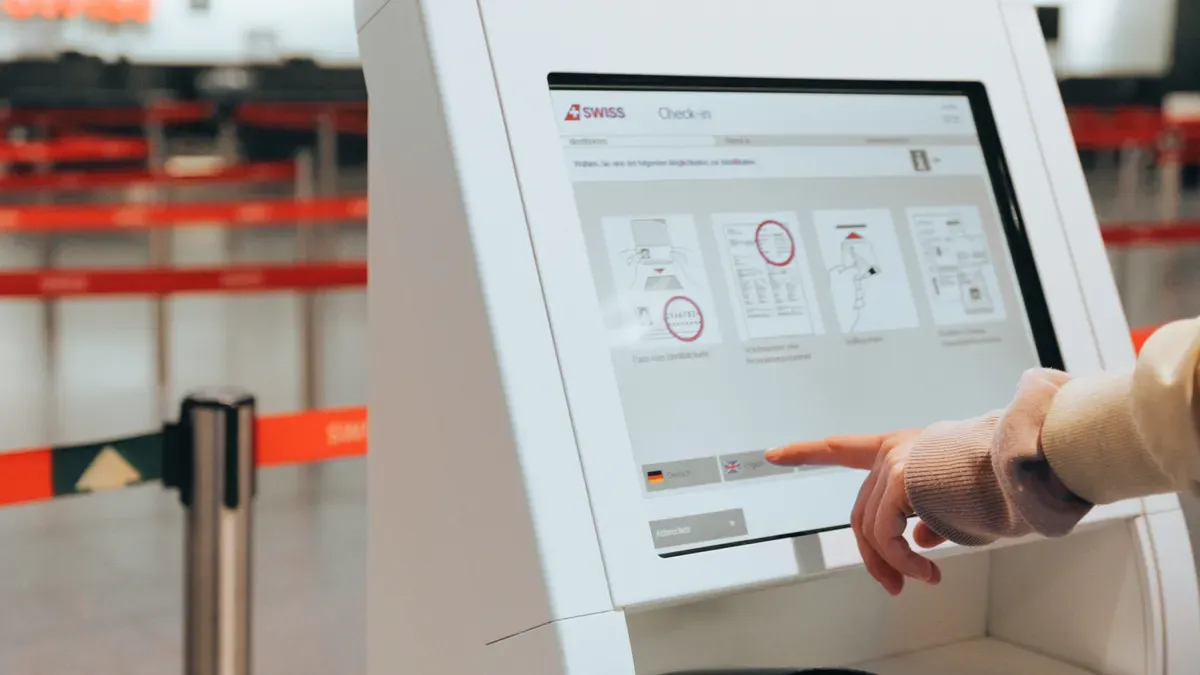
You now see a transformation in airports and transportation hubs as ai-powered autonomous retail changes how you travel. Intelligent airport ecosystems use artificial intelligence to boost passenger experience and make operations smoother for everyone. This shift brings real time digital assistance, autonomous technology, and predictive analytics to your journey. The latest data shows that 65% of airports will use ai by 2025, with a 20% reduction in waiting times and up to 30% lower operational costs. Over 20% of retailers see higher sales from ai-powered personalization. Autonomous airports now give you seamless travel, smarter retail, and a better passenger experience.
Statistic Description | Value |
|---|---|
Percentage of airports implementing AI by 2025 | 65% |
Reduction in waiting times at security checkpoints | 20% |
Increase in sales due to AI-powered retail personalization | Over 20% for nearly 70% of retailers |
Accuracy of AI analytics in forecasting passenger flow | 85–92% |
Reduction in operational costs due to AI | Up to 30% |
Key Takeaways
AI is set to transform 65% of airports by 2025, enhancing passenger experiences and reducing waiting times by 20%.
Autonomous stores and kiosks streamline shopping, allowing you to check in and pay quickly, improving convenience.
AI-powered personalization tailors shopping experiences, offering you product recommendations based on your preferences.
Predictive analytics helps airports manage inventory effectively, ensuring popular items are always in stock.
Seamless payment systems make transactions fast and secure, allowing you to enjoy a hassle-free shopping experience.
Challenges in Airport Retail
Limited Convenience for Travelers
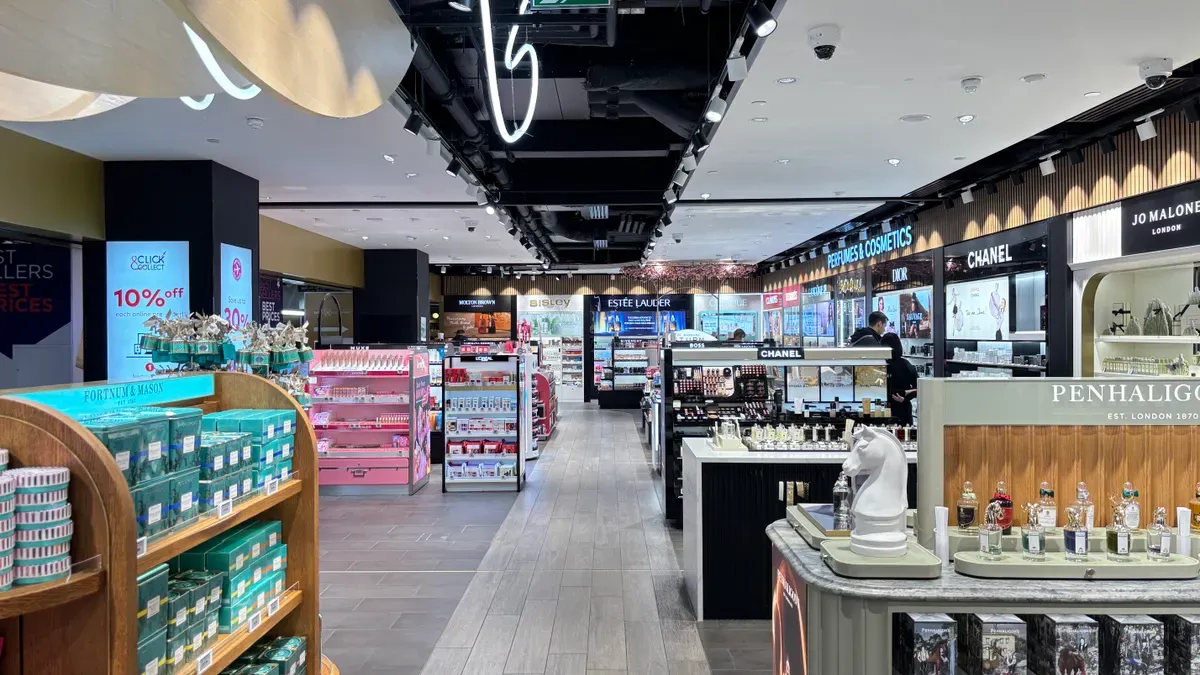
You often face challenges when you shop at an airport. Many airports struggle to provide easy access to retail options. Space is limited, so stores must fit into small areas. This makes it hard for you to find what you need quickly. Security rules add extra steps, slowing down your shopping experience. Changing travel trends mean airports must adapt to new consumer behaviors. Health and safety measures, especially after the pandemic, require constant updates and training. These factors can make your journey less convenient.
Challenge Type | Description |
|---|---|
Economic Uncertainties | Airports face risks from economic downturns and changing passenger numbers. |
Security and Regulatory Complexities | Strict security rules make shopping slower and less efficient. |
Space Constraints | Limited space means fewer retail choices and crowded stores. |
Sustainability and Eco-Friendly Practices | Airports must balance green practices with costs. |
Rapid Technological Advancements | Airports need to invest in new technology to stay current. |
Changing Travel Trends and Consumer Behavior | Airports must keep up with shifting passenger needs. |
Health and Safety Measures | Airports must update health protocols to keep travelers safe. |
Workforce Management | Airports struggle to hire and keep qualified staff. |
High Costs and Staffing Issues
You notice that airport retail prices are higher than street-side stores. Operating costs in airports are much greater. For example, airport restaurants pay $1,000 to $1,400 per square foot, while retail stores pay $400 to $800. Street-side restaurants pay much less. Labor costs also take up a large part of revenues, with $0.35 to $0.45 of every dollar earned going to staff. The MAG model increases risk for operators. Many airports recommend longer contracts and surcharges to help offset rising costs. Staffing remains a challenge because airport jobs are often temporary and hard to fill.
Airport retail stores face higher rent and labor costs.
Operators must find ways to manage rising expenses.
Staffing shortages affect customer service and store operations.
Inventory and Security Problems
You see that inventory management is tough in airports. Limited space means stores cannot stock many items. Security rules require strict checks, which slow down restocking and make it harder to keep shelves full. Theft and loss prevention become more complex due to high passenger traffic. Retailers must balance inventory needs with security demands. These challenges impact the overall retail experience and can reduce revenues for operators.
AI-powered Autonomous Retail Solutions
Autonomous Stores and Kiosks
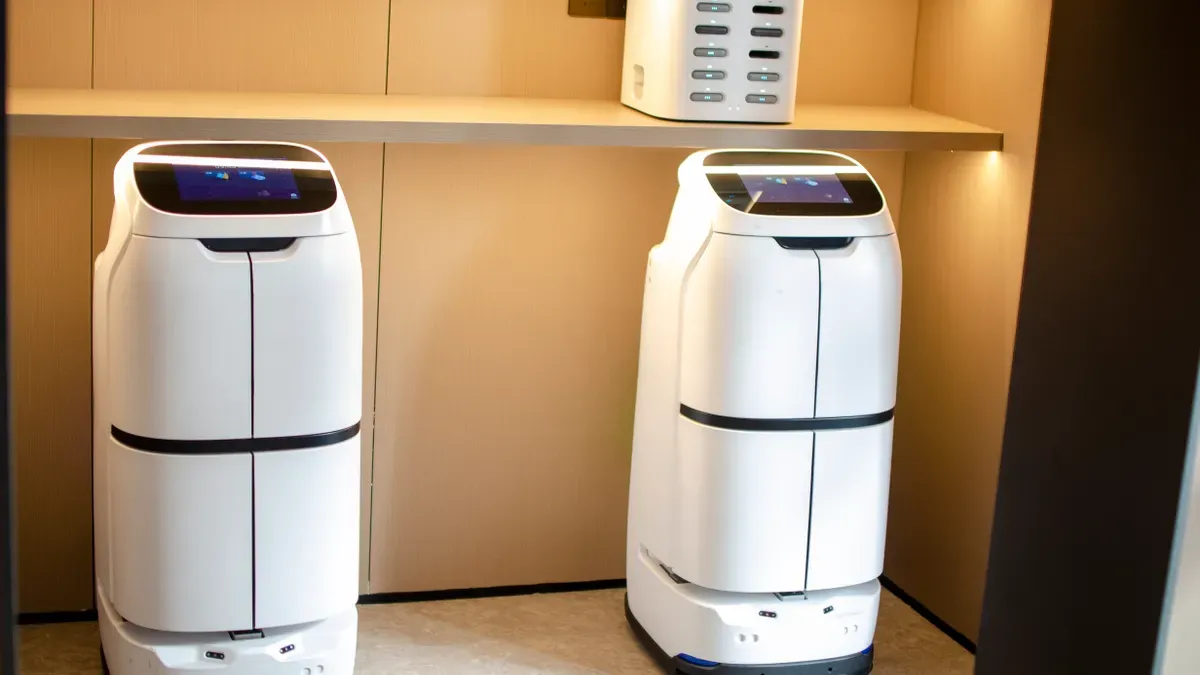
You now see autonomous stores and smart kiosks changing the way you shop at airports. These solutions use ai-powered autonomous retail technology to make your experience faster and easier. When you use a kiosk, you can check in, pay, or even identify yourself with just a few taps. These kiosks help reduce long lines and give you more control over your journey. You also notice that staff can focus on helping you instead of handling routine tasks. Many kiosks include features like braille and adjustable heights, so everyone can use them.
Kiosks optimize space and speed up your shopping.
You gain more autonomy and satisfaction during your trip.
Staff can support you better because automation handles simple tasks.
Self-service check-in becomes faster and more accurate.
Kiosks are accessible for all travelers.
The market for airport kiosks is growing quickly. Experts predict it will rise from $2.75 billion in 2024 to $4.23 billion by 2030. These kiosks use ai and IoT to make your journey more secure and efficient. Autonomous stores, like just-walk-out shops, let you grab what you need and leave without waiting in line. This model encourages you to browse and make impulse purchases, which increases sales for airports.
Evidence Type | Description |
|---|---|
Average Transaction Values | Airports report higher transaction values after using just-walk-out stores. |
Passenger Engagement | You are more likely to browse and buy in autonomous stores. |
Market Growth Projection | The just-walk-out retail market in airports will grow at 19.6% CAGR by 2034. |
Personalized Shopping with AI
You benefit from ai-powered autonomous retail because it brings personalization to your shopping. Artificial intelligence studies your preferences and travel habits. It then sends you product recommendations and notifications that match your interests. When you walk through an intelligent airport, you might get a special offer on your favorite snack or a reminder about a new gadget.
AI sends you tailored marketing messages and product suggestions.
Virtual assistants help you before and after you buy something.
You get support and answers to your questions in real time.
AI uses your data to make your shopping experience unique.
Personalization also helps airports manage inventory. AI predicts what you and other travelers want, so popular items stay in stock. Dynamic pricing lets airports adjust prices based on demand, helping you find deals and boosting sales.
Predictive Analytics in Retail
You see ai analytics at work every time you shop in an airport. Predictive analytics uses artificial intelligence to study shopping patterns and forecast demand. This helps airports and retailers know which products to stock and when to restock them. You find your favorite items more often because ai-powered autonomous retail keeps shelves full and reduces waste.
AI tracks what you and other travelers buy.
Retailers use this data to plan inventory and avoid shortages.
Predictive analytics helps airports save money and improve your experience.
With ai-powered retail, airports can respond quickly to changes in travel trends. This makes your journey smoother and supports the growth of autonomous airports.
Seamless Payments
You enjoy seamless payments in ai-powered autonomous retail environments. These systems use ai to make transactions fast and secure. When you enter a store, you might tap a card or scan a QR code. This action starts a secure and anonymous payment session. Cameras track what you pick up, and the system charges you automatically when you leave.
AI uses biometric data to keep your payments safe.
Enhanced security protects your information.
Frictionless payments mean you do not have to wait in line.
You get a digital receipt right away.
Here is how a seamless payment works:
You enter the store by tapping your card or scanning a code.
The system creates a secure payment session.
Cameras follow your movement and product choices.
The system adds up your items and charges you automatically.
You receive a digital receipt for your purchase.
Seamless payments help you save time and enjoy a more convenient shopping experience. Airports and intelligent airport ecosystems use these solutions to support seamless travel and improve satisfaction for all travelers.
AI-powered Airports: Beyond Retail
Digital Assistance for Passengers
You now see ai-powered airports using artificial intelligence to help you at every step of your journey. When you enter an intelligent airport, you can use digital tools that make your travel smoother. These tools answer your questions, help you plan your trip, and even translate languages in real time. You do not have to worry if you speak a different language or need help with your itinerary. Here are some examples of digital assistance tools you might use:
Tool Type | Description |
|---|---|
AI-powered language translation | Tools that assist airport staff in communicating with passengers who speak different languages. |
Trip planning tools | AI-enabled solutions that help passengers with itinerary planning, including detecting potential issues. |
Virtual assistants | Advanced chatbots deployed on websites or kiosks to assist passengers with inquiries and information. |
These solutions improve the passenger experience and help you move through airports with less stress.
Predictive Maintenance and Operations
You benefit from ai and IIoT because they keep airport operations running smoothly. Airports use artificial intelligence to monitor equipment and spot problems before they cause delays. This technology helps airports fix issues early and avoid downtime. Here is how ai-powered airports use predictive maintenance:
Airports use automated drones with advanced cameras to inspect runways. These drones find cracks and ruts early, so repairs happen before problems grow.
Baggage conveyor systems have sensors and ai that watch for wear and tear. Maintenance teams fix issues before they disrupt passenger flow.
You enjoy a better experience because these systems keep everything working during busy travel times. Intelligent airport technology helps airports save money and improve safety.
Driverless Vehicles and Logistics
You see autonomous vehicles changing how airports handle transportation and logistics. These vehicles move baggage, deliver supplies, and even transport you between terminals. Autonomous vehicles use ai to navigate busy airport environments and avoid obstacles. You can ride in a shuttle that drives itself or watch robots carry luggage across the floor. Autonomous airports use these vehicles to boost efficiency and keep passenger flow steady. You get to your gate faster, and your bags arrive on time. Intelligent airport systems make sure every part of your journey is connected and smooth.
Intelligent Airport Ecosystems
Data-led Decision Making
You see how airports use data to make smarter choices every day. AI and machine learning help airport teams optimize flight schedules and improve air traffic management. This leads to better efficiency and fewer delays. You benefit from safer travel because predictive maintenance spots equipment problems before they happen. Revenue management also gets a boost, making airport operations more profitable and smooth.
AI and machine learning optimize flight schedules and air traffic.
Predictive maintenance improves safety by forecasting equipment failures.
Data-driven decisions in revenue management increase profits and efficiency.
Heathrow Airport uses an Airport Operations Center to collect real time data. This center helps staff make quick decisions and improve your experience. Advanced analytics and AI have reduced missed connections and made travel easier. These strategies can save up to $100 per passenger and increase demand for airport services.
Enhancing Efficiency and Satisfaction
You notice that artificial intelligence and other technology make your journey faster and more enjoyable. Airports use AI to predict passenger flow and adjust operations as needed. IoT gives you real time baggage tracking, so you always know where your bags are. Edge computing processes data instantly, helping staff make quick decisions. A unified AI platform connects all systems for better operations. Digital twins let airports plan ahead and keep improving.
Technology | Impact on Efficiency and Satisfaction |
|---|---|
AI | Predicts passenger flow, adjusts operations dynamically |
IoT | Provides real-time baggage tracking, enhancing visibility |
Edge Computing | Processes data instantly for on-the-spot decision making |
Unified AI Platform | Integrates data across systems for improved operations |
Digital Twins | Enables predictive planning and continuous optimization |
Dynamic Mobility Solutions
You experience new ways to move through the airport thanks to dynamic mobility solutions. AI-driven systems forecast passenger flow with up to 92% accuracy. This helps airports manage crowds and keep everything running smoothly. Biometric boarding systems make getting on your flight faster and easier. Real time data supports flexible transportation services, so you get where you need to go without stress.
Evidence Description | Key Points |
|---|---|
AI-driven systems for passenger flow management | Forecasts passenger flow with 85–92% accuracy, enhancing operational efficiency. |
Biometric boarding systems | Streamlines the boarding process, improving passenger experience. |
Real-time data utilization | Supports dynamic mobility solutions and transportation services. |
You will soon see new technology like eVTOL aircraft at your airport. The FAA plans to certify these electric vehicles by 2025. They will help reduce congestion and change how you travel in cities.
Real-world Transformations
Airport Retail Innovations
You see airport retail changing fast because of ai-powered autonomous solutions. At Amsterdam's Schiphol Airport, AiFi uses computer vision and ai to create checkout-free shopping. You grab what you need and leave without waiting in line. This system tracks inventory in real time and helps retailers understand shopping behavior. You get more convenience, and retailers save on labor costs.
Many airports use new technology to improve your experience. You notice personalized marketing messages and product recommendations when you shop. AI-powered virtual assistants help you before and after your purchase. You receive support and answers quickly. Inventory optimization ensures popular products stay available. Pricing changes in real time, so you find deals and airports maximize earnings.
Here are some leading innovations in airport retail:
In-store marketing personalization boosts your chance to buy.
Virtual assistants engage you before and after your purchase.
Inventory optimization keeps shelves stocked with what you want.
Pricing optimization adjusts prices for better deals.
Contactless payments and Just Walk Out technology make shopping faster.
Automated duty-free stores and ordering screens improve efficiency.
Data gathering and customer profiling personalize your service.
These changes drive transformation in airport retail. You enjoy a smoother shopping experience and airports see higher revenue.
AI in Transportation Hubs
You see ai making a big impact in transportation hubs. In the United States, studies show that ai helps optimize intermodal freight transportation. Multiple datasets and simulations improve fuel efficiency. This reduces greenhouse gas emissions and lowers operation costs.
You benefit from these improvements when you travel. AI-powered systems help manage passenger flow and keep transportation hubs running smoothly. Autonomous vehicles move goods and people efficiently. You experience less congestion and faster service.
Hub | AI Solution | Result |
|---|---|---|
Schiphol | Autonomous retail | Checkout-free shopping |
US Freight | AI optimization | Lower emissions, less cost |
You see how ai and autonomous technology drive transformation in airports and transportation hubs. Your travel becomes easier, safer, and more enjoyable.
Implementation and Scalability
Integrating AI Systems
You face many choices when you bring ai into airports and transportation hubs. You must connect new systems with old ones. This step helps you keep your operations running smoothly. You often start with pilot projects. These small tests show you what works best. You can use cloud-based platforms to manage data and ai tools. You also need to train your staff. They learn how to use new technology and solve problems quickly.
Tip: Start with one area, like baggage handling or retail, before expanding to other parts of the airport.
Security and Privacy
You must protect passenger data when you use ai. Security and privacy matter to everyone. You need strong rules for data storage and sharing. You should use encryption to keep information safe. You also need to follow local and global laws. Many airports use regular audits to check for risks. You can build trust by telling travelers how you use their data.
Security Step | Why It Matters |
|---|---|
Data encryption | Keeps personal info private |
Regular audits | Finds and fixes weak spots |
Clear policies | Builds trust with passengers |
Scaling Across Locations
You want to grow your ai solutions across many airports. You need flexible systems that work in different places. Cloud-based technology helps you share updates and features fast. You can use templates and best practices from one airport at another. You should also listen to feedback from staff and travelers. This feedback helps you improve as you expand.
Use cloud platforms for easy updates.
Share best practices between locations.
Collect feedback to keep improving.
You can make artificial intelligence a key part of your airport’s future by planning each step and focusing on safety and growth.
Future of Artificial Intelligence in Airports
Emerging Trends
You will see many new transportation methods change how you move through an airport. AI-driven predictive operations will help you avoid delays by forecasting flight patterns and passenger flow. Digital twin technology will let you and airport staff monitor everything in real time. Biometric identity systems will make your journey faster and safer. These systems will check your identity quickly and reduce waiting times. Flight efficiency will improve as AI finds better routes and reduces congestion. Safety enhancements will spot risks early and keep you secure.
Trend | Description |
|---|---|
AI-driven predictive operations | Enhances operational efficiency by predicting flight patterns and passenger flow. |
Digital twin technology | Creates virtual replicas of airport operations for real-time monitoring and optimization. |
Biometric identity systems | Streamlines passenger processes through automated identity verification, improving customer experience. |
Flight efficiency | Optimizes routes and reduces congestion, leading to shorter travel times and improved sustainability. |
Safety enhancements | Detects anomalies and predicts risks, providing early warnings to enhance airport safety. |
You will notice these trends shape the future transportation landscape at every hub.
Expanding AI Applications
You will use new transportation methods that go beyond shopping. AI-powered language translation tools will help you talk to staff, even if you speak a different language. AI-enabled solutions in airport apps will help you plan your trip and avoid problems. Real-time updates will show you travel times and flight performance. These updates will help airports use resources better and keep you safe. You will see technology make every part of your journey easier.
Language translation tools help you communicate with staff.
AI in apps helps you plan your trip and avoid delays.
Real-time updates improve resource use and security.
Evolving Passenger Experience
You will enjoy a smoother and more personal experience as new transportation methods become common. AI will remember your preferences and suggest services you like. You will check in with your face or fingerprint. You will get alerts about your flight and gate changes right away. You will move through security and boarding faster. These changes will make travel less stressful and more enjoyable. Airports will use technology to give you the best service possible.
Note: You will see new transportation methods like autonomous shuttles and smart baggage robots. These innovations will change how you move through airports and other transportation hubs.
You see how AI-powered autonomous retail brings transformation to every airport and transportation hub. This technology improves passenger experience, boosts efficiency, and supports airport economics. You gain faster service and more choices. Operators save costs and manage resources better. You can look forward to future transportation innovations that will keep changing how you travel. Stay open to new ideas and use smart solutions to lead in airports.
FAQ
What is AI-powered autonomous retail in airports?
AI-powered autonomous retail uses artificial intelligence to run stores and kiosks. You can shop, pay, and get help without waiting for staff. This technology makes your airport experience faster and easier.
How does AI improve passenger experience?
AI helps you find shops, get real-time updates, and receive personalized offers. You can check in, pay, and get support quickly. AI makes your journey smoother and less stressful.
Are AI-powered stores secure?
You benefit from strong security in AI-powered stores. These systems use encryption and biometric checks to protect your data. Airports follow strict privacy rules to keep your information safe.
Will AI replace airport staff?
AI handles routine tasks, so staff can focus on helping you. You still see staff for support and special needs. AI improves efficiency, but people remain important in airports.
See Also
The Future of Retail: Embracing AI-Driven Stores
Modern Retail's Edge: Benefits of AI-Enhanced Vending Machines
Revolutionizing Online Retail: AI Tools for Store Management
AI-Enhanced Corner Stores: Essential Insights for Retailers
Reimagining Spaces: The PARC at Tysons as a Community Center
