How autonomous stores enable new revenue models in Corporate offices & tech parks.

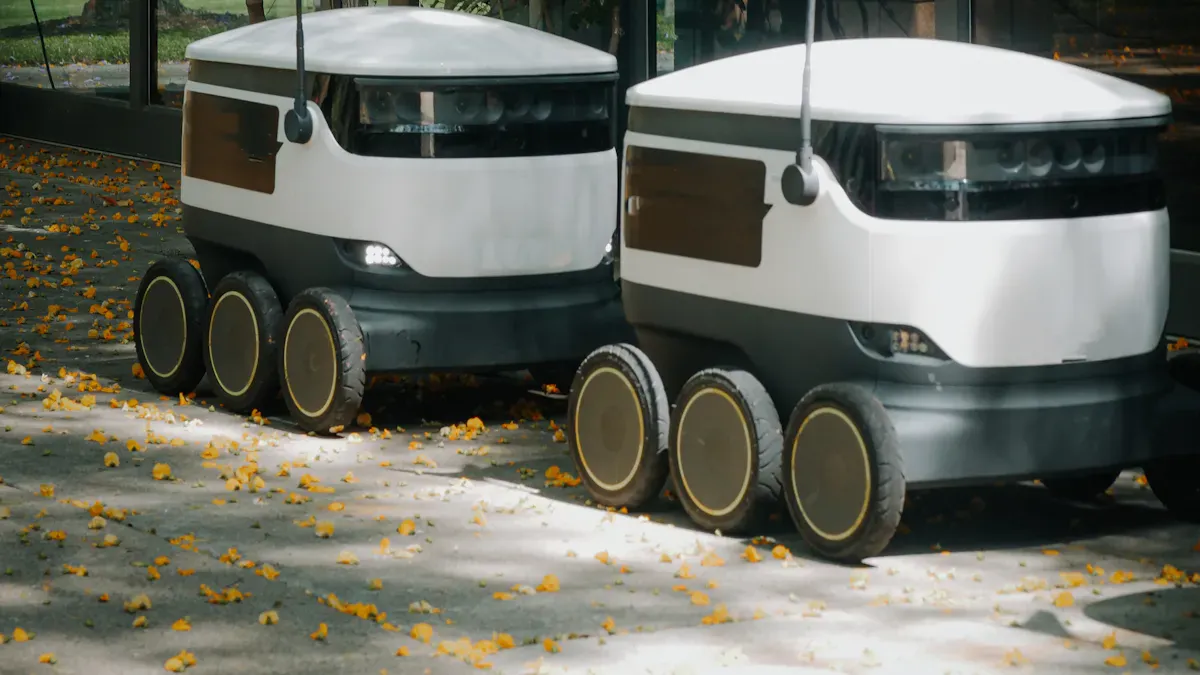
You see more autonomous stores opening in corporate offices and tech parks every year. These spaces now feature advanced technology and ai, making shopping easy and quick.
The number of global stores using autonomous systems grew from 350 in 2018 to a projected 10,000 by 2024.
Sales jumped from under $70 million to over $20 billion.
With ai, autonomous stores cut labor costs, track what people buy, and keep shelves stocked. You enjoy a seamless shopping experience while property owners find new ways to earn money.
Key Takeaways
Autonomous stores use advanced technology to provide a fast and seamless shopping experience, allowing you to grab items without waiting in line.
These stores create new revenue opportunities for property owners through flexible leasing models and profit-sharing arrangements.
Data collected from autonomous stores helps improve inventory management and customer engagement, leading to better shopping experiences.
Strategically placing autonomous stores in high-traffic areas enhances tenant satisfaction and attracts more customers to your property.
Embracing autonomous stores prepares your business for future trends, ensuring you stay competitive in a rapidly changing market.
Autonomous stores and their role in corporate environments

What makes autonomous stores unique
You experience a new way to shop when you enter autonomous stores. These stores use advanced technology to change the way you buy everyday items. You do not need to wait in line or scan products. Cameras and sensors track what you pick up. AI connects your actions to your account and charges you automatically. This grab-and-go system saves you time and makes shopping feel natural.
Autonomous stores focus on speed and convenience. You can walk in, choose what you need, and leave without stopping at a checkout counter. This matches what you expect from modern shopping. The technology behind these stores includes AI, computer vision, and sensors. These tools work together to create a seamless and personalized experience.
AI does more than just track purchases. It helps stores predict what items you will want. It can adjust prices in real time and send you special offers. Robots can check shelves and clean the store. Technology also keeps the store safe by watching for unusual behavior. All these features make autonomous stores different from traditional shops.
Why corporate offices & tech parks are ideal locations
You find autonomous stores in corporate offices and tech parks because these places are perfect for them. These locations have many people who want quick and easy shopping. High-traffic areas like business centers bring in customers who spend more. Autonomous stores can set up quickly and do not need as many workers. This reduces costs and makes it easier to open in places where regular stores cannot go.
You benefit from having a store close to your office. You can grab a snack or drink during a break without leaving the building. Property owners also gain new ways to use their space and attract tenants. Technology lets these stores fit into small or busy areas, making them a smart choice for modern workspaces.
Note: Autonomous stores use technology to meet the needs of busy professionals and create new value for property owners.
New revenue opportunities with autonomous stores
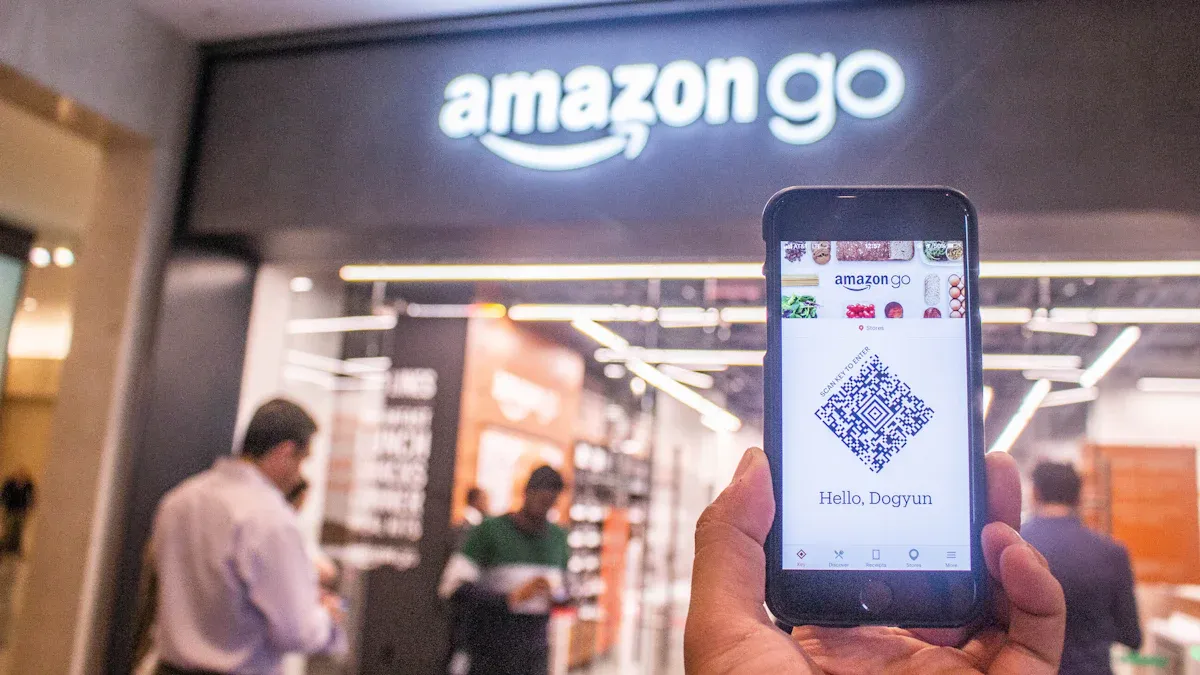
Autonomous stores open up new opportunities for you as a property owner or manager in corporate offices and tech parks. You can use advanced retail automation to create flexible revenue streams, lower costs, and attract more customers. These stores use ai and data to make shopping smarter and more efficient. You can benefit from new models that go beyond traditional rent and sales.
Flexible leasing and rental income
You can choose from different leasing and rental models when you host autonomous stores. These models help you earn income in ways that fit your space and business goals. Here is a table that shows common options:
Model Type | Description |
|---|---|
Asset Leasing & Sharing | You lease or rent out your assets when not in use, generating passive income. |
Decentralized Platform | A blockchain-based platform connects you with renters or users. Smart contracts handle leasing, payments, and trust for security and transparency. |
Multiple Revenue Streams | You earn by leasing assets, while the platform charges fees on transactions and can monetize data insights. |
You can use these models to maximize your space and generate income even during off-peak hours. Autonomous stores do not need much staff, so you can set them up quickly and start earning right away. You can also adjust your leasing terms to match demand, making your property more attractive to different types of customers.
Profit-sharing and as-a-service models
You can boost your revenue by using profit-sharing and as-a-service models with autonomous stores. These models let you share in the success of the stores without taking on all the risk. Here are some ways you can benefit:
You can rent out your space or assets, like Tesla owners do with their vehicles, and earn income from idle time.
You can use platforms like Airbnb to offer your property to more customers, especially in busy tech parks.
You can lease autonomous equipment, such as smart vending machines, to other businesses and create steady income.
These models give you more opportunities to earn from your property. You can also attract new tenants who want flexible and modern shopping options. Autonomous stores use retail automation to handle inventory, transactions, and security, so you spend less time managing the space.
Data monetization and partnerships
You can unlock even more value by using data from autonomous stores. These stores collect data on shopping habits, footfall, and product trends. You can use these insights to improve your property, attract more customers, and create new partnerships.
VenHub, for example, builds and sells autonomous stores and collects ongoing software and maintenance fees. They also earn from advertising banners and offer their stores to online brands that want a physical presence. You can follow this model to create your own partnerships and revenue streams.
You can use real-time inventory tracking, advanced security sensors, and climate controls to keep your stores running smoothly. You can also offer 24/7 shopping, which increases footfall and revenue. Data from these systems helps you understand what customers want and how to serve them better.
Tip: Use data insights to adjust your product mix, set prices, and plan promotions. This will help you stay ahead in the fast-changing world of retail automation.
Autonomous stores reduce overhead and speed up deployment. You do not need as many workers, and you can use automated warehousing and smart checkout systems to cut costs. AI-driven workforce management helps you schedule tasks and save on labor. Edge computing and IoT sensors let you process data in real time, making your stores more responsive and efficient.
You can see how Amazon Go uses these technologies to create seamless shopping experiences. You can apply the same ideas to your own property. Autonomous stores give you more opportunities to grow your business, attract new tenants, and keep customers happy.
AI-powered shopping experience and operational benefits
Frictionless shopping experience for employees and tenants
You notice the difference as soon as you enter autonomous stores. The shopping experience feels smooth and fast. AI computer vision tracks your movements and updates your basket in real time. Shelf sensors know what you pick up, so you never worry about mistakes. Contactless payment systems let you pay with a card or mobile wallet, making the process even easier. You do not need to download an app or wait in line. This seamless shopping experience saves you time and reduces stress.
AI computer vision follows your actions and keeps your basket accurate.
Shelf sensors monitor items and help with billing.
Contactless payment systems let you finish your shopping experience quickly.
You enjoy improved speed and efficiency. Long lines disappear, and you spend less time shopping. The frictionless shopping experience also means less contact with surfaces, which keeps you safer. The enhanced shopping experience makes your day at work more enjoyable.
Cost savings and efficiency gains
You benefit from the operational advantages of autonomous stores. These stores use AI, IoT, and smart sensors to boost inventory accuracy. You spend less time fixing mistakes, and real-time data helps you stock only what you need. Autonomous stores fit into small spaces, sometimes just 300 square feet, so you do not need large cafeterias. This design lets you use your office space better and attract more tenants.
Evidence Description | Impact on Staffing Needs |
|---|---|
Elimination of manned kiosks during night shifts in hospitals | Reduced staffing requirements in healthcare settings |
Successful sales without additional staff in sports venues | Demonstrated ability to operate without staff |
100% unattended operation in residential buildings | Complete removal of staffing needs |
Zero shrinkage and tripled revenue compared to traditional vending | Increased efficiency and profitability without staff involvement |
You see stable costs for cameras, sensors, and devices. The technology needs regular updates, but you avoid the variable costs of hiring staff. IoT and AI work together to keep your operations efficient and your costs low.
Boosting foot traffic and engagement
You see more people visiting your property because of the seamless shopping experience. Autonomous stores attract employees and tenants who want quick and easy access to products. The technology uses IoT and AI to send personalized offers and proximity alerts. This approach increases customer experience and engagement.
Evidence Type | Description |
|---|---|
Increased Foot Traffic | Foot traffic has been rising as consumers seek immediacy and hands-on experiences. |
Enhanced Customer Engagement | A 30% increase in customer interactions with promotional displays due to proximity alerts. |
Higher Redemption Rates | Personalized offers resulted in a 15% higher redemption rate compared to traditional promotions. |
You notice a 30% increase in customer interactions with promotional displays. Personalized offers lead to a 15% higher redemption rate. The enhanced shopping experience keeps people coming back and helps you stand out in a busy market. IoT sensors and AI platforms give you the tools to create a seamless shopping experience that benefits everyone in your building.
Strategic advantages and future opportunities
Differentiation for property owners
You want your property to stand out in a crowded market. Autonomous stores help you do this by offering something unique. When you use a strong location strategy, you place these stores where people need them most. You can focus on high footfall locations, like busy lobbies or near elevators. This approach makes your building more attractive to companies looking for modern amenities. You show that you care about convenience and innovation. With the right location strategy, you create a space that feels ahead of the curve.
Attracting and retaining tenants
You know that companies want to work in places that support their employees. Autonomous stores add value to your property and help you keep tenants happy. When you use a smart location strategy, you make sure these stores are easy to reach. This keeps employees satisfied and encourages them to stay longer. Here are some ways autonomous stores help you attract and retain tenants:
Autonomous stores enhance workplace appeal by providing modern amenities.
They contribute to a positive workplace environment, making tech parks more competitive.
Companies are attracted to tech parks that offer convenient shopping and advanced technology.
Employees prefer workplaces that support and value them, leading to higher tenant retention.
You can use your location strategy to place stores where they will have the most impact. High footfall locations bring more people to your property and keep them engaged.
Future-proofing with autonomous retail
You want your property to stay competitive as the market changes. Autonomous stores, powered by ai, help you adapt quickly. When you use a flexible location strategy, you can respond to new trends and needs. The integration of ai-driven diagnostics lets you adjust pricing and inventory in real time. This helps you handle market disruptions and keep your business strong.
Operational Improvement | Benefit |
|---|---|
Enhanced forecasting accuracy | Allows retailers to adapt quickly to changing market conditions. |
Optimized inventory management | Prevents stockouts and maintains high availability, protecting margins. |
Streamlined operations | Facilitates rapid response to disruptions and continuous learning. |
You can see real results. For example, East of England Co-op increased product availability from 93% to 98% and saw a 2.2% sales growth after using ai-driven solutions. Your location strategy helps you place autonomous stores where they can best support your tenants and future-proof your property.
Challenges and considerations
Technology integration and maintenance
You face several challenges when you bring autonomous stores into your corporate space. The technology must work smoothly for every customer. Here are some common issues you may encounter:
The system sometimes misidentifies products or charges for items you put back. This can cause billing errors and frustration.
Some people hesitate to use new technology. They may worry about privacy or prefer talking to a person.
You need to invest a lot at the start. Hardware, software, and IT support cost money.
Technical problems can happen. Software bugs, sensor failures, or network outages may stop the store from working.
Keeping track of inventory in real time is hard, especially with fast sales or returns.
You must protect against theft. Some people may try to trick the system.
You need a plan for regular maintenance and quick fixes. This keeps your autonomous stores running well and your customers happy.
Privacy and data security
You collect a lot of data in autonomous stores. Protecting this data is important. You should follow best practices to keep information safe:
Use strong passwords.
Watch for unusual activity.
Encrypt data and use tokenization.
Follow security frameworks like PCI DSS or ISO/IEC 27001.
You also need to decide what data to collect and how to use it. Store data securely and respect privacy rules. Make sure you know who owns the data and how you will use it. Check your practices often to stay up to date with new laws.
Tip: Clear privacy policies build trust with your employees and tenants.
Change management and adoption
You may see resistance when you introduce autonomous stores. People worry about costs, job changes, or learning new systems. You can help your team adjust by using these strategies:
Strategy | Description |
|---|---|
Train everyone on how the technology works and how it helps their jobs. | |
Set Clear Expectations | Explain your goals and how you will measure success. |
Establish New Workflows | Show how roles and tasks will change with the new system. |
Appoint an AI Champion | Choose someone to support and encourage others during the transition. |
Gather Feedback and Iterate | Listen to feedback and make improvements as needed. |
You must also follow local laws and make sure everyone can access the store. Good planning helps you overcome challenges and get the most from autonomous stores.
You see how autonomous stores help you unlock new revenue streams and improve daily operations in your office or tech park. These stores lower costs, boost sales, and let your team focus on important work. As cities grow, you will need smart spaces that blend shopping, services, and technology. By embracing autonomous stores, you prepare your property for the future and keep your business ahead in a changing world.
FAQ
What makes autonomous stores so convenient for employees?
You can shop quickly without waiting in line. The store uses sensors and AI to track your purchases. You enjoy convenience because you can grab what you need and return to work fast. This system fits your busy schedule and makes your day easier.
How do autonomous stores use data-driven insights?
You benefit from data-driven insights because the store tracks what you buy. This helps the store understand customer preferences. The system uses this information to stock popular items and improve convenience for you. You get a better shopping experience every time.
Can autonomous stores adapt to changing customer preferences?
You see stores change their products based on what you and others buy. They use data-driven insights to learn about customer preferences. AI-driven recommendations help the store offer new items that match your needs. This keeps the shopping experience fresh and convenient.
What are the main benefits of rapid deployment in tech parks?
You notice new stores open fast in your tech park. Rapid deployment means you get access to convenience quickly. Property owners can set up stores without long delays. This helps everyone enjoy quick-commerce opportunities and better amenities.
How do autonomous stores use technology to improve convenience?
You experience convenience through smart sensors, AI, and contactless payments. The store uses technology to make shopping simple and safe. You do not need to scan items or wait for help. Everything works together to save you time and effort.
See Also
The Future of Retail Lies in AI-Driven Stores
Comparing Micromarkets and Smart Stores in Global Retail
Understanding AI-Enhanced Corner Stores for Retail Success
Modern Retail Benefits from AI-Enhanced Combo Vending Machines
