Best locations to deploy micro autonomous stores in Airports & transportation hubs.

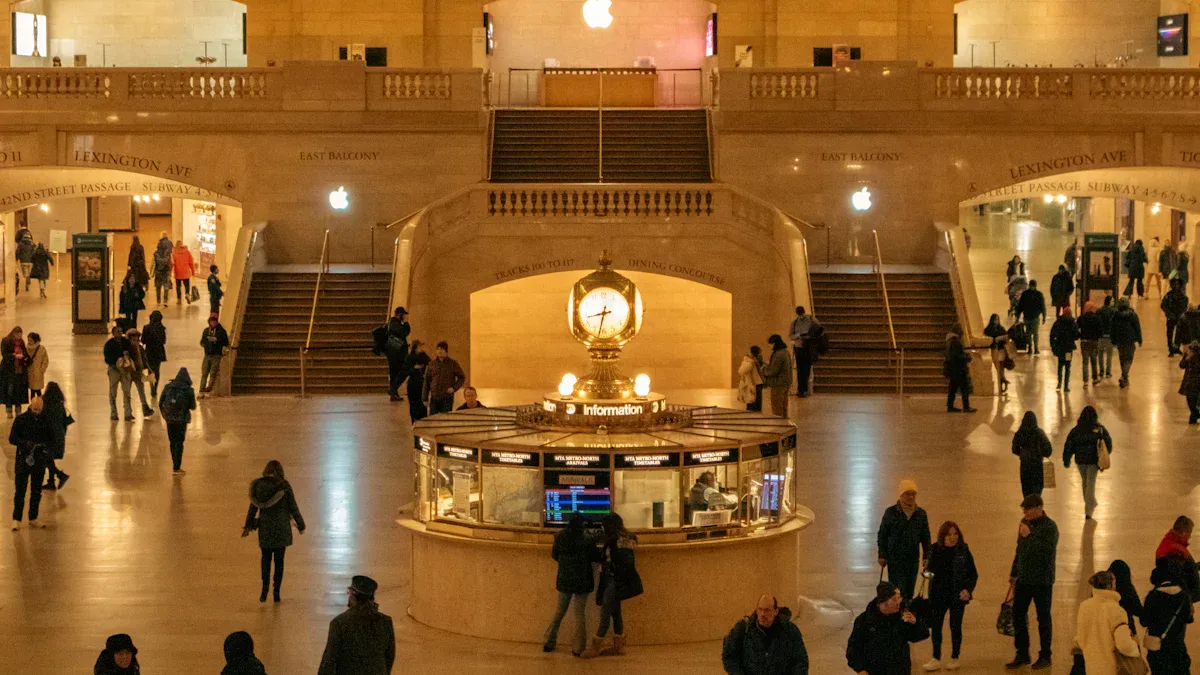
You can find the best locations for micro autonomous stores in an airport near departure gates, baggage claim zones, main entrances and exits, transfer corridors, and busy waiting areas. Airports work like smart cities. They use indoor navigation, track baggage, manage crowds, and send real-time alerts to improve operations. These features support quick, 24/7 access and make shopping fast and easy for every traveler.
Key Takeaways
Place autonomous micro stores near departure gates to capture passengers waiting to board. This boosts sales and enhances convenience.
Utilize baggage claim zones for micro stores, allowing travelers to shop for snacks and essentials while waiting for their luggage.
Set up stores at main entrances and exits to serve both travelers and airport staff, maximizing visibility and customer reach.
Deploy micro stores in transfer corridors to cater to passengers moving between terminals, improving their shopping experience.
Leverage smart technology in autonomous stores to offer personalized promotions, enhancing customer engagement and satisfaction.
High-Traffic Airport Areas
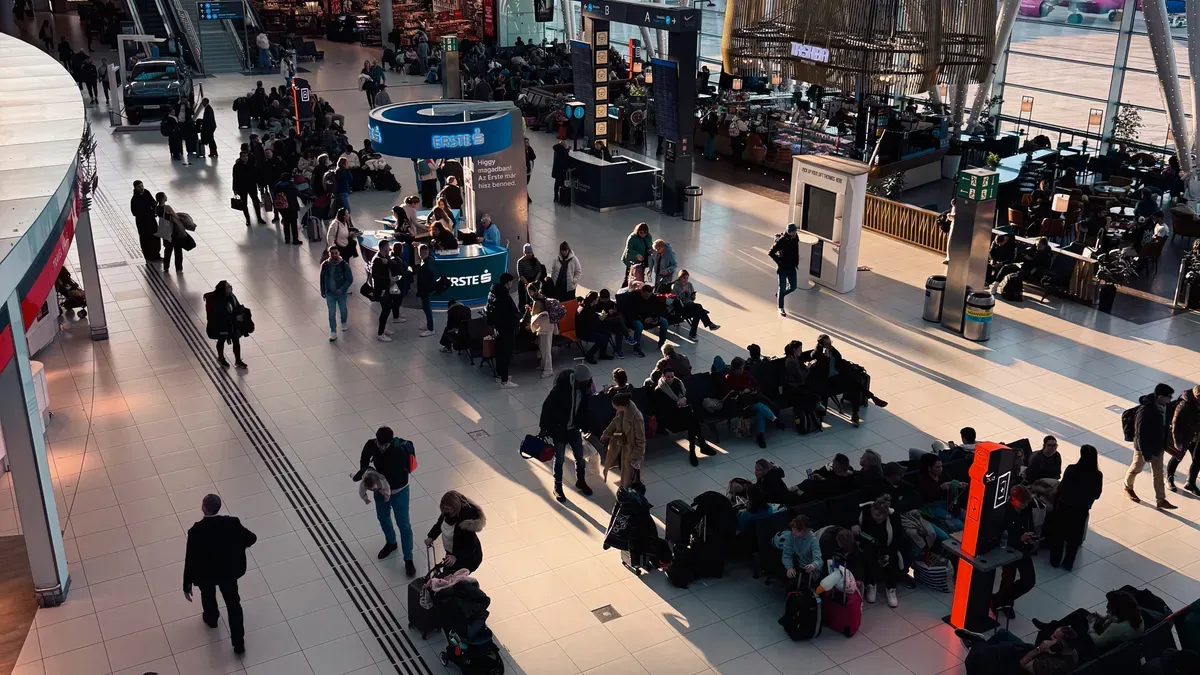
Airports have many high-traffic areas where you can place autonomous micro stores for the best results. These locations help you reach more passengers and improve the customer experience. Let’s look at the most effective spots.
Near Departure Gates
You see the most passengers near departure gates. Travelers often arrive early and wait before boarding. This gives them time to shop for snacks, drinks, or last-minute travel items. When you place an autonomous micro store here, you make shopping easy and fast. Passengers do not need to leave the gate area or worry about missing their flight. Zippin has set up autonomous stores near gates at JFK and SFO. These stores let passengers grab what they need and return to their seats quickly. You can boost sales and improve passenger experience by choosing these busy spots.
Baggage Claim Zones
Baggage claim zones are another smart choice. Passengers gather here after their flights and often have extra time while waiting for luggage. Many people want to buy water, snacks, or souvenirs before leaving the airport. Autonomous micro stores in these zones make shopping simple and quick. You can see how this works in the table below:
Description | |
|---|---|
Quick Transactions | Passengers prefer fast purchases, which autonomous stores facilitate, enhancing convenience. |
Impulse Buying | The layout encourages spontaneous purchases, as items are easily accessible. |
Personalized Promotions | Smart technology can tailor offers based on passenger preferences, increasing engagement. |
You can use smart technology to offer personalized deals. This makes shopping more fun and helps you sell more. Autonomous micro stores in baggage claim zones improve the overall experience for passengers and create new revenue for airports.
Main Entrances and Exits
Main entrances and exits see a steady flow of passengers all day. People enter and leave airports for many reasons. Some come for flights, others pick up friends or family, and some work at the airport. When you place an autonomous micro store here, you reach travelers and airport staff. You also serve people who need quick access to travel essentials or snacks. Zippin has shown that stores near entrances and exits at Changi Airport attract both travelers and employees. This location gives you high visibility and helps you serve more customers.
Transfer Corridors
Transfer corridors connect different parts of airports and transportation hubs. Passengers use these corridors to move between terminals, gates, or other modes of transportation. These areas are always busy, especially in large airports with many connecting flights. You can place an autonomous micro store in a transfer corridor to catch passengers who need something fast. This helps travelers save time and improves their experience. Autonomous stores in these corridors also support intermodal connections, making shopping easy for everyone moving through the airport.
Tip: When you choose high-traffic areas like gates, baggage claim, entrances, and transfer corridors, you make your autonomous micro store more visible and useful. This leads to better shopping, higher sales, and a stronger customer experience.
By focusing on these high-traffic areas, you can meet the needs of many passengers and make the most of your investment in airports and transportation hubs.
Meeting Traveler Needs in Airports
Travelers in airports have many needs. You want to grab a snack, pick up a charger, or find a travel pillow before your flight. Autonomous micro stores help you do all of this quickly. These stores work well in airports and transportation hubs because they serve many types of passengers. You might be a business traveler, a family on vacation, or someone making a quick transfer. Autonomous stores make shopping easy for everyone.
Quick Snacks and Beverages
You often feel hungry or thirsty while waiting for your flight. Autonomous micro stores let you buy snacks and drinks at any hour. You do not have to wait in long lines or worry about missing your plane. Steve Gu, co-founder and CEO of AiFi, said,
"The airport is a perfect place for autonomous stores. Travelers are very aware of their time and need food and drinks at a variety of hours."
These stores operate around the clock. You can grab what you need before your flight, even late at night or early in the morning. You do not need to stand in a checkout line. AiFi’s technology lets you walk in, pick up your items, and leave. This makes shopping fast and easy. You get quick transactions and more time to relax before your flight.
You can buy snacks and drinks anytime, even when other shops are closed.
You do not have to wait in line, which means reduced wait times.
You enjoy a better passenger experience because you get what you need fast.
Travel Essentials
You sometimes forget important items when you travel. Autonomous micro stores help you find travel essentials like chargers, headphones, or toiletries. These stores use smart technology to learn what passengers need most. They change their products based on who is traveling and what people buy.
Vending machines in airports offer electronics, chargers, and toiletries.
You find these machines in busy areas like gates and lounges.
These stores stay open when regular retail shops close, so you always have access to snacks and drinks.
Autonomous micro stores watch how passengers shop. They add new products like gourmet snacks or travel-friendly items to make your trip easier. You get what you need, when you need it, no matter your travel plans.
Waiting Lounges
Waiting lounges are places where you spend time before your flight or during a layover. Autonomous micro stores in these lounges make your wait more comfortable. You can shop for snacks, drinks, or small gifts without leaving your seat.
You have 24/7 access to products, which means you can shop anytime.
Employees in airports save time because they can get essentials quickly and return to work faster.
Companies see higher customer satisfaction scores when they use autonomous stores in lounges.
You enjoy a better customer experience because you do not have to search for a store or wait in line. Autonomous micro stores help you relax and enjoy your time in airports. They support many types of passengers, including those using different transportation hubs. This makes shopping simple and improves your overall experience.
Autonomous micro stores in airports and transportation hubs meet the needs of all passengers. They offer quick transactions, easy access to travel essentials, and a better passenger experience. You get more convenience, less stress, and higher customer satisfaction every time you travel.
Operational Efficiency for Autonomous Micro Store Deployment
Airports use smart infrastructure to support the efficient operation of autonomous micro stores. You can place these stores in areas that were once unused or hard to reach. This helps you maximize space and improve the passenger experience. Airports make it easy for you to restock, secure, and connect your store.
Easy Restocking Points
You need to restock your autonomous micro store quickly. Airports have service corridors and loading docks that let you bring in products without disturbing passengers. Staff can access these points and refill shelves during quiet hours. You can use these spaces to keep your store full and ready for shopping. Many airports design their hubs with hidden access routes. This means you can restock without blocking walkways or slowing down passenger flow. You improve customer experience and keep shopping fast.
Security and Surveillance Access
Airports use advanced security and surveillance systems to protect passengers and stores. You benefit from these systems because they:
Track how long items stay unattended, even if blocked from view
Provide real-time alerts to airport authorities
De-escalate alerts when items are safely removed
These features help you keep your autonomous micro store safe. You can trust that airports will respond quickly to any issues. Passengers feel secure while shopping, and you protect your retail investment. Security systems also help you monitor store activity and prevent theft.
Reliable Power and Connectivity
Airports require strong fiber networks to support the growing demand for connectivity. You rely on these networks to run your autonomous micro store. Airports use advanced technologies like 5G to deliver high-speed broadband. This supports airline operations, airport management, and passenger services. You can upgrade your store’s systems as technology changes. Airports allow you to connect your store without major disruptions. You provide a seamless shopping experience for passengers and improve your store’s efficiency.
Tip: Use airports’ smart infrastructure to deploy autonomous micro stores in transportation hubs. You gain access to reliable power, security, and restocking points. This helps you serve passengers better and boost your retail success.
Revenue Opportunities in Airports
Airports give you some of the best chances to grow your retail business with autonomous micro store technology. These busy hubs see thousands of passengers every day. You can reach travelers from all over the world. The constant flow of people creates strong revenue potential for micro autonomous stores. You can place your autonomous micro store in the right spot and see more sales, better customer experience, and higher profits.
Impulse Purchase Zones
Impulse purchase zones in airports help you increase sales quickly. You find these areas near security checkpoints, escalators, or walkways where passengers pass by often. Here is how these zones boost your revenue:
Passengers get quick access to products, which encourages them to make spontaneous purchases.
The layout of products catches attention, so travelers are more likely to buy extra items.
Smart technology tracks what passengers like, so popular items stay in front and drive more impulse buys.
You can use these zones to offer snacks, drinks, or travel gadgets. Passengers often pick up something they did not plan to buy. This makes shopping fun and helps you sell more.
Near Business Lounges
Business lounges in airports attract frequent flyers and professionals. These passengers value speed and convenience. You can place an autonomous micro store near these lounges to serve their needs. Travelers want to grab a quick snack, a coffee, or a phone charger before meetings or flights. You help them save time and improve their experience. The location also lets you reach passengers who expect high-quality service and are willing to spend more.
Adjacent to Transit Platforms
Transit platforms connect airports to other transportation hubs like trains or buses. Many passengers move between these areas every hour. You can set up an autonomous micro store next to these platforms. Travelers can buy last-minute items before leaving the airport or while waiting for their next ride. This spot gives you access to both arriving and departing passengers. You make shopping easy and boost your revenue by serving people at key points in their journey.
Note: Airports offer unique revenue opportunities because of high foot traffic and diverse passenger flows. You can use autonomous micro stores to meet the needs of travelers, improve the passenger experience, and grow your retail business in transportation hubs.
Improving Passenger Experience with Micro Autonomous Stores
Reducing Wait Times
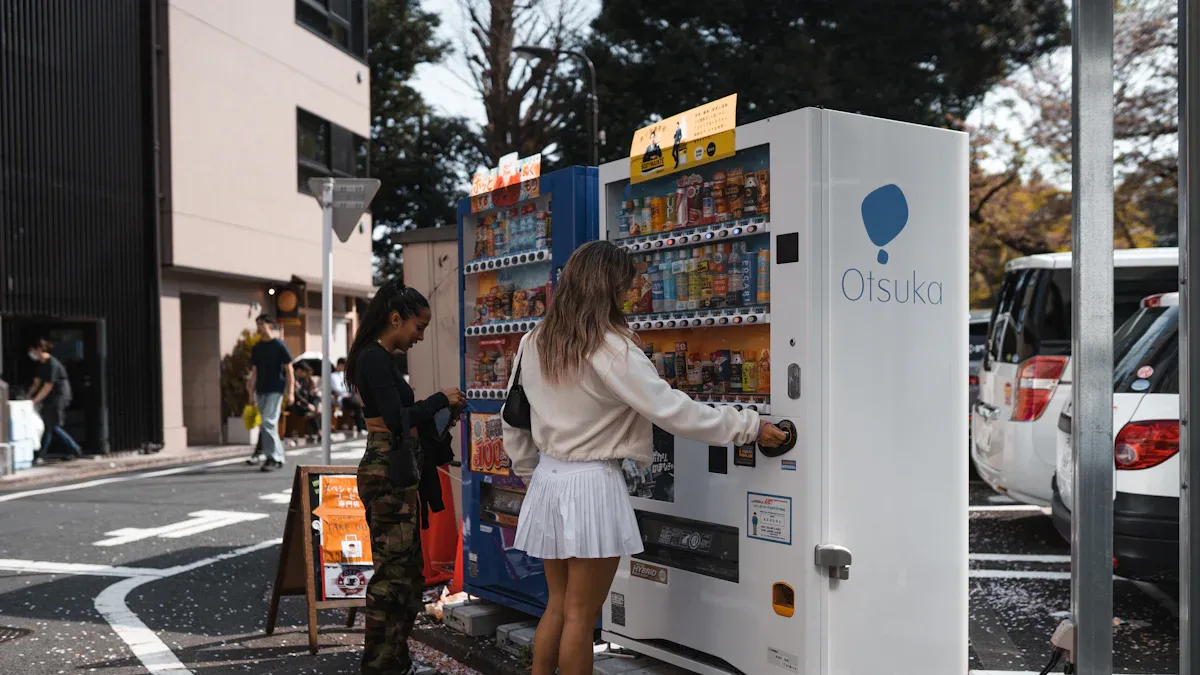
You want to move quickly through airports. Autonomous micro stores help you do that. These stores use automated billing and cashierless checkout. You can finish your shopping in seconds. You do not have to wait in long lines. The grab-and-go process means you spend less time waiting and more time relaxing before your flight. Robotics keep shelves full, so you always find what you need. The table below shows how these stores make your airport experience faster:
Benefit | Description |
|---|---|
Automated billing allows purchases to be completed in seconds. | |
Enhanced Restocking Efficiency | Robotics improve inventory management, ensuring shelves are always stocked. |
Reduced Queues | The grab-and-go process minimizes waiting times for busy travelers. |
You get faster customer throughput and reduced wait times. This leads to higher customer satisfaction and a better customer experience for all passengers.
24/7 Access Points
Airports never sleep. You may arrive late at night or early in the morning. Autonomous micro stores give you 24/7 access to snacks, drinks, and travel essentials. You do not need to worry about store hours. VenHub and other modern solutions use contactless shopping to keep you safe and comfortable. You can shop any time, even when other retail shops are closed. This makes your travel easier and less stressful. Passengers enjoy the freedom to buy what they need, whenever they need it.
Accessibility for All Travelers
Airports serve people from all over the world. Autonomous micro stores help everyone, including travelers with disabilities or those who speak different languages. The simple design and clear instructions make shopping easy for all passengers. You can use touchscreens, mobile apps, or even voice commands. These stores fit into busy transportation hubs and reach areas with high passenger traffic. You get a smooth shopping experience, no matter your needs or background. This focus on accessibility improves the overall passenger experience and supports customer satisfaction.
Autonomous micro stores change the way you shop in airports. You get speed, convenience, and access at any hour. These stores help airports deliver a better experience for every passenger.
You can place micro autonomous stores in high-traffic spots across the airport to boost sales and improve the passenger experience. These stores give travelers 24/7 access, reduce wait times, and make shopping easy. Use the table below to check if your facility is ready for deployment:
Benefit | Description |
|---|---|
24/7 Access | Customers can access essentials anytime, enhancing convenience during travel. |
Reduced Wait Times | Quick shopping experience minimizes time spent in lines, improving customer satisfaction. |
Lower Prices | Cost savings from reduced staffing are passed on to customers, making travel essentials more affordable. |
Review your airport’s layout and use these ideas to create a better experience for every traveler.
FAQ
What are micro autonomous stores?
Micro autonomous stores use technology to let you shop without cashiers. You walk in, pick up items, and leave. Sensors and cameras track your purchases. You get a fast and easy shopping experience.
Where should you place micro autonomous stores in an airport?
You should place micro autonomous stores near gates, baggage claim, entrances, transfer corridors, and busy waiting lounges. These spots see high passenger traffic and help you reach more travelers.
How do micro autonomous stores improve passenger experience?
Micro autonomous stores reduce wait times. You get 24/7 access to snacks and essentials. The stores use smart systems to keep shelves stocked. You enjoy a smooth shopping trip in the hub.
Are micro autonomous stores secure?
Airports use advanced security systems. Cameras and sensors monitor store activity. You can trust that your purchases and safety are protected.
What items can you buy in micro autonomous stores?
You can buy snacks, drinks, travel essentials, and electronics. Stores change products based on passenger needs. You always find useful items for your journey.
See Also
Explore Creative Vending Machine Sites Beyond Conventional Areas
Comparing Micromarkets And Smart Stores In Global Retail Automation
Space-Efficient Snack Vending Machines For Contemporary Environments
