Best practices for launching a pilot autonomous store in Corporate offices & tech parks.


You need best practices to ensure a smooth launch of autonomous stores in your office or tech park. When you follow best practices, you address the main challenges seen in autonomous store pilots. These include technical issues, customer adoption, high costs, and data privacy. You also prevent problems like sensor glitches, inventory errors, and cybersecurity threats. Best practices help you set clear goals and align your team. With these steps, you increase the chance of a successful pilot and make your autonomous project stronger. Every organization can adjust these best practices to fit their needs.
Common challenges in autonomous stores:
Technical issues and downtime
Customer understanding and adoption
Inventory management
Data privacy and security
Shrinkage and fraud
Key Takeaways
Build a strong, cross-functional team to empower decision-making and adapt quickly during the pilot.
Align all stakeholders early to reduce confusion and ensure smooth communication throughout the pilot process.
Set clear, measurable goals for the pilot to track progress and identify areas for improvement.
Choose high-traffic locations for your autonomous stores to maximize user engagement and data collection.
Gather user feedback continuously and use it to refine the pilot, ensuring a responsive and user-focused approach.
Best Practices for Pilot Planning
Project Team and Roles
You need a strong team to run a successful pilot for autonomous stores. Start by building a cross-functional group. Include people from IT, operations, HR, facilities, and security. Each person should know their role and what you expect from them. When you give your team decision-making power, you help them move fast and solve problems. Leading companies use empowered teams for their pilot project. These teams own their work and adapt quickly. They feel safe to share ideas and learn from mistakes.
Here is a table that shows the difference between empowered teams and traditional teams in a pilot program:
Characteristic | Empowered Teams | Traditional Teams |
|---|---|---|
Decision-making authority | Own the 'how' of their work | Require management approval for decisions |
Accountability | Have authority, resources, and accountability | Limited to defined roles and responsibilities |
Psychological safety | Operate with real psychological safety and transparency | May have fear of speaking up |
Adaptability | Experiment and adapt quickly | Often slow to pivot due to approval chains |
Success measurement | Measured by value delivered | Measured by hours logged |
You should also help your team understand how the pilot project will change their daily work. Adjust workflows to support automation, but keep human oversight. This approach helps your team feel ready for digital transformation and the new tasks that come with autonomous stores.
Stakeholder Alignment
You need to align all stakeholders before you launch your pilot program. Stakeholders can include building managers, IT staff, security, finance, and even external partners like startups. Early engagement builds trust and makes roles clear. Bring everyone together at the start of the pilot planning phase. Use structured workshops to help people share ideas and discuss concerns. In these sessions, you can break into small groups for focused talks, then come back together for larger discussions.
Tip: Assign moderators to guide conversations and support each group. This keeps the pilot program on track and ensures everyone feels heard.
When you align stakeholders, you reduce confusion and avoid delays. You also make it easier to solve problems as they come up. This step is key for a smooth digital transformation and a successful pilot.
Setting Expectations
Clear expectations help your autonomous pilot program run smoothly. You should explain what the pilot will test, how long it will last, and what success looks like. Tell your team and stakeholders about possible challenges, like technical issues or changes in workflow. Set realistic goals for the pilot project. Make sure everyone knows how you will measure progress and what you will do with the results.
Use simple language when you talk about the pilot. This helps everyone understand their part in the program. When you set clear expectations, you build trust and keep your autonomous stores pilot focused on the right goals.
Defining Pilot Goals and KPIs
Measurable Objectives
You need to establish goals before you launch your pilot for autonomous stores. Clear goals help you measure progress and understand what works. When you set measurable objectives, you can track the impact of autonomous stores in your office or tech park. Many organizations use specific metrics to check pilot success. These metrics show how well autonomous systems perform and where you can improve.
Here is a table with common objectives for autonomous store pilots:
Metric | Description |
|---|---|
Pilot-to-production conversion rate | Percentage of pilots in production within 12 months |
Median cycle time to production | Average time taken to move from pilot to production |
Cost per successful operational task | Financial cost associated with each successful task |
Production trust metrics | Human-in-the-loop rates indicating trust in the system |
Compliance readiness scores | Metrics assessing readiness for compliance |
You should use these metrics to guide your autonomous pilot. They help you see if your autonomous stores are ready for a bigger rollout.
Success Metrics
Success in autonomous stores depends on the right metrics. You need to track how many users finish a purchase without help. You should also measure how often the system needs human support. Cost per transaction and time to restock shelves are important too. These numbers show if your autonomous pilot meets your goals. When you establish goals, you make it easier to spot problems and fix them fast. You can also compare your results with other autonomous projects.
Communicating Goals
You must share your goals with everyone involved in the pilot. Good communication keeps your autonomous pilot on track. You can involve stakeholders in the planning process and share updates often. This builds trust and shows your team’s skills. Use tools like technology radars and logs to show what you learn. Meet with stakeholders often to answer questions and get feedback. You can also set up informal chats to build strong relationships. When you communicate goals well, you help everyone support the autonomous stores pilot and defend it during reviews.
Strategy for Pilot Scope and Timeline
Location and Store Size
You need to choose the right place for your pilot. The location of autonomous stores affects how many people use them and how well they work. You should look for high-traffic areas in your office or tech park. These spots help you test how many people will use the store. Placing autonomous stores near breakrooms makes them easy to find and encourages more visits. You must also think about accessibility. Make sure everyone, including people with mobility needs, can reach the store. In large offices, you can put autonomous stores on busy floors near elevators or stairs. This strategy increases operational efficiency and helps you collect better data during testing.
Criteria | Description |
|---|---|
High Traffic Areas | Locations with significant foot traffic ensure convenience and encourage usage of the micro market. |
Proximity to Breakroom | Areas near existing breakrooms are ideal for transitioning into micro markets, enhancing their appeal. |
Accessibility | Ensuring the market is accessible to all employees, including those with mobility limitations, is crucial. |
Multi-Floor Consideration | For large offices, placing markets on busy floors near elevators or stairs maximizes accessibility. |
You should also pick a store size that matches your pilot goals. Start small to control costs and focus on automation. A smaller space helps you manage inventory and test cashier-less systems with less risk.
Product Range
You need to decide what products to offer in your autonomous stores. Start with popular snacks, drinks, and daily essentials. This approach helps you see what people like and how automation works with different items. You can add more products as you learn from testing. Keep the range simple at first. This strategy makes it easier to track inventory and measure operational efficiency. You can also test how well cashier-less systems handle different product types. Over time, you will see which items sell best and how automation technologies improve efficiency.
Implementation Timeline
You must set a clear timeline for your pilot. A good pilot implementation strategy includes planning, setup, testing, and review. Start with a short launch phase to install autonomous stores and train your team. Next, run the pilot for a set period, such as three months. Use this time to test automation, collect feedback, and measure efficiency. After testing, review the results and decide if you want to expand. A clear timeline helps you stay on track and improve operational efficiency. You can adjust your strategy as you learn from each phase of the pilot.
Tip: Use a calendar to track each step of your pilot. This tool helps you manage tasks and keeps your team focused on automation and efficiency.
Selecting Participants for a Successful Pilot

Participant Criteria
You need to choose the right people for your autonomous pilot. The group you select will shape the feedback you receive. If you include both new and existing users of autonomous stores, you will gather a wide range of opinions. This approach helps you understand what different users need from autonomous technology. A narrow group can create a feedback loop that misses important insights. You want to avoid this by inviting a diverse set of participants. When you engage a broad user group, you can stress test the pilot. This means you will see how autonomous stores perform under different conditions. You will also spot issues that a small group might miss. Feedback from many types of users helps you judge the market and check for risks. This step supports a strong launch and builds trust in autonomous systems.
Include both new and experienced users of autonomous stores.
Avoid selecting only one type of participant.
Look for diversity in age, job roles, and technology comfort.
Use feedback from all groups to improve the pilot.
Recruitment Process
You need a smart plan to recruit participants for your autonomous pilot. Co-designing your recruitment strategy with users increases engagement. When you involve people in the process, they feel valued and want to join. Timing matters too. You will see better results if you start recruitment during busy periods, like the beginning of a new work cycle. Social media can help you reach more people. Platforms like Instagram work well, especially if you use fun and current content. You should match your advertising style to what is popular online. This keeps engagement high and attracts more users to your autonomous stores pilot. Good recruitment leads to better employee engagement and stronger results for your autonomous project.
Work with users to design the recruitment process.
Start recruitment when people are most active.
Use social media and trending content for outreach.
Keep your message clear and inviting to boost engagement.
Tip: Track engagement levels during recruitment to see what works best for your autonomous pilot.
Feedback Collection and Analysis
User Feedback Channels
You need strong feedback channels to improve your pilot for autonomous stores. After you launch, you should gather feedback from users in many ways. Use digital surveys, suggestion boxes, and quick polls at the store. You can also set up QR codes that link to feedback forms. These tools help you collect feedback right after a user visits the autonomous store. You should encourage honest answers by keeping questions short and easy to understand. When you gather feedback quickly, you spot problems early and keep engagement after launch high.
Data Organization
You must organize feedback to make it useful. Many organizations sort feedback as soon as they receive it. They send each insight to the right team. For example:
Route product complaints to the operations team.
Send technical issues to IT.
Share suggestions for new products with the store manager.
Agentic systems help you by sorting feedback based on context, such as product bugs or delays. In 2026, AI agents watch data from autonomous stores all the time. These agents find problems and start fixes before people notice. This approach moves you from waiting for reports to acting fast. You keep your pilot running smoothly and improve the autonomous experience for everyone.
Insights and Reporting
You need to share feedback insights with your team and stakeholders. The best reporting format depends on the type and amount of feedback you collect. Use this table to choose the right method:
Quadrant | Characteristics | Examples | Recommendation |
|---|---|---|---|
Low Volume + Routine | Simple aggregations, single data source, low frequency | Monthly expense report, quarterly board deck | Manual wins: Use spreadsheets or lightweight dashboards. |
Low Volume + Exploratory | Ad-hoc questions, nuanced interpretation | New market entry analysis, root cause investigation | Manual wins: Human judgment is key. AI can help with prep. |
High Volume + Routine | Repetitive queries, high frequency, consistent format | Daily sales report, automated anomaly monitoring | AI dominates: Automate with scheduled delivery and alerts. |
High Volume + Exploratory | Complex analysis, novel questions | Customer segmentation, campaign deep-dive | Hybrid: AI aggregates, analysts interpret and refine. |
You should review feedback often and adjust your pilot for autonomous stores based on what you learn. This process helps you build trust and improve autonomous systems over time.
Iteration and Rollout Strategy
Refining Based on Feedback
You need to improve your autonomous stores pilot by listening to users and acting on their feedback. Start with iterative feedback loops. These loops help you collect ideas, spot issues, and make changes quickly. Role specialization lets each team member focus on their tasks, which speeds up problem-solving. Adaptive workflows help you adjust your process as new challenges appear. Prompt refinement means you update your system based on real-time feedback. Continuous optimization keeps your autonomous pilot running smoothly. You should also train your staff and update software often. Regular maintenance of hardware prevents downtime. Performance monitoring helps you catch problems before they grow.
Tip: Use digital surveys and quick polls to gather feedback right after launch. This keeps your autonomous stores pilot responsive and user-focused.
Adjusting the Rollout Plan
You must change your rollout plan as you learn from your pilot. Combine technical solutions with operational adjustments. Build resilience in your team and foster trust with users. Continuous improvement and proactive problem-solving help you optimize operations. Begin with a carefully planned pilot that targets specific product categories. Set up measurement frameworks to track technical performance and customer acceptance. Use these metrics to decide how to expand your autonomous stores. Identify areas that need more attention and adjust your rollout plan to fix them. Only 10% of pilot autonomous stores transition to full-scale deployment. You need to learn from each step and stay flexible.
Preparing for Scale
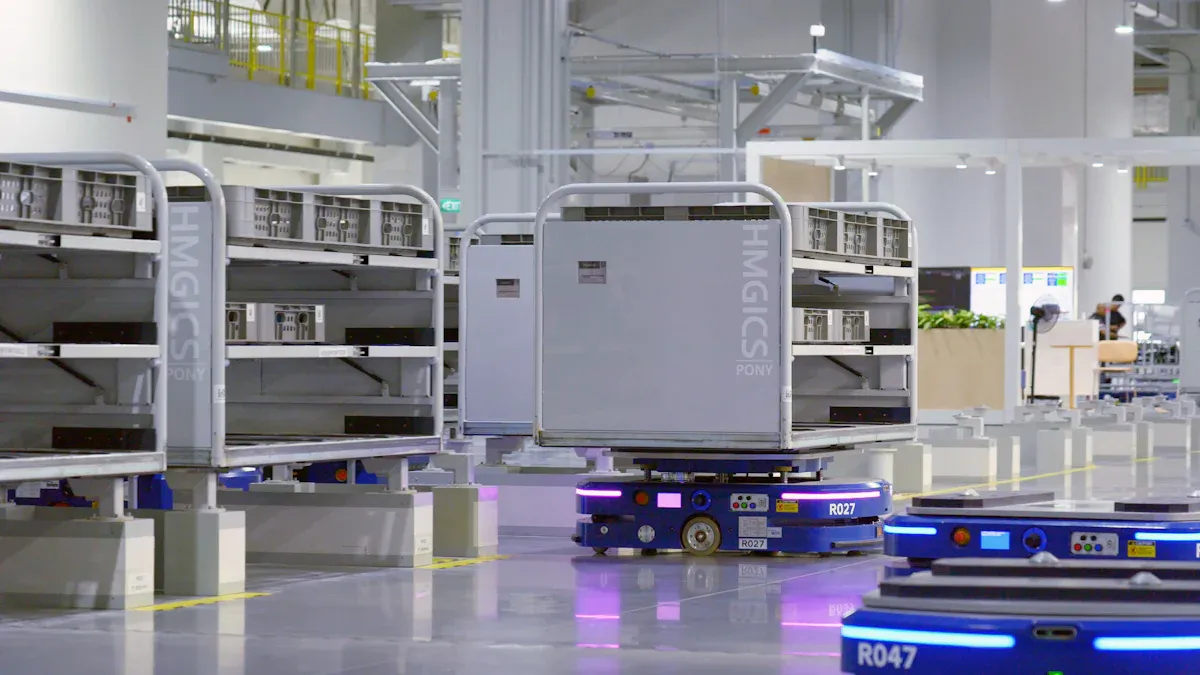
You prepare for launch at scale by following a clear process. Start with planning and vendor selection. Define your requirements and research vendors. Request proposals and set the scope for your pilot. Next, set up infrastructure and integrate systems. Assess the store, install hardware, and deploy software. Calibration, training, and testing come next. Calibrate systems, train staff, and run internal tests. Launch your autonomous stores with a soft opening, then a public launch. Monitor and optimize the system continuously. Use data collected by robots to enhance operations and customer experiences. Partner with experts to guide your transformation journey. Keep your strategy focused on real use cases and amplify the human element.
You play a key role in the success of autonomous stores when you follow best practices and use a structured strategy for your pilot. Clear goals, strong stakeholder alignment, and ongoing feedback help you build trust and drive results. For long-term success, you should focus on continuous AI model training, robust sensor systems, and proactive maintenance. If you want to launch autonomous stores, start by building a cross-functional team, define your pilot scope, and measure your progress. You can also use advanced analytics and ethical AI governance to improve your autonomous project.
Maintain transparency with users about technology and data.
Provide customer support and education for autonomous stores.
Optimize your autonomous systems with real-world data.
Note: These steps help you scale autonomous stores and create a better experience for everyone.
FAQ
What are autonomous stores?
You see autonomous stores as retail spaces that use technology to operate without cashiers. These stores use sensors, cameras, and software. You can enter, pick items, and leave. The system tracks your purchases and charges you automatically. This makes shopping fast and easy.
How do autonomous stores improve the workplace?
Autonomous stores give you quick access to snacks and essentials. You do not wait in lines. The technology helps you save time during your busy day. You can focus on work and enjoy more convenience. Autonomous systems also reduce errors and improve inventory tracking.
What challenges might you face during an autonomous pilot?
You might see technical issues, like sensor errors or software bugs. Users may need time to trust autonomous systems. You must train your team and monitor feedback. Careful planning helps you solve problems fast. A strong pilot makes your launch smoother.
How do you keep data safe in autonomous stores?
You protect user data by using secure networks and strong encryption. Autonomous systems must follow privacy rules. You should update software often and monitor for threats. Clear policies help you build trust. You must explain how autonomous stores handle information.
Can you expand autonomous stores after a pilot?
You can grow autonomous stores if your pilot succeeds. Review feedback and fix issues. Plan for more locations and products. Train your team for larger operations. Use data from the pilot to guide your next steps. A good launch helps you scale autonomous solutions.
See Also
Starting Your AI-Driven Corner Store on a Budget
Essential Insights for Retailers on AI Corner Stores
The Future of Retail Lies in AI-Driven Stores
Comparing Micromarkets and Smart Stores in Global Retail
Modern Retail Advantages of AI-Enhanced Combo Vending Machines
