Technical Analysis and Consumer Satisfaction in Cashierless Retail Scenarios

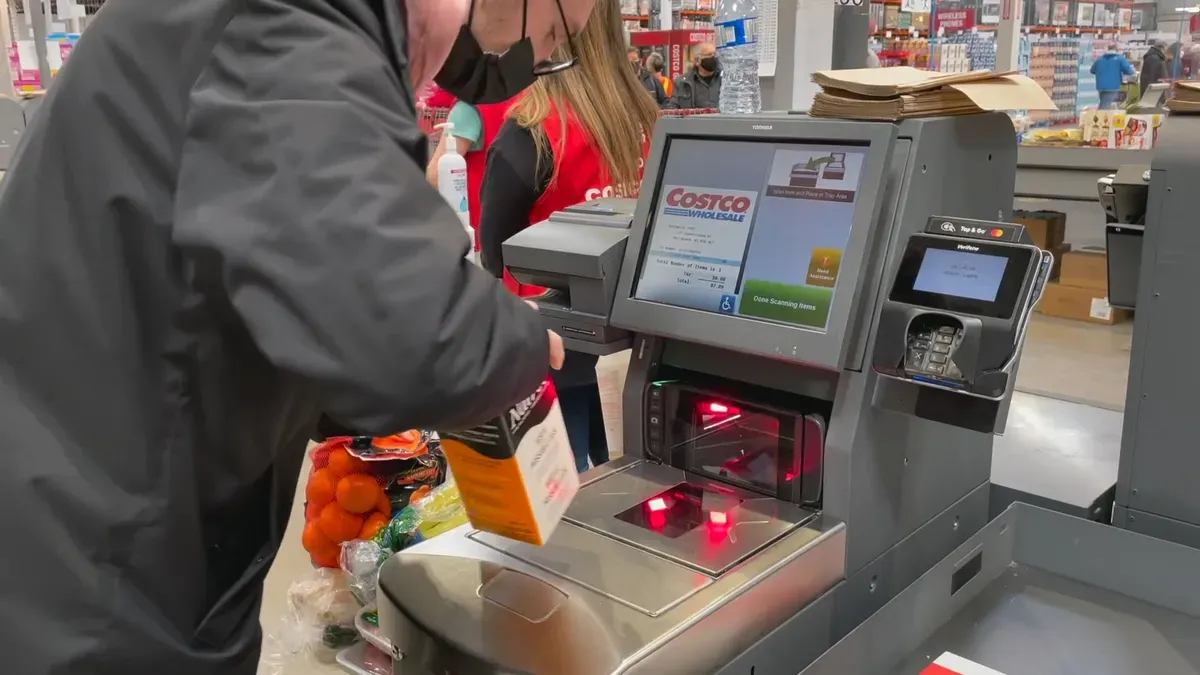
Modern store tech changes physical checkout fast. Main systems use smart cameras, deep learning, and sensors. These new tools remove annoying checkout problems. Shoppers just grab items and leave.
Good hardware setup makes shopping better. It stops long waiting lines.
Still, store owners face tricky technical problems. How do back-end systems balance buyer happiness, store profits, and user privacy?
Stores handle tough choices daily. High worker costs push stores toward automated designs. Also, stores need fast entry, exact payments, and safe data. Keeping shopper trust takes careful system tuning. Making a safe space guides the cashierless retail future. Modern buyers want speed, accuracy, and privacy. Tech experts must fix these designs for future success.
Key Takeaways
Smart cameras and shelf sensors track products automatically.
This removes physical checkout lines.
Stores choose different technologies.
They use computer vision, RFID tags, or mobile scan apps.
Selection depends on store budget.
Cashierless checkouts eliminate long wait times.
They send instant digital receipts to customer phones.
Advanced systems protect shopper privacy.
They convert real video frames into anonymous stick figures.
Human employees change roles.
They move from cashiers to floor guides.
They help customers solve technical glitches.
Automated stores reduce theft.
They lower operating costs.
They use precise weight and visual tracking.
Technical Architecture of Cashierless Checkout Systems
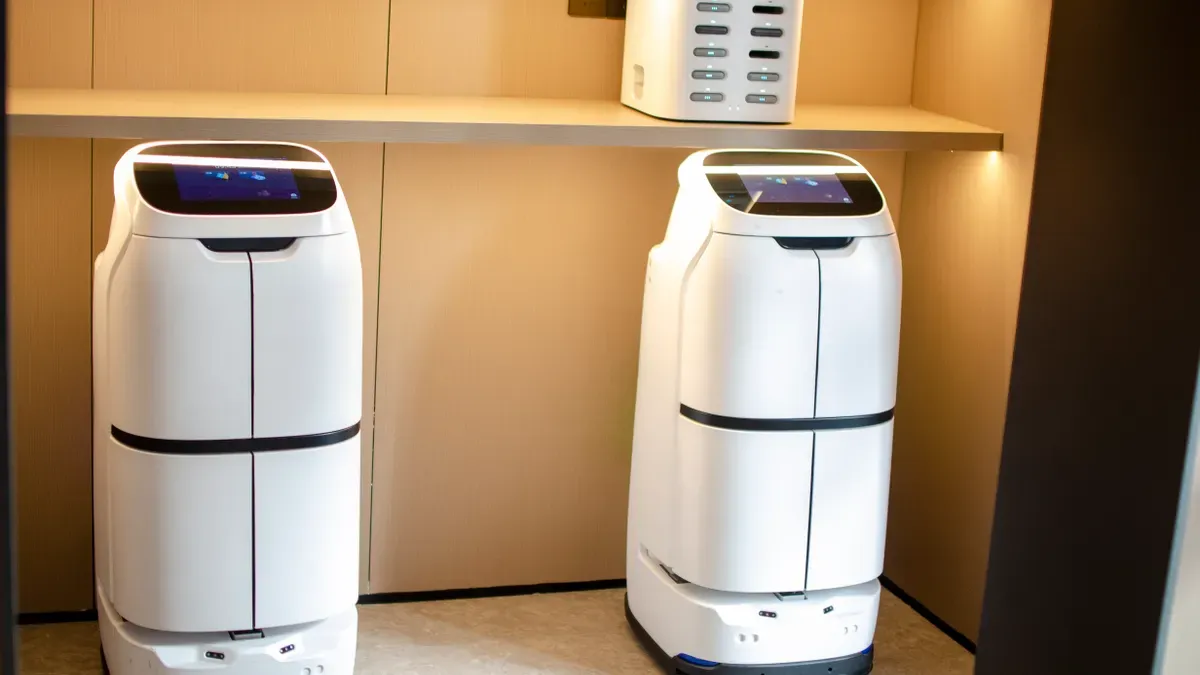
New physical stores use smart hardware networks. They remove human cashiers completely. These technology setups track people and items constantly. Advanced store tools change regular shops into digital spaces. Modern engineering combines key layers for total accuracy.
Computer Vision and Spatial AI
Computer vision acts like eyes for cashierless stores. Large camera networks process video feeds quickly. Spatial artificial intelligence changes images into clear actions.
Overhead Camera Networks and Object Detection
Engineers place many ceiling cameras across stores. These cameras share views to remove blind spots.
[Ceiling Camera Network]
       │
       ▼
[Image Frame Capture] ──► [Bounding Box Detection] ──► [SKU Classification]
Smart object detection tools check video feeds fast. Convolutional neural networks sort items by appearance. The system finds correct stock-keeping units easily. It works even when items rest upside down.
Dense camera networks give total visual coverage. Good lighting stops dark shadows on item labels.
Real-Time 3D Tracking and Occlusion Handling
Spatial AI builds live 3D store maps. Smart algorithms track every buyer from start to end.
The system tracks body points constantly.
Algorithms give temporary hidden numbers to buyers.
Tracking boxes keep item links during close passes.
Shoppers cross paths often. People also reach past others. These actions block camera views of items briefly. Spatial AI fixes view blocks by checking video order. Software rebuilds paths before and after view blocks.
Multi-Sensor Fusion and IoT Integration
Visual camera data cannot handle all store actions. Autonomous stores add hardware sensors to cameras. This multi-sensor fusion style ensures high accuracy. It helps complex cashierless checkout setups work well.
Sensor Type | Primary Function | Data Output |
|---|---|---|
Overhead Cameras | Spatial tracking and visual identification | High-definition video streams |
Shelf Weight Sensors | Product removal and return detection | Precision weight delta values |
Time-of-Flight Sensors | Depth perception and distance measurement | Infrared point cloud maps |
Weight Sensor Arrays in Smart Shelves
Smart store shelves contain small weight sensors. These weight bases spot tiny pressure changes instantly.
weight change = initial shelf weight - current shelf weight
The main system counts items using weight changes. It divides total weight change by item weight. A buyer takes a drink from the shelf. The smart shelf reads the exact weight loss. This physical weight check helps top cameras. Double checks prevent wrong item reads.
IoT Edge Nodes and Deep Learning Models
Internet of Things edge gear connects sensors to hubs. Smart shelves send live weight numbers using simple code. Deep learning models process new sensor streams fast.
# Example logic for multi-sensor event verification
def verify_item_pickup(camera_event, shelf_weight_change):
    if camera_event.detected and shelf_weight_change > 0:
        if camera_event.item_weight == shelf_weight_change:
            return "CONFIRMED_PICKUP"
    return "FLAG_FOR_REVIEW"
These machine learning models fix mixed sensor data. Cameras struggle when shoppers block shelf views. The shelf sensor detects thirty grams falling. Sensor fusion combines both signals for accurate records. This combined setup builds reliable automated store systems.
Infrastructure and Processing Efficiency
Fast working speeds need strong local computer setups. Stores hate slow internet during shopping trips. Local compute power gives instant store responses.
On-Premise Low-Latency Edge Computing
Cashierless stores process big data in local rooms. On-premise edge servers use powerful graphics cards. Local edge units run smart neural networks fast. They do not send heavy videos over web lines.
Low latency stays vital for safety and accuracy. Edge nodes process multi-camera feeds in milliseconds. Fast processing links buyer spots with item moves. Local computer setups save web data usage. Stores keep working even during web outages.
Cloud Synchronization and Billing Engines
Edge servers handle local area tracking. Meanwhile, cloud tools manage long-term system jobs. Local edge nodes send small summaries to clouds. This happens right as buyers leave the store.
Shopper walks out through the exit turnstile.
Edge server compiles verified virtual cart data.
Billing engines process digital payments via stored account details.
Cloud software issues digital receipts to customer mobile accounts.
Cloud systems process money payments safely through codes. Central databases update stock records for all stores. Modern cashierless stores run cloud updates behind scenes. This smooth pipeline creates fast shopping trips without stops. Strong back-end setups turn tech designs into easy routines.
Alternative Hardware Implementations
Top camera networks cost a lot of money. Computer vision needs pricey edge units and power. Not every store needs spatial artificial intelligence. Owners often pick cheaper hardware choices instead. Other systems lower setup costs very fast. Owners pick designs based on store layout.
Hardware Architecture | Initial Capital Cost | Item-Level Tagging Cost | Primary Technical Limitation |
|---|---|---|---|
Computer Vision Arrays | Very High | Zero | Camera view blocking and dense crowds |
High-Frequency RFID | Moderate | High (Per-tag cost) | Liquid and metal signal blocking |
Mobile Scan-and-Go | Low | Zero | Shopper scan errors and loss risk |
High-Frequency RFID Scanners
RFID tech offers an easy alternative tracking choice. Stores put small electronic tags on items. These tags store digital item details clearly. High-frequency scanners send radio waves through zones. Smart antennas read many tags per second.
RFID systems read items without line-of-sight. This design fixes view blocks in aisles.
[Tagged Merchandise] ──► [Radio Frequency Pulse] ──► [RFID Portal Antenna] ──► [Instant Cart Assembly]
Shoppers put items inside smart baskets quickly. Antenna arrays read every tag code fast. Payment software totals bills without human help. This system speeds up automated clothing shops. Clothes hold thin RFID stickers easily today.
Radio waves hit physical blocks in groceries. Water absorbs high-frequency signals easily. Metal cans bounce radio energy away fast. These problems cause wrong stock counts often. Stores build hybrid systems to fix this. They mix weight sensors with RFID readers. RFID tags raise daily store costs too. Stores buy tags for every single item. Extra costs lower profits on cheap foods.
Mobile App and Scan-and-Go Hardware
Mobile app setups do not need sensors. Stores let buyers scan items on phones. Shoppers download apps, add cards, and scan.
Scan-and-go models cut setup costs very fast. Stores use Bluetooth beacons and simple software. Buyers make digital carts on phone screens. Mobile apps lock data and pay safely.
The shopper opens the mobile app inside.
The phone camera scans barcodes on items.
The app updates cart totals right away.
The buyer pays and gets an exit code.
Exit gates scan the phone to open.
Scan-and-go tools help buyers track total costs. Shoppers see prices before leaving the store. Quick total costs help people manage money.
Scan-and-go designs create new store theft risks. Shoppers forget to scan items sometimes. Unscanned items leave shops without checks. Stores add exit gear to protect goods. Smart floor scales weigh bags at exits. Systems calculate total weight with easy math:
expected bag weight = sum of scanned item unit weights
Extra weight makes smart exit gates close. Systems use smart code for random checks. Systems calculate audit scores with simple math:
audit score = customer risk level + item value factor + cart variance
High audit scores call workers for checks.
# System logic for random scan-and-go audits
def check_audit_trigger(user_trust_score, cart_total_value):
    if user_trust_score < 70 or cart_total_value > 150:
        return "TRIGGER_MANUAL_AUDIT"
    return "ALLOW_INSTANT_EXIT"
Mobile tools replace old register lanes easily. Old checkout areas create long lines daily. Scan-and-go apps spread scanning across floors. Shoppers finish buying anywhere inside the shop.
Cheaper hardware options help small shops grow. Small shops start mobile apps very quickly. Department stores use RFID gates for speed. Mixed stores combine apps, RFID, and cameras. Layered setups protect profits and speed checkout.
Impact on Consumer Satisfaction and Friction
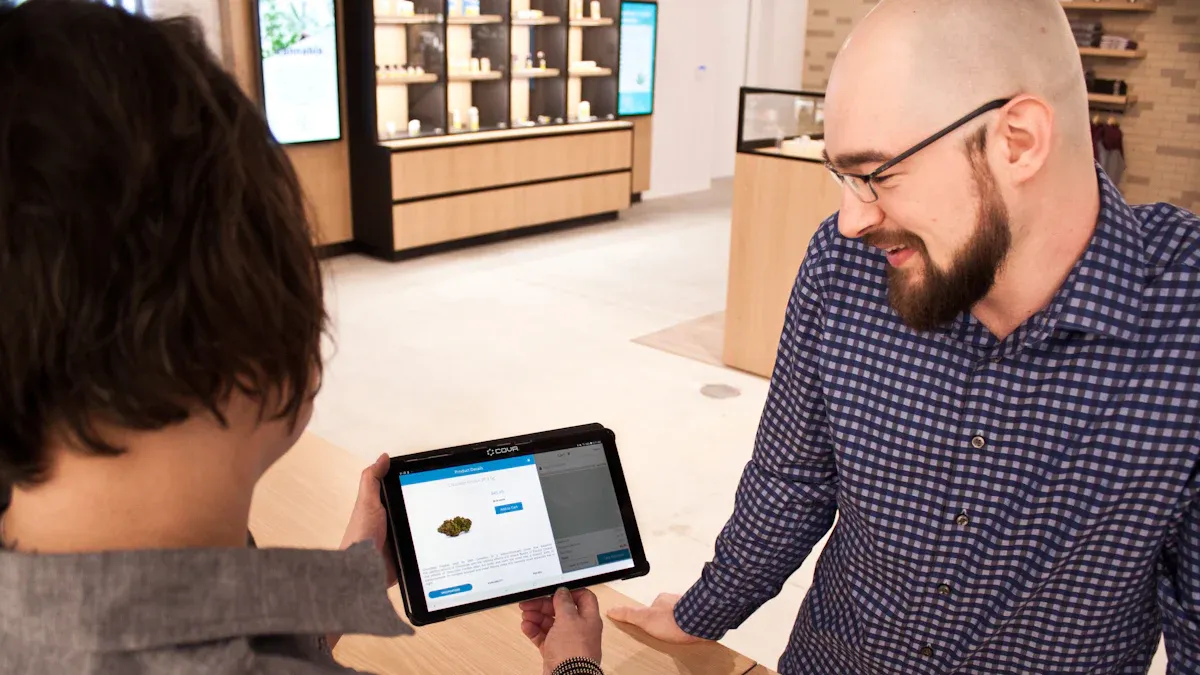
New store tech changes how people buy things. Smart tools change how buyers rate physical stores. Removing human registers changes shops completely. Still, store owners must balance tech accuracy and comfort. Modern buyers balance fast speeds with software errors.
Key Consumer Satisfaction Drivers
Cashierless stores bring great speed and ease. Smart software tracks store items directly. Buyers enter, pick up items, and leave right away.
Elimination of Queue Friction and Wait Times
Old store setups force buyers into long lines. Standing in line annoys busy buyers deeply. Removing physical registers changes buyer habits fast. Smart tools process item picks in real time.
Checkout Method | Average Time Spent in Line | Customer Friction Point |
|---|---|---|
Standard Register | 6 to 9 minutes | Manual barcode scanning delays |
Traditional Self Checkout | 3 to 5 minutes | Item weight errors and manual interventions |
Cashierless Stores | 0 minutes | Virtual cart verification at exits |
Cashierless stores remove waiting lines fully. Buyers walk past turnstiles without stopping. This design removes hassle in every store aisle. Camera systems register picked items right away. Fast checkouts save valuable time for buyers. People complete short trips easily. Speed helps city shoppers enjoy trips more.
Automated Loyalty and Mobile Payment Integration
Smart shops link mobile apps with payment tools. Buyers scan one digital code at entrance gates. System networks connect visits to digital accounts automatically.
[Entry QR Scan] ──► [Profile Authentication] ──► [In-Store Item Pick] ──► [Auto-Charge Loyalty Account]
Digital loyalty cards add active coupons during visits. Systems apply savings without paper receipts or manual codes. Phone apps calculate final savings behind scenes. Smooth setups build easy shopping trips for everyday buyers. Buyers get instant phone alerts after leaving shops. Clear phone alerts build strong trust in smart checkouts.
Fast digital receipts show savings, item counts, and points right after shoppers leave.
Technical Friction and Billing Risks
Smart setups can create wrong charges by mistake. Camera networks misread human movements in aisles sometimes. Technical errors hurt buyer trust if stores ignore mistakes.
Addressing Phantom Charges and Misidentification
Overhead cameras struggle inside busy store aisles. Many shoppers grabbing items can confuse smart cameras. Systems put items into wrong virtual bags sometimes. Tech teams call these tracking errors phantom charges.
# Virtual cart reconciliation logic
def resolve_cart_discrepancy(camera_confidence, sensor_weight):
    if camera_confidence < 0.85 and sensor_weight == 0:
        return "REMOVE_PHANTOM_ITEM"
    return "CONFIRM_CART_ITEM"
Smart backend code checks sensor data to fix charges. Local edge hubs verify item moves with shelf scales. Lower camera trust scores trigger system flags. Quick bill fixes stop customer anger fast. Exact virtual carts protect trust across cashierless setups.
Mobile Connectivity and App Entry Barriers
Cashierless store gates need strong mobile internet signals. Bad cell signals block phone apps at gates. Buyers get upset when entry turnstiles miss codes.
Dead signal spots block app loads at doors.
Old phone software stops payment app starts.
Low phone battery stops new entry codes.
Shops fix signal problems using local door Wi-Fi. Clear signs tell visitors about app needs. Easy entry keeps buyers happy from start to finish.
Preparing the Workforce for a Frictionless Future
Automated gear changes overall store worker roles. Store automation does not remove human staff completely. Technology alters daily worker jobs a lot.
Transitioning Cashiers to Customer Experience Coordinators
Old store models put workers behind heavy counters. Automated checkouts remove registers from store floors. Retailers turn old cashiers into active floor guides. These workers become customer experience coordinators.
[Traditional Cashier] ──► [System Retraining] ──► [Customer Experience Coordinator]
                                                             │
                                                             ├─► System Monitoring
                                                             ├─► Product Guidance
                                                             └─► Live Problem Solving
Coordinators help shoppers across store aisles. Employees keep store shelves full and neat. Staff members check live digital screens on tablets. Screen alerts show system errors fast. Job shifts improve overall customer service during visits. Human help remains vital inside smart cashierless shops.
In-Store Problem Solving and Personal Support
Tech bugs happen in modern digital retail spaces. Weight sensors miscount shelf items sometimes. Unregistered buyers need fast gate entrance help. Human workers fix technical problems right away.
Fast human help stops small tech bugs from spoiling shopping trips.
Coordinators carry smart hand tablets around. Devices fix virtual cart errors fast. Floor guides fix virtual carts if systems fail. Direct employee help comforts worried buyers in shops. Friendly human support guards brand trust during software bugs. Smart tech plus helpful workers builds future stores. Modern shops grow when human care matches cashierless tech.
Data Privacy, Security, and Consumer Trust
Stores must protect private data. This keeps customer trust strong. Smart tools gather data constantly. Stores must shield data streams from bad actors.
Surveillance and Biometric Tracking Concerns
Shoppers question heavy store monitoring. Stores balance good tracking and personal privacy.
Facial Recognition vs. Anonymous Skeletal Tracking
Facial tools scan faces to find people. Many buyers hate face scans in public shops. Most cashierless stores skip facial scans fully. Instead, spatial AI uses hidden body tracking.
[Camera Feed] ──► [Identify Joint Points] ──► [Map Stick Figure] ──► [Track Motion Vector]
Body tracking turns people into simple stick figures. Sensors find main joints like elbows and knees. Systems log map spots without saving face details. Smart code tracks moves without saving user names.
Perceived Intrusiveness of Dense Camera Arrays
Large camera networks make buyers feel watched. Clear words help reduce buyer worries fast. Stores place helpful signs near front doors. Signs explain how code hides real visual details. Honest updates lower customer stress very well.
Data Protection and Compliance
Strict privacy rules demand safe data pipelines. Engineers build safety tools inside local systems.
Edge-Level Anonymization Protocols
Local edge units clean video feeds fast. Hardware processes raw pictures inside local units.
# Video frame anonymization pipeline
def anonymize_frame(video_frame):
    face_locations = detect_faces(video_frame)
    for face in face_locations:
        video_frame.apply_blur(face)
    return video_frame
Local computers blur faces right away. Video streams remove personal details quickly. Main databases get only coded numbers. Fast cleaning prevents bad video leaks.
Adherence to GDPR and CCPA Regulations
Strict privacy laws protect all buyer records. Rules make companies manage user data safely. Systems keep virtual carts away from payment records. Systems delete move logs after trips end. Audits ensure code respects user privacy choices.
Equitable Access and Cashless Laws
Automated shops can exclude some buyer groups. Unbanked shoppers use cash for daily items.
Mitigating Exclusion for Unbanked Shoppers
Cashless stores block people without bank accounts. An economic study by Federal Reserve Bank economist Oz Shy showed that forcing unbanked shoppers onto prepaid cards creates severe economic burdens. Stores add cash-to-card machines near doors. Shoppers feed paper money to get digital cards.
Legislative Mandates for Cash Acceptance
Local laws force physical stores to take cash.
Jurisdiction / Company | Specific Requirement or Action |
|---|---|
Massachusetts | Enacted the 1978 amendment compelling merchants to accept paper currency |
Philadelphia | Enforced a total ban on cashless retail operations starting July 2019 |
San Francisco | Mandated cash acceptance for storefronts while exempting mobile vendors |
New York City | Created financial penalties starting at $250 for cashless store violations |
Stores change setups by adding mixed payment options. Amazon Go added cash payment tools to obey laws. Extra gear helps cashierless stores serve everyone fairly.
Operational ROI and the Cashierless Retail Future
Money managers check automated store tools carefully. They measure long-term money gains. Big start costs must bring real savings later. New store setups change store math fully.
Labor Costs and Implementation Economics
Rising pay pushes store bosses toward automation. Daily store costs grow fast in big cities. Smart stores offer quick fixes for high costs.
Offsetting Rising Labor Costs with Automation
Worker pay takes a huge part of budgets. Worker-free store ideas lower the need for staff. Systems move workers from scanning to better jobs.
Annual Payroll Expense = Hours Worked x Average Hourly Wage + Benefits Cost
Stores cut total work hours for each shop. Tech stops pay growth while shops stay open.
Automated checkouts lower store work costs greatly each year.
Capital Expenditure and Retrofitting Expenses
High setup costs remain a huge money problem. Ceiling cameras and smart shelf sensors cost much. Fixing old stores costs lots of money per foot.
Expense Category | Hardware Setup | System Integration | Annual Maintenance |
|---|---|---|---|
High-Density Computer Vision | High | Complex | Moderate |
Hybrid Weight & Camera | Moderate | Balanced | Low |
Mobile Scan-and-Go Infrastructure | Low | Simple | Minimal |
Store bosses calculate payback times very carefully. Exact tracking brings profits that cover setup costs quickly.
Shrinkage and Loss Prevention
Stealing and employee theft hurt store profits constantly. Smart stores use computer networks to stop lost stock.
AI Detection of Theft and Organized Retail Crime
Smart vision tools watch stealing patterns right away. Smart networks spot risky moves fast:
Buyers hiding goods inside personal coats.
Bad actors changing high-price tags.
Thief groups clearing whole store shelves fast.
Systems alert guards fast on small handheld screens. Quick alerts stop theft before thieves reach store doors.
Sensor Fusion Accuracy in Preventing Inventory Loss
Cameras alone can miss fast theft in crowds. Mixed sensors check video feeds against shelf scales.
# Theft detection verification logic
def verify_item_removal(camera_event, weight_delta):
    if weight_delta > 0 and not camera_event.detected:
        return "ALERT_SUSPICIOUS_ACTIVITY"
    return "LOG_NORMAL_TRANSACTION"
Combined sensor signals find total cart weights easily. Exact math stops common stock loss on store floors.
Inventory Control and Supply Chain Efficiency
Exact stock control boosts total store money profits. Smart stores gather clear item move data constantly.
Real-Time Shelf Stock Monitoring
Smart shelves count total items on display automatically. Top cameras check stock levels without human workers. Automated stock tracking removes manual late night checks. Stores keep correct stock records for every shop.
Automated Restocking and Demand Forecasting
Cloud programs guess sales jumps by checking past sales. Systems make auto restock orders when items drop.
Cashierless stores lower out-of-stock events during peak times. Exact item move data helps shippers plan routes. Constant data tracking turns shops into smart hubs. The retail future relies on joined, automated data.
Stores spending on cashierless tools update customer hopes. New smart setups build profitable shops while advancing tech. Smart designs prove that automated stores lead future retail.
Good store tech improves shopping fast. Computer vision and sensors help shops. Smart systems boost store profits quickly. They remove long waiting lines. Store owners keep shopper trust safe. They protect private data from leaks. Easy entry tools stop billing errors.
Useful Tip: Stores should try mixed models. Mixing smart tools with workers creates great shopping.
Human workers fix tech bugs fast. Meanwhile, automated networks manage store stock. Store owners will master smart shops soon. This mixed plan brings future success. Helpful staff with smart tools builds future stores.
FAQ
How do cashierless stores track customer purchases accurately?
Stores use multi-sensor fusion. Cameras track movement using spatial AI. Smart shelves weigh items. Edge systems mix data. They update virtual carts fast.
What stops cameras from breaking privacy laws?
Local units clean video feeds. Software blurs faces fast. Spatial AI uses stick figures. Systems store zero face data. Stores follow CCPA rules.
💡 Key Takeaway: Smart tracking protects personal privacy. It turns raw video into simple stick figures.
How do smart systems stop store theft?
Smart code watches shoppers constantly. Algorithms spot theft risks. Sensors check weight changes. The network alerts store guards fast.
What happens if system bugs cause wrong charges?
Systems flag low trust scores. Coordinators help shoppers using handheld tablets. Cloud tools fix phantom charges fast. Digital receipts show clear details.
Can unbanked consumers shop in autonomous stores?
| Access Option | Implementation Method | Shopper Benefit | | : | : | : | | Cash-to-Card Kiosks | Entrance units swap cash for digital cards | Helps people without bank accounts | | Hybrid Registers | Assisted lanes accept paper money | Follows local cash payment laws |
Shoppers without bank accounts still buy things. City laws force stores to accept paper money. Stores put cash-to-card kiosks near doors. Visitors insert cash to get simple payment cards.
Why do stores pick edge units over clouds?
Edge servers process video locally in milliseconds. This local setup lowers network lag greatly. Stores keep running during internet outages. Local compute units also save expensive web data usage.
See Also
Examining The Pros And Cons Of Walgreens Automated Checkout Systems
Comparing Global Micromarkets And Smart Stores In Modern Automated Retail
Transforming Traditional Retail Stores With Easy Cloudpick Cashierless Shopping Technology
Tracing The Historic Journey And Future Growth Of Automated Checkouts
Understanding How Artificial Intelligence Store Technology Reshapes Modern Retail
