Retail AI Showdown Cloud Computing Versus Edge Computing

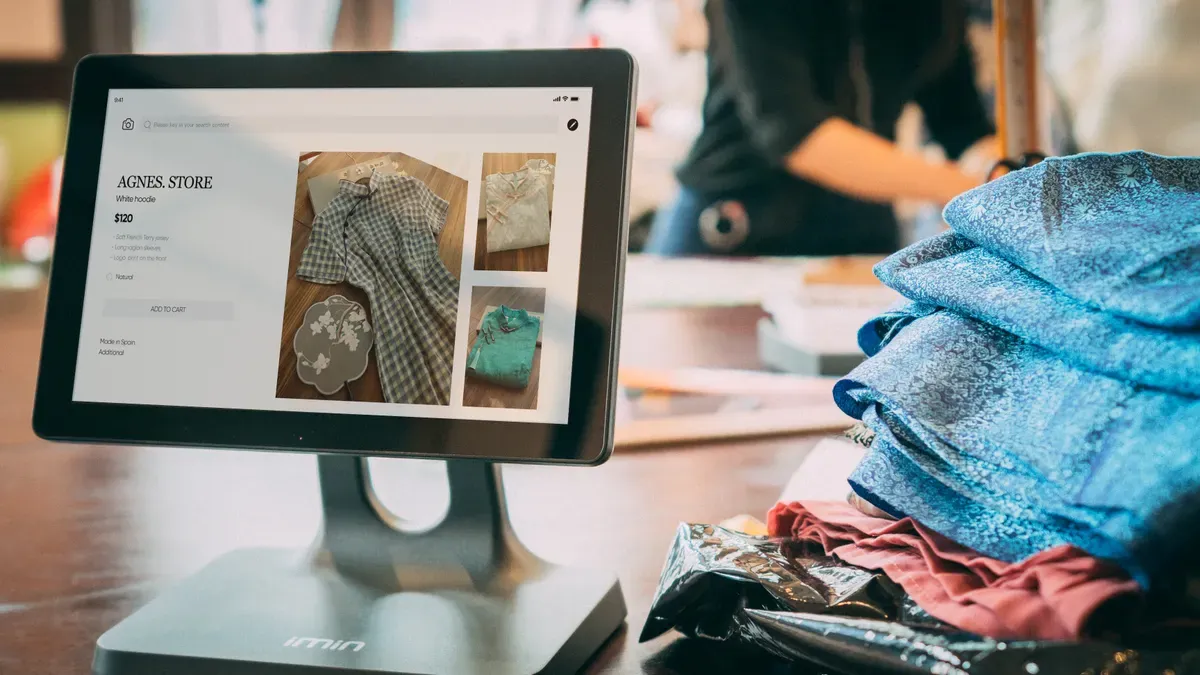
You have a big choice in retail AI when considering cloud vs edge computing. You must pick between these two options, and the best choice depends on what you want. You may want faster speed, lower cost, or better security. Retailers like you want real-time insights. You also want your store to run better and keep data safe. These factors help you choose your technology.
Concern | Description |
|---|---|
Real-time Insights | Real-time insights let you act fast and help your store work better. |
AI makes your work easier and helps you get more done. | |
Keeping customer data safe and earning trust is very important for your business. |
Cloud vs edge computing are at the heart of this choice. The right setup lets you use retail AI in the best way.
Key Takeaways
Pick edge computing if you want quick answers and instant updates in your store.
Use cloud computing when you need to look at lots of data and plan for the future to make things work better.
Think about using both together to get fast results and keep control, so you get the good parts of cloud and edge.
Keep your important data safe by storing it close by with edge computing.
Look at what your store needs, like price and how much it can grow, before you pick a type of technology.
Cloud Computing in Retail AI
What Is Cloud Computing?
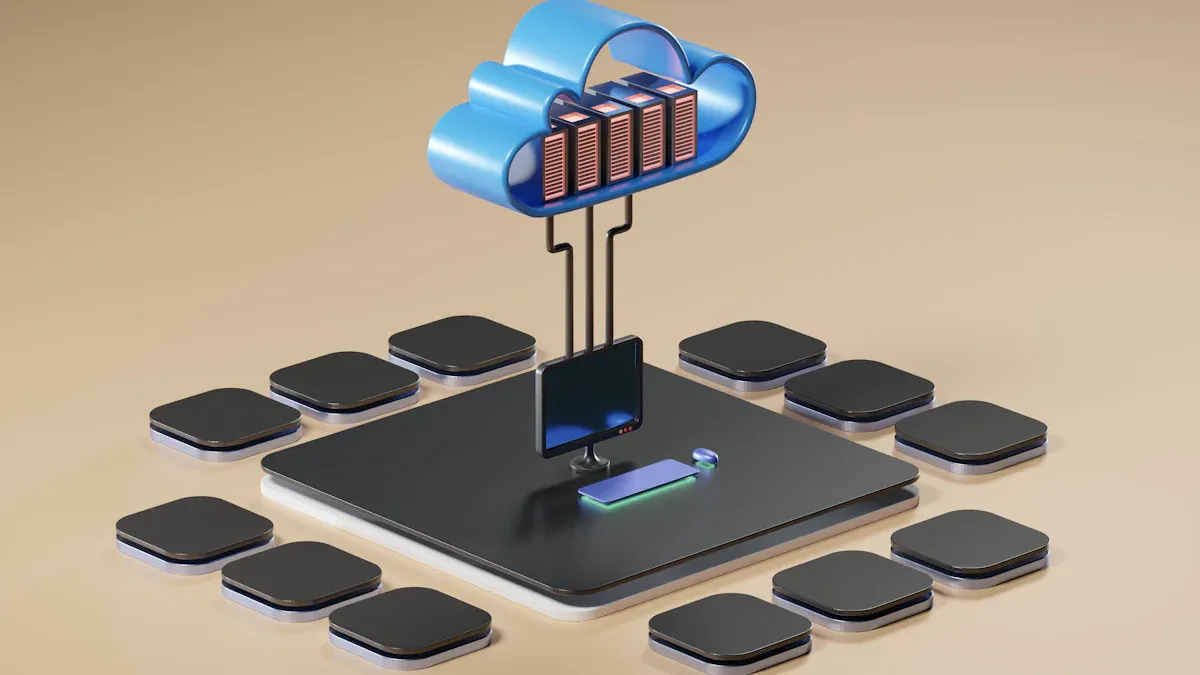
Cloud computing means you use faraway servers to store data. These servers are in big buildings called data centers. You reach them using the internet. You do not need to buy costly computers. Cloud computing gives you strong tools and lots of space. You can add or remove resources as your store changes. This helps you during busy times or when more people shop.
With cloud computing, you get smart AI tools and reports from any place. You do not have to fix servers or update programs yourself.
Benefits for Retail AI
Cloud computing helps your store in many ways. You can check your stock, watch sales, and see what shoppers like. The cloud helps you guess what will sell and make better choices. It also keeps your data safe and private. The table below lists the main benefits for retail AI:
Benefit | Description |
|---|---|
Scalability | You can change how much you use to fit your needs. |
Data Analysis | You can guess trends and plan your stock and workers. |
Self-Service BI | You can decide things without always asking IT for help. |
Financial Management | You can watch money coming in and going out and make reports. |
Security | You keep customer and business data safe. |
Compliance | You can follow rules and laws more easily. |
Disaster Recovery | You can get your data back fast if there is a problem. |
Efficiency | You can make your store work better and earn more. |
Customer Satisfaction | You can give better service and make shoppers happy. |
Common Use Cases
Cloud computing is used in many retail AI jobs. You can look at sales numbers and find shopping trends. You can run rewards programs and send special deals to shoppers. You can check stock in all your stores and warehouses. You can also run ads and see if they work. Cloud computing helps with online shopping, phone apps, and paying with cards.
When you look at cloud vs edge computing, you see cloud is good for jobs that need lots of data and power. You use the cloud for big reports and planning for the future. In the cloud vs edge computing talk, the cloud is great for hard AI jobs and helping your store grow.
Edge Computing in Retail AI
What Is Edge Computing?
Edge computing puts computer power close to where data starts. In stores, this happens with devices like sensors or cameras. You do not send all your data to faraway places. Instead, you handle information right where it is made. This way, you get answers faster. You use less internet and keep your data safe. Edge computing is important when you compare cloud vs edge computing for your store.
Edge AI Advantages
Edge AI gives your store many good things. The table below lists the main advantages:
Advantage | Description |
|---|---|
You check data in your store, so you do not wait for the cloud. This helps you make quick choices. | |
Reduced bandwidth and costs | You send less data online, which saves money and keeps your network open for other jobs. |
Increased security | You keep more data in your store, so there is less risk of leaks when sending or storing in the cloud. |
Better reliability | Your systems keep working even if the internet stops or the cloud has trouble. |
Edge AI helps you act quickly, save money, and protect your store’s data.
In-Store Applications
Edge computing can help with many jobs in your store. Here are some examples:
Inventory systems that track what you have and what you need.
Smart carts that use sensors and cameras to check items and prices.
Smart fitting rooms that help shoppers try on clothes and get ideas.
Energy systems that control lights and temperature to save power.
Real-time fraud tools that spot and stop bad transactions fast.
These examples show how edge computing makes your store smarter and more efficient. You give customers a better experience and keep your business running well.
Cloud vs Edge Computing: Key Differences
Speed and Latency
Speed is important when your store needs to act fast. Latency means how long it takes for data to travel and return. Cloud computing sends data to faraway servers, which can slow things down. Edge computing handles data right in your store, so you get answers much faster.
Factor | Cloud Computing | Edge Computing |
|---|---|---|
Typical latency | 30 to 60 milliseconds round trip | 5 to 20 milliseconds, sometimes lower |
Stores need quick reactions. For example, cameras can spot shoplifting with edge computing and alert staff in just a few milliseconds. Cloud computing may take longer, so you might miss important moments. Studies show edge computing can make latency up to 90% lower. Edge computing can answer in 1 to 5 milliseconds, but cloud computing can take 50 to 200 milliseconds. This big difference matters for real-time analytics and fast customer service.
Tip: If you want instant feedback in your store, edge computing gives you the speed you need.
Cost and Scalability
Cost is a big worry for every store. You pay for cloud computing based on how much data you send and store. Big companies charge for sending data out. For example, AWS charges $0.09 per GB, Azure charges $0.087 per GB, and Google Cloud charges $0.085 per GB. If you move 50 TB of data, you could pay between $3,500 and $7,000. These costs can add up fast.
Edge computing helps you save money. You process data in your store and only send important information to the cloud. This can cut your data needs by 50-90%. You spend less on bandwidth and keep your network open for other jobs.
Scalability is another big difference. Cloud computing gives you lots of storage and strong tools. You can grow your business and handle more data easily. Edge computing has limits because it depends on local devices.
Cloud Computing | Edge Computing | |
|---|---|---|
Scalability | Immense scalability and vast storage | Limited by local resources |
Data Management | Centralized storage and management | Local processing, less centralization |
Computational Resources | Powerful for large-scale applications | May lack resources for big jobs |
Note: If you run a big chain, cloud computing helps you grow fast. Edge computing saves money for stores that need quick, local answers.
Reliability and Uptime
You want your store systems to work all the time. Reliability means your systems keep running, even if something goes wrong. Edge computing helps because your devices work in your store. If your internet goes down, your store can still process data and help customers. Edge computing lets you keep important systems running during outages.
Edge computing lets local systems work alone if the cloud connection fails.
It spreads out the work, so devices keep going during short outages.
Local storage on edge devices stops data loss and helps you recover fast.
Spreading out work across edge nodes protects against big problems.
Cloud computing uses central servers. If there is a problem with the cloud, your store may lose access to important tools. Edge computing lowers this risk and keeps your store running well.
Alert: Edge computing is a good choice if you want your store to stay open and safe during internet or cloud outages.
Data Security and Privacy
Keeping customer data safe is very important. Cloud computing stores data in one place. This can make it a target for hackers. Risks include data breaches, account hijacking, and government access. Complicated setups can cause mistakes and weak spots.
Edge computing handles data in your store. You send less data over the internet, so there is less risk of someone stealing it. You protect private information by keeping it close. Edge computing also helps you follow privacy rules like GDPR. You can check rules in your store and hide data in real time.
Cloud Computing Risks | Edge Computing Advantages |
|---|---|
Data breaches | |
Account hijacking | Reduces data transmission, lowering interception risk |
Government access to data | Limits exposure to unauthorized access |
Complex configurations leading to vulnerabilities | Only processes necessary data, minimizing risk |
Susceptibility to hacking due to centralized data | Protects against data tampering in specific instances |
Aspect | Cloud Computing | Edge Computing |
|---|---|---|
Data Handling Compliance | Centralized storage may complicate compliance | Local processing can enhance compliance |
Automated Monitoring | Needs robust systems for compliance | Easier to check compliance locally |
Data Anonymization | Needs extra security layers | Can anonymize data in real time |
Tip: If you want to protect customer privacy and follow strict rules, edge computing gives you more control.
You can see that cloud vs edge computing changes speed, cost, reliability, and security in your store. You need to think about these differences to pick the best solution for your retail AI needs.
Retail AI Scenarios Compared
Real-Time Analytics
You want to know what is happening in your store right now. Real-time analytics help you see trends and track sales fast. You can also spot problems quickly. Edge computing gives answers in just milliseconds. Cloud computing can take much longer, sometimes seconds or minutes. The table below shows how each works for real-time analytics:
Requirement | Usually best at the edge | Usually best in the cloud |
|---|---|---|
Response time | Milliseconds to seconds | Seconds to minutes |
Connectivity dependency | Can work during outages | Needs steady connection |
Workload type | Local, real-time | Global, long-term |
If you need answers right away, edge computing is best. Cloud computing is good for big reports and planning ahead.
Inventory Management
You need to know what products are on your shelves. Edge computing uses sensors and cameras to count items right away. This helps you keep shelves full and avoid lost sales. The cloud helps you look at sales trends and plan for busy times. Using both together gives you the best results. You can fix problems fast and get ready for the future.
Tip: Use edge computing for quick updates. Use cloud computing for planning and big reports.
Customer Personalization
You want shoppers to feel special in your store. Cloud technology helps you study lots of customer data. You can see what people buy and what they like most. AI tools in the cloud find patterns and suggest new products. Real-time analytics help with changing prices and special deals. This makes shoppers happy and brings them back.
You can look at lots of data to make shopping personal.
AI recommendations help you sell more.
Real-time analytics let you change prices and offer deals.
Store Operations
You want your store to work well every day. Edge computing helps you spot theft and control energy use. It also keeps systems working if the internet goes out. Smart cameras and sensors help you watch for problems. Edge AI can help change prices to cut food waste. For example, Tesco used edge AI to waste less food. Walmart used AI in the supply chain and saved money.
Description | Key Benefits |
|---|---|
Real-time insights from edge computing | Stores run better, cost less, and shoppers are happier |
Decentralized data processing with Edge AI | Smarter inventory, better planning, lower costs |
Advanced sensors and cameras | Find theft early and act fast |
Dynamic pricing for expiring goods | Less food is wasted |
Edge and automation together | Faster service and happier customers |
When you compare cloud and edge computing, you see both help in different ways. You can pick the best mix for your store.
Hybrid Approaches in Retail AI
What Is Hybrid Cloud-Edge?
You can use a hybrid cloud-edge approach to get the best of both worlds. This setup combines public cloud, private cloud, and your own store systems. You create a flexible IT environment that fits your needs. With this approach, you balance cloud and edge computing for better performance. You get faster speed, stronger compliance, and more reliable store operations. Many retailers choose hybrid solutions because they want to use real-time analytics in stores and still manage data in one place.
Note: A hybrid approach helps you handle quick tasks in your store and big reports in the cloud.
When to Use Hybrid Solutions
You should use hybrid solutions when you want both speed and control. For example, smart shelves in your store can tell staff when to restock. You can also use hybrid systems to get advice on where to place products. These systems look at how shoppers move around your store. You get fast answers from edge devices and use the cloud for deeper analysis. This setup works well if you have many stores or need to follow strict rules.
Use hybrid when you want real-time updates and long-term planning.
Choose hybrid if you want to save money on data costs.
Pick hybrid if you need to keep your store running during internet problems.
Retail Examples
Many big retailers use hybrid cloud-edge solutions. Walmart uses a real-time inventory system that mixes edge and cloud tools. Walgreens uses 5G and mobile edge computing in thousands of stores to make shopping smarter. Royal Caribbean puts a local Kafka cluster on each cruise ship. This helps with payments and gives guests personal recommendations. These examples show how hybrid setups help stores work better and serve customers faster.
You can see that cloud vs edge computing does not have to be an either-or choice. A hybrid approach lets you use both for the best results.
Choosing the Right Solution
Key Factors for Retailers
You have many choices when picking AI for your store. First, think about what is most important for your business. Here are some things to think about:
Latency needs: Pick edge if you want results right away.
Data volume: Edge is good if you want to send less data online.
Scalability: Hybrid lets you grow and change as needed.
Compliance: Hybrid gives you more control over your data location.
Existing systems: Choose what works best with your current tools.
Cost: Think about the total price, not just the first cost.
Application needs: Some jobs work better with edge or hybrid.
Future plans: Think about what will help your store grow later.
Tip: Write down your top three needs before you choose.
Decision Checklist
This table can help you compare your choices. Check which benefits are most important for your store:
Benefit | Description |
|---|---|
Edge lets you see and use shopper data right away. | |
Enhanced inventory management | Local data helps you track stock and keep shelves full. |
Improved customer insights | Fast data gives you quick feedback on sales and deals. |
If you want fast answers and better stock tracking, edge or hybrid may be best. If you need big reports and planning, cloud can help more.
Future Trends
Retail AI is always changing. New tools and ideas are coming soon. Here are some trends to watch:
Trend Description | Details |
|---|---|
Stores use smart robots and local AI for faster stocking and delivery. | |
Edge-native data fabrics | Data moves easily between stores and main offices for better planning. |
Sustainability at the edge | Local devices use less energy and help the planet. |
AI-driven personalization at scale | Shoppers get instant deals and suggestions based on what they do. |
5G-driven experience innovation | Faster networks make shopping smoother and more fun. |
Autonomous retail | Stores try self-running systems that use edge computing. |
AI co-pilots at the edge | Workers use AI helpers to give better service. |
Localized edge marketplaces | Stores and suppliers share data to pick the best products. |
Regulatory edge compliance | New rules help keep local data safe and private. |
You will need to keep learning as cloud and edge computing change. Be ready to change your plan when new technology comes out.
Cloud and edge computing each have their own good points for retail AI. The best choice depends on what your store needs most. You might want things to be fast, cheap, or safe. Hybrid solutions let you use both cloud and edge together. This gives you more choices and better results. The table below lists the main benefits of hybrid setups:
Benefit | Description |
|---|---|
Prevalidated, turnkey deployments | You can start fast with setups that already work well. |
Scalable infrastructure | You can grow your AI without making big changes. |
Hybrid support | You get both local control and cloud flexibility. |
Secure data processing | Your data stays safe while you use cloud tools. |
Incremental scaling | You add more resources only when you need them, which saves money. |
Think about what matters most to your store. Hybrid solutions help you keep private data in your store. You can also use the cloud when your store gets busy. Make sure to look at your needs before you choose.
FAQ
What is the main difference between cloud and edge computing?
Cloud computing uses remote servers to process data. Edge computing processes data close to where it starts, like in your store. You get faster results with edge computing. Cloud computing works best for big data and long-term planning.
Can you use both cloud and edge computing together?
Yes, you can use both. This is called a hybrid approach. You get fast answers in your store and use the cloud for big reports. Many retailers choose this setup for the best results.
Is edge computing more secure than cloud computing?
Edge computing keeps more data in your store. This lowers the risk of data leaks. You control your data better. Cloud computing needs strong security tools to protect information stored far away.
How do you decide which solution is right for your store?
Write down your top needs. Think about speed, cost, and privacy. If you want fast answers, choose edge. If you need big reports, choose cloud. Hybrid gives you both.
See Also
Understanding AI-Driven Convenience Stores for Modern Retailers
A Comparative Analysis of Amazon Go and Cloudpick
The Future of Retail: Embracing AI-Enabled Stores
How Cloudpick's Smart Checkout Systems Improve Shopping Experience
