cloud vs edge computing stories from retail AI success

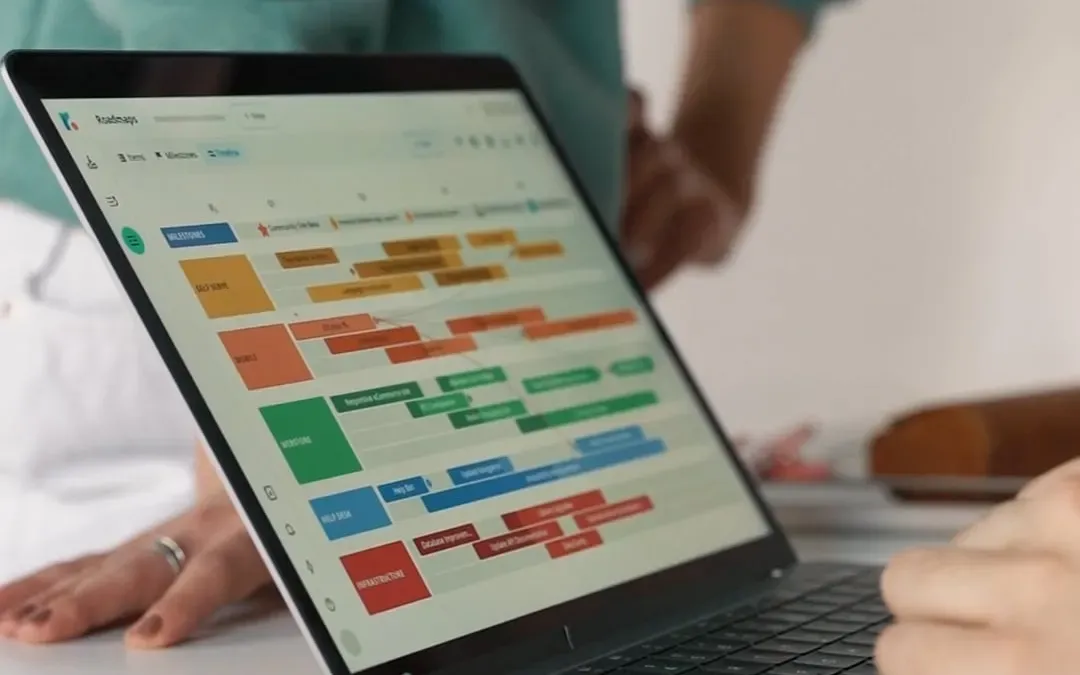
You see new changes in retail technology every year. When considering cloud vs edge computing, both offer special tools for retail AI. Picking one depends on your business goals and problems. Check the numbers below to see how both markets grow:
Technology | Year | Market Size (USD Billion) |
|---|---|---|
Cloud Computing | 2025 | |
Cloud Computing | 2031 | 1,869.8 |
Edge Computing | 2026 | 70.4 |
Edge Computing | 2035 | 232.5 |
Cloud vs edge computing will change your retail future. Think about what your store needs most as you look at these choices.
Key Takeaways
Edge computing lets stores make decisions fast. It helps stores react quickly to what customers want. This makes shopping better for everyone.
Cloud computing helps stores look at data in one place. It is easier to check inventory and study data from many stores. This helps stores make smarter choices.
Using both cloud and edge computing can make AI work better. It keeps things fast and safe while helping stores serve customers well.
Cloud computing helps stores send special offers to each customer. Stores can use shopping habits to make offers fit each person.
Cloud and edge computing each have their own good points. Stores should pick the best mix for their goals and customers.
Retail AI Needs: Speed, Scale, and Efficiency
Real-Time Decision Making
Retail stores must make fast choices. Edge computing lets you handle data right where it is made. This means you can help customers right away. You do not have to wait for data to travel far. Fast decisions make shoppers happy and keep your store working well. Edge computing cuts down on waiting and gives you answers right now. You can change prices or restock shelves quickly.
Edge computing helps you move fast, which is important in busy stores.
With edge computing, you can:
React to what customers do right away.
Make checkout lines shorter.
Work faster in your store.
Scalability and Centralized Analytics
Stores deal with lots of data every day. Cloud computing lets you use AI in many stores at once. You can look at all your data in one spot. This helps you see patterns and make smart choices. Your team can work together better with good data. Cloud computing helps you train and watch your AI tools. You can use AI everywhere and stay ahead of other stores.
First, learn where your customers connect with you.
Make sure your data is good and check your AI often.
Use cloud computing to grow your AI and get better data.
Operational Efficiency in Retail
You want your store to work well. Edge computing helps by using local data. This saves internet use and makes things run smoother. Cloud computing helps you look at big sets of data and train AI. Both types of technology are useful.
Aspect | Edge Computing | Cloud Computing |
|---|---|---|
Real-time Processing | Best for handling data right away | Can be slower because data must travel |
Latency | Less waiting since data stays close | More waiting because data goes to a server |
Data Privacy | Keeps data safer by not sending it far | Data could be at risk when sent over the internet |
Data Analysis | Only looks at local data | Great for big data and training AI |
Makes choices faster with local data | Slower because of sending data |
You can use less internet to save money and make things faster. Picking the best mix of edge and cloud computing helps your store use AI well.
Cloud Computing Success in Retail AI
Inventory Optimization
You want your store shelves full but never overflowing. Cloud computing helps you track inventory across all your stores at once. With ai, you can see what sells fast and what sits too long. You can use this information to order just the right amount of products. Cloud computing lets you analyze sales data from every location. You can spot trends and predict what customers will buy next week.
Here is how cloud computing and ai improve inventory management:
Benefit | How It Helps Your Store |
|---|---|
You can see what is in stock at every store, every minute. | |
Demand Forecasting | Ai studies shopping patterns to help you order the right products at the right time. |
Waste Reduction | You avoid overstock and cut down on waste, saving money and space. |
You can use these tools to keep your shelves stocked and your customers happy. Cloud computing makes it easy to manage inventory, even if you have many stores.
Personalized Marketing
You want every customer to feel special. Cloud computing gives you the power to understand what each shopper likes. Ai studies customer data and finds patterns in what people buy. You can use this knowledge to send offers that match each person’s taste. When you use cloud computing, you can run marketing campaigns for thousands of customers at once.
Cloud computing lets you process data quickly and find out what your customers want.
Ai helps you create marketing messages that speak to each shopper.
You can use cloud computing to build shopping experiences that feel personal and unique.
Many big brands use cloud computing and ai to send the right deals to the right people at the right time.
You can make every shopper feel seen. This leads to more sales and loyal customers.
Fraud Detection
You want to keep your store safe from fraud. Cloud computing helps you watch for strange activity across all your stores. Ai can spot patterns that look like fraud, such as odd returns or fake coupons. You can use cloud computing to check millions of transactions in real time. This helps you stop fraud before it becomes a big problem.
Here are the main advantages of using cloud computing for large-scale ai deployments:
You can use cloud-based systems to improve your store’s operations.
Cloud computing lets you scale up or down as your store grows or gets busy.
You get access to advanced tools like machine learning and big data analytics.
Cloud computing and ai applications work together to protect your business. You can react fast and keep your customers’ trust.
Edge Computing Success in Retail AI
Real-Time Checkout
You want your customers to pay fast. Edge computing helps you run smart checkout systems in your store. These systems use ai to scan items and take payments right away. You do not need to send data far. This means you get less waiting and quicker transactions. Your customers spend less time in line. You can make your store work better and make shopping easier.
Edge computing lets you check payments and scan items in your store.
You cut down wait times and make shopping easier.
Your store can help more shoppers without slowing down.
Tip: Edge computing can help your store run better and make customers happier.
In-Store Experience
You want shoppers to have a good time in your store. Edge computing lets you see what customers do as it happens. Ai can give shoppers special offers and suggestions while they shop. You can help shoppers find things and suggest products they may like. This makes shopping more fun and helps you sell more.
Edge computing lets you react to customers right away. You can change displays or send offers as soon as someone comes in. You do not need a central server. Your store gets smarter and responds faster.
Note: Edge computing helps you make shopping special so customers want to come back.
Privacy-First Analytics
You want to keep your customers’ information safe. Edge computing keeps data private by handling it in your store. You do not need to send sensitive data over the internet. This lowers the risk and helps you follow privacy rules. You can manage private data in your store and keep it safe.
Edge computing helps you follow privacy rules.
You can keep customer information safe and build trust.
Local processing helps privacy-first analytics in retail ai.
Callout: Edge computing lets you handle sensitive data, like healthcare or payment info, without sending it outside your store.
Common Pitfalls and Solutions
Retailers sometimes have problems with edge computing for ai. You may focus too much on tech and forget business goals. You can fix this by setting clear goals and measuring success. You may have trouble adding devices from different brands. You can solve this by picking platforms that work with open standards and checking for compatibility. Some stores forget about data rules and privacy. You can avoid this by making privacy and compliance part of your system from the start.
Pitfall | Solution |
|---|---|
Misalignment with business goals | Set goals and measure success |
Complexity of edge environments | Check for compatibility and open standards |
Neglecting data governance | Add compliance from the start |
Edge computing gives you many good things, but you must plan well. You can use ai to make checkout faster, improve shopping, and protect privacy. You can beat common problems by focusing on your business and following best steps.
Cloud vs Edge Computing: Key Differences for Retail AI
When to Use Each Approach
You have many choices when using ai in your store. Cloud vs edge computing gives you two main options. Pick cloud computing if you want to handle data from many stores together. This is good for tracking inventory, running big ads, or spotting fraud. Cloud computing lets you use strong tools and see all your data in one place.
Edge computing is best when you need fast answers in your store. Use edge computing for real-time checkout, quick price changes, or privacy-first analytics. It helps you work with data right where it happens. This means you can help customers fast and keep their data safe.
Here is a simple guide to help you pick:
Use Case | Cloud Computing | Edge Computing |
|---|---|---|
Centralized analytics | ✅ | |
Real-time checkout | ✅ | |
Personalized marketing | ✅ | |
Privacy-first analytics | ✅ | |
Inventory optimization | ✅ | |
Offline operation | ✅ |
Tip: You do not have to choose just one. You can use both cloud and edge computing for your ai projects.
Benefits and Challenges
Cloud vs edge computing has different good points and problems. Cloud computing makes it easy to grow and use smart analytics. You can manage many stores and use advanced ai tools. But you might wait longer because data travels far. Using a lot of internet can also cost more.
Edge computing gives you fast answers and can save money over time. You handle data in your store, so you use less internet and keep customer data safer. You can still work if the internet stops. But edge computing needs more devices and skilled workers. You must take care of many devices and keep them safe.
Cloud computing:
Easy to grow
All data in one place
May be slower and cost more for internet
Edge computing:
Fast answers
Saves money later
Harder to set up and manage devices
Note: Cloud vs edge computing helps you match ai to your business needs. Think about speed, cost, and safety before you choose.
Hybrid Solutions: Combining Cloud and Edge for Retail AI
Seamless Inventory and Customer Experience
You get better results when you use both cloud computing and edge computing together. Many stores use edge computing at each store to handle data right away. This helps you react fast to what customers need. For example, edge computing can track inventory as it changes and send alerts if stock is low. It can also give shoppers deals or help them find items quickly.
Cloud computing works behind the scenes to collect all your store data. You can use it to train AI, look at sales trends, and manage inventory in many stores. Using both gives you quick help in stores and smart choices from the cloud.
Here is a table that shows how hybrid solutions help in retail:
Solution | Description |
|---|---|
Handles data in stores for fast checkouts and personal service. | |
Smart Inventory Management | Uses IoT and AI to watch stock and cut down waste. |
Kyndryl and Microsoft Hybrid Cloud | Brings together management and security, making customer experience better. |
Tip: Edge computing lets you help customers fast, and cloud computing helps you see everything at once.
Optimizing AI Performance
You can make your AI work better by using both edge and cloud computing. Edge computing lets you use data in the store, so you get answers right away. This is good for checkout or helping customers on the floor. Cloud computing lets you train big AI models and keep lots of data.
When you use both, you can:
Make decisions fast with less waiting.
Keep private data safe by handling it in the store.
Keep working even if the internet stops.
Use cloud computing to update and improve your AI.
Let edge computing do real-time jobs, like spotting objects or fixing things before they break.
You can follow these steps to build a strong hybrid AI system:
Train your AI model in the cloud.
Make the model ready for edge devices.
Put the model on edge devices in your stores.
Run real-time AI jobs on edge hardware.
Use cloud computing to watch and control everything.
Note: Hybrid solutions help you balance speed, privacy, and smart thinking. You get the best of both edge computing and cloud computing for your store.
You have seen that cloud and edge computing each bring special strengths to retail AI. Cloud solutions help you manage data and scale your business, while edge computing gives you fast, local results and keeps customer data safe. Many stores now use a mix of both for the best results.
Trust and consistency matter most for your AI success.
Hybrid strategies help you balance speed, privacy, and smart insights.
Your choice should match your store’s goals and customer needs.
Take time to review your business needs. Pick the approach—or combination—that helps your store grow and keeps your customers happy.
FAQ
What is the main difference between cloud and edge computing in retail AI?
Cloud computing processes data in a central server. Edge computing handles data right in your store. You get fast results with edge. You get big data analysis with cloud.
Can you use both cloud and edge computing together?
Yes, you can. Many stores use both. You run real-time tasks on edge devices. You use cloud for big data and AI training. This gives you speed and smart insights.
How does edge computing help with customer privacy?
Edge computing keeps data in your store. You do not send private information over the internet. This helps you follow privacy rules and build trust with shoppers.
Is cloud computing more expensive than edge computing?
Cloud computing can cost more for internet and storage. Edge computing needs more devices in your store. You should check your needs and budget before you choose.
See Also
Understanding AI-Driven Convenience Stores: Essential Insights for Retailers
The Future of Retail Lies in AI-Enhanced Stores
Transforming Online Retail Management with AI-Driven E-Commerce Solutions
Modern Retail Benefits from AI-Enhanced Combo Vending Machines
