Customer behavior trends in autonomous retail environments in Airports & transportation hubs.

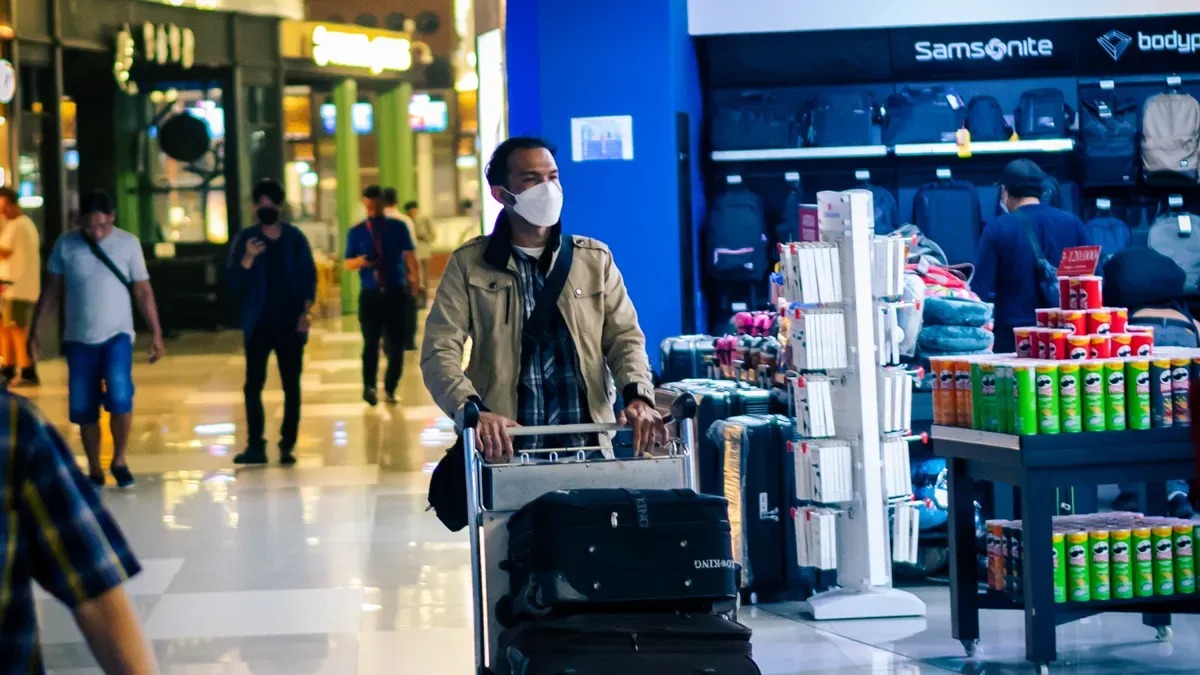
You notice how airport shopping feels different these days? AI and smart tech now shape your experience from the moment you pass security. Stores pop up where you spend the most time, making it easy to grab something on a whim. New systems track what travelers like, so you see more of what you want and less waiting in line. For you, this means faster, more personalized, and touch-free shopping. Airport operators and retailers pay close attention to these customer behavior trends because meeting your needs keeps you coming back.
Key Takeaways
Impulse buying is common in airports, with nearly one in three travelers making spontaneous purchases. Retailers can capitalize on this by placing appealing products in high-traffic areas.
Emotional engagement enhances shopping experiences. Bright displays and friendly staff can make you feel more connected, leading to increased spending.
Demand for seamless, contactless shopping is rising. Technologies like face-pay systems and mobile apps streamline the purchasing process, making it quicker and safer for travelers.
Personalization is key. Retailers use AI to tailor offers to your preferences, making shopping more enjoyable and relevant to your needs.
Airports are evolving into experiential retail spaces. Unique shopping experiences and premium offerings attract leisure travelers, making their time enjoyable and memorable.
Customer behavior trends in airport retail
Impulse buying patterns
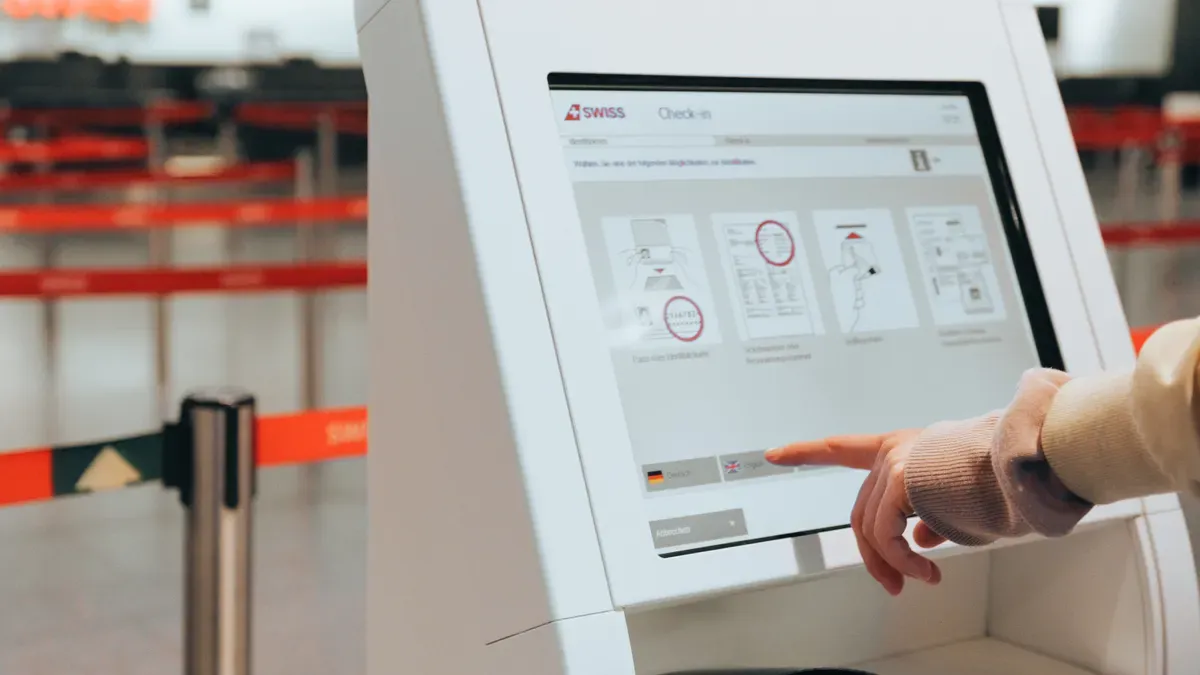
You probably notice how easy it is to grab something you didn’t plan to buy when you walk through airport retail. The environment encourages you to make quick decisions. You see snacks, drinks, or souvenirs right where you wait or pass by. These items often end up in your hands before you even realize it.
Here’s a look at the most common impulse buying patterns among travelers in autonomous airport retail:
Impulse Buying Patterns | Description |
|---|---|
Food and drink purchases | These items significantly outpace other purchases in travel hubs. |
On-the-go shopping | Necessity items, treats, and souvenirs are increasingly popular. |
Self-gifting | More travelers buy gifts for themselves while traveling. |
Treat Yourself economy | Self-indulgence is reshaping the travel retail landscape. |
Promotions and sampling | Special offers and samples turn browsers into buyers. |
Dwell time monetization | Retailers use your waiting time to encourage spending. |
Immersive tasting festivals | Events and tastings make waiting more fun and boost spending. |
High price perception | Some shoppers still hesitate because they think prices are too high. |
Nearly one in three airport retail shoppers make impulse purchases. That means about 33% of sales come from these quick decisions.
This number has grown from just over 20% in 2019, showing a big shift in customer behavior trends.
Studies confirm that almost one-third of travel retail shoppers worldwide now buy on impulse.
Impulse buying is a big part of airport retail. You might not plan to shop, but the setup makes it hard to resist.
Emotional engagement in shopping
You don’t just shop for things you need. Sometimes, you shop because it feels good. Emotional engagement plays a huge role in airport retail. The space is designed to catch your eye and spark your interest. Bright displays, fun events, and friendly staff all help you feel connected.
Emotional engagement shapes your decisions in airport retail. You might buy something just because you feel happy or excited.
Almost one in three shoppers now make impulse buys, up from just over one in five in 2019.
The airport environment, cool in-store activities, and personal attention from staff all influence what you buy.
Stores use high-impact displays and immersive brand experiences to trigger impulse buying.
Dr. Peter Mohn, a leading expert, says that spontaneity is now a big part of how people shop in airports. Your mood and emotions matter. Brands know this and try to connect with you on a deeper level.
At BLR Airport, the retail strategy focuses on creating emotional connections, almost like a theme park. They use storytelling and guest-focused service to meet both your needs and your desires. Research shows that when you enjoy your airport experience, you spend more. So, making shopping fun and memorable is key.
Demand for seamless, contactless experiences
You want things to be quick and easy, especially when you travel. The demand for seamless and contactless shopping in airport retail keeps growing. You see more face-pay systems and digital solutions that let you shop without touching cash or waiting in line.
Face-pay systems make transactions fast and contactless, which helps both you and the store.
78% of airports now use digital solutions to improve your shopping experience.
The push for frictionless experiences is a main reason airport retail keeps growing.
You want both digital convenience and real human interaction.
Self-checkout systems help you skip the line. You can finish your purchase on your own, which saves time and makes you happier. Automated payment options also make you feel safer and fit your tech-savvy lifestyle. Some stores use computer vision and biometric checks for a fully contactless experience.
The MishiPay mobile self-checkout system, for example, gets a high customer satisfaction rating—4.85 out of 5. Over 90% of shoppers who open the app end up buying something. This shows that seamless, contactless shopping really works for you.
Personalization and digital preferences
You like it when stores know what you want. Personalization is a big trend in airport retail. Stores use AI and data to learn about your preferences. They offer you products and deals that match your interests.
Recent trends show that airport retail is using AI-driven analytics and personalized shopping experiences. You get more tailored offers and digital payment options. This makes shopping more fun and engaging.
Looking ahead, smart retail environments and eco-friendly products will shape your choices. You’ll see more mobile app pre-ordering and personalized messages from brands. These strategies make your shopping experience smoother and more enjoyable.
Personalized marketing based on your behavior leads to offers you actually want.
At San Diego International Airport, behavior analytics helped staff spot busy times and adjust schedules. This made shopping easier and boosted sales.
You want airport retail to fit your needs and style. Personalization and digital tools help make that happen.
Drivers of change in airports
Technology and automation
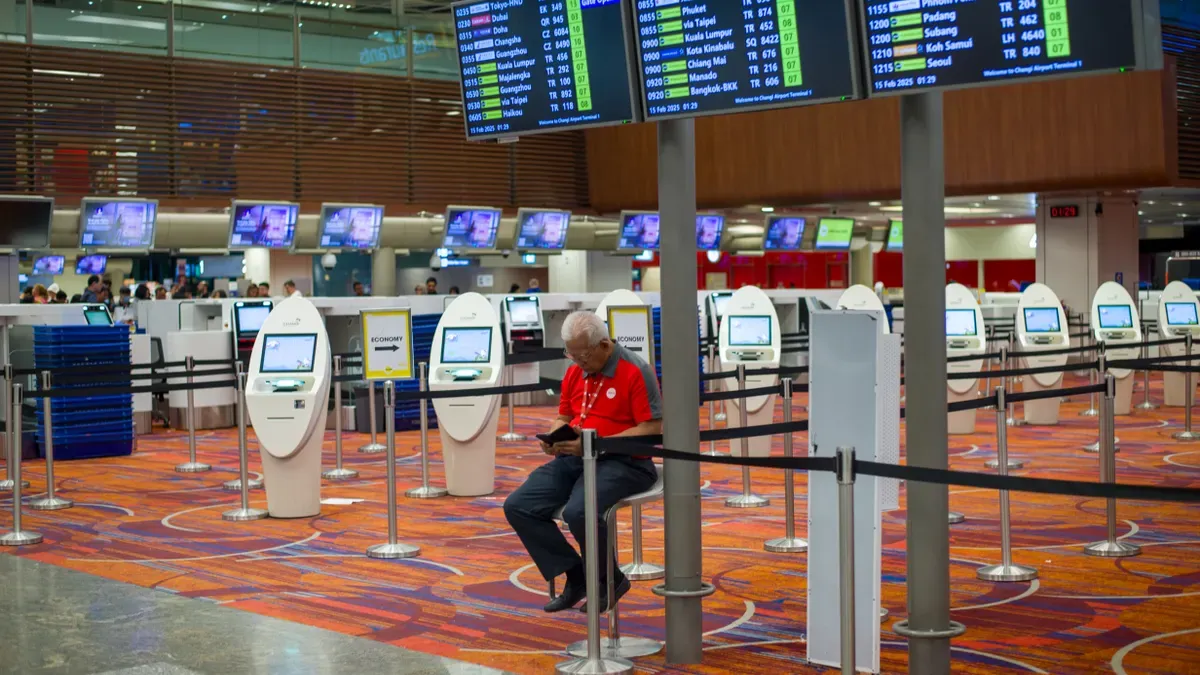
You see new technology everywhere in airports. Smart displays, mobile apps, and contactless payments make shopping easier. Retailers use data analytics to understand consumer behavior and offer products you want. Augmented reality lets you try things virtually. Automation speeds up your journey with self-service kiosks and personalized travel alerts. You spend less time waiting and more time exploring.
Technological Advancement | Description |
|---|---|
Augmented Reality (AR) | Creates immersive shopping experiences, allowing visualization of products in a virtual environment. |
Mobile Apps | Enables personalized shopping with tailored recommendations based on preferences. |
Contactless Payments | Offers convenient and secure payment methods for travelers. |
Data Analytics | Helps retailers understand consumer behavior and optimize inventory management. |
Airports now focus on sustainability and personalization. Millennials are more likely to prefer automated retail. Positive feelings about automation keep growing. You notice that smart technology and contactless payments are now a big part of your airport experience.
Post-pandemic adaptations
After the pandemic, airports changed how they operate. You see more digital payment options and themed retail spaces. Retailers create experiential destinations with interactive displays. They also offer loyalty programs to keep you coming back. Sustainability matters more now, so you find eco-friendly products and practices.
Adaptation Type | Description |
|---|---|
Transformation of airport terminals into spaces focused on curated shopping experiences. | |
Themed Retail Environments | Implementation of themed stores and interactive displays to enhance customer engagement. |
Digital Payment Alternatives | Increased availability of digital payment options to meet customer preferences. |
Sustainability Initiatives | Focus on sustainable practices and products to align with customer values. |
Loyalty Programs | Introduction of retail loyalty initiatives to encourage repeat business and customer satisfaction. |
You expect safer, cleaner, and more engaging spaces. These changes shape consumer behavior and make airport shopping feel fresh.
Leisure travel influence
Leisure travel is booming. You travel for fun, not just business. This shift affects consumer behavior in airports. You look for unique experiences and special products. Retailers respond by offering more premium items and local souvenirs. You want to enjoy your time, so airports create spaces that feel relaxing and exciting.
You spend more time browsing and shopping.
Retailers design stores to match your interests and mood.
Leisure travelers drive demand for personalized and memorable experiences.
Regulatory and security factors
Security rules and regulations shape your airport experience. You see more automated systems for check-in and screening. These changes help you move faster and feel safer. Retailers must follow strict guidelines, so they use technology to keep things efficient. You benefit from smoother processes and less stress.
Airports use automation to meet security standards.
Technology helps retailers manage inventory and customer flow.
Regulations push airports to improve safety and convenience.
You notice that these drivers change how you shop and interact in airports. Technology, health concerns, and leisure travel trends all shape consumer behavior and make airport retail more dynamic.
Retail strategy shifts in airport retail
Omnichannel and mobile integration
You probably notice how your airport retail experiences now blend digital and physical worlds. Retailers want you to shop your way, whether you use your phone, a kiosk, or walk into a store. Many airports now offer mobile apps that let you browse, pre-order, and pay before you even reach the terminal. You can pick up your items on the go, which saves you time and makes shopping feel effortless. These digital tools also help you find special deals and loyalty rewards, making your retail journey smoother and more rewarding.
Experiential and premium offerings
You want more than just a quick purchase. Retailers know this, so they create unique retail experiences that make your trip memorable. Luxury outlets in airports often carry exclusive products you can’t find anywhere else. This makes shopping feel special and exciting. You might see walk-through duty-free shops or automated kiosks that catch your eye and invite you to explore.
57% of Millennials and 56% of Gen Z want more walk-through duty-free concepts.
57% of Millennials and 59% of Gen Z look for more automated kiosks and vending machines.
"The new outlet would entice buyers by creating a memorable experience for travellers."
These premium retail experiences turn waiting time into something you enjoy. You get to discover new brands, try exclusive items, and maybe even treat yourself to something special.
Brand partnerships and product mix
You see more brands teaming up with airport retailers to offer exclusive products and curated selections. This strategy gives you access to items that match your tastes and needs. Retailers use smart pricing and tax-free deals to attract both value shoppers and those looking for luxury.
Strategy | Description |
|---|---|
Brand Partnerships | Brands and retailers work together to create exclusive products and boost loyalty. |
Curated Product Mixes | Duty-free shops offer tailored selections that match your preferences and spark impulse buys. |
Pricing Strategies | Tax exemptions make prices more attractive for all types of travelers. |
Digital Transformation | Mobile apps and pre-order platforms improve your retail experiences and encourage repeat visits. |
Strategic Airport Expansions | Airports design more space for retail, making shopping a bigger part of your journey. |
You benefit from these changes because you get more choices, better deals, and retail experiences that fit your lifestyle. Retailers focus on making every part of your airport visit enjoyable and memorable.
Challenges and opportunities in airport retail
Operational and implementation barriers
You might think that adding new technology to airport retail is simple, but it comes with big challenges. Many airport retailers face high upfront costs when they try to bring in smart systems for duty-free shopping. Smaller operators often struggle the most. Connecting new tech with old systems can get tricky and slow things down. Here’s a quick look at the main barriers you’ll see:
Barrier Type | Description |
|---|---|
You see big investments needed for new technology, which can be tough for smaller retailers. | |
Integration Complexity | Mixing new systems with old ones can cause problems and delays. |
You need to follow strict rules, which adds costs and limits how data gets used. | |
Consumer Concerns | Passengers worry about how their data is used and if billing is accurate. |
You also notice other hurdles:
Economic ups and downs change how many passengers shop.
Security rules and regulations can slow down duty-free shopping.
Space is tight, so retailers have to get creative.
Sustainability matters, but it can cost more.
Technology keeps changing, so retailers must keep up.
Health and safety rules need constant updates.
Hiring and keeping good staff is always a challenge.
Data privacy and security
You care about your personal information, especially when you travel. Airports collect lots of data to improve the passenger experience, but they must protect it. Rules like GDPR make sure your data stays safe, but they also make things harder for retailers. You might worry about how your face or fingerprint gets used in duty-free shops. Retailers must keep your trust by being open about how they use your data and by keeping it secure. If you feel safe, you’re more likely to enjoy duty-free shopping and try new tech.
Note: Always check how your data is handled before using new digital services in airports.
Differentiation and loyalty
You have many choices when you shop at airports. Retailers work hard to stand out and keep you coming back. They focus on enhancing passenger experiences by making you feel special. Here are some ways they do it:
Give you personalized attention so you feel valued.
Offer loyalty programs with points and perks for duty-free shopping.
Send you messages and offers that match your interests.
Create emotional connections through stories and community events.
Train staff to show real interest in helping you.
When you feel connected to a brand, you’re more likely to return and tell others about your positive passenger experience. This helps retailers build loyalty and grow in a busy duty-free market.
Regional and demographic trends in airport retailing market
Geographic and cultural differences
You notice how airport retail feels different depending on where you travel. Cultural values and lifestyle choices shape what you buy and how you shop. In some places, you see more souvenirs and snacks. In others, luxury items fill the shelves. The physical layout and ambiance of stores also change your shopping decisions. Shelf location matters. If you travel through airports in Pakistan, you see how sub-cultures and language differences affect what people buy. Decision-making and perceived value shift from one region to another. These differences make the global airport retailing market unique and full of surprises.
Store layout and ambiance affect your choices.
Sub-cultures and language shape decision-making.
Perceived value changes across regions.
Demographic influences
Your age, income, and digital skills play a big role in your airport retailing market experience. Business travelers want efficiency and discretion. They spend more on premium brands and convenience. Leisure travelers look for personalized offers and local products. Younger generations value sustainability and digital tools. Affluent travelers seek exclusivity and premium brands. The travel retail market sees business travelers as the largest segment. They drive higher spending and prefer quick, seamless experiences. Leisure travelers bring diversity, shopping for everything from souvenirs to luxury items. You see how these factors shape your shopping journey and the experiences you enjoy.
Market growth outlook
The airport retailing market keeps growing fast. You see new stores and more immersive experiences every year. The global airport retailing market is expected to jump from USD 27.15 Billion in 2025 to USD 48.94 Billion by 2031. The CAGR stands at 10.32%. Expansion of airport infrastructure and rising international travel volumes push this growth. Here’s a quick look at the numbers:
Year | Market Value (USD Billion) | CAGR (%) |
|---|---|---|
2024 | 40.3 | N/A |
2035 | 187.7 | 15.0 |
You benefit from more choices, better experiences, and new immersive experiences as the travel retail market expands. The global airport retailing market brings exciting opportunities for travelers everywhere.
You see airport retail changing fast. Travellers now expect seamless shopping experiences, personalisation, and tailored experiences. Retailers use technology to create immersive engagement and personalised shopping experiences. You find premium food, health items, and sustainability everywhere. The table below shows how these trends evolve:
Trend | Description |
|---|---|
Enhanced Passenger Experience | Retailers create immersive brand engagement using augmented reality and apps. |
Diversification of Product Offerings | Premium food and health items cater to diverse travellers. |
Sustainability | Eco-friendly practices influence purchasing decisions. |
Retail-tainment | Airports become lifestyle destinations, boosting engagement. |
You benefit from seamless experience and engagement. Retailers use analytics, digital signage, and targeted advertising to improve engagement. The next table gives actionable insights:
Insight/Recommendation | Description |
|---|---|
Footfall and Behavioral Analytics | Retailers measure engagement and adjust campaigns. |
Digital Signage Management | Promotions boost engagement and sales. |
Personalized Content | Messaging improves engagement for travellers. |
Real-time KPIs Display | Staff see engagement metrics and adjust. |
Interactive Wayfinding | Navigation enhances engagement. |
Targeted Advertising |
You want engagement and value. Retailers focus on engagement, technology integration, and addressing challenges. The last table shows how you benefit:
Strategy | Description |
|---|---|
Tailored experiences for travellers. | |
Technology Integration | Digital tools create seamless shopping experiences. |
Addressing Challenges | Retailers improve engagement and service. |
You drive engagement. Travellers shape airport retail. You want engagement, seamless experience, and personalisation. Retailers must adapt, stay flexible, and deliver tailored experiences. Engagement builds loyalty and keeps travellers coming back.
FAQ
What makes shopping in airports different from regular stores?
You notice that airports offer unique retail experiences. You find more duty-free options, immersive experiences, and seamless shopping experiences. Airports use technology to create tailored experiences and enhance engagement. You often see exclusive products and special deals that you cannot find in regular stores.
How do airports use technology to improve the passenger experience?
Airports use technology like mobile apps, contactless payments, and digital signage. These tools help you enjoy seamless experiences and personalised shopping experiences. You can pre-order items, get real-time updates, and find your way easily. Airports focus on enhancing passenger experiences with every new upgrade.
Why do airports focus on personalisation and engagement?
Airports want you to feel valued. Personalisation helps you see offers and products that match your interests. Engagement keeps you interested and coming back. Airports use data and analytics to create tailored experiences and boost your satisfaction during your journey.
Are there any privacy concerns with airport retail technology?
You might worry about how airports handle your data. Airports collect information to improve the passenger experience and offer personalised shopping experiences. They must follow strict rules to keep your data safe. Always check privacy policies before using new technology in airports.
What trends are shaping the future of airport retail?
You see airports adopting more immersive experiences, seamless shopping experiences, and digital tools. Airports focus on sustainability, premium products, and enhancing passenger experiences. These trends help airports stand out and keep travellers excited about shopping during their journey.
See Also
Navigating Walgreens Self-Checkout: Benefits And Hurdles In Shopping
Comparing Micromarkets And Smart Stores: Global Automated Retail Insights
The Progression Of Self-Checkout Technology Over The Years
