Autonomous Checkout Financial Scenarios Balancing Expenses and Growth

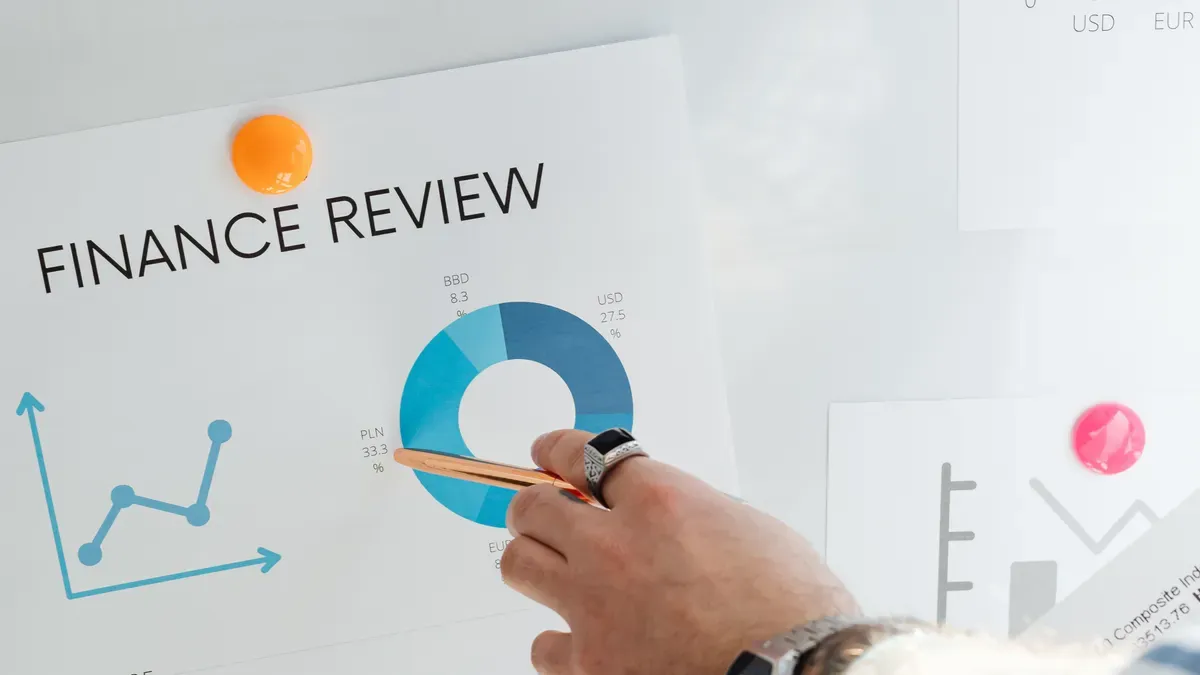
Retail leaders balance big upfront costs with long-term savings. Setting up autonomous checkout tools costs a lot initially. Yet, this technology saves money over time. It also speeds up store checkouts. Financial bosses calculate total gains using a simple formula:
Net Financial Impact = (Throughput Gains + Reallocated Labor Value) - (CapEx Investment + Ongoing Maintenance)
Stores boost profits by moving workers from registers to stockrooms. Financial experts track ongoing software updates and tune-up costs. Retail bosses use hard data to guide decisions. They balance high equipment costs with long-term sales growth. This plan works across all store locations.
Key Takeaways
Smart checkout tech costs a lot at first. But it saves money later on.
Stores move workers from registers to stock shelves. This cuts total labor costs by 25%.
Ceiling cameras and shelf sensors watch items closely. They help prevent store theft.
Most stores get their tech money back quickly. This usually takes two to four years.
Capital Expenses in Autonomous Checkout
Setting up autonomous checkout gear costs huge money. Bosses must check hardware needs first. They review system designs early. They plan store upgrades carefully.
Hardware Sourcing and Sensor Networks
Computer vision needs high-resolution cameras. It uses special weight sensors. Old self-checkout tools use basic scanners. They use simple scale beds. New autonomous setups use many sensors. These cover whole store ceilings. Bosses compare simple self-checkout costs. They weigh full spatial monitoring costs.
💡 Financial Note: Adding many sensors costs more money. Yet, it stops long checkout lines.
Stores buying parts calculate key costs. They track three main tiers:
Hardware Tier | Primary Components | CapEx Impact Per Location |
|---|---|---|
Basic Self-Checkout | Barcode scanners, weight plates, touchscreens | Low ($15,000 - $30,000) |
Hybrid Self-Checkout | Overhead cameras, smart carts, RFID readers | Medium ($40,000 - $80,000) |
Fully Autonomous | Ceiling sensor grids, shelf pressure mats, AI cameras | High ($100,000 - $250,000+) |
Edge Computing and Software Integration
Fast processing needs strong local servers. Normal self-checkout systems use cloud servers. Smart vision models need edge computing tools. Local servers process video feeds fast. This stops slow store network lag.
Tech teams connect local edge units. They link them to central databases. Old self-checkout tools use simple software. Complex vision models need custom software. Upgrading old software adds new costs. These extra fees grow budgets.
Store Retrofitting and Physical Layouts
Physical store layouts must change now. Stores need easy shopping paths. Old self-checkout lanes use metal barriers. Open ceilings need new custom wiring. This supports top camera networks.
Work crews build top camera mounts. Planners remove big checkout kiosks. They create wide store exit areas. Techs adjust shelf sensors everywhere. Smart layout changes boost store sales. They help store profits grow.
Self-Checkout Systems Hidden Expenses
Store bosses look at upfront costs. Yet, self-checkout tools bring hidden extra fees. Managers check daily tech upkeep needs. They plan store labor needs carefully.
Ongoing Maintenance and Software Updates
Daily usage breaks checkout tools fast. Workers fix weight sensors often. They fix barcode scanners regularly too. Tech teams send security software patches. IT staff fix broken network links fast. Keeping tools running needs tech help. Staff set strict repair schedules. This protects overall system uptime. These extra costs hurt store profits. Extra hardware fees lower expected savings. People use self-checkout tools daily.
💡 Operational Tip: Regular tech fixes stop sudden kiosk breakdowns. This keeps store lines moving fast.
Attendant Costs and Error Management
Stores cannot fire all workers. Self-checkout lanes need real human helpers. These workers fix sudden machine bugs. They check buyer age limits quickly. Kiosk errors need fast human help. Helpers fix missed barcode scans. They clear bag area errors fast. Workers stop shoplifting near checkout lanes. Unfixed errors slow store lines down. They make store shoppers unhappy. Good worker placement helps store flow. It keeps stores running well.
Mitigating Theft and Tech-Driven Shrink
Unwatched checkout areas lose more stock. Shoppers make mistakes scanning items. Dishonest buyers skip paying completely. Finance teams measure lost store items:
Metric | Self-Checkout Systems | Traditional Cashier Lanes |
|---|---|---|
Overall Shrink Rate (% of Sales) | 3.5% | 0.21% |
Partial Shrink Transaction Rate | 6.7% | 0.32% |
Comparative Loss Factor | > 16x higher than traditional | Baseline |
Big losses force new tech choices. Stores add smart vision cameras now. Retailers use smart AI software tools. This tracks dishonest store actions. Simple lanes cause high loss risks. Bosses study setups to control stores. Leaders add smart sensors to systems. This stops growing store theft. Simple lanes need strong video checks. Smart setups guard profit margins well. They use real-time checks everywhere. Good managers check tools carefully. They monitor all store locations.
Labor Cost Savings and Operational ROI
Long-Term Store Labor Reductions
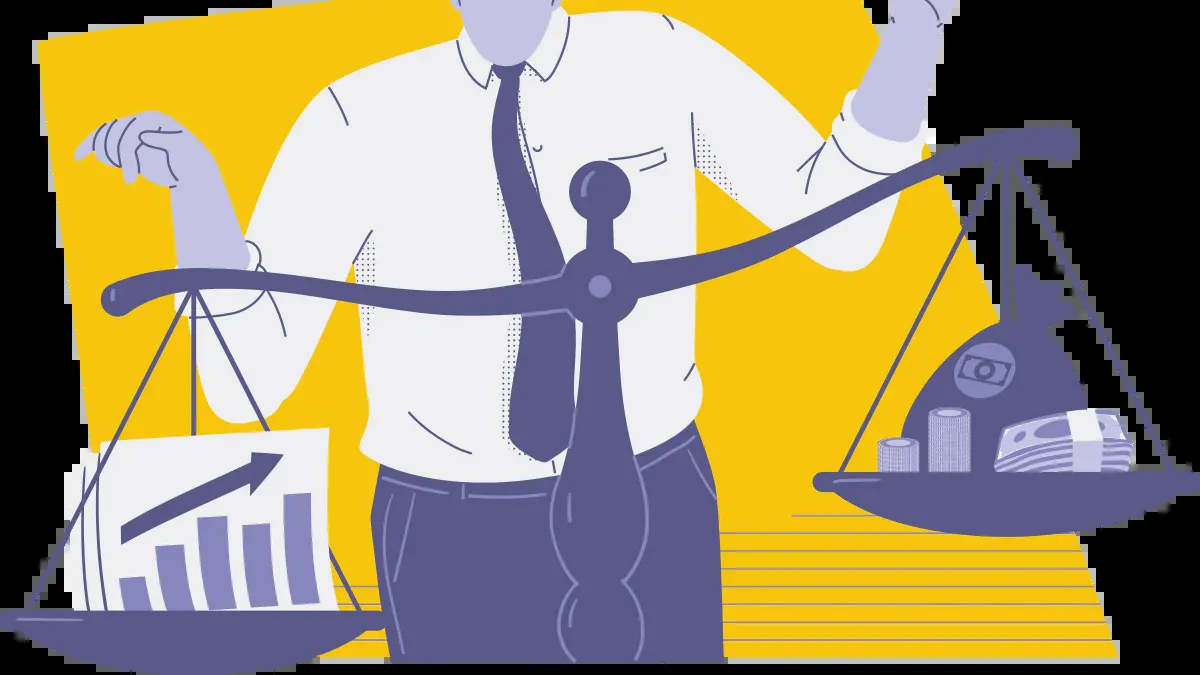
Financial reports show big promise for stores. Modern AI autonomous checkout cuts store labor costs. It lowers expenses by 20% to 25%. This happens within five years. Legacy self-checkout options require heavy staffing support. Upgraded self-checkout systems remove cashier jobs. Retail managers track store labor costs closely. Automated payment zones replace human cashiers fast. Standard self-checkout lanes need constant human help. Newer self-checkout systems streamline basic sales. This brings clear money gains for big brands. Basic self-checkout units still need staff supervision.
Task Automation and Overhead Efficiency
General business automation lowers task labor costs. It cuts them by 25% to 50%. Automated machines run 60% to 80% cheaper. They cost less than human employees. Leaders gain fast efficiency through full automation. Store managers increase total store speed. Traditional self-checkout setups cause high daily expenses. Optimized self-checkout systems minimize register mistakes. Store managers see boosted self-checkout efficiency. This helps during busy peak hours. Modern self-checkout kiosks speed up payments. They do not add extra staff. These self-checkout systems drive long-term gains. Integrated self-checkout counters reduce line waiting times. The process lowers payroll costs. It keeps customer service standards high.
Resource Reallocation to Inventory Control
Labor cuts create extra store worker time. Running self-checkout stations frees up frontline staff. They leave standard register duties behind. Retail stores shift labor hours to inventory tasks. Cashiers change into active floor workers. Reassigned staff focus on fast shelf restocking. They organize store products well. Good inventory care stops out-of-stock events. Store teams perform accurate stock audits faster. Operational savings help supervisors redesign daily workflows. Staff manage stock instead of self-checkout tasks. Store managers place workers where customers need help. Upgraded self-checkout systems handle payments smoothly. Meanwhile, workers restock the sales floors.
Growth Drivers and Revenue Expansion
Throughput Acceleration and Reduced Abandonment
Old self-checkout lanes create long store lines. Slow item scanning makes buyers abandon carts. Fast payment tools boost overall store speed. Shoppers finish purchases fast using contactless tools. Quick store exits remove waiting lines completely. Faster payment speeds raise total store sales. Buyers pick items and leave right away. Managers improve overall store output during peak hours.
Targeted Upselling at Digital Touchpoints
Digital screens create great cross-selling options today. Smart self-checkout screens analyze buyer history fast. Displays show smart ideas based on cart items. Basic self-checkout screens show product upgrades fast. Upgraded self-checkout screens show custom ideas directly. Digital screens bring high response rates for deals. Smart tools suggest extra items right away. These custom ideas turn fast picks into cash.
Frictionless Shopping and Customer Retention
Easy shopping improves the total buyer visit. Fast checkouts build strong buyer store habits. Custom visits improve total buyer service everywhere.
Adding checkout-free tech gives stores useful data. It helps build better total buyer visits. This builds strong brand loyalty over time. It brings back more shoppers later on. — Vipul Aggarwal, Chief Revenue Officer at Better Commerce
Easy checkout spaces help buyers use store apps. They join reward programs more often now. This extra activity helps stores collect fan data. Better data builds stronger overall brand interest. It keeps shoppers coming back often. Basic self-checkout tools offer simple daily ease. Upgraded self-checkout screens boost speed during rush hours. Newer self-checkout systems need less physical work. Smart store networks install fast self-checkout systems. This brings back repeat buyers often. Using self-checkout apps increases total shopper value. Smooth self-checkout tools turn guests into loyal fans. They boost overall store speed over time.
Autonomous Checkout Expansion Across Formats
Stores use autonomous checkout in different ways. Teams check costs and returns first. Average payback takes 24 to 48 months.
Store Format | Deployment Costs | Financial Returns & Key Drivers |
|---|---|---|
Large-Format Grocery Stores | Highest upfront costs (hardware, site prep, legacy software integration) | Largest market share driven by high traffic, frequent sales, and reduced queue times |
Compact Convenience Formats | Lower upfront deployment costs | Driven by rapid transaction processing, high customer density, and fast payback |
High-Density Urban Convenience Stores
City stores need fast payment speeds. Small spaces lower initial hardware costs. Fast processing boosts store sales volume. Operators replace old self-checkout tools. They install sleek camera grids. This tech speeds up rush hours. Fast sales raise daily profits.
💡 Strategic Insight: Small urban stores pay back fast. Quick scans eliminate long lines.
High-Volume Grocery and Supermarket Models
Big supermarkets require high CapEx money. Top European grocers spent €1.2B in 2025. Yet, old software creates hard limits. Old POS tools lack APIs. This gap adds unexpected fees. A Belgian chain faced high costs.
Metric Category | Metric Detail / Value | Financial Impact on Supermarkets |
|---|---|---|
Tech Investment | €1.2 billion invested in 2025 | Demands massive initial cash reserves |
Service Revenue Share | Vendors make >40% revenue on updates | Creates recurring maintenance expenses |
Daily operations face extra money threats:
Shrinkage and Inventory Theft: Unchecked self-checkout systems increase lost stock.
Service Vendor Fees: Hardware sellers make money on maintenance.
Compliance Burdens: Camera tracking brings strict legal rules.
Grocers put workers near self-checkout counters. Workers fix errors on machines fast.
Specialized Micro-Footprints and Travel Hubs
Airport stores use fast self-checkout tools. Busy travelers want quick buys. Modern self-checkout setups stop long lines. These units boost customer experience fast. Smart micro-stores bring strong financial returns.
markdown
Retail leaders balance big costs with huge gains. Smart checkout tech needs high initial hardware money. It has ongoing fix fees too. Yet, labor savings cover these costs quickly. Stores cut labor expenses by 25% fast. They do this within five years. Moving workers improves stock quality. It stops empty shelves.
Financial bosses suggest three smart steps:
High-Traffic First: Put tools in busy city stores. This speeds up daily sales fast.
Step-by-Step Upgrades: Add easy tech in small stores. This gives quick wins safely.
Flexible Payment Plans: Rent hardware to match new savings. This builds steady money growth.
This plan improves stock checks. It grows store profits over time.
FAQ
What is the typical payback period for autonomous checkout investments?
Stores get their money back in two to four years. Busy city stores earn profits faster. They cut labor costs. They speed up sales. Big supermarkets take longer. They cost more money to build.
How much can retailers reduce labor expenses using autonomous technology?
New checkout tools lower labor costs by 25%. This change takes five years. Automated machines replace human cashiers. Managers send workers to stock shelves. Staff help shoppers in aisles.
How do autonomous systems control retail theft and inventory shrink?
Smart systems use overhead cameras. They use special shelf weights. They use smart software tools. Systems track items live. They stop shoplifting fast. They work better than old kiosks.
What hidden operational expenses should financial officers expect?
Bosses plan for software updates. They pay server maintenance fees. They hire skilled IT workers. Stores keep helpers on site. These workers fix system errors. They check ages during rushes.
See Also
Solving Common Cash Machine Errors During Automated Retail Checkout
Launching A Smart Neighborhood Convenience Store On A Budget
Exploring Cloudpick Automated Store Locations And Shopper Reviews Today
How Smart Checkout Terminals Improve Efficiency And Customer Satisfaction
Tracing The Historic Journey And Future Of Automated Shopping
