How stores can achieve cost savings through autonomous checkout technology

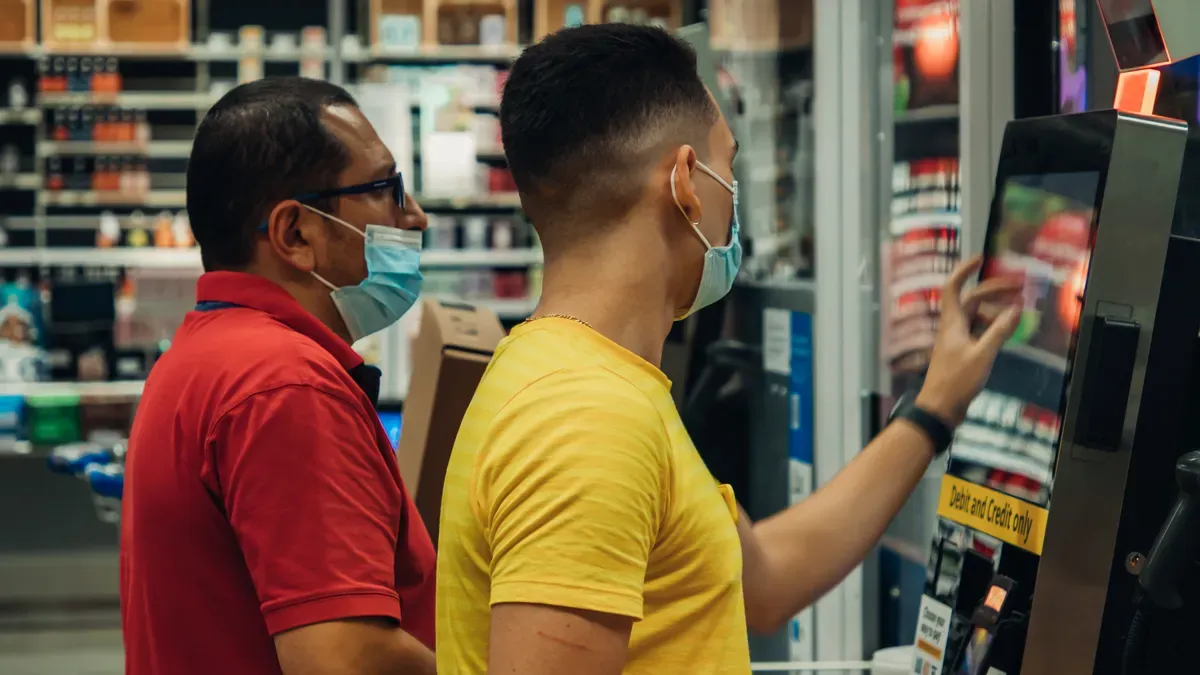
You can achieve significant cost savings right away by using autonomous checkout technology in your store. You pay less for workers because you need fewer cashiers, especially when there are not many customers. Your staff can assist customers more effectively and keep shelves stocked, which enhances overall operations. AI-powered systems monitor your store and help prevent theft. They also aid in tracking inventory. These changes allow you to save money while running your store more efficiently and safely.
Key Takeaways
Autonomous checkout can lower labor costs by up to 20%. Stores need fewer cashiers. Staff can do more important jobs.
Faster checkout makes customers happier. Wait times are shorter. Sales go up. Some stores see an 18% rise in money earned.
AI technology helps stop theft. It also makes inventory more correct. Losses can drop by up to 15%. Stock is managed better.
Buying autonomous checkout systems saves money fast. For every $1 spent, stores get back $3.50. The system pays for itself in just 14 months.
Shoppers have a smoother experience. This makes them want to come back. They buy more items. Stores become more attractive.
Labor Cost Savings
Reduced Checkout Staffing
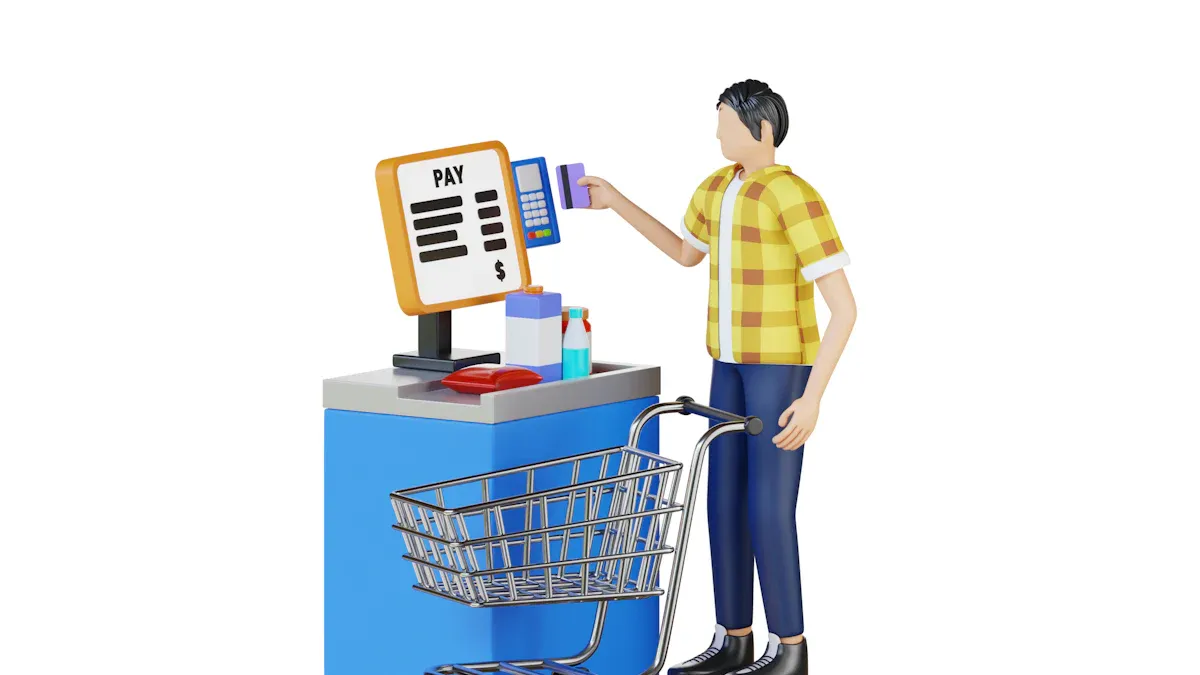
Autonomous checkout technology helps stores spend less on workers. Many stores save up to 20% on labor costs after using these systems. You do not need as many cashiers because one worker can watch several self-checkout kiosks. This is very useful in busy grocery and convenience stores. During busy times, you can handle more customers and your staff feels less stressed.
Stores have over 15% fewer calls for help at self-checkout lanes, so staff is needed less often.
Self-checkout lets one employee watch many stations at the same time.
Your store can work well even with fewer workers.
These changes help you save real money. You pay less for wages and can use your money for other important things.
Optimized Resource Allocation
With autonomous checkout, you can move your workers to better jobs. Instead of standing at registers, your team can help shoppers, refill shelves, or clean the store. This makes your store work better and helps customers more.
Example Location | |
|---|---|
Omni Boston Hotel at The Seaport | Workers moved to other hotel jobs, making service better. |
University of Pittsburgh | Staff can spend more time helping customers, making their experience nicer. |
TD Garden arena’s MRKT convenience stores | New workers learn fast, so they can talk to customers more instead of just doing transactions. |
You get other good things too:
You can get rid of checkout lines, which saves shoppers time and lowers stress.
Your store can stay open all day and night, so you can sell more.
Your team can do more important work, making your store run better.
These changes help you save money and make your store nicer for both customers and workers.
Operational Efficiency
Faster Checkout Process
Autonomous checkout technology makes paying for items much faster. Shoppers do not have to stand in long lines anymore. They can scan their things and pay right away. This makes shopping quick and easy for everyone. For example, ExCeL London put in a Just Walk Out store. Customers spent 53% less time shopping there. The store made 87% more money in only seven months.
You can see how autonomous checkout helps your store do better:
Benefit | Description |
|---|---|
Wait times are much shorter, so shopping feels better. | |
Checkout is faster, and lines are shorter. | |
Accuracy and Reduced Error Rates | There are fewer mistakes when ringing up items or counting stock. |
Optimized Staff Utilization | Workers can help customers and do other jobs, so the store runs smoother. |
Your workers can spend more time helping people and putting out products. This makes your store work better and keeps shoppers happy.
Lower Overhead Costs
Autonomous checkout helps you spend less money running your store. You do not need as many workers at the registers, so you save on paychecks. You can also give shoppers better prices because your costs are lower. Technology-driven systems take over cashier jobs, so you use your workers in smarter ways.
Here is how autonomous checkout saves you money:
Evidence Description |
|---|
Autonomous stores need fewer workers, so costs go down. |
Needing less staff means you can offer lower prices. |
Technology-driven systems do cashier work, so you use your team better. |
Spending money on technology at first means you pay less later. |
Energy-saving tech helps you pay less for power. |
You also do not have to spend as much on training or managing workers. Over time, these changes help your business save a lot of money.
Tip: When you use autonomous checkout, you can see how your store is doing and make smart choices to work even better.
Inventory and Loss Prevention
Automated Loss Control
Autonomous checkout technology helps stores stop losses. AI-powered systems watch every self-checkout transaction. These systems find missed scans and item swapping. They also spot other suspicious actions. If something is wrong, the system tells your staff fast. This quick alert helps you stop theft before it happens.
You can see what kinds of loss autonomous checkout prevents:
Type of Loss | Description |
|---|---|
Shopper-related loss | Mis-scans, fake scans, hidden items, skipping checkout |
Cashier-related loss | Scanning mistakes, intentional non-scans, left-behind items |
AI systems track items and catch theft. Advanced algorithms look for strange behavior and send alerts right away. The ECR Retail Loss Group says self-checkout systems cause 23% of unknown store losses. This shows stores need strong security features. Using autonomous checkout can cut inventory loss by up to 15%. This means real cost savings for your store.
Note: Automated systems do not get tired or distracted. They can watch your store all day and night.
Improved Inventory Accuracy
Autonomous checkout helps you keep better track of products. The technology uses AI and computer vision to check inventory levels in real time. When a customer picks up or buys something, the system updates your records right away. This lowers mistakes from manual counting.
Real-time data keeps your inventory records correct.
You can see which items sell fast and which need restocking.
The system shows low-stock items before you run out.
Some stores use mobile robots to map product locations and stock levels. These robots work with fixed sensors to give a full view of inventory. You can track every item, even in busy or high-theft spots. This makes it easier to manage your stock and avoid losses.
Better inventory accuracy helps you make smarter choices about ordering and restocking. You can avoid having too much or running out of popular items. In the end, you save money and keep customers happy.
ROI and Long-Term Benefits

Investment vs. Cost Savings
You might think the first cost for autonomous checkout is high. Each self-checkout machine costs between $10,000 and $30,000. Some machines cost as little as $5,000. You also pay for setup, software, and connecting the system. These costs seem big at first. But you save more money over time. You spend less on workers and your store works better. As more people shop, your investment pays off fast.
Many stores get $3.50 back for every $1 spent on AI. The best stores earn even more. Most stores make more money, with 69% seeing growth. About 72% of stores spend less to run their business, and 23% save over 15%. The average time to get your money back is only 14 months. This is much faster than other technology.
Note: Some stores have trouble setting up the system, especially in old buildings. About 41% of stores say this slows down savings. But the good results last longer than the hard work at first.
Here is a quick look at the main money facts:
Financial Indicator | Description |
|---|---|
Average ROI | |
Revenue Increases | 69% of users report growth |
Operating Cost Decreases | 72% report lower costs, 23% save over 15% |
Average Payback Period | 14 months |
Customer Retention and Training Savings
You will see happier shoppers with autonomous checkout. People wait less and shopping feels easy. This fits what shoppers want today—quick, simple, and touch-free. Stores using these systems get more loyal customers and more visitors. At Kroger, customer happiness went up by 30% after smart carts. Autonomous checkout gets a 57% higher rating than regular checkout. Stores see a 27% jump in basket size.
Training costs drop too. You can teach workers faster because they do not need to learn hard register systems. Staff can help shoppers instead of just scanning items. This means you spend less time and money teaching new workers.
Here are some long-term benefits you can expect:
Benefit | Description |
|---|---|
Optimized Labor | Staff focus on important tasks, not just checkout lines |
Stores open during off-peak hours see an 18% sales boost | |
Enhanced Shopper Experience | Faster service and more capacity, especially in busy locations |
Improved Store Layout | More space for products and a better shopping environment |
You get more than just saving money. You make your store better for shoppers and your team.
You can save money by using autonomous checkout. Stores like Aldi pay 20% less for workers. Walmart loses 15% less inventory.
Company | Impact on Labor Costs | Impact on Inventory Loss |
|---|---|---|
Aldi | 20% reduction | N/A |
Walmart | N/A | 15% reduction |
Checkout is faster and mistakes happen less often. Shoppers are happier with the new system. To start, check your IT setup. Pick a good partner. Try a pilot program first. Look for more resources to learn about retail automation.
FAQ
What is autonomous checkout technology?
Autonomous checkout technology lets shoppers pay without a cashier. The system uses sensors and AI to watch what people buy. Shoppers scan their items and pay fast. Stores save money and make fewer mistakes.
How does autonomous checkout reduce labor costs?
Stores need fewer cashiers. One worker can watch many checkout stations. Staff can help customers or put products on shelves.
Tip: This change can help you save up to 20% on worker costs.
Is autonomous checkout safe for inventory?
You get updates on your products right away. AI finds missed scans and theft fast.
Feature | Benefit |
|---|---|
AI monitoring | Less shrinkage |
Real-time data | Accurate records |
Will shoppers like autonomous checkout?
Shoppers get faster service. They wait less and have a better time. Stores say customers are happier and buy more.
Shoppers spend less time in line
They come back more often
What is the payback period for autonomous checkout?
Most stores get their money back in about 14 months. Stores see savings and more sales soon after starting.
Note: ROI is about $3.50 for every $1 spent.
See Also
Upcoming Changes to Walmart's Self-Checkout Experience in 2025
Navigating Walgreens Self-Checkout: Benefits and Hurdles in Retail
Addressing Cash Errors at Self-Checkout: Solutions for Efficiency
The Transformation Journey of Self-Checkout Technology
Cloudpick's Innovative Approach to Cashierless Shopping Solutions
