The Next Decade of Retail and Technological Drivers Transforming Unmanned Convenience Stores

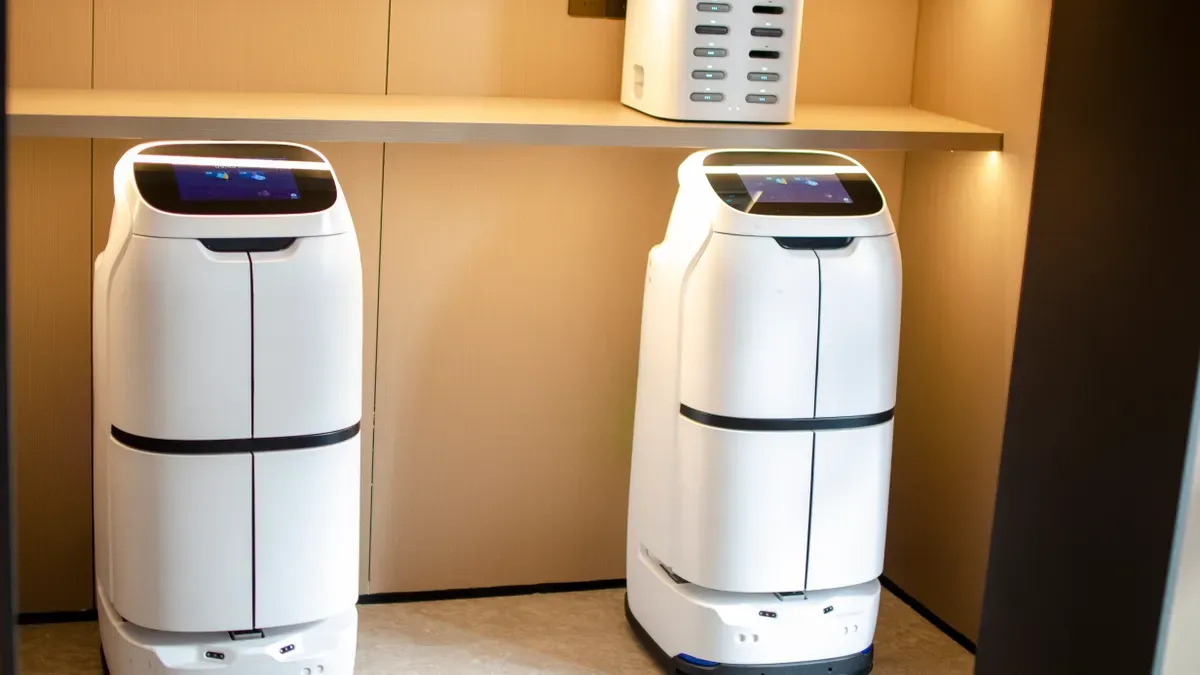
New retail technology will shape how automated stores grow and run from 2024 to 2034. Today's shoppers want stores open around the clock every day. Buyers also expect quick, touch-free shopping whenever they visit a store. Smart automation systems meet these demands by removing the hassle of traditional checkout lines. As a result, cashierless convenience stores and unmanned convenience stores mark a big change in how physical shops operate. The market is worth $4.13 billion in 2024. Industry experts predict this value will jump to $14.08 billion by 2034. This rise shows a steady 13.0% Compound Annual Growth Rate (CAGR). These financial numbers prove that investing in this tech offers a strong future for global markets over the next decade.
Key Takeaways
The global unmanned store market will grow from $4.13 billion in 2024 to $14.08 billion by 2034.
Smart cameras and artificial intelligence track what buyers do to prevent stealing and make shopping faster.
Smart sensors and automatic checkout machines allow stores to remain open all day without paying extra workers.
Store owners save money on worker pay by having one staff member watch up to six self-checkout machines.
Market Growth of Unmanned Convenience Stores (2024–2034)
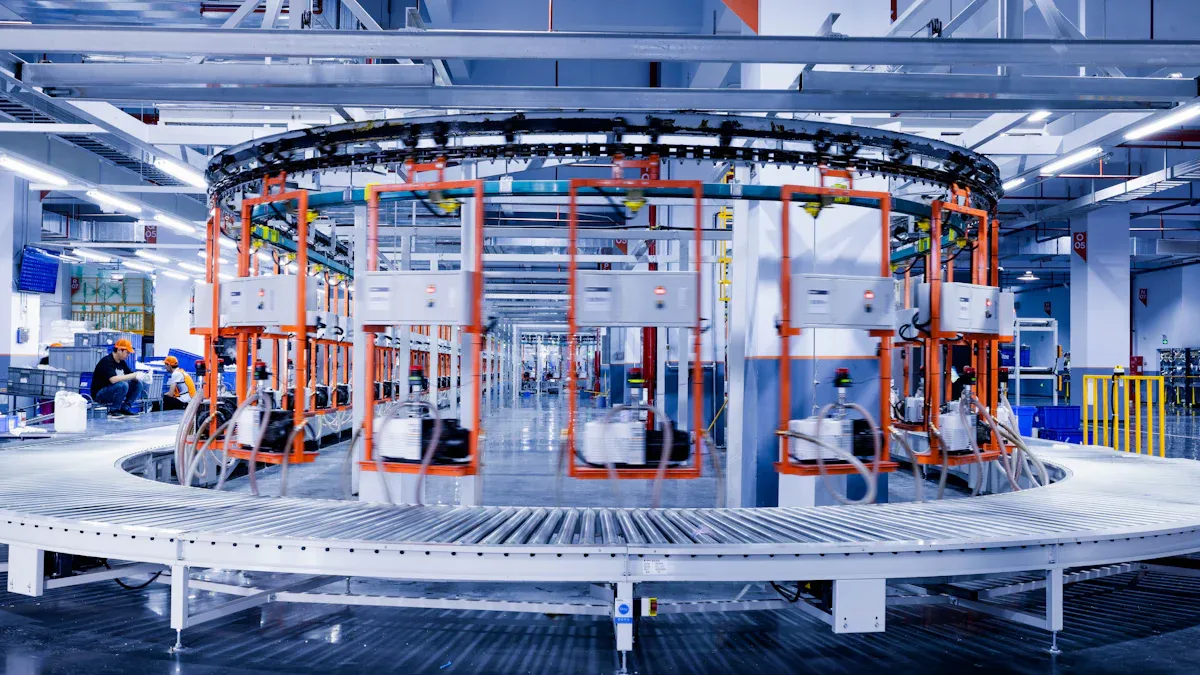
Strategic Market Valuations and CAGR
Global retail markets are growing fast through automated shopping tools today. In 2024, the basic market value is $4.13 billion. Store owners spend big money on self-running systems to improve shops and supply chains. These large spending plans push physical stores toward digital management tools. Experts predict this global market will reach $14.08 billion by 2034. Industry analysts blame this huge financial shift on rising running costs inside traditional stores.
A strong 13.0% Compound Annual Growth Rate pushes this ten-year growth across global markets. Investors and software creators see big money returns from automated shopping spots. More funding directly helps create better computer vision sensors, smart shelves, and payment systems. As a result, global retail brands easily find smooth, expandable business models. Banks keep funding projects that remove annoying delays from everyday shopping trips.
Consumer Demand for Contactless Shopping
Modern shoppers want fast, touch-free buying choices during their daily routines. People prefer grabbing items and leaving stores without waiting in long checkout lines. Automatic payment screens and phone app checkouts satisfy these habits by tracking sales instantly. Recent usage data shows growing public trust in self-service store systems across big cities. Shoppers clearly choose stores that save them time and skip forced chats with workers.
All-day store access is another key reason people choose automated shops everywhere. Customers expect 24/7 store access for quick groceries, urgent medicine, and late-night food. Unmanned convenience stores fulfill this endless shopping need without paying costly hourly wages for night workers. These self-running shops serve crowded city areas continuously with reliable service. This constant access secures higher average profits for modern retail companies.
Core Technological Drivers Modernizing Stores
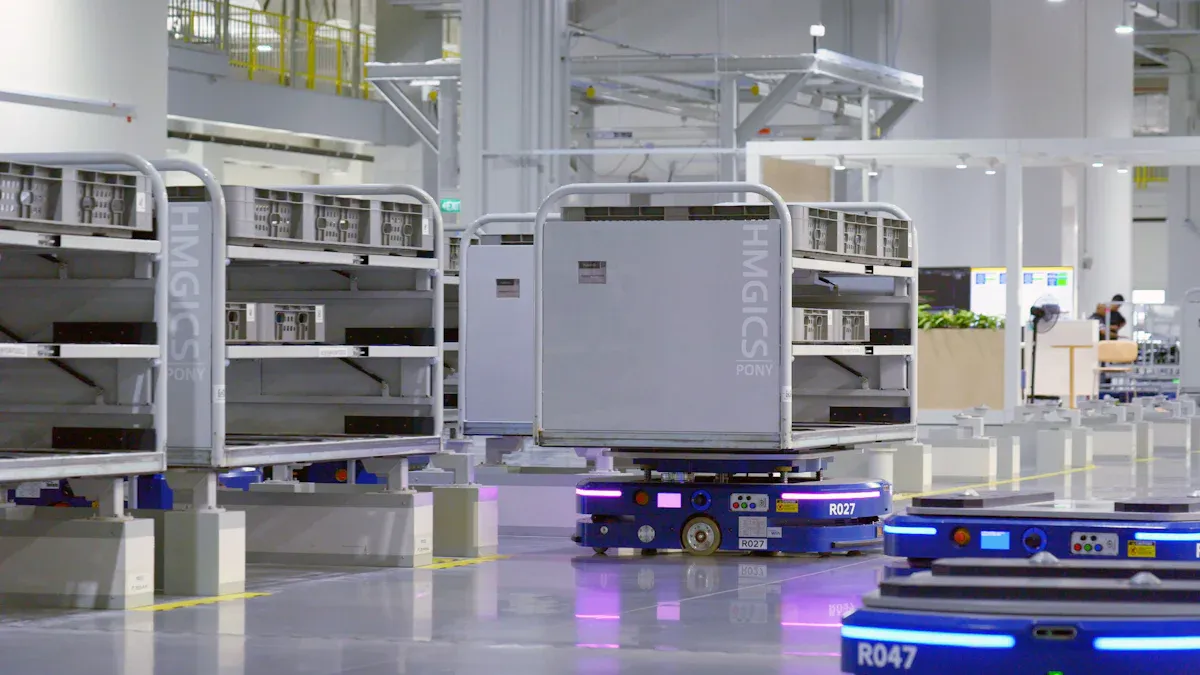
Smart computer setups and special equipment run fully automated store spaces today. These digital networks transform physical shops into active, smart shopping locations.
Artificial Intelligence and Computer Vision
Modern self-running shops use ceiling cameras to follow customer actions without staff help. These powerful systems process continuous video to track store activity instantly.
Ceiling cameras record video at thirty frames each second.
A computer checks matching frames to spot visible movement.
A smart computer model studies new frames to find shoppers.
The system links spotted people to active tracks or starts fresh ones.
An action tool reviews cropped video tracks continuously.
The action tool spots when shoppers pick up or return items.
Computer vision models also protect store stock across checkout-free shopping floors.
AI computer vision catches up to 85% of shoplifting by analyzing shopper behavior live.
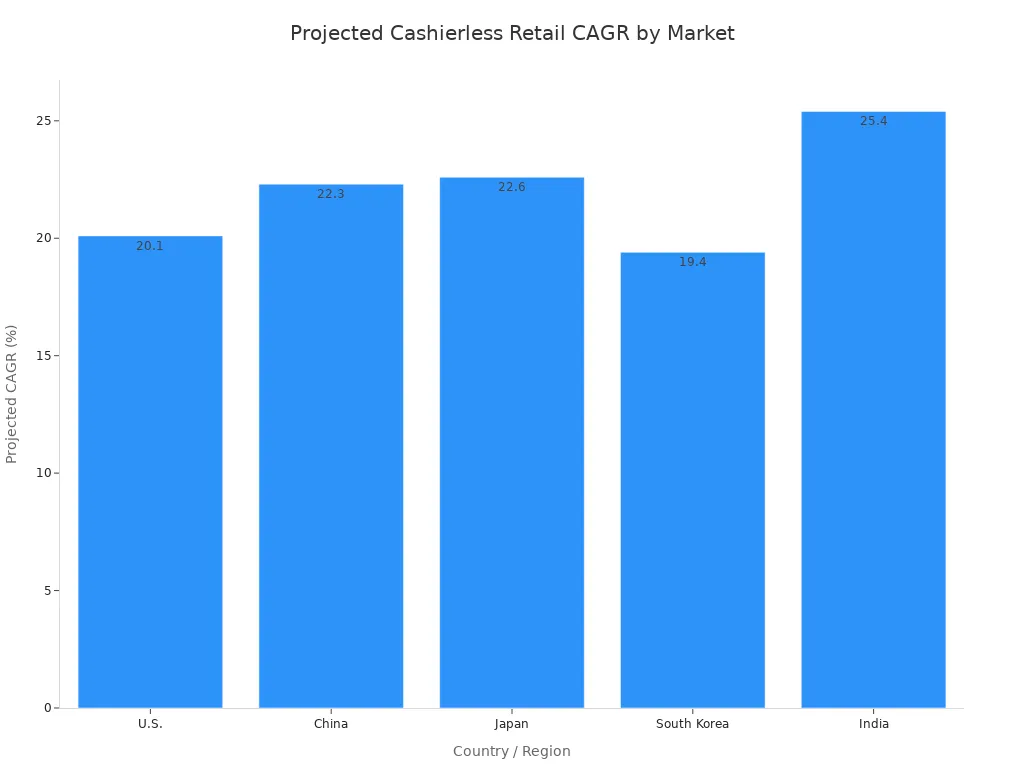
Big software spending helps launch these technological tools worldwide. For example, computer vision spending will grow from $27.22 billion in 2025 to $31.55 billion in 2026. Experts believe this market will hit $102.88 billion by 2034, showing a 15.92% CAGR from 2026 to 2034. Additionally, global AI retail spending will expand from $10.76 billion in 2025 to $127.09 billion by 2035, showing a 28% CAGR.
Different global regions display distinct growth speeds across overseas markets.
IoT Infrastructure and Automated Payments
Connected device networks build a smooth digital layer across store backrooms and sales floors. Smart shelves, RFID tags, and wireless tools track stock levels inside automated shops constantly.
Technology driver | How it supports unmanned convenience operations |
|---|---|
Digital price labeling | Upgrades small shops and reduces manual price update jobs. |
Mobile payment terminals | Increase touchless options in unattended self-service spaces. |
Compact automation | Fits automated store gear into tight city floor layouts. |
Broadband upgrades | Support digital retail tools and real-time data flow. |
Computer-vision cashierless retail | Allows checkout-free shopping in small test locations, like Amazon Just Walk Out. |
Cloud-based retail analytics and unmanned store reference models | Help businesses test and build automated store designs, including Alibaba's tests. |
Connected network devices work together to secure store products and simplify item restocking.
RFID setups use tags, scanners, and central software to deliver live inventory updates.
Smart weight sensors in shelf bins trigger automated restock alerts as product levels drop.
Environmental sensors watch heat and moisture levels to stop store items from spoiling.
Cellular backup networks using LTE or 5G keep payment tools active during web outages.
Automated payment platforms finish buying steps instantly as shoppers walk outside store doors. Digital registers accept phone wallets, tap cards, and QR codes smoothly. Market data reveals that cashless methods handle 68.0% of U.S. self-checkout orders, while cash handles the remaining 32.0%. Analysts predict global tap-to-pay phone users will top 5 billion by 2026. Modern payment tools process purchases right away, helping owners manage automated shops smoothly 24/7.
Operational and Financial Retail Advantages
Labor Overhead Reduction and Efficiencies
Self-running checkout setups cut store running costs for today's shop owners. Official U.S. Bureau of Labor Statistics data shows typical cashiers earn $14.77 hourly, equaling $30,710 yearly. Adding self-checkout units changes daily staff needs in a big way. One worker now watches four to six kiosk stations at once, replacing many separate cashiers during busy hours.
Store bosses move employees from old registers to more important jobs. Staff members spend extra time helping shoppers, filling empty shelves, and cleaning sales areas. This smart worker sharing boosts overall store performance while keeping services open without breaks.
Metric | Staffed Registers | Automated Self-Checkouts |
|---|---|---|
Supervisory ratio | One cashier per register | One employee per 4-6 kiosks |
Recorded shrink | Under 1% | 3.5-4% |
Still, self-checkout spaces create clear business trade-offs for retail stores. Self-checkout lanes lose 3.5-4% of items to shrink, while regular worker lanes lose under 1%. Stores balance these missing goods by using live inventory tracking with IoT tools and digital cameras.
Scalability for Unmanned Convenience Stores
Smart sensor setups help retail owners build new store locations much faster. Unmanned convenience stores use linked Internet of Things devices to track shelf stock all day and night. Built-in scale sensors count items non-stop to stop sudden empty spots. Linked camera networks log product moves right away, helping managers track lost stock in every section.
Automated messages speed up product restocks across many store locations easily. Shelf sensors send auto restock notices straight to central stock warehouses. Cloud tools create fresh orders automatically without needing staff members to count items by hand.
Retail bosses grow store networks quickly in busy city areas with easy modular setups. Small automated tools fit inside tight neighborhood store spaces smoothly. Central computer systems review sales data from anywhere, helping companies run growing chains of unmanned convenience stores well.
Strategic Future and Industry Outlook
Addressing Technical and Security Hurdles
Unmanned retail systems face serious cybersecurity threats and data privacy challenges today. Cyberattacks, network outages, and unexpected hardware failures expose automated store networks to system downtime. Privacy breaches also damage consumer trust among older shoppers. Regulators enforce strict legal frameworks like GDPR and CCPA to protect sensitive personal details. In 2025, the FTC released updated rules on data privacy and biometric security in unstaffed stores. Store operators adopt strong network encryption to satisfy these strict regional standards.
Retailers implement specialized technical tools to prevent payment fraud and maintain system reliability. AI software monitors live customer purchases to flag suspicious order activities instantly. Touchless palm scanning and facial recognition authenticate store visitors before transactions start. Smart weight sensors combine with camera networks to prevent checkout errors.
Threat or Concern | Technical Solution | Operational Benefit |
|---|---|---|
Biometric security | Enrolled biometric scanning | Protects user access credentials |
Payment fraud | AI transaction monitoring | Stops unauthorized buying attempts |
Item errors | Image and weight matching | Speeds product identification |
The Shift Toward Fully Autonomous Retail
Leading retail chains actively advance automated shopping models across competitive global markets. 7-Eleven announced plans in February 2024 to open unmanned convenience stores in Japan. FamilyMart launched Japan's first unmanned mobile shop at the Osaka Expo in May 2024. Meanwhile, technology providers like SandStar build pure computer-vision stores and smart kiosks for corporate clients. SandStar supports global retailers as an Intel IoT Market Ready Solution and Microsoft Co-Sell partner.
Global regulatory frameworks and smart-city investments accelerate fully autonomous store deployment worldwide. Supportive municipal programs across North America and Asia Pacific help operators launch unattended retail formats. Emerging rules now approve biometric payment standards while clarifying corporate liability. Maturing autonomous vehicle regulations will soon support continuous 24/7 store inventory replenishment. Retailers using these integrated autonomous networks will secure long-term market leadership through 2034.
Artificial intelligence, IoT devices, computer vision, and automated payment systems reshape store economics. These integrated tools lower operational costs while maximizing sales efficiency across every location. An Everseen survey shows that 63% of retailers view artificial intelligence as essential for competitive advantage, expecting a 51% average return on investment within three years. Furthermore, the global retail AI market expands from $13.39 billion in 2025 to $190.31 billion by 2034. Store operators must adopt autonomous infrastructure immediately to protect market share. Over the next decade, unmanned convenience stores will become the standard urban retail format, delivering continuous access to busy city shoppers everywhere.
FAQ
What is the projected market size of unmanned convenience stores by 2034?
Experts say the global unmanned convenience store market will hit $14.08 billion by 2034. It expands from a starting value of $4.13 billion in 2024. A regular 13.0% Compound Annual Growth Rate pushes this total business growth around the world.
How does artificial intelligence help prevent store theft in cashierless retail?
Smart AI computer vision watches customer moves non-stop using overhead cameras. The main program studies actions live as people walk across the sales area. This active watching stops up to 85% of shoplifting without needing security guards in the building.
What impact do automated self-checkouts have on store inventory shrink?
Self-checkout lanes usually lose 3.5-4% of total inventory to stock shrink. Traditional cashier registers lose less than 1% of goods overall. Store bosses balance out these lost products by setting up real-time IoT weight sensors alongside smart camera systems.
Why do retail operators invest heavily in autonomous store technology?
Store automation lowers normal building labor costs in a very big way. A single worker oversees four to six self-service kiosks at the same time. Also, 63% of store owners call artificial intelligence key for staying ahead, expecting a 51% average return on investment over three years.
See Also
Essential Insights For Retailers On Next Generation Smart Corner Markets
How Artificial Intelligence Is Transforming The Entire Future Of Retail
Comparing Global Automated Convenience Retail Options Across Modern Smart Markets
Examining The Key Benefits And Hurdles Of Walgreens Automated Checkout
Major Updates Coming To Walmart Self Checkout Policies In 2025
