Exploring the Future of Cashierless Retail in 2026 and Beyond

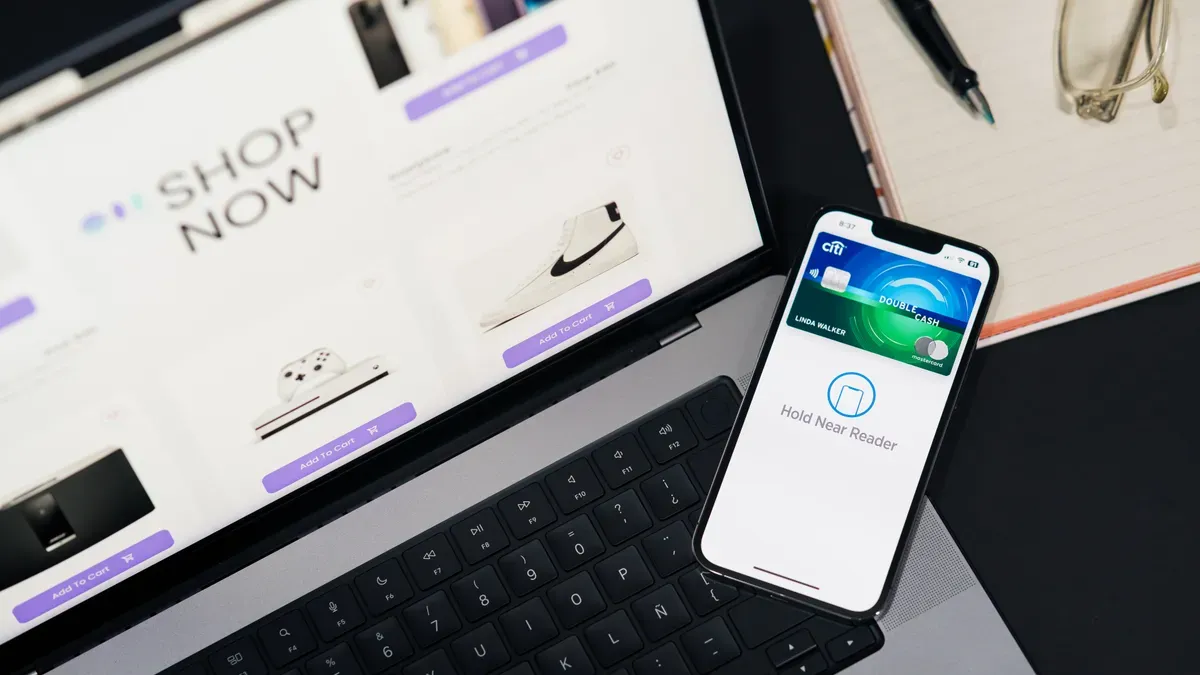
The future of cashierless retail is spreading quickly everywhere. Stores are equipped with sensors, cameras, and artificial intelligence. You can grab items and go without waiting in line. The self-checkout system market may reach US$ 6.5 Billion in 2026. Machine learning and mobile apps are making shopping easier for you. Will the future of cashierless retail provide more convenience or introduce new challenges? How will these changes impact your daily shopping experience?
Key Takeaways
Cashierless retail lets you shop fast with no lines. You just pick up what you want and go. This makes shopping easier for everyone.
Advanced technology like AI and computer vision watches what you buy. You get a digital receipt without scanning anything.
Retailers save money on workers and track items better. Stores can stay open all day and night. This gives you more time to shop.
Shopping will feel more personal. Stores use data to show you things you may like. This makes shopping more fun for you.
Privacy worries come with cashierless systems. Always check how stores use your data. This helps keep your information safe.
Cashierless Retail Overview
What Is Cashierless Retail
Sometimes you go into a store and do not see a cashier. This is called cashierless retail. You can walk in, grab what you want, and leave right away. The store uses special technology to know what you buy. It charges you without you doing anything extra. This way of shopping is different from the old way. You do not have to scan your items or talk to anyone at the checkout. Shopping feels fast and simple.
Many companies use cashierless retail in cool ways:
Farmer’s Fridge lets you get salads from smart vending machines.
CafeX gives you coffee from robot baristas in small booths.
Cargo sells snacks in ride-share cars without a cashier.
Dirty Lemon has pop-up shops where you order by texting.
These examples show cashierless retail works in lots of places, not just food stores.
How Cashierless Stores Operate
You start shopping by scanning your phone app or credit card at the door. This connects your visit to you. Cameras and sensors watch what you pick up or put back. Computer vision knows each product you touch. Shelves with sensors feel when you take or return things. Machine learning helps the store keep track of everything right away. Your virtual cart changes as you shop.
When you are done, you just walk out. The store charges your payment method by itself. You get a digital receipt on your phone. This makes shopping fast and easy. You do not have to wait in line or use cash. The technology works quietly so your shopping is simple and smooth.
Technology Behind Cashierless Stores
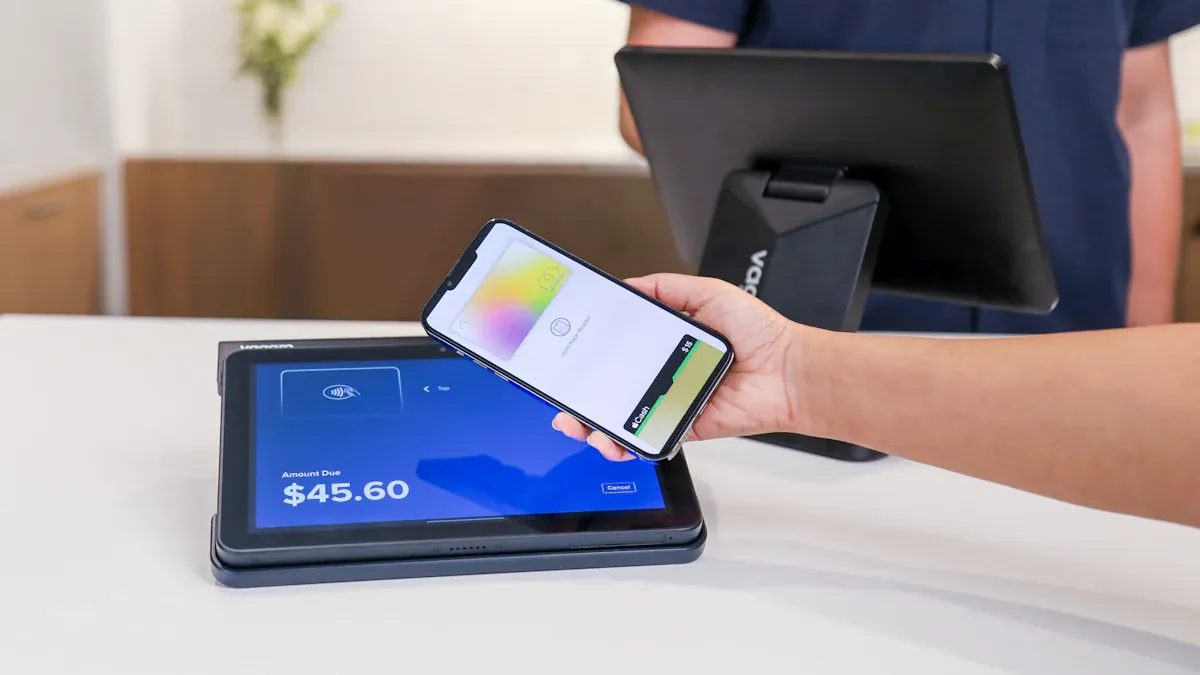
AI and Machine Learning
You see artificial intelligence and machine learning everywhere in cashierless stores. These systems use cameras, sensors, and smart algorithms. They watch what products you pick up and recognize your actions. They also automatically handle checkout. The technology works instantly. It knows what you take and updates your virtual cart. It also helps stop theft by noticing suspicious behavior. Because of these smart tools, shopping feels smooth and easy.
Computer Vision and Sensors
Computer vision and sensors make cashierless shopping possible. Cameras and sensors watch your movements and identify items. They analyze images to find products and prices. Self-checkout systems take pictures and charge you automatically. Stores like Amazon’s Just Walk Out use deep learning and sensors for easy shopping. You benefit from advanced tech that tracks inventory and how customers interact. Combining different tools like computer vision, RFID, weight sensors, and LiDAR makes everything more accurate.
Aspect | Description |
|---|---|
Sensing Technologies | These advanced tools help with cashierless shopping, tracking stock, and watching customers. |
Challenges | Problems include vision issues, scaling up, stopping theft, and handling data. |
Multi-modal Approaches | Using computer vision, RFID, weight sensors, and LiDAR makes things more precise and quick. |
Future Directions | Focus on making stores bigger, cheaper, and more private for shoppers. |
Frictionless Shopping Experience
You enjoy a smooth shopping trip in cashierless stores. The process is quick and simple. At the University of San Diego, students finish shopping in less than two minutes. This fast process reduces stress and makes people want to come back. AI kiosks finish transactions in about 15 to 20 seconds. You don’t have to wait in lines. It’s fast, convenient, and personalized. Customers feel happier and trust the technology more. This makes them want to shop there again. The future of cashierless retail will bring even better experiences for shoppers.
Benefits of Cashierless Retail
Convenience for Shoppers
Shopping in cashierless stores is very easy for you. You walk in, grab what you want, and leave fast. There are no lines to wait in. Automated payment systems help you pay quickly, even when the store is busy. You do not need to scan items or look for a cashier. The whole trip feels quick and simple.
You do not wait in checkout lines, so you save time.
You can shop during busy times without feeling stressed.
You get digital receipts right after you leave the store.
Shopping is less stressful and more fun. You feel happy because you spend less time shopping and have more time for other things you enjoy.
Efficiency for Retailers
Retailers get many good things from cashierless technology. You see shorter wait times and faster shopping. Stores need fewer workers, so they save money on staff and running the store. Retailers can check their products right away and keep track of them better. Some stores stay open all day and night, so you can shop whenever you want.
Customers wait less time
Shopping is faster
Stores spend less money on workers and running costs
Stores keep better track of products
Inventory is updated right away
Customers are happier
Stores need different kinds of workers as you learn how to use the new system. At first, stores hire more people to help and show you what to do. Later, they need fewer workers, but some still help with security and special jobs like checking ages. This change in jobs affects how much stores spend on workers and how they run.
Benefit | Description |
|---|---|
Reduced Labor Costs | Fewer workers needed at checkout |
24/7 Operation | Stores can stay open all day and night |
Real-Time Tracking | Inventory updates right away |
Customer Satisfaction | Shoppers have a faster, easier time |
Personalization and Data Insights
Cashierless retail uses smart technology to learn about your shopping. Computer vision, IoT sensors, and big data analytics watch what you do and see where products go. The store learns what you like and gives you ideas for things you might want.
What you look at and buy
Information about who you are and how you shop
Loyalty program activity
Help you get from the store
You get special suggestions based on what you buy and do. Stores use this information to make your shopping better and give you deals you like. In the future, cashierless retail will find even more ways to make your shopping trips fit you. You get smarter ideas and a store that changes to help you.
You see stores that know what you like and help you find things fast. This makes shopping feel special and just right for you.
Challenges and Barriers
Implementation Costs
Cashierless stores look cool and new. They use special cameras, sensors, and AI systems. Setting up these tools costs a lot of money. Many stores pay $150,000 to $500,000 or more for each location. Small shops think these prices are too high. Stores also pay every month for cloud storage, software updates, and fixing hardware. These monthly costs can be $5,000 to $15,000.
Cost Factor | Details |
|---|---|
Initial Setup Costs | Hardware, software, and upgrades ($150,000–$500,000+) |
Ongoing Operational Costs | Cloud storage, software, maintenance ($5,000–$15,000/month) |
Factors Affecting Costs | Store size, tech stack, system integration, maintenance |
Cashierless stores and regular stores are not the same:
Feature | Traditional Store | Cashierless Store |
|---|---|---|
Checkout Labor | High | Low to None |
Hardware Investment | Moderate | High (initially) |
Theft/Fraud Risk | Moderate | Lower (with AI) |
Customer Wait Time | Long | Near Zero |
The future of cashierless stores depends on making costs lower.
Data Privacy Concerns
You may wonder what happens to your data in these stores. Cameras and sensors watch you as you shop. This means you are always being watched. Stores collect lots of details about how you shop. Sometimes, they do not tell you about this. Some people worry about being watched or their data being used without asking.
In March 2023, a lawsuit in New York City said Amazon Go stores did not tell customers about collecting data. The case showed people want clear rules for how stores use their information.
Privacy is a big worry for many shoppers.
Customer Adoption
You help decide how fast cashierless stores grow. Some people like new technology, but others do not. If your friends and family like cashierless stores, you may try them too. Trust in the technology is important. You need to feel safe and comfortable. Culture also affects how you feel about these stores. A good experience makes you want to come back.
Technological readiness
Social acceptance
Cultural attitudes
Quality of user experience
You help make cashierless shopping normal in your community.
Future of Cashierless Retail
Cashierless retail is growing fast in many industries. By 2026, more stores will use cashierless systems. These stores will not just be small shops. They will include supermarkets, fashion stores, and airports. New technology like AI-powered sensors, RFID checkout, and automated kiosks help this growth. Retailers use these tools to make shopping easier and run stores better. Cashierless solutions are becoming normal in many places.
Trends for 2026 and Beyond
Cashierless technology is spreading to bigger stores. Large chains like Tesco, Kroger, Carrefour, Uniqlo, and Zara use cashierless systems. These systems use AI, computer vision, and RFID to track products and shoppers. Stores can offer faster shopping and spend less on workers. Cashierless tech is used for fresh food, electronics, beauty products, and pharmacy items. Shoppers have more choices in cashierless stores.
Online and offline shopping are coming together. Hybrid and omnichannel models are more common. You can order online and pick up in the store. Real-time inventory updates help you know what is available. This makes shopping easier and more personal. Your shopping fits your needs better.
AI-Driven Personalization
AI-driven personalization will change cashierless retail. Few stores use advanced personalization now, but this will grow fast. Retailers will use AI tools like facial recognition, smart mirrors, and voice assistants. Facial recognition can greet you and suggest products you might like. Smart mirrors can recommend accessories for your outfit. Shopping will feel more fun and special.
Machine learning will help stores understand shoppers better. Stores will offer deals and product suggestions just for you. Shopping will be quicker and more enjoyable. Stores will know what you want and help you find it.
Hybrid and Omnichannel Models
Hybrid and omnichannel models will connect online and in-store shopping. These models remove barriers between digital and physical shopping. You can look at products online and check if they are in stock. Then you can go to the store and pick them up without waiting. Or you can shop in the store and link your purchases to your online account.
This makes shopping more personal and convenient. Stores use AI and real-time tracking to keep products in stock. You get offers that fit you. Shopping feels smooth and the same everywhere.
Biometric Payments
Biometric payment systems are changing how you pay in cashierless stores. These systems use fingerprints, facial recognition, iris scans, or voice to check who you are. You can pay without cash or cards. Checkout is faster and safer.
More stores are using biometric payments. This is popular in Asia-Pacific and North America. Some stores let you pay by looking at a camera. This makes checkout quick and helps stop fraud.
Biometric payments make cashierless retail easier and safer. As these systems get cheaper, more stores will use them. Soon, biometric payments will be common in cashierless stores.
Cashierless retail will grow quickly because of new technology and what shoppers want. Stores will offer more products and connect online and in-store shopping. Your shopping will be more personal, smooth, and safe. AI, automation, and biometric payments will change how you shop. Shopping will be faster and more fun.
How It Changes Your Shopping Experience
Easy Online and In-Person Shopping Together
Now, stores mix shopping online and in person. Cashierless tech helps you switch between both easily. Many stores use smart carts, apps, and sensors to make shopping simple. For example, you can see what’s available online and then pick up your items in the store without waiting in line. Some stores let you watch your spending live or pay straight from your phone.
Here are some ways stores use tech to improve your shopping:
Store | Technology or Plan | How It Helps You |
|---|---|---|
Aldi UK | Shop&Go with computer vision | You pick items and leave, making shopping faster and easier. |
Tesco | Hybrid system with AI cashierless zones and regular checkouts | Gives you more options and makes shopping smoother. |
REWE | Trigo partnership for cashierless shopping | Tests new ways to improve shopping across Europe. |
ShopRite | Xpress Trolleys with scan-as-you-go and real-time updates | Lets you see your spending and pay directly, making shopping fun. |
Wegmans | Instacart’s Caper Carts with AI and loyalty features | Turns your cart into a checkout, blending online and in-store shopping. |
You get more control and choices. Shopping feels more personal and less stressful.
How Stores and Workers Are Changing
Cashierless stores change how people work in retail. You might see fewer cashiers at registers. Workers now help you in new ways, like answering questions or showing you how to use new tech. Stock workers often pick items for online orders or run small inside-store warehouses.
You get better service because workers focus on helping you, not just scanning.
Stores handle more transactions fast, so you wait less.
Stores use workers smarter, which can save money.
Stock workers pick products for online orders and manage stock.
Tech helps stores keep better track of everything.
You benefit from quicker service and more help when you need it.
Real Examples from Around the World
Many stores in the U.S., Asia, and Europe use cashierless tech. They use smart cameras, apps, and sensors to make shopping easy.
Store Name | Location | Tech They Use |
|---|---|---|
Amazon Go | USA | Smart cameras, deep learning |
7-Eleven Shop & Go | Singapore | Smart cameras, sensors |
Aisle 24 | Canada | Mobile app check-in, automated checkout |
Moby Mart | Shanghai | QR code scanning, robot supermarkets |
Lawson Go | Japan | Computer vision, app entry |
H2O Retailing Group | Japan | Autonomous detection systems |
Unmanned stores | South Korea | RFID, AI tech |
Stores like Amazon Go show that cashierless shopping can be easy and quick. You skip lines, get help from staff, and shop faster. These stores also keep better track of stock, so you find what you need more often.
You will notice cashierless retail changing your shopping. Stores use AI to make shopping quicker and more personal. Many people want shopping to be smooth and contactless. You spend less time waiting and find items more easily. There are new ways to pay for your things. Some problems still exist, like privacy and learning new systems. By 2030, you might see fully autonomous stores everywhere.
Prediction | Description |
|---|---|
Cashierless Shopping | Goes from testing to normal in many stores |
Autonomous Retail | Big, fully automated stores become common |
Shopping in the future will be smart, fast, and always changing.
FAQ
What happens if you pick up an item by mistake?
You can put the item back on the shelf. Sensors and cameras will notice. Your virtual cart updates right away. You only pay for what you take out of the store.
Is cashierless shopping safe for your personal data?
Stores use strong security to protect your information. You should check privacy policies before shopping. Many stores use encryption and limit who can see your data.
Tip: Always read store privacy notices to stay informed.
Can you use cash in cashierless stores?
Most cashierless stores do not accept cash. You pay with cards, apps, or biometric methods. Some stores may offer a kiosk for cash payments, but this is rare.
What if you need help in a cashierless store?
You can ask staff for help. Many stores have workers ready to answer questions or solve problems. Some stores use help buttons or chat features in their apps.
Are cashierless stores open all day?
Many cashierless stores stay open 24/7. You can shop anytime. Stores use technology to keep things running smoothly, even at night.
See Also
Upcoming Changes to Walmart Self-Checkout in 2025
The Future of Retail Lies in AI-Driven Stores
Walgreens Self-Checkout: Balancing Convenience With Retail Challenges
