What to Expect from Cashierless Retail in the Coming Years

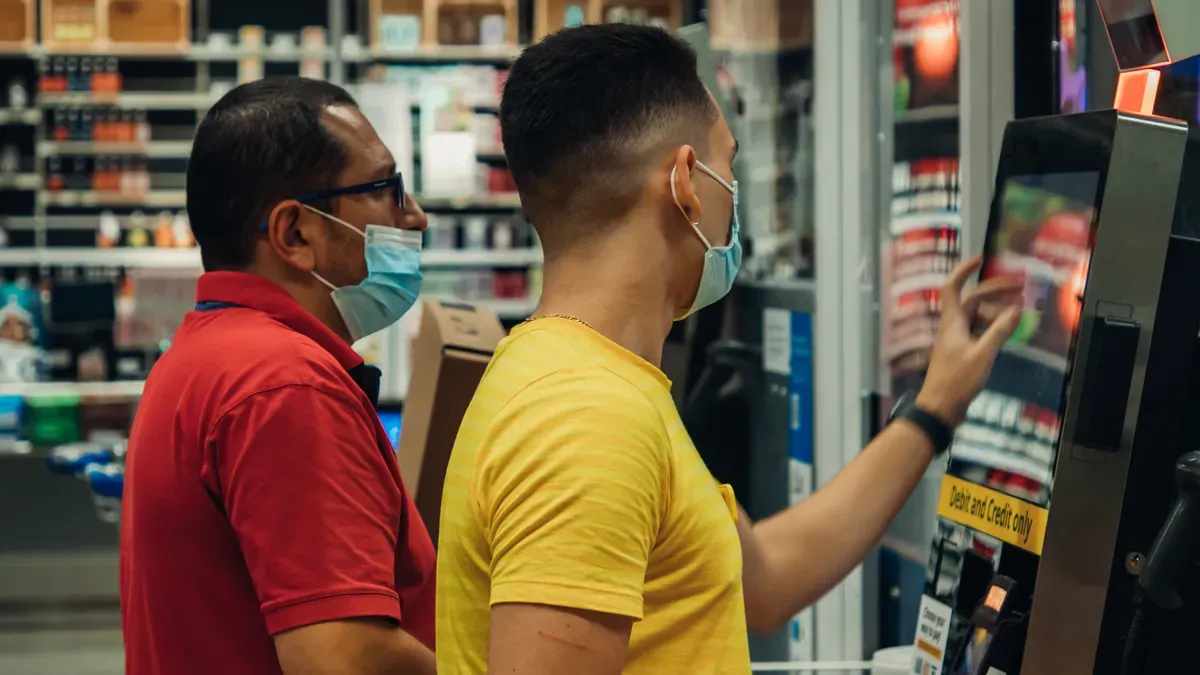
You see cashierless retail changing stores everywhere. This change gives you easy, automatic shopping with AI. When you enter these stores, AI tools help you make choices. They make your shopping easier. Almost 77% of shoppers say AI helps them pick faster. It also makes them feel more sure about their choices. The future of cashierless retail gives you special suggestions. You can even try things on virtually to help you choose better.
AI Impact | What It Means for You |
|---|---|
Ease of use | Shopping feels simple and clear |
Personalized picks | Offers fit what you like |
Augmented reality | Try things out online before buying |
Key Takeaways
Cashierless retail is growing fast. There may be over 12,000 stores by 2027. This makes shopping easier for everyone.
AI and technology help make shopping smooth. You do not have to wait in lines. You can check out without help.
AI makes shopping more personal. It learns what you like. It gives you suggestions to make shopping better.
Security steps like biometric checks keep your data safe. Encryption also protects your information. You can shop easily and safely.
Keep up with new trends and technology. This helps you get the best shopping experience in cashierless stores.
The Future of Cashierless Retail: Key Trends
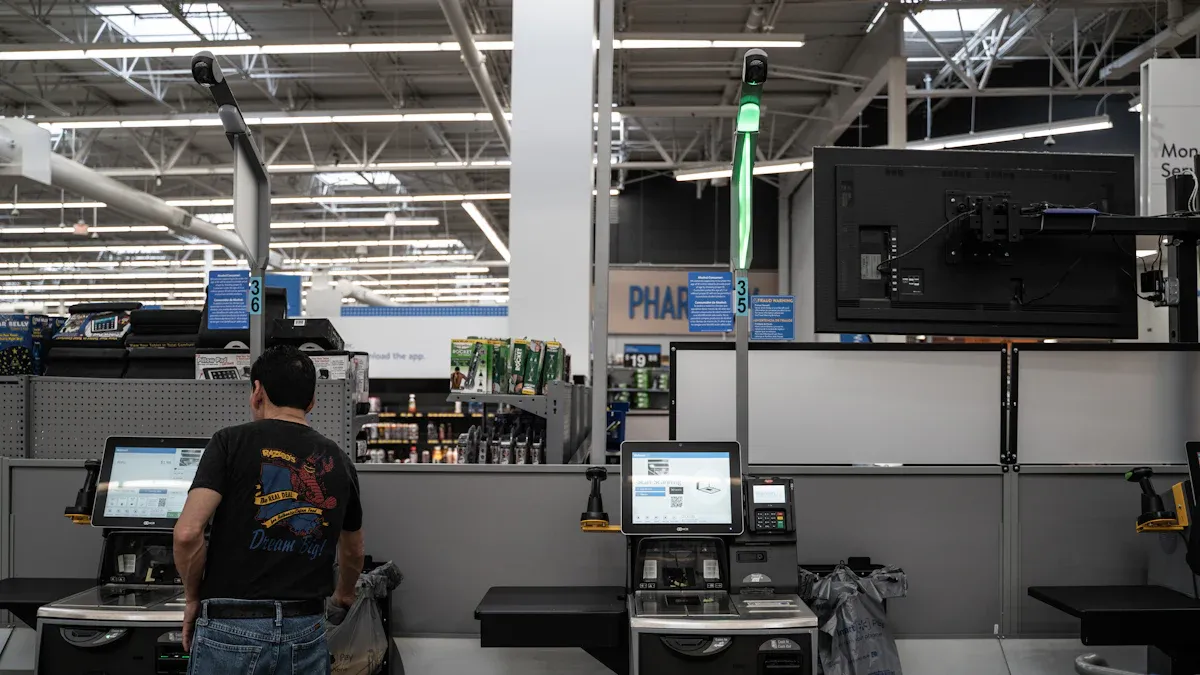
Global Store Expansion
Cashierless stores are opening in more places each year. By 2027, there will be over 12,000 checkout-free stores worldwide. This means you can shop in these stores almost anywhere. The number of new stores is growing very fast. More than 90% new stores open every year. Germany has led this trend since 2019, with about 600 locations. Retailers like this model because it makes shopping easier for you. It also lets them try new ways to run stores.
Cashierless stores will keep increasing quickly.
Germany is one of the leading countries.
You will see these stores in supermarkets, fashion shops, and airports.
Soon, cashierless stores will be in more cities and countries. You will spot them in places you visit often.
Frictionless Shopping Experience
You want shopping to be quick and simple. Cashierless retail gives you a smooth experience. You do not have to wait in line or deal with slow checkouts. About 80% of shoppers want an easy shopping trip. Stores use new technology to make this happen. You will see artificial intelligence, computer vision, sensors, and IoT working together. These tools track what you pick up and help you pay without stopping at a register.
Artificial Intelligence (AI) makes store tasks automatic.
Computer vision watches your actions as you shop.
Sensors check when you take or return items.
IoT connects devices for a smooth shopping trip.
You can use one-click checkouts, digital wallets, contactless cards, and "just walk out" stores. Mobile apps let you scan items as you shop. These features help you skip long lines and make shopping more fun.
Evidence Type | Statistic/Fact |
|---|---|
Cart Abandonment Rate | Global cart abandonment rates average around 69.8%, with checkout friction being a top reason. |
E-commerce Abandonment Causes | Over 80% of abandonments are tied to checkout-related issues. |
Physical Store Abandonment | Queue frustration contributes to roughly 40% of shoppers abandoning purchases in physical stores. |
Shopping in a frictionless store feels better. You trust the store more when your data is safe. This trust makes you want to shop there again.
AI and Personalization
AI changes how you shop. It learns from what you bought before. This helps stores give you better deals and suggestions. Machine learning looks at your shopping habits and guesses what you might want next. You get offers and recommendations that match your style and needs.
AI checks your past purchases to make shopping more personal.
Smart sensors and devices watch your actions to suggest products.
Dynamic pricing changes deals based on what you and others buy.
Each time you shop, the system learns more about your likes.
Retailers use machine learning to group shoppers by age, interests, and habits. They send you special offers that fit your needs. Recommendation engines suggest products based on what you have looked at or bought before. This makes shopping faster and more enjoyable.
Trend Description | Evidence |
|---|---|
AI-driven checkout technology | Retailers are shifting toward cashier-free stores to enhance customer convenience and streamline operations. |
Consumer preference for frictionless experiences | A study found that 80% of shoppers prioritize a frictionless shopping experience, driving demand for automation. |
Expansion to larger formats | Cashierless technology is being implemented in supermarkets, fashion stores, and high-traffic areas like airports. |
AI-powered personalization | AI can increase sales by up to 40%, enhancing the shopping journey through personalized recommendations and smart loyalty programs. |
The future of cashierless retail will use AI and machine learning to make shopping unique. You will see more stores using these tools to help you find what you want quickly and easily.
How Cashierless Retail Works Today
Core Technologies
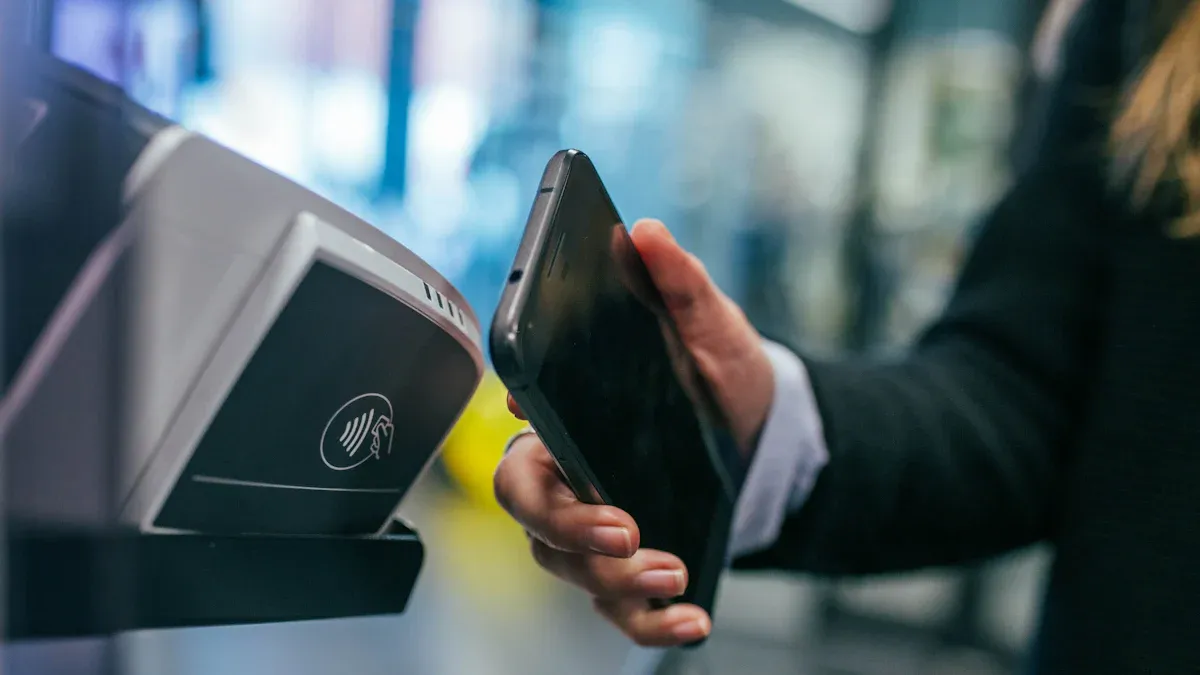
Cashierless retail stores use special tools to make shopping simple. These stores depend on computer vision, sensors, and artificial intelligence. Cameras watch where you go and what you pick up. Shelf sensors notice when you take or put back items. RFID hardware helps find products, especially big ones. Sensor fusion mixes data from cameras, shelf sensors, and RFID to record your buys right away.
Here is a table that shows the main technologies and what they do:
Technology | Function |
|---|---|
Computer Vision | Spots products when you grab or return them to shelves. |
Weight Sensors | Tell when you take or put items back on shelves. |
Machine Learning | Handles data fast to keep your virtual cart correct. |
Make checkout automatic and follow your moves in the store. |
AI systems keep track of what you pick and charge you when you leave. Biometric authentication and QR code scanning help keep your shopping safe. Automated purchase tracking helps stores work better and makes your shopping easier. You get faster checkouts and shorter lines. The future of cashierless retail relies on these tools working together.
Leading Implementations
Cashierless retail is found in many stores worldwide. Amazon Go began this trend with its "just walk out" technology. Walmart and Alibaba use similar systems in their stores. Tesco and Kroger try smart shopping carts that track your items. Carrefour uses cashierless tech in grocery chains. Uniqlo and Zara test RFID checkout solutions. Airports and stadiums have automated kiosks for quick buying.
Even with these new tools, stores still need workers. Sometimes you have problems and need help. Cashierless systems, like self-checkout, can have issues. Amazon Fresh uses Dash Carts, which are not very new but help skip checkout lines for less money. Staff work behind the scenes to keep these systems running well.
Cashierless retail is growing quickly, but stores keep making the technology better. You see a peek of the future of cashierless retail each time you shop in these stores.
Emerging Innovations in Cashierless Retail
Advanced AI and Computer Vision
New AI and computer vision tools are making stores smarter. These systems help stores see what you pick up and put back. Deep learning helps them spot products, even in busy aisles. Computer vision watches where you go and matches your moves to items on shelves. Stores use sensor fusion, which mixes data from cameras, shelf sensors, and RFID tags. This makes shopping more accurate and cuts down on mistakes.
Advancement Type | Description |
|---|---|
Makes supply chains better, predicts problems, and stops fraud. | |
Cashierless Checkout Systems | Makes buying faster and lowers human errors. |
Gesture Recognition Technology | Lets you use your hands to interact with displays and products. |
AI research keeps growing because stores and governments invest in it. Many stores use cashierless systems since people want contactless shopping. AI also helps stores use less energy, which is good for the planet.
Mobile and Sensor Integration
Your phone is important in cashierless retail’s future. Mobile apps suggest products you might like and give discounts automatically. Some stores use facial recognition or palm scanning for quick payments. Digital signs change offers based on what you look at. You can pay with cryptocurrency for extra safety.
Innovation Type | Description |
|---|---|
Suggests items based on what you bought before. | |
Smart loyalty programs | Gives rewards without needing to scan coupons. |
Amazon One’s palm scanning | Lets you check out by waving your hand. |
Sensors and cameras work with your phone to track what you buy. RFID tags and weight sensors help stores know when you take items. Uniqlo uses RFID to scan many items at once, so checkout is faster. Amazon’s Just Walk Out technology charges you automatically when you leave.
Security and Privacy Enhancements
You want your data to be safe. Stores use new security tools to protect you. AI-driven cameras watch for theft and mistakes. Mobile payments mean you do not need cash, which lowers theft risk. Tokenization makes one-time codes for each payment, so your card details stay hidden. Biometric checks, like fingerprints or face scans, add another layer of safety.
Retailer | Security Measure Description |
|---|---|
Walmart | Uses AI to spot missed scans and stop theft. |
Amazon Go | Charges you automatically with AI-powered cameras and sensors. |
Target | Uses AI to find possible shoplifters by watching behavior patterns. |
Some people worry about privacy because stores collect lots of data. Privacy advocates want rules to protect your rights and limit how much data stores keep. The future of cashierless retail will balance new technology with your need for privacy and security.
Benefits and Challenges Ahead
Consumer Advantages
You get many good things from cashierless stores. Shopping is faster and easier for you. You do not need to wait in line or use cash. You can shop by yourself and check your bill to make sure it is right. The technology makes shopping feel new and fun.
Advantage | Description |
|---|---|
Convenience and Faster Checkout | You walk in, pick what you want, and leave with no line. |
No Need for Cash | You pay with your phone or card, which is safer and helps if you like digital payments. |
Improved Privacy | You do not have to talk to people and get more privacy. |
Accurate Billing | The system keeps track of your items and helps you check your bill. |
Innovative Shopping Experience | You shop in a cool, high-tech store. |
You save time because there are no lines.
You pay with your phone or card, so you do not need cash.
The system checks your items, so you see fewer mistakes.
Tip: If you want shopping to be fast and easy, cashierless stores help you save time and skip problems.
Retailer Benefits
Stores also get many good things from cashierless technology. They work better and spend less money. They can see what is on the shelves and learn what you like to buy. This helps them make smart choices for their business.
Stores work faster and can help more people.
They need fewer workers, so they save money.
They can see what is in stock and waste less.
Data from shopping helps stores give you better deals.
Stores look special because they use new technology.
They can use these systems in many stores and upgrade them easily.
Benefit | Description |
|---|---|
Labor Cost Reduction | Stores use machines to check you out, so they spend about 15% less on workers. |
Operating Cost Decline | Some stores, like Amazon, have saved up to 96% with cashierless systems. |
Productivity Gains | Workers can help you instead of just running checkouts. |
Ongoing Challenges
There are still some problems with cashierless stores. The technology costs a lot to set up. Small stores may not have enough money for these systems. Some shoppers want to talk to workers and may not trust the new tools. Stores must follow rules to keep your data safe. Sometimes, the system does not work well if the internet is slow or if there are software problems.
Challenge Type | Description |
|---|---|
The technology is expensive, so small stores may not join. | |
Scalability Issues | Stores need to change systems for different sizes and layouts. |
Stores need strong internet and updates often. | |
Consumer Reluctance | Some people want human help and may not trust machines. |
Regulatory Hurdles | Stores must follow many privacy laws, which can slow down new stores. |
Security Risks | Self-checkout can lead to more theft if not watched closely. |
Some shoppers worry about safety and privacy.
Stores worry about high costs and tech problems.
If stores move too fast, shoppers may not like the changes.
Note: Cashierless retail has many good things, but you and stores must watch out for these problems as the technology grows.
Cashierless retail is changing quickly. Most shoppers want shopping to be easy. About 80% say this is very important. AI-powered personalization helps stores sell more, up to 40% more. These stores could be worth $83 billion by 2036. You will see more smart sensors and real-time tracking in stores. Some stores will use both old and new ways to shop.
Contactless shopping uses IoT, smart carts, and biometric payments.
Stores use AI and sensors to save money and make shopping better for you.
How to Stay Ready | What You Can Do |
|---|---|
Embrace new technology | Try digital wallets and smart carts |
Focus on your preferences | Choose stores that match your shopping style |
Watch for new trends | Stay updated on retail news and innovations |
You can get ready by learning about new tools and trends. Cashierless retail will keep growing and make shopping easier for you.
FAQ
What is cashierless retail?
You shop in a store without waiting in line or paying at a register. Cameras, sensors, and AI track what you pick up. You pay automatically when you leave.
How do cashierless stores keep my data safe?
Stores use encryption and tokenization to protect your payment and shopping data. Many stores also use biometric checks, like face or palm scans, for extra security.
Can I still get help from staff in cashierless stores?
Yes! Staff help you with questions, restock shelves, and solve problems. You can always ask for help if you need it.
What if I pick up an item by mistake?
You can put the item back on the shelf. The system updates your virtual cart right away. You only pay for what you take with you.
Are cashierless stores more expensive?
Most prices stay the same as regular stores. Some stores offer special deals or discounts for using cashierless technology. You may save time and money.
See Also
Upcoming Changes to Walmart's Self-Checkout Experience in 2025
Cloudpick's Innovations for Cashierless Shopping Experiences
The Future of Retail: Embracing AI-Driven Stores
