How smart stores drive higher employee satisfaction in modern retail
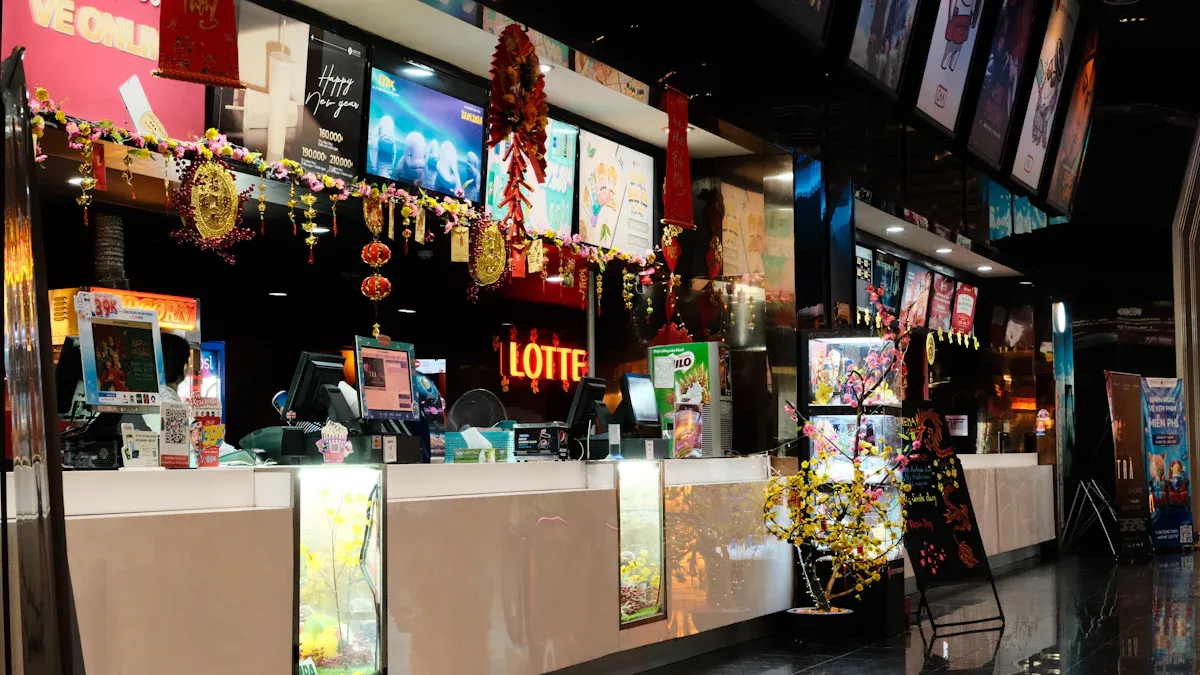
You walk into a store and notice how everything seems to run smoothly. Employees look happy and ready to help. This is not a coincidence. Smart stores use new technology and modern management to make your work life better. When you feel good at work, customers notice. Sales go up, and everyone wins. Think about how these changes might help your team every day.
Key Takeaways
Smart stores use technology to help people talk better. This makes workers feel more connected. It also helps them feel more involved.
Predictable scheduling lowers stress. It helps workers keep a good balance between work and life.
Real-time feedback tools let workers see how they are doing right away. This helps them grow and get better at their jobs.
Training programs and clear career paths encourage workers to stay. They help workers build their skills. This makes workers happier with their jobs.
Happy workers make customers happy. This helps stores sell more. It also makes the workplace a nicer place to be.
Retail Employee Challenges

Turnover & Burnout
People often leave retail jobs. This happens a lot. When workers leave, teams can feel shaky. Many workers get tired and stressed. Long hours and changing shifts make it worse. Here are some big reasons people quit or feel burned out:
Cause of Turnover/Burnout | Description |
|---|---|
Unpredictable Scheduling | Employees face inconsistent work hours, leading to stress and dissatisfaction. |
Below-Market Pay | Low wages contribute to feelings of undervalue among employees. |
Ineffective leadership can lead to disengagement and high turnover rates. | |
Lack of Recognition | Employees feel unappreciated, which is a strong predictor of attrition. |
Limited Career Growth | Absence of clear advancement opportunities can lead to employee dissatisfaction. |
Retail jobs have high turnover everywhere. In North America, it is about 15-20%. In Asia-Pacific, it can be as high as 25%. Some stores lose 60% to 70% of workers each year. It is hard to keep a strong team.
Communication Issues
It is hard when you do not get clear directions. Bad communication causes mistakes and confusion. It also makes people feel bad. About 82% of retail workers say poor communication makes them stressed. Around 76% say it makes them less happy at work.
When people are not engaged, sales can drop.
Good communication helps you feel sure about your job.
Stores with good communication work better and have happier teams.
Recognition & Growth
Everyone wants to feel important at work. If no one notices your hard work, you may feel left out. Many retail workers do not see a future in their jobs. Only 45% see a chance to move up. Just 37% get training to learn more.
Workers who do not feel noticed may want to quit soon.
Not having ways to grow can make you feel stuck.
Learning and moving up are important for happiness.
Smart stores try to fix these problems. They use technology and better management. This helps workers feel supported and ready to grow.
Smart Store Solutions

Digital Communication Tools
You know how hard it feels when you miss an important message at work. Smart stores fix this with digital communication tools that keep everyone connected. You can find everything you need in one place. No more searching through emails or sticky notes.
Centralized platforms, like an intranet built on SharePoint, bring announcements, schedules, and documents together.
Streamlined tools, such as Microsoft Teams or Slack, help you chat, share files, and work with your team easily.
Purpose-driven channels let you talk about the right things with the right people. You do not get lost in a sea of messages.
When you use these tools, you feel more in control. Modern intranet platforms can boost productivity by 20-25%. Teams with good communication see 18% less turnover. You also get better customer ratings and higher profits. If you can learn new skills online, you are 4.2 times more likely to stay engaged at work.
Tip: Try using one main app for work chats and updates. This keeps things simple and helps you stay focused.
Scheduling Automation
You want to know your work schedule ahead of time. Smart stores use scheduling automation to make this happen. You get your schedule 10–14 days in advance. This helps you plan your life and avoid last-minute stress.
Predictable schedules build trust and make you feel secure.
Flexible scheduling options let you swap shifts or pick hours that fit your life.
A North American retail chain saw absenteeism drop by 18% after using predictive scheduling. Employee satisfaction with work-life balance went up by 30%. The company also saved $500,000 each year by cutting overtime.
Work-life balance programs, like automated scheduling, help you avoid burnout. They also keep skilled workers on the team. A 2025 study found that 65% of employees with steady schedules stayed longer at their jobs.
Real-Time Feedback
You want to know how you are doing at work. Smart stores use real-time feedback tools to give you instant answers. These tools connect to the cash register or your phone. You can see what customers think right away.
Tools like TruRating show who is doing well and who needs help.
You do not have to wait for yearly reviews. You get feedback every day.
Apps let you share your thoughts or report problems in seconds.
AI-driven feedback tools help you improve fast. You feel more valued because your voice matters. When you get quick feedback, you can fix problems before they grow. This makes your work life better and helps the whole team.
“Tell me the perfect job for you. Why is that job so appealing? What skills do you have that qualify you for that job? What skills would you have to build?” – Richard Finnegan, author of The Stay Interview: A Manager’s Guide to Keeping the Best and Brightest
Training & Career Paths
You want to grow at work, not just do the same thing every day. Smart stores offer training and clear career paths. You can learn new skills and try different jobs. This keeps your work interesting and helps you see a future in retail.
Strategy/Program | Description | Impact on Retention |
|---|---|---|
Focus on skill development | You pick skills to learn and make a plan to grow. | You see more ways to move up, so you stay longer. |
Cross-training and job rotations | You learn different jobs to keep things fresh and build new skills. | You stay engaged and see more career options. |
Flexible and virtual work options | You get flexible hours or remote work if you need it. | You feel happier and more likely to stay with your company. |
A Wisconsin printing company uses a "3×3 cross-training" program. You learn three different skills, so you never get bored. A Pennsylvania bank keeps top workers by offering flexible hours and part-time jobs. When you see a path to grow, you want to stay and do your best.
Smart stores use these solutions to make your job better. You feel more connected, less stressed, and ready to grow. This helps you, your team, and your customers.
Smart Stores & Employee Engagement
Scheduling & Workplace Conditions
You want a job that fits your life. When you know your schedule ahead of time, you feel less stressed. Smart stores give you more control over your shifts. You can swap hours or ask for time off without hassle. Stores in Seattle found that better schedules made workers happier and helped them sleep better. Gap Inc. stores saw a 7% jump in sales and a 5% boost in productivity after making schedules more stable. When managers listen to your needs, you feel valued. This leads to less stress, especially if you have family or school.
Note: When you get a say in your schedule, you feel more engaged and ready to do your best at work.
Technology & Efficiency
You want tools that make your job easier. Smart stores use new technology to help you work faster and smarter. Here are some examples:
Technology | How It Helps You |
|---|---|
Advanced Inventory Systems | You spend less time searching for products. |
Smart Shelves with Sensors | You know when to restock, so shelves stay full. |
AI Scheduling Tools | You get fair shifts based on store needs. |
Mobile Apps for Staff | You check your schedule and messages anywhere. |
Automation for Repetitive Tasks | You focus on helping customers, not paperwork. |
When you use these tools, you finish tasks faster. Self-checkout kiosks let you help shoppers instead of scanning items all day. AI tools track what needs to get done and help you stay on top of things.
Engagement Outcomes
You notice the difference when your store runs smoothly. Happy workers lead to happy customers. Recent studies show that smart stores improve customer satisfaction and boost sales. When you use technology that saves time, you feel less tired and more motivated. A big candy company reached a 90% employee satisfaction score after using AI to help with IT problems. Another company saw 74% of support tasks handled by automation, so you get help faster and can focus on your work.
You get more time for customers.
You feel proud of your work.
Your team stays together longer.
Smart stores help you grow, stay happy, and do your best every day.
Smart stores help you feel more engaged and make your workday smoother. When you use AI and automation, you spend less time on boring tasks and more time helping customers. This boosts your mood and makes shoppers happy. Here’s what you can expect:
Balanced schedules and fair workloads keep you energized.
New tools let you grow your skills and enjoy your job.
Most employees say AI makes their work better, not harder.
Trend Description | Projected Outcome |
|---|---|
12,000 checkout-free stores by 2027 | Smart stores will become common, making work easier for you. |
86% of grocery leaders see AI as key | More stores will use AI to help teams succeed. |
If you lead a retail team, now is the time to try smart store ideas. You’ll see happier staff, better service, and stronger sales.
FAQ
What is a smart store?
A smart store uses technology to make work easier for you. You get better tools, clear schedules, and faster ways to talk with your team.
How does technology help you at work?
You use apps and devices that save time. These tools help you check schedules, talk to your team, and finish tasks faster.
Will smart stores replace your job?
No, smart stores help you do your job better. You spend less time on boring tasks and more time helping customers.
Can you learn new skills in a smart store?
Yes! You get training and chances to try new jobs. This helps you grow and feel excited about your work.
See Also
How AI-Driven Stores Are Shaping Retail's Future
Automated Retail: Comparing Micromarkets And Smart Stores Globally
Boosting Workplace Efficiency With Smart Vending Machines For Offices
Smart Tech Transforming Retail Through Electronics Vending Machines
AI-Powered Corner Stores: Key Insights Retailers Should Understand
