How smart stores in 2026 are redefining retail employee satisfaction


A retail worker starts a 2026 shift without fear. Smart shelves, AI assistants, and automated checkouts have already done the boring tasks. This is how smart stores improve employee satisfaction. Smart stores use AI, IoT, and automation together. IoT means everyday devices that connect to the internet and share information. These solutions automate boring tasks, give real-time info, and allow flexible hours. They also help workers learn new skills. How exactly do these technologies make retail jobs better? The answer is clear and factual. Smart stores boost happiness, appreciation, and recognition for workers. They improve the worker experience. These solutions create balance and success for workers. Workers gain more control and less stress. The result is a better workplace for everyone.
Key Takeaways
In smart stores, AI and automation handle dull jobs, so employees can spend more time helping customers.
Dashboards that show data in real time give employees control and confidence to make decisions right away.
Flexible scheduling tools help workers balance work and life and lower the number of employees who leave.
Training programs and clear career paths help employees learn new skills and feel valued.
These changes make workers happier and more involved, so they stay longer and help customers better.
How smart stores improve employee satisfaction by cutting drudgery
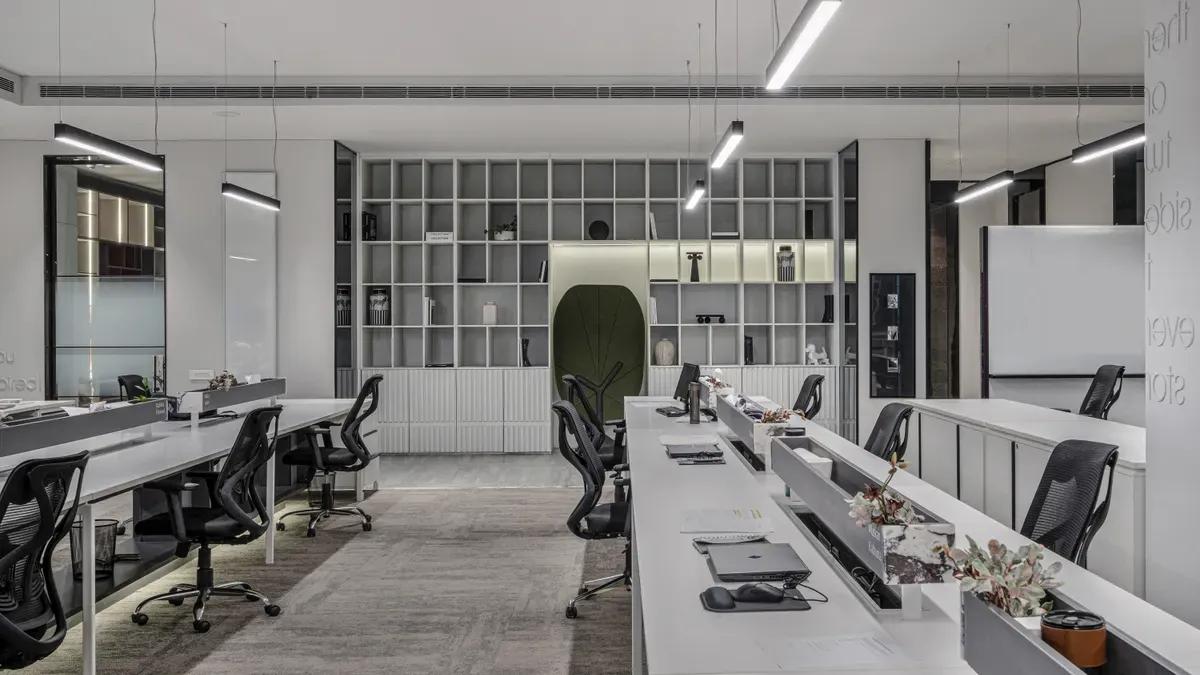
Smart stores take away the dull parts of retail work. This change boosts employee satisfaction in a direct way. Workers spend less time on repeated tasks. They spend more time helping people. That shift builds motivation and a good work environment.
AI inventory and smart shelves
A smart shelf sends an alert when stock gets low. A worker gets that message on a handheld device. The worker restocks the item and goes back to the sales floor. This simple loop frees them to help customers instead of guessing what needs attention.
Shelf technology handles the constant tidying that once filled every shift. Roller tracks use gravity to push products forward. Pushers keep items facing front without manual adjustments. Dividers separate products and slide into place during planogram changes. These solutions cut restocking errors and lower labor costs. Staff stop fixing shelves and start helping shoppers.
AI inventory systems go further. They track stock in real time with sensors and IoT devices. AI keeps 99.3% inventory accuracy. Manual counts are 10–20% wrong, while AI cuts errors to under 1%. Businesses save 20–40 hours weekly on inventory tasks, equal to one full-time employee. Stockouts drop by up to 90% within weeks when AI predicts demand and auto-reorders. Real-time sync across platforms removes stock differences before they happen.
Less counting means less frustration. Employees gain energy for meaningful work. That change directly boosts morale and daily satisfaction.
Automated checkout and less physical strain
Automated checkout shifts repeated scanning and bagging to customers or machines. Cashiers no longer repeat the same motion for hours. Their role moves toward helping at multiple kiosks, assisting customers, and solving issues. Injury risk from constant scanning and bagging falls. The workplace feels safer and more cooperative when staff act as hosts rather than enforcers.
Motion capture data from Xsens shows real gains. An overhead camera system lets employees use both hands instead of one. This change reduces uneven loading and repeated strain. The system cuts time spent bending or reaching while scanning items. That lowers stress on joints. These metrics give clear proof that automation reduces repetitive motion injuries compared with handheld scanner methods.
Smoother operations reduce frustration and physical tiredness. Workers finish shifts with less pain. Their well-being improves, and their satisfaction rises. Smart stores support employees through these practical tools. The result is higher employee productivity and a stronger employee experience.
Boosting employee engagement with real-time data
Real-time data changes how workers do their jobs and how they feel on the floor. Workers can instantly see stock levels, sales trends, and what customers need. This helps them feel sure of themselves and more motivated. Smart stores use these tools to increase employee engagement every shift.
Dashboards and predictive tools
Unified data dashboards let workers see everything about store operations at a glance. TimeForge says these dashboards lead to 12% higher employee satisfaction. When workers can make real-time changes, they feel happier. Centralized monitoring and easy access management free up staff to focus on customers. This shift improves store performance and cuts down on paperwork. Employees then do more meaningful work.
Predictive analytics tools help employees meet customer needs faster. These tools predict call volumes, set the right staffing, and send questions to the best workers. Predictive analytics makes the agent's job easier by giving them the right tools and insights. Companies focus on important issues and respond faster when they know when service requests will rise. A telecom company gets ready for more holiday inquiries by hiring enough staff. This leads to quicker responses and happier customers.
Digital suggestion platforms and regular store forums improve open communication. These employee engagement tools give every worker a voice. Open communication builds trust and drives high engagement. Retail engagement grows when employees share ideas and see results.
Decision support and autonomy
Experienced workers learn to spot patterns over time. They can see unusual trends in sales data or inventory movement. This skill helps them solve problems before they get bigger. Their quick actions improve operations and help the whole team.
Decision support tools let employees act on what they see. A worker notices a sudden spike in demand for one product. The dashboard confirms the trend. The employee orders more stock without waiting for a manager. This freedom builds confidence and strengthens the employee experience.
Smart stores improve employee satisfaction with these data-driven strategies. Employees gain control, knowledge, and respect. These engagement strategies create a workplace where people want to stay. High engagement leads to better productivity and customer service. The result is success for the store and its people.
Enhancing work-life balance through flexible scheduling
Smart stores use scheduling tools to help every worker balance work and life. These tools let workers control their hours. That control creates a better workplace and a happier work life.
AI-driven dynamic scheduling
AI scheduling adjusts based on when workers can work and how busy the store is. The system looks at sales data, past foot traffic, weather, and local events. Then it predicts the busiest times and adds or reduces staff. This replaces manual guessing with pattern tracking. Mobile apps let workers see schedules, ask for time off, and trade shifts. Workers get more flexibility and fewer surprises. TCP Software says AI scheduling looks at workers' availability, shift swaps, and time-off requests while meeting store needs. This makes schedules fairer and gives workers more control. TimeForge shares a 2024 McKinsey study that found 10–20% better use of staff, 5–8% less overtime cost, and schedules made 30% faster than by hand. Quinyx says AI can change shifts and find free workers when needed. Fairer schedules protect rest times and limit weekend shifts. These methods lower burnout and help work-life balance.
Flexible schedules also reduce staff leaving. More than 80% of millennials say they would stay at a job longer if they had more control over their schedules. Legion customers saw a 53% increase in schedule happiness. The University of Warwick found that happier workers are 12% more productive. Smart stores can cut staff leaving by boosting satisfaction with technology that helps daily work and career growth.
Remote monitoring and reduced overtime
Remote monitoring lets some jobs be done away from the store. Managers can check stock, sales, and staff from anywhere. Workers handle schedule questions or training from home. This helps workers balance work and life better. These examples show that good shift quality improves worker well-being. Over-scheduling leads to burnout. Smart stores use these tools to protect rest time and cut overtime. The result is better balance, better well-being, and long-term success for everyone.
Fostering skill growth and appreciation

Smart stores help workers learn new skills and feel valued. They show appreciation with training and career growth. These tools build a good work place. Workers gain new abilities. They feel important. This change makes retail workers more engaged and leads to long-term success.
Upskilling for tech interaction
Upskilling gets workers ready for more important roles. Training programs teach workers to use AI tools and IoT devices. A worker learns to watch smart shelves and fix kiosks. These skills move workers past simple tasks.
Training comes in many forms. Gamification uses badges and leaderboards. Personalized learning paths change for each worker's needs. In-person sessions give hands-on practice. Coaching changes behavior instead of just sharing info. Real-time recognition gives workers clear areas to focus on.
A structured timeline helps stores put upskilling in place:
Weeks 0–4: Check skill gaps and set clear goals for retail staff.
Months 1–3: Give short microcourses and peer coaching for AI supervision.
Months 3–6: Run small pilots like chatbot agent-assist and kiosk troubleshooting.
Months 6–12: Certify high-potential staff into supervisory and analytics roles.
This plan shows employer appreciation. Companies invest in worker growth. Every worker feels valued and stays longer.
Career pathways from entry-level to specialist
Clear career paths show appreciation for worker potential. Smart stores offer many tracks. The sales track starts as a Specialist and moves to Business Expert. The technical track starts as a Technical Specialist and moves to Genius roles. The creative track starts as a Creative and grows into Creative Pro roles. The leadership track moves from any entry role to Manager and Store Leader.
Strong mobility programs get good results. Employee recognition programs celebrate wins. Personalized learning paths help workers learn faster. Recognition is the main motivator for top performance. Many workers feel stuck without advancement paths. Smart stores solve this with personalized development plans. Leadership training gets workers ready for supervisory roles. Cross-department rotation shows workers different job areas. Quarterly career check-ins keep progress on track.
A highly engaged workforce gives strong results. Worker productivity goes up. Well-being improves through clear growth paths. Open communication about career options builds trust. Flexibility grows as workers move between roles. Support from managers keeps workers engaged. Motivation increases when workers see a future.
High employee engagement leads to better experience and satisfaction. Employee engagement strategies like training and clear paths create lasting success. Retail employee engagement grows when workers feel appreciated. These solutions improve productivity and customer satisfaction. That is how smart stores improve employee satisfaction.
Smart stores improve employee satisfaction in four ways. They remove boring tasks, use data to keep workers involved, make work-life balance better, and help workers learn new skills and feel valued. This is important for keeping workers and keeping them happy. Happy workers stay longer, serve customers better, and help stores do well. By 2026, retail jobs become more about people. Technology does the dull tasks. People focus on talking, creating, and growing. Store managers and HR staff can start testing these tools now. They should listen to worker feedback and build the smart store together with them. This effort creates a better work life, stronger drive, and long-term success. Praise and support turn everyday tasks into a real employee experience. Workers get control. Workers get purpose. Workers get pride. Workers get skills. Workers get balance. Workers get a voice. Workers get a future. This path leads to success for everyone.
FAQ
Do smart shelves reduce physical tasks for retail workers?
Smart shelves send restocking alerts on their own. Teams spend less time bending and reaching. Motion capture shows less stress on joints. Employees use that time to help customers instead.
How does AI scheduling help retail employees balance work and life?
AI scheduling fits each employee's free time and how busy the store is. Employees get fairer schedules with fewer surprises. Remote monitoring lets some tasks happen off-site. Overtime goes down.
What skills do retail employees need for smart stores?
Employees learn to watch smart shelves and fix kiosks. Training programs teach AI tools and IoT devices. Each employee gains skills for higher-value roles. This investment shows appreciation.
Can real-time data improve employee decision-making?
Yes. Dashboards give employees instant visibility into stock and sales. Employees spot trends and act without manager approval. This freedom builds confidence. Customer service gets better.
Do smart store solutions reduce employee turnover?
Yes. These solutions improve daily tasks and career growth. Employees stay longer with skill development and schedule control. Engaged employees serve customers better. Satisfaction rises and retention improves.
See Also
Why Stores Powered By Artificial Intelligence Will Dominate Tomorrow
Comparing Micromarkets And Smart Stores In Global Automated Convenience Retail
Walmart Self-Checkout Access Changes And Updates Coming During 2025
How Smart Technology In Electronics Vending Machines Transforms Modern Retail
Boosting Employee Productivity Using Smart Vending Solutions In Small Offices
