Smart Edge AI Architecture Makes Everyday Shopping Easy

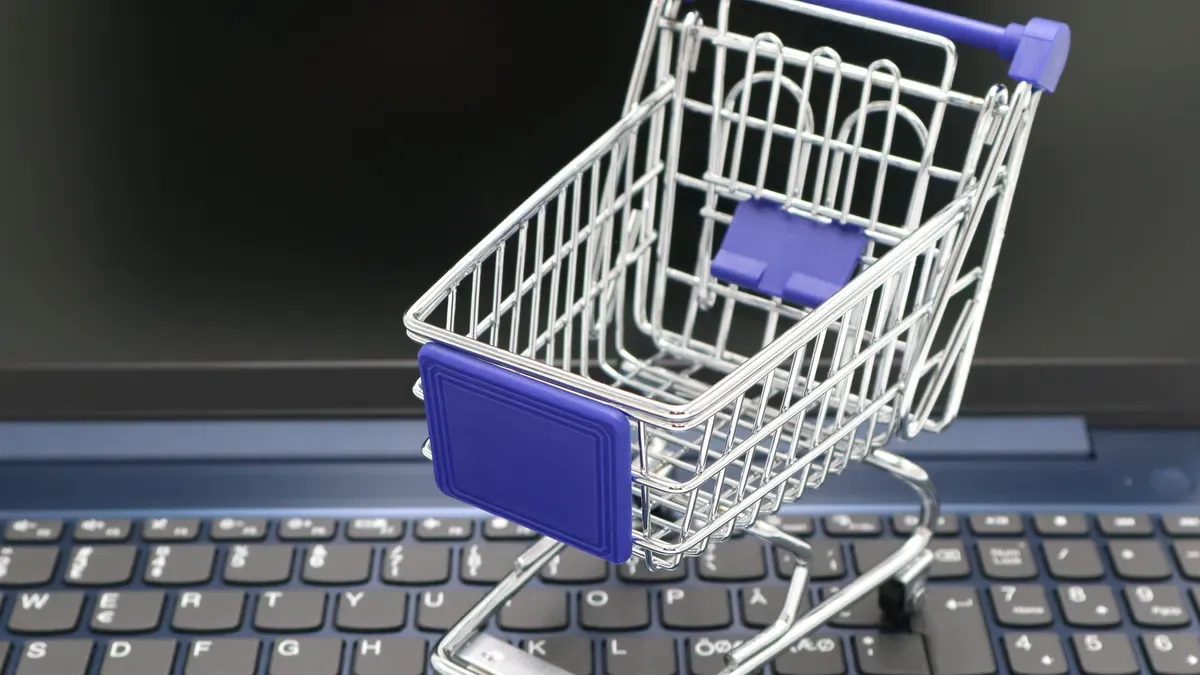
A smart edge ai architecture changes physical store shopping. Nearby devices process information right next to store sensors. This local setup lowers network data costs a lot while keeping daily business running smoothly.
| Scenario | Edge AI latency | Cloud AI latency | | Retail deployment round-trip | 10–50 ms | 200–500 ms |
Edge computing offers quick answers for everyday tasks. Camera sensors check live information on local equipment without shipping private video to distant cloud servers. As a result, edge ai guarantees good item stock and strong privacy safety. Self-service checkout stations improve the total shopping experience. Every shopper gets quick service using edge ai store technology at every shop location.
Key Takeaways
Edge AI handles video data on the spot to make checkout lines shorter.
Nearby small servers keep store computer systems working well when the internet goes down.
Smart shelf sensors track stock automatically to help reduce product theft.
Local computer systems protect buyer privacy by erasing the original video recordings.
Core Edge AI Architecture in Modern Retail
Sensors and Micro-Gateways for Local Compute
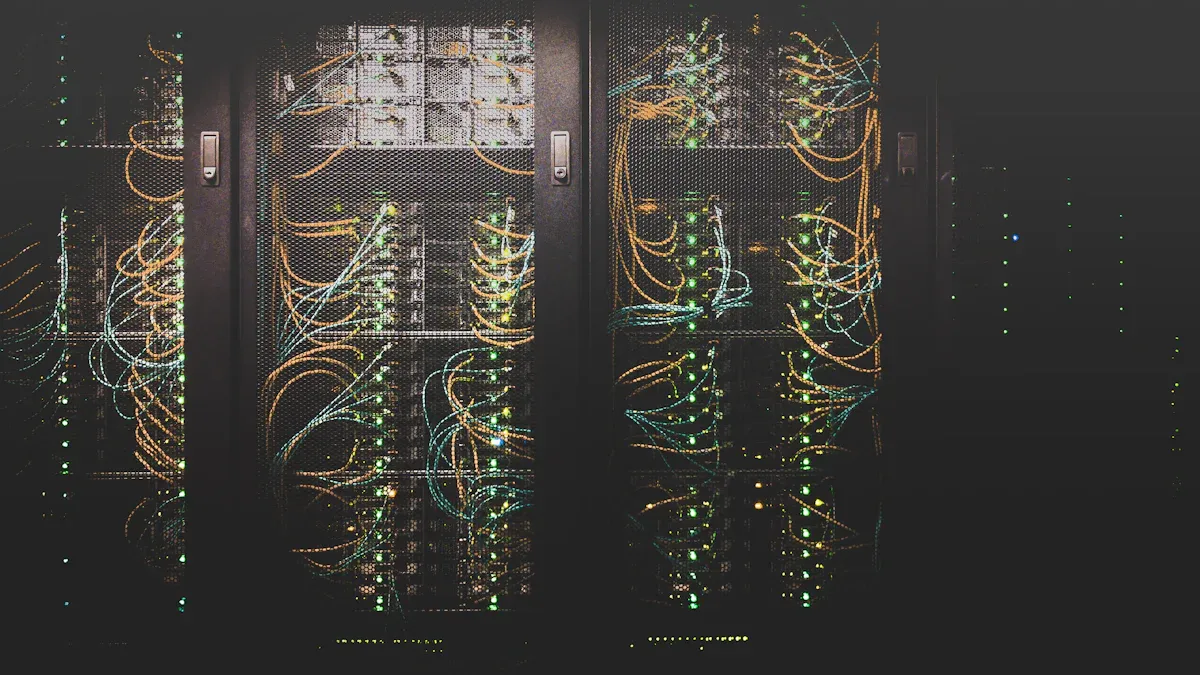
A smart edge ai architecture uses strong hardware placed right inside real store spaces. Smart cameras, digital shelf labels, and environmental IoT sensors keep collecting store information around products. Specialized vision processing units and GPUs analyze big video files right where they are. These endpoints link with tough local edge nodes that run special ai models. Fast SSDs save big activity records, while low-energy 65W CPUs use very little electricity.
In-store micro-servers work as main computer hubs that get all this fresh information. These computers use modern DDR5 memory up to 192GB to handle nonstop local work tasks. PCIe Gen5 connections move data quickly between accelerators, smart cameras, and local storage units. This design manages heavy tasks without sending live video feeds to far-away servers. Retail edge solutions build a strong hardware base that drives full retail transformation across many stores.
Real-Time Data Processing and Store Analytics
In-store micro-servers study live information from cameras and sensors right away. Simple computer rules watch buyer movement patterns and check checkout line lengths instantly. These tools change raw video into private zone heatmaps without sharing clips outside the store. The system removes regular daily footage, saving lots of internet data space. Therefore, store managers see live updates on local screens while keeping shopper privacy totally safe.
This local edge computing setup helps workers make quick operational choices right on the shop floor. Smart pattern matching measures wait times and spots empty shelves as soon as they happen. Store software uses this ai information to shift worker schedules quickly during busy shopping hours. Edge ai computing systems show helpful item ads on digital signs based on nearby shopper movements. This edge ai method speeds up daily retail transformation, improves quick decision making, and boosts overall retail industry efficiency. Modern edge solutions bring trustworthy edge computing power straight to store workers.
Transforming Retail Operations with Real-Time Edge AI
Automated Vision Systems and Smart Checkout
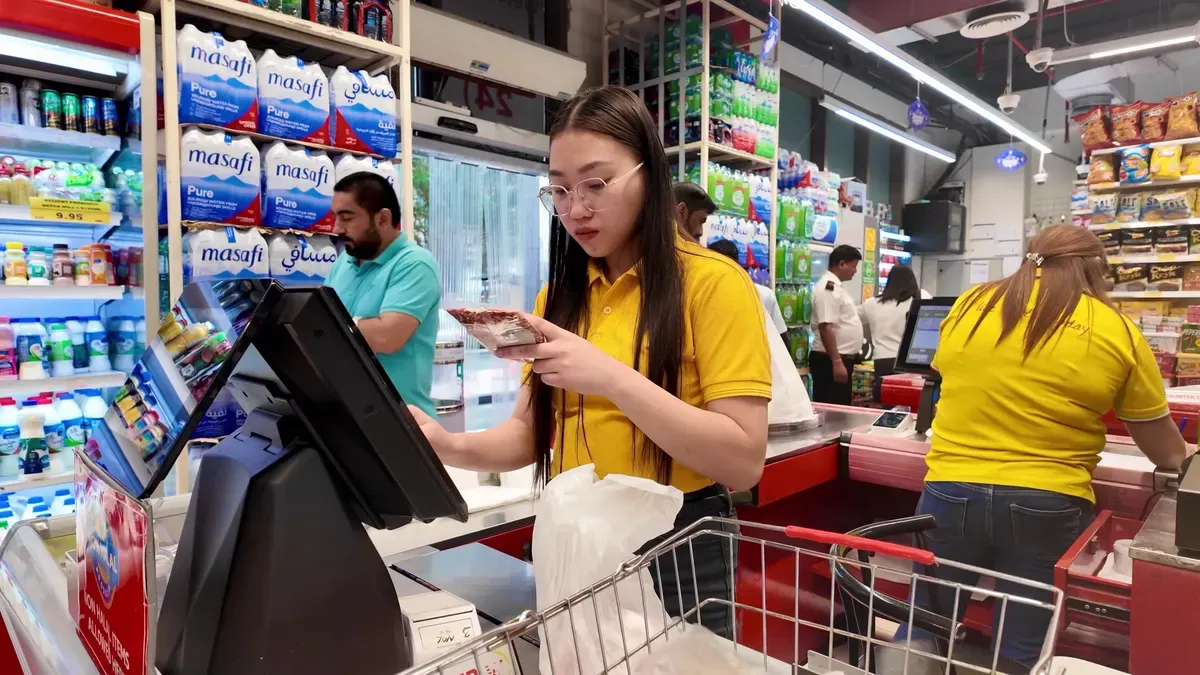
Local computer vision systems turn regular store setups into self-working checkout stations with no waiting time. Processing AI right on terminal screens allows fast item scans without using outside internet servers. Advanced models identify specific item types with over 95% accuracy. Nearby hardware processes detailed pictures at 60 frames every second. This high speed ensures accurate scanning even when customers move very fast.
Checkout System Metric | Performance Benchmark
Recognition Accuracy | Exceeds 95% SKU identification
Camera Processing Speed | 60 frames per second
Operational Response Time | Instant local inference
Smart payment terminals push big changes throughout real-world stores. Automated tools compare scanned products with physical cart items right away. This touch-free payment style shortens long lines and moves people through stores faster. Tough local hardware keeps systems running during internet outages. As a result, intelligent terminals keep busy stores running smoothly while offering a seamless buying experience.
Autonomous Inventory Tracking and On-Shelf Intelligence
Edge AI paired with steady sensor tracking automates key store tasks in every aisle. Camera networks check shelves continuously to find missing items or empty display spots. The local system spots out-of-stock items through a simple five-step setup:
Local cameras review shelf pictures to spot empty product areas.
The system checks gaps against ideal store layouts to name missing items.
Local software reviews live records to see backroom stock numbers.
Nearby servers send automated stock alerts straight to worker phones.
Overhead cameras scan shelves again to confirm workers refilled items.
This automatic tracking system enhances live stock tracking across every store section. Shelf sensors also spot suspicious product movements to lower store theft by nearly 25%. Smart local nodes study fresh sensor details to change room lighting and heating. In addition, digital displays check nearby crowd movement to show custom product suggestions to shoppers. These helpful suggestions refresh instantly without using far-away internet servers. Modern edge solutions speed up store upgrades through smart daily management.
Deploying Secure Edge AI Systems Across Stores
On-Premise Privacy Protection and Data Governance
Physical store owners safeguard shopper details using smart edge ai architecture setups. Store cameras track shopper movements around the sales floor all day. Local hardware processes raw footage, keeping private video files inside the building. Nearby computing nodes quickly change these video streams into simple, anonymous spatial data. Stores never send unencrypted customer recordings out to far-off cloud servers. This local system follows tough rules like GDPR and PCI DSS v4.0 while tracking store activity.
Retail chains apply well-known security practices to protect local computing equipment from cyber threats. ISO/IEC 42001 gives store teams rules for running safe ai systems locally. The NIST AI RMF framework helps IT staff find and fix security risks. Meanwhile, the CSA AI Controls Matrix applies specific technical safeguards across all local nodes. Modern federated learning helps edge ai systems learn from local data on-site. This smart method improves edge ai technology while protecting all personal customer details.
Remote Infrastructure Management and Cloud Sync
Central enterprise systems manage local retail edge solutions using single dashboard displays. Support teams use simple tools to set up software across thousands of store locations. Kubernetes container tools keep all software programs matched across every edge ai node. Strong edge computing hardware keeps handling key business tasks during internet outages. Offline store systems save daily activity logs safely until main network connections come back.
Smart cloud connections link local store computers directly with company databases. Smart data tools filter daily records, sending urgent stock alerts while storing large files locally. Connected cloud systems push updated edge ai models to physical store hardware automatically. These distributed edge ai setups offer reliable performance inside advanced edge computing networks. Modern edge solutions bring zero trust security, steady uptime, and full data protection.
A smart edge ai architecture brings high business value to physical store locations. Local computing lowers running costs while powering fast, automatic store analytics. Efficient systems handle customer data safely while boosting shopper happiness. Deloitte research shows tech upgrades can cut store running expenses by 10-15%. Modern edge computing keeps main tasks running during internet outages. This dependable system drives steady retail transformation. In-store edge ai gives business leaders the quick control and privacy tools needed to match online shopping standards. Retail decision-makers must check carrier boards and box PCs for local ai setup. Upgrading store hardware speeds up retail transformation through advanced edge ai.
FAQ
How does edge ai protect customer privacy in physical stores?
In-store micro-servers handle raw video feeds right on physical hardware. This system transforms video streams into anonymous spatial coordinates instead. Local nodes wipe original video footage right away. This setup keeps private customer details inside stores while obeying strict privacy laws.
How do automated computer vision systems improve checkout speed?
On-device processing terminals study item photos at 60 frames per second. Advanced vision tools identify specific stock items with over 95 percent accuracy. Touch-free terminals handle payments without calling distant servers. This method shortens customer waiting lines and stops checkout delays during network outages.
How does local smart technology reduce retail operational costs?
On-shelf vision sensors track stock levels continuously to spot missing items automatically. These automated tracking tools cut product loss and theft by nearly 25 percent. According to Deloitte research, modern tech upgrades reduce total running expenses by 10 to 15 percent.
Why do stores require real-time processing for store management?
Local hardware offers real-time operational response speeds under 50 milliseconds. Immediate analytics help store managers change worker schedules fast during busy hours. Local processors also update digital shelf prices automatically without relying on continuous internet connections.
See Also
Discover Why Next Generation Smart Retail Is The Ultimate Future
Revolutionize Your Online Store Management Using Modern Artificial Intelligence Tools
Essential Retailer Insights On The Growth Of Automated Corner Markets
Launch A Smart Local Convenience Shop With Very Low Capital
Automated Electronics Vending Is Completely Transforming Modern Shopping Experiences Today
